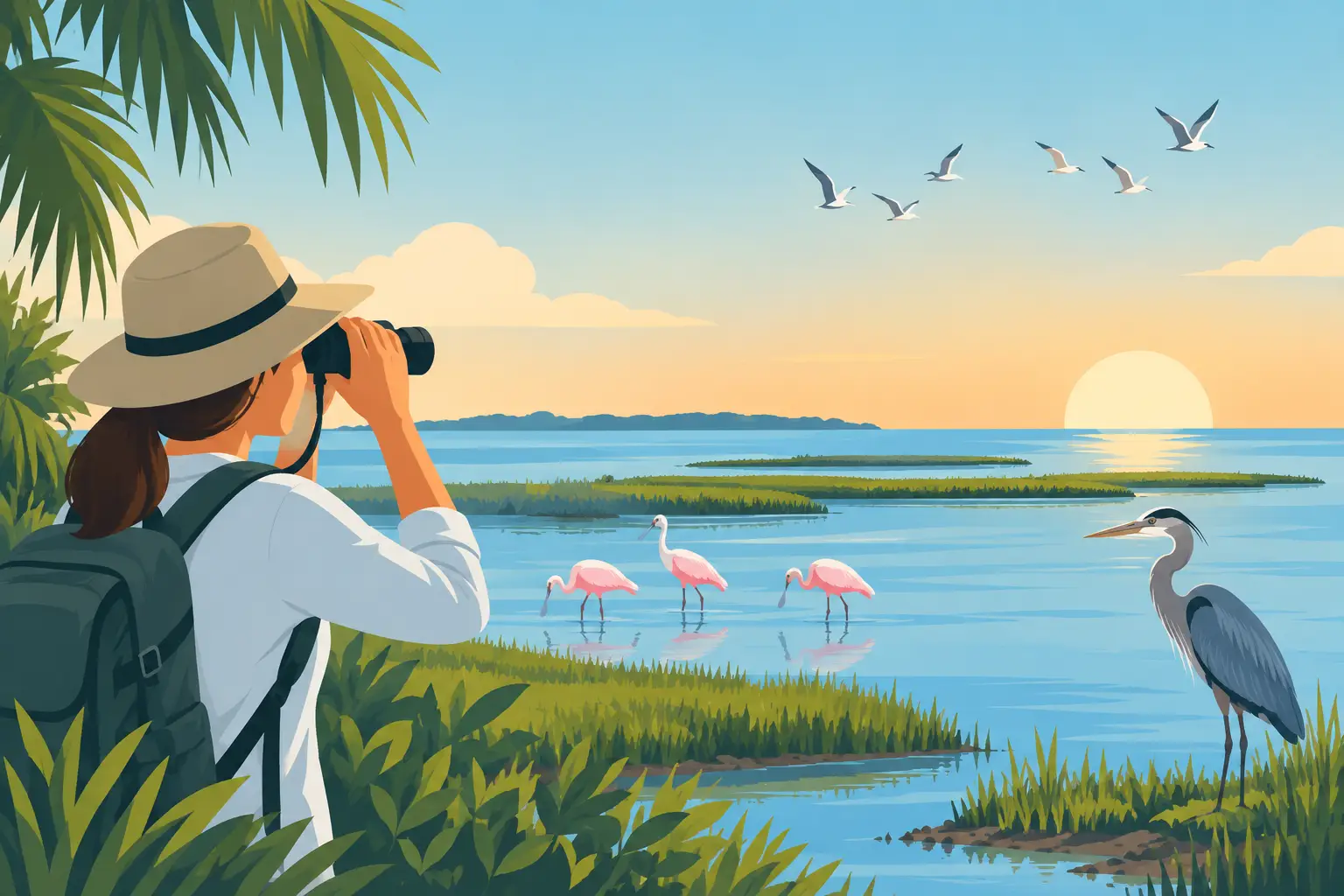
A brown pelican gliding inches above the water, a roseate spoonbill flashing pink over a mangrove shoreline, an osprey dropping feet-first toward a fish – these are the moments that turn a pleasant boat ride into a real coastal wildlife memory. The best coastal birdwatching experiences are not about racing through a species checklist. They are about being in the right habitat, at the right time, with enough patience to notice what the shoreline is doing.
Southwest Florida is especially rewarding because so much bird habitat sits right where land and water meet. Barrier islands, tidal flats, mangrove islands, oyster bars, beaches, and quiet back bays each attract a different cast of feathered locals and seasonal visitors. A knowledgeable guide can help you look beyond the obvious and understand why one bird is wading, another is hovering, and a third is loudly objecting to its neighbor.
What Makes Coastal Birdwatching So Special?
Coastal birds live in a world with a moving schedule. Tides expose feeding grounds, wind changes flight patterns, rain fills shallow wetlands, and migration brings new faces through town. That unpredictability is part of the fun. You may see familiar great egrets standing like white statues one day, then find a lively group of terns plunge-diving the next.
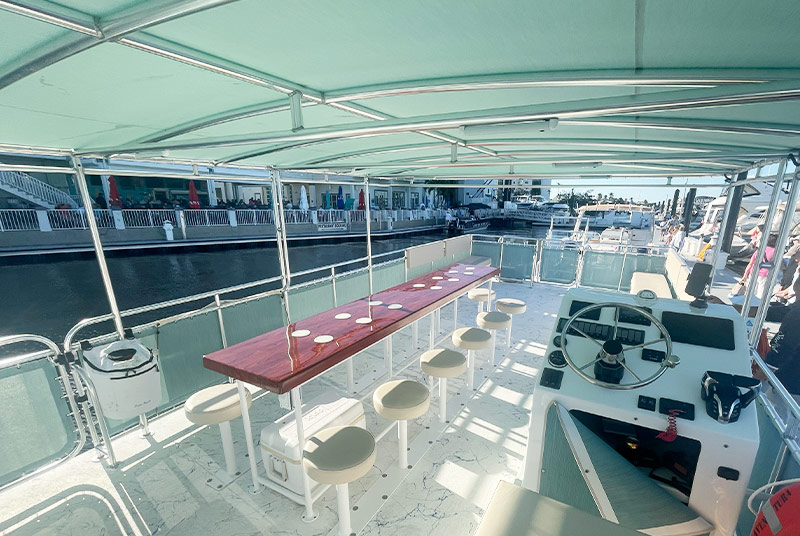
Birdwatching by boat adds another advantage: access. Many productive rookeries, mangrove edges, and shallow-water feeding areas are difficult or impossible to see well from the road. A boat can approach carefully, keeping a respectful distance while giving guests an open view of the birds and the habitats they depend on.
It also makes the experience friendly for people who do not consider themselves birders. You do not need to know every field mark to enjoy a pelican’s dramatic landing or a reddish egret sprinting through the shallows with its wings spread like a tiny, frantic umbrella. The names become more meaningful once you have watched the behavior.
The Best Coastal Birdwatching Experiences Start With Habitat
A good birding outing is less about chasing one “must-see” species and more about reading the landscape. In the Fort Myers Beach area, each habitat tells you where to direct your eyes.
Mangrove shorelines and island edges
Mangroves provide cover, nesting areas, and calm water loaded with small fish and crustaceans. Scan their branches for anhingas drying their wings, tricolored herons moving slowly through the shallows, and ospreys perched high above the water. White ibis, little blue herons, and black-crowned night-herons may also appear, although some are better spotted when the light is softer early or late in the day.
Mangroves can look like a solid green wall at first. Give them a minute. Watch for movement, listen for calls, and look at the waterline rather than only at the treetops. The shoreline often reveals the action.
Shallow flats, sandbars, and oyster bars
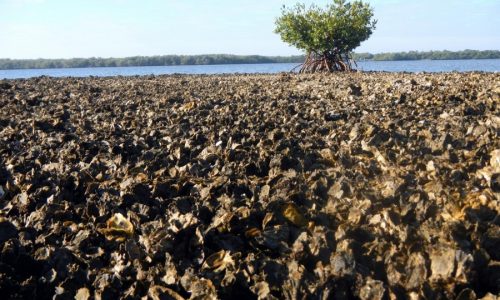
When the tide cooperates, exposed flats can be a buffet for shorebirds. Willets, sanderlings, dowitchers, and plovers probe wet sand for tiny meals. American oystercatchers are particularly fun to watch, with bright orange bills designed for working around shellfish beds.
These birds are often active at a distance, so binoculars help. Still, the best observation is sometimes the simplest one: watch how a flock responds when a wave rolls in, or see how birds spread out as a falling tide reveals more food.
Open water and passes
Look skyward and over the water for birds that hunt on the wing. Ospreys are a favorite for good reason. Their sudden plunge into the water can happen so fast that even seasoned wildlife watchers miss it if they blink. Royal terns, sandwich terns, gulls, and brown pelicans may work the same area when baitfish are present.
A feeding frenzy is never guaranteed, but it is one of the most exciting things to encounter on a coastal cruise. Fish break the surface, birds circle overhead, and the water suddenly looks as if it has its own weather system.
Beaches and dune lines
The beach is not only for shells and sunset photos. It is also resting space for shorebirds, especially during migration and winter. Black skimmers, least terns, snowy plovers, and other sensitive beach-nesting birds need room to feed, rest, and raise young.
The best view is not always the closest view. If birds become alert, bunch together, call repeatedly, or move away, you are too near. Back off and let them return to their normal behavior. Wildlife watching works best when the wildlife can go about its business.
When to Go for the Most Bird Activity
Early morning often produces the calmest water, cooler temperatures, and active feeding before the midday heat settles in. Late afternoon can be equally beautiful, especially when the lower sun lights up white feathers, pink spoonbills, and the bronze tones of pelicans.
Tide matters as much as the clock. Falling tides can expose sandbars and flats where wading birds and shorebirds feed. Higher water may push birds toward mangrove edges or other shallow areas. A captain or naturalist who works these waters regularly can make a major difference here, because local tides do not affect every shoreline exactly the same way.
Season changes the cast, too. Winter generally brings strong numbers of migratory shorebirds and waterfowl, while spring and fall can offer migration surprises. Summer can be excellent for observing resident birds, nesting activity from an appropriate distance, and energetic young birds learning the ropes. There is no single perfect month. It depends on whether you hope for variety, breeding-season behavior, quieter water, or a specific species.
How to Watch Like a Thoughtful Coastal Birder
Birdwatching gets better when you slow down. Keep your eyes moving between the horizon, the waterline, and the sky. If you spot a bird you cannot identify, start with the basics: its size, shape, bill, leg color, flight style, and what it is doing. A tall bird stalking in ankle-deep water is giving you a very different set of clues than a compact bird diving from above.
Bring binoculars if you have them, but do not let them become a barrier. First locate the bird with your bare eyes, then lift the binoculars. A camera with a long lens is fun, but never worth crowding wildlife for a closer shot.
On the water, wear sun protection, bring water, and secure hats and loose gear. Polarized sunglasses reduce glare and help you see into shallow water, although you may want to remove them briefly when studying certain colors or trying to photograph birds.
Most importantly, keep noise and movement low near resting flocks. Do not feed birds, play bird calls to attract them, or approach nests. Coastal birds already manage predators, heat, storms, tides, and limited feeding windows. They do not need a surprise photo shoot added to the calendar.
Why a Naturalist-Led Boat Trip Changes the Experience
A skilled captain can put you in scenic places. A naturalist helps those places make sense. Instead of simply hearing, “There’s a bird,” you may learn why an osprey’s feet are built for fishing, how a roseate spoonbill uses its bill in shallow water, or why a single disturbed sandbar can affect an entire flock’s feeding day.
That context is particularly valuable for families and first-time birders. Kids often remember a strange behavior or a funny fact long after they forget a species name. Experienced birders get something from it, too: local insight into changing tides, seasonal patterns, and the less-obvious birds tucked along the coast.
Good Time Charters brings that interpretive approach to on-water wildlife outings, pairing the view with the stories behind the estuary, its birds, and the food web that keeps the whole show running.
A Better Birdwatching Day Is Not Just About the Rarest Bird
A memorable outing might include a flashy spoonbill, but it can also be a quiet moment watching a heron wait with unbelievable patience, a pelican glide past the bow, or a cluster of skimmers skim the water with lower bills slicing the surface. Coastal birdwatching rewards attention more than ambition.
Bring curiosity, give birds plenty of room, and let the tide set the pace. The best sightings tend to happen when you are already enjoying the water and ready to notice the next pair of wings.