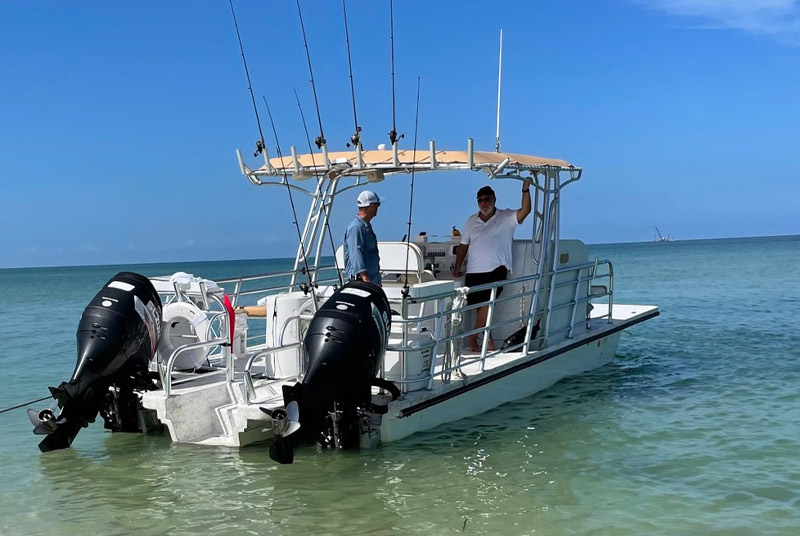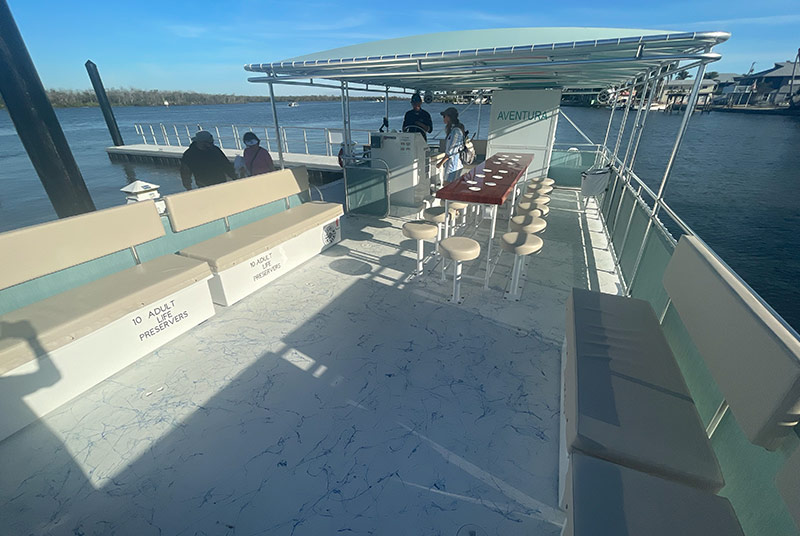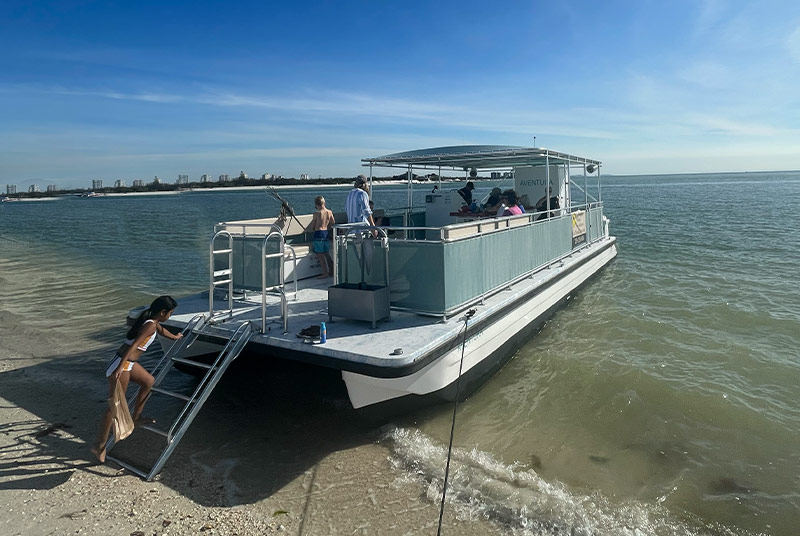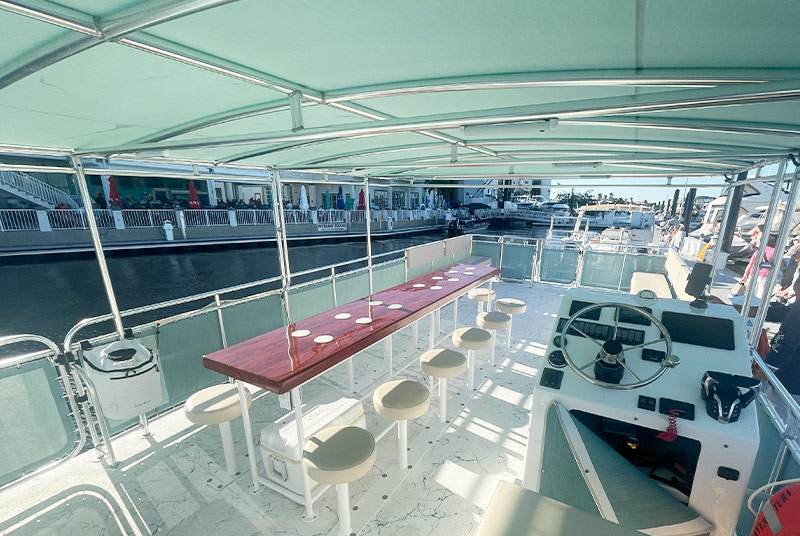
How to Identify Living Shells (and Why You Shouldn’t Take Them)
A Guide for Ethical Shelling in Fort Myers Beach, Sanibel, and Estero Bay. Fort Myers shelling guide.
By Good Time Charters – Fort Myers Shelling Tours
https://goodtimecharters.com
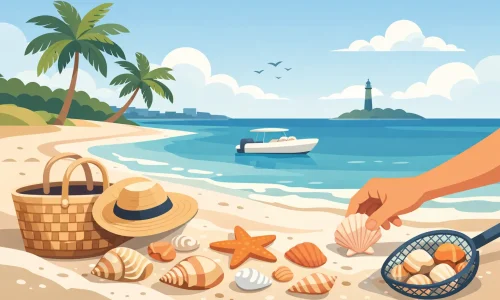
Fort Myers Beach, Sanibel, Captiva, Ten Thousand islands and Estero Bay are some of the best shelling locations in the world. When you join a Fort Myers shelling tour, it’s tempting to keep every beautiful shell you find—but one of the first things our naturalist-guides teach is simple:
If it’s alive, it stays.
This guide will help you identify living shells commonly found in Southwest Florida and understand why leaving them in place protects our ecosystems, wildlife, and beaches. All examples here come from the Fort Myers / Sanibel region, and links to reputable education sources are included throughout.
What Is a “Living Shell” in Lee County?
In Lee County (Fort Myers Beach, Sanibel, Estero Bay), a live shell is any shell that still has a living animal inside. This includes:
-
Horse conchs
-
Lightning whelks
-
Fighting conchs
-
Banded tulips
-
Sea stars
-
Sand dollars
-
Sea urchins
-
Any bivalve that can still close its shells
According to the Florida Fish and Wildlife Conservation Commission (FWC) and Lee County:
-
You may not take or possess any live shell, live sand dollar, live sea star, or live sea urchin.
-
A Florida recreational saltwater fishing license is required to harvest any live shell statewide (even from shore).
-
In Lee County, the rules are stricter: essentially all live shells are protected, with very few exceptions for edible clams.
How to Tell If a Shell Is Alive
Before keeping a shell, run through this quick checklist:
1. Weight & Feel
-
Alive: Heavier and “full” feeling.
-
Empty: Lighter and often brittle.
2. Look Inside the Opening
-
Alive: Visible flesh or snail body.
-
Empty: Completely hollow or filled with sand.
3. Check for an Operculum (“Trap Door”)
Many snails—like conchs, tulips, and whelks—have a hard plate that closes the opening when alive.
4. Movement
Place it briefly in shallow water:
-
Sand dollars will move tiny spines.
-
Sea stars will move tube feet.
-
Snails may extend or retract.
5. Color & Texture
-
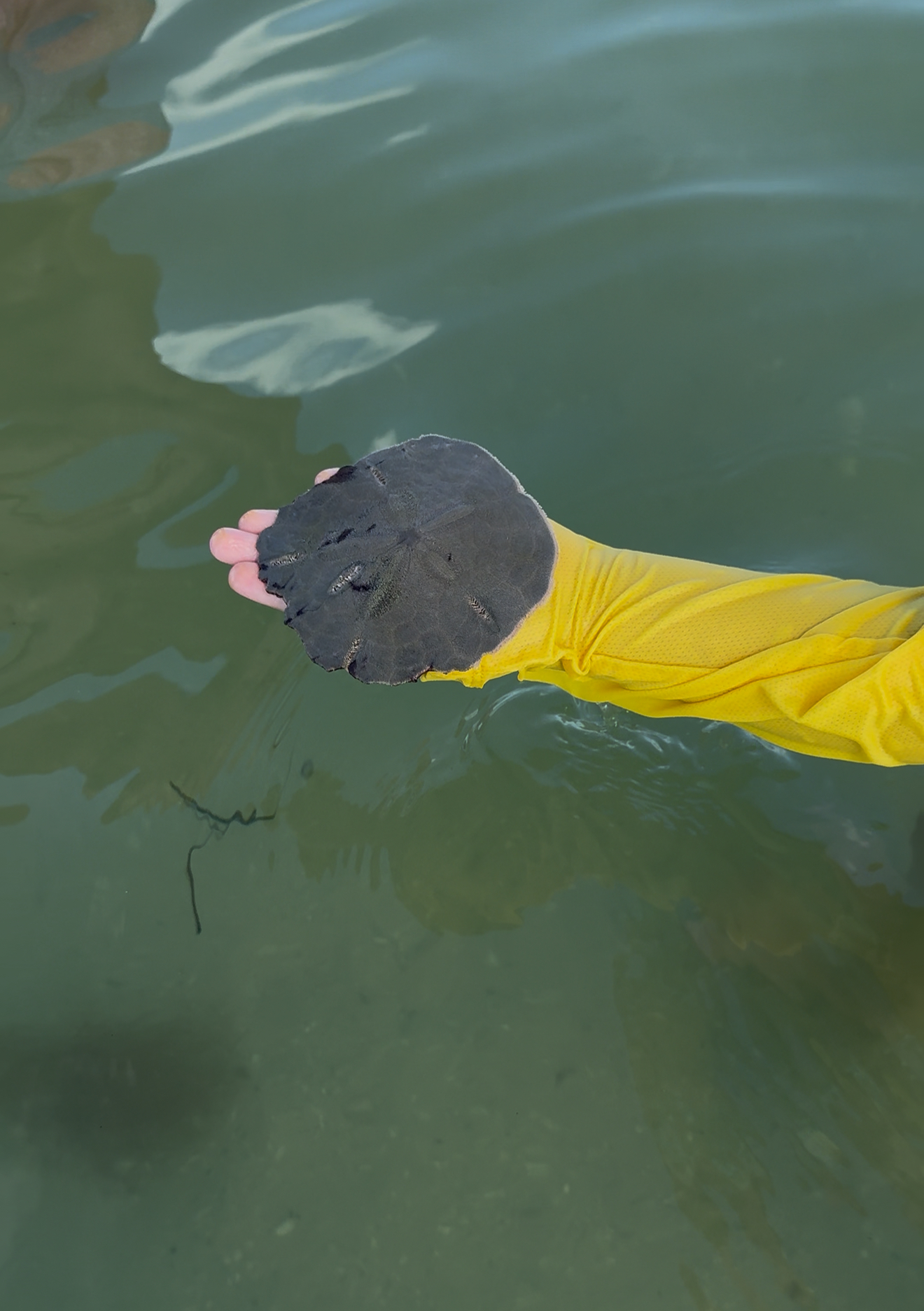
Alive sand dollars: Brown/olive, fuzzy with spines.
-
Dead sand dollars: Bone white and smooth.
If you’re unsure, treat it as alive and return it to the water.
Common Living Shells in Southwest Florida
All of these species are documented by the Florida Museum of Natural History and are common around Fort Myers Beach, Sanibel, and Estero Bay.
1. Horse Conch (Triplofusus giganteus)
Florida’s state shell.
ID tips: Long heavy brown shell (young ones are orange), living snails have bright orange bodies.
2. Lightning Whelk (Sinistrofulgur sinistrum)
ID tips: Spindle-shaped with dark lightning-bolt streaks; rare left-hand opening.
3. Fighting Conch (Lobatus pugilis)
ID tips: Orange interior, thick spiral, strong “hopping” foot when alive.
More info: https://www.floridamuseum.ufl.edu/shells/southwest-florida/fighting-conch
4. Banded Tulip (Cinctura lilium)
ID tips: Smooth shell with swirling bands; common on sandbars and seagrass edges.
5. Calico Scallops, Cockles & Clams
ID tips:
-
Living scallops clamp shut and may display blue eyes along the mantle edge.
- Living cockles close tightly and “jump” when startled.
6. Sand Dollars, Sea Stars & Sea Urchins
In Florida, these are frequently mistaken for dead when actually alive.
ID tips:
-
Alive sand dollars: Brown/olive, fuzzy, may leave a yellow stain.
-
Dead sand dollars: White and smooth.
Why You Shouldn’t Take Living Shells
1. They Are Living Animals
Snails, scallops, sand dollars, sea stars, and urchins are all animals—not decorations. Removing them harms the local food web.
2. Shells Become Habitat
Empty shells house hermit crabs, small fish, and countless micro-organisms.
Florida Sea Grant explains how keeping natural materials on beaches supports coastal stability and wildlife.
3. It’s the Law
Live shelling violations in Lee County can lead to fines.
How to Be an Ethical Sheller in Fort Myers & Sanibel
-
“Look, Learn, Leave”
– Look closely at each shell
– Learn the species
– Leave it if alive -
Designate a “Check Spot”
Put questionable shells in one moist sand spot until you can verify they’re empty. -
Teach Kids Early
Make it a game to find the most unique empty shell. -
Avoid Wildlife Refuges
Some places (e.g., Ding Darling NWR) restrict shelling entirely.
More info: https://www.fws.gov/refuge/jn-ding-darling -
Respect Tidal Habitats
Avoid stepping on seagrass or disturbing tidal pools.
Why Choose a Guided Fort Myers Shelling Tour?
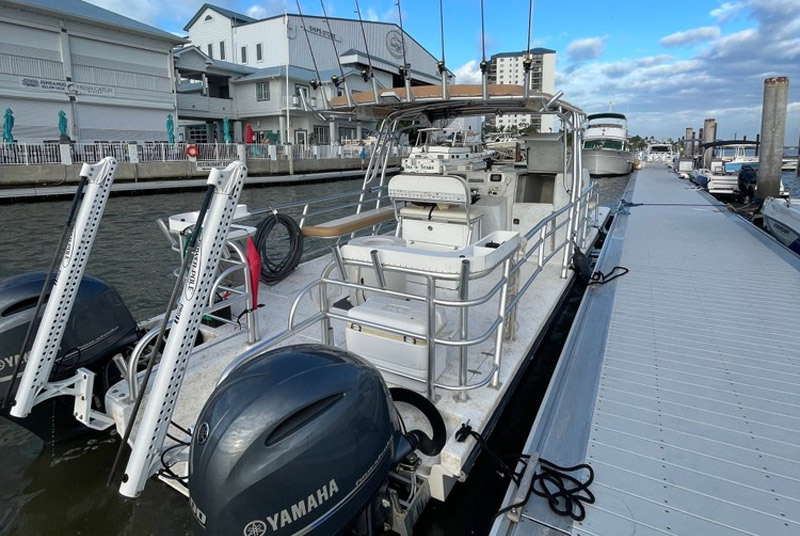
A Fort Myers shelling guide trip with Good Time Charters gives you:
-
Naturalist-led wildlife and shell identification
-
Education on Fort Myers Florida shelling and conservation
-
Visits to rich shelling areas near Fort Myers Beach
-
Family-friendly teaching about living shells and marine life
-
Small-group tours for low ecological impact
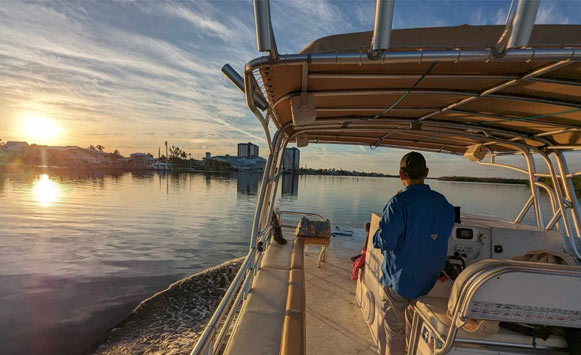
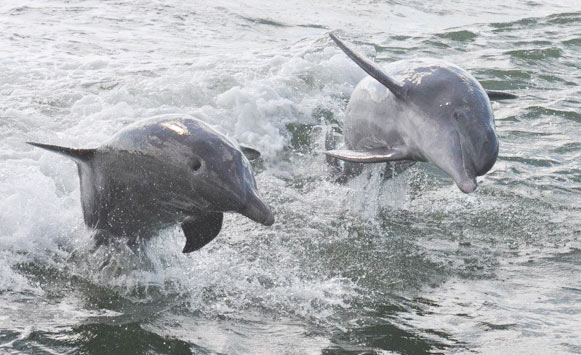
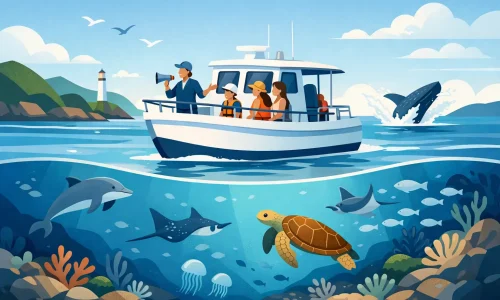
Our tours focus on ethical wildlife encounters, environmental education, and responsible shelling so guests take home beautiful empty shells and unforgettable memories—without harming the ecosystem.
You can also purchase a fort myers shelling guide from any local book store.
Learn about living shells fort myers shelling on our tours and book your shelling tour here:
https://goodtimecharters.com