That perfect lightning whelk or glossy coquina can feel like a tiny piece of your vacation you get to keep. But shells are more than beach souvenirs. They are former homes, future habitat, and sometimes still very much occupied. Knowing how to practice responsible shelling lets you enjoy the hunt while treating Southwest Florida’s beaches, sandbars, and shallow bays with the care they deserve.
The good news is that respectful shelling does not make the experience less fun. It makes it more interesting. Once you start looking closely, every shell tells a story about the animal that made it, the tides that carried it, and the shoreline that shaped it.
Start With the Golden Rule: Take Only Empty Shells
Before any shell goes into your bucket, inspect it carefully. If there is an animal inside, it stays where it is. That includes obvious residents such as snails, clams, and crabs, but it also includes creatures that may be tucked deep inside a shell or difficult to spot at first glance.
Hold the shell opening downward and look inside. A living mollusk may retract when disturbed, so give it a moment. If you see tissue, movement, an operculum – the little hard “trapdoor” some snails use – or a crab occupying the shell, gently place it back exactly where you found it. Hermit crabs are especially easy to overlook, and an empty-looking shell may be their entire mobile home.
This rule applies to more than shells. Live sand dollars, sea stars, sea urchins, sea cucumbers, and other marine creatures are not beach decorations. Leave them in the water or on the sand where they belong. A live sand dollar may appear dark, fuzzy, or covered in tiny moving spines. The familiar pale white ones are typically the empty tests people find after the animal is gone.
Know That “Empty” Does Not Mean Unimportant
An empty shell can still have a job to do. Shells break down over time and help create the sandy material that supports beaches and barrier islands. Larger shells can become shelter for small animals, and many are picked up by hermit crabs when they outgrow their current homes.
That does not mean you cannot collect a few beautiful empty shells. It means collecting thoughtfully matters. Take the shells you genuinely value, not every decent find within reach. If a stretch of beach has only a few large shells, consider leaving them for wildlife and for the next beachcomber who gets that wonderful first-find thrill.
A useful personal standard is simple: collect lightly, admire generously. Photographs are excellent souvenirs, and a shell that stays on the beach can keep being part of the coastal ecosystem long after your trip ends.
How to Practice Responsible Shelling on the Beach
Shelling is often best after a tide change, a breezy day, or a weather event that has rearranged the shoreline. Those conditions also mean the beach can be full of fragile life. Walk slowly and watch where you place your feet, especially near the waterline, wrack line, and tidal pools.
The wrack line – that scattered band of seagrass, shells, driftwood, and natural debris near the high-tide mark – may look messy, but it is busy habitat. Small crabs, insects, shorebirds, and other animals use it for food and cover. Avoid raking through it or dragging large collection tools across it just to uncover more shells.
Keep well clear of marked sea turtle nests and nesting areas. Southwest Florida beaches provide seasonal nesting habitat, and the sand around nests needs to remain undisturbed. If you spot hatchlings, a nesting turtle, or an injured animal, give it plenty of space and alert the appropriate local authorities or beach staff rather than trying to help hands-on.
Beach nesting birds deserve the same courtesy. A flock suddenly taking flight is a good sign you are too close. Step back, keep pets controlled where they are permitted, and enjoy the view from a distance.
Avoid Collecting in Protected Areas
Rules can change from one shoreline to the next. State parks, wildlife refuges, preserves, private islands, and locally managed beaches may have their own restrictions on collecting shells, plants, animals, or other natural materials. Some places allow limited collection of empty shells; others prohibit it entirely.
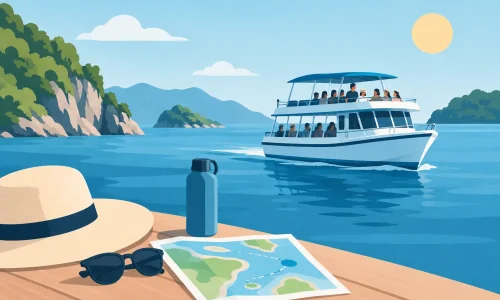
Before shelling, check the rules for the specific location you plan to visit. This is especially smart when exploring by boat, where a quiet-looking island may be protected habitat rather than a public shelling stop. Also remember that regulations can apply to particular species, live organisms, and harvest quantities. When the rules are unclear, leave it there. The shell will not be offended.
Be Gentle With Shorelines and Seagrass
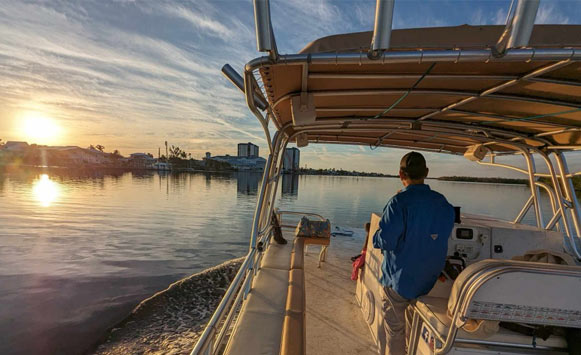
Some of the best shelling is found on shallow flats and tucked-away sandbars, but those places are often connected to sensitive seagrass habitat. Seagrass beds are nurseries for fish and invertebrates, feeding grounds for manatees, and part of the larger food web that supports coastal wildlife.
If you arrive by boat, do not anchor in seagrass when a sandy bottom is available. Never drag an anchor, shuffle heavily through a grass bed, or use a propeller in water that is too shallow for the vessel. Boaters can create long-lasting scars in seagrass with one careless shortcut.
When wading, stay in naturally sandy areas as much as possible. You may need to cross seagrass to reach shore in some locations, but there is a difference between passing carefully through an area and treating it like a shelling field. Take your time, lift your feet, and avoid stirring up sediment or pulling at vegetation.
Skip the Heavy Gear and the Big Haul
A mesh bag, small bucket, or pocket-sized collection pouch is plenty for most shellers. Large rakes, scoops, and digging tools can disturb animals hiding under the sand, damage fragile shell beds, and turn a peaceful beach walk into a search-and-destroy mission.
Responsible shelling is not a competition. The goal is not to return with the heaviest bucket on the boat. A handful of shells with a story behind them is more meaningful than a pile you cannot identify once you get back to your room.
If you are shelling with children, turn it into a nature scavenger hunt instead of a collecting contest. Look for different shapes, colors, and patterns. Compare a scallop shell with a cockle, or notice the spiral on a whelk. Ask which shells are worn smooth by waves and which may have arrived more recently. Kids tend to remember the discovery just as much as the souvenir.
Leave Wildlife Alone, Even When It Is Photogenic
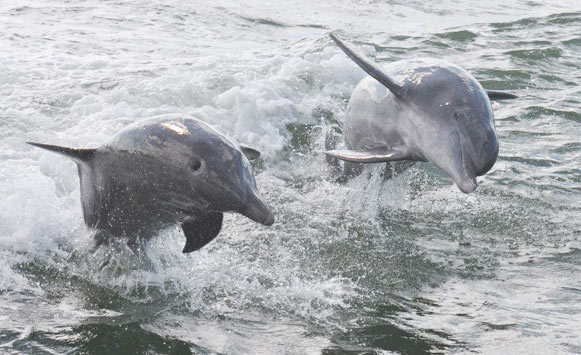
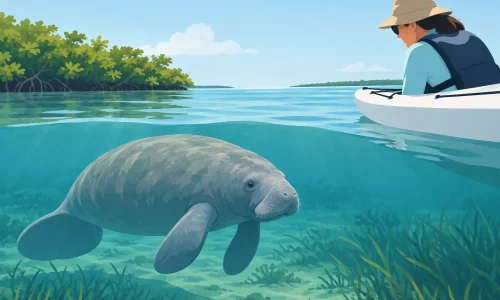
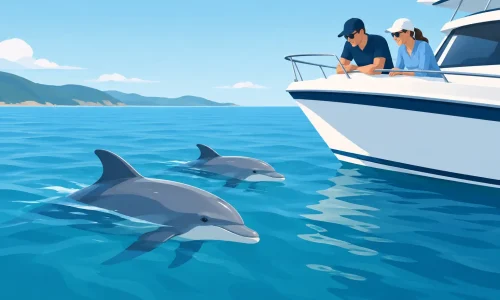
Shelling days often come with bonus sightings: dolphins moving through a pass, ospreys overhead, shorebirds working the surf, or a manatee surfacing in a quiet canal. Enjoy those moments without chasing, feeding, touching, or crowding wildlife.
Dolphins and manatees are wild animals, not photo props. Give them room to choose their own path, particularly around calves. The same goes for birds resting along the shoreline. A calm approach and a little patience usually lead to better viewing anyway.
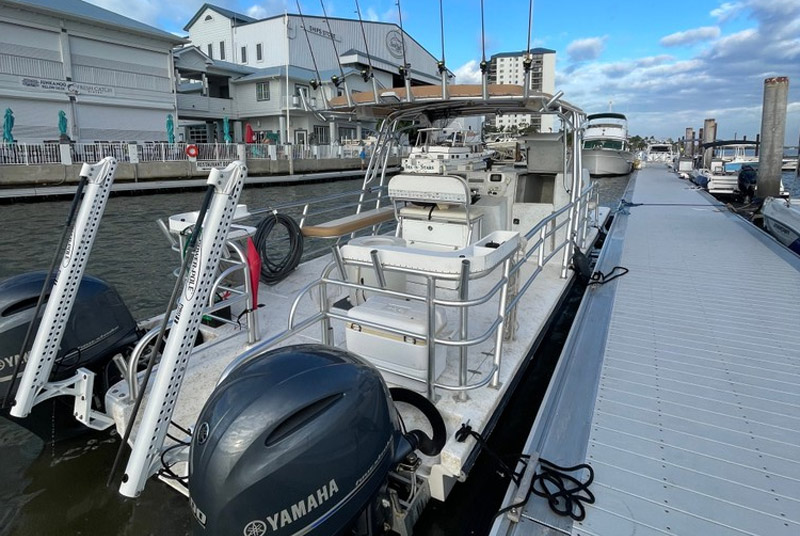
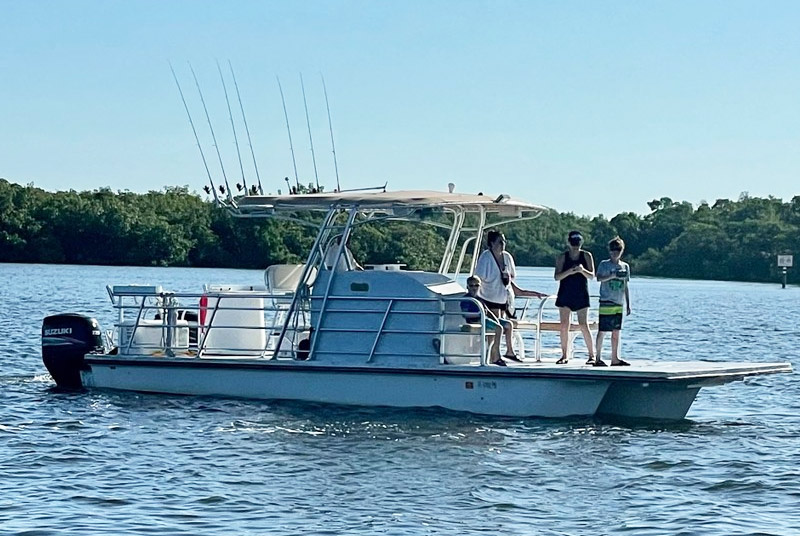
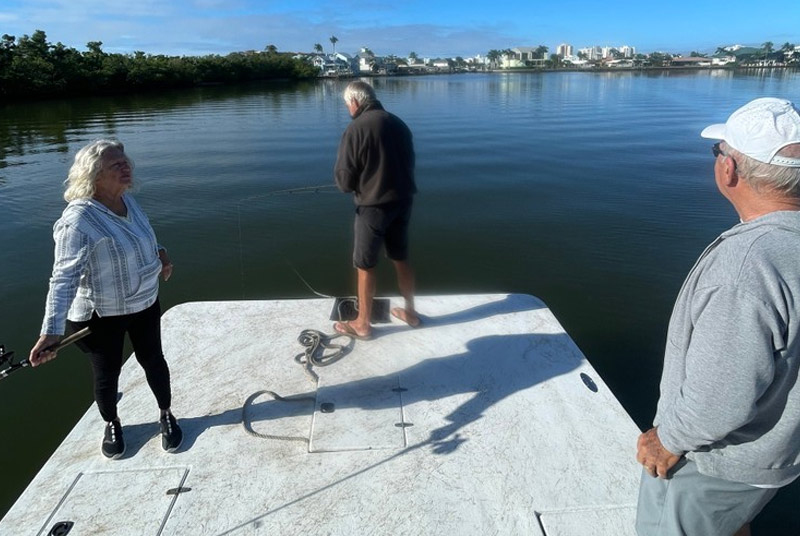
Naturalist-led outings can add a whole new layer to shelling because a trained guide can help distinguish an empty shell from a living resident, point out habitat clues, and explain why a certain beach is rich with particular species. On Good Time Charters outings, guests often find that the best part is not merely what they bring home, but what they finally understand about the water around them.
Clean and Display Your Finds Thoughtfully
Once you have confirmed your shells are empty and legally collected, rinse them gently with fresh water. Avoid harsh chemicals, especially if you are cleaning them near drains, docks, or waterways. For most beach finds, a soak in fresh water and a soft brush are enough to remove sand and residue.
Labeling shells with the date and beach or island where you found them can make a small collection far more meaningful. It also gives you a reason to learn the names of your favorites. Was that a lettered olive, a fighting conch, a scallop, or a moon snail? The answer turns a pretty object into a real memory of the coast.
The finest shelling souvenir is a beach that still feels alive when someone else arrives tomorrow. Take a few empty treasures, leave living creatures and protected places undisturbed, and let every tide keep doing its remarkable work.