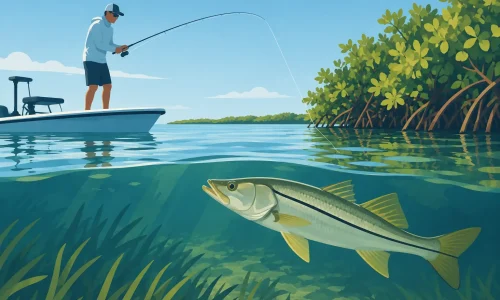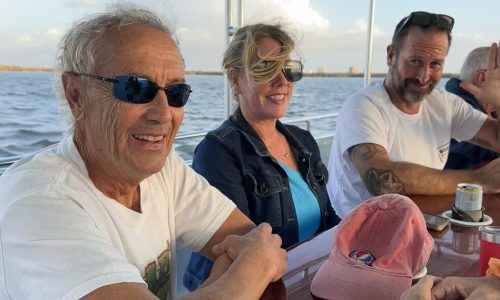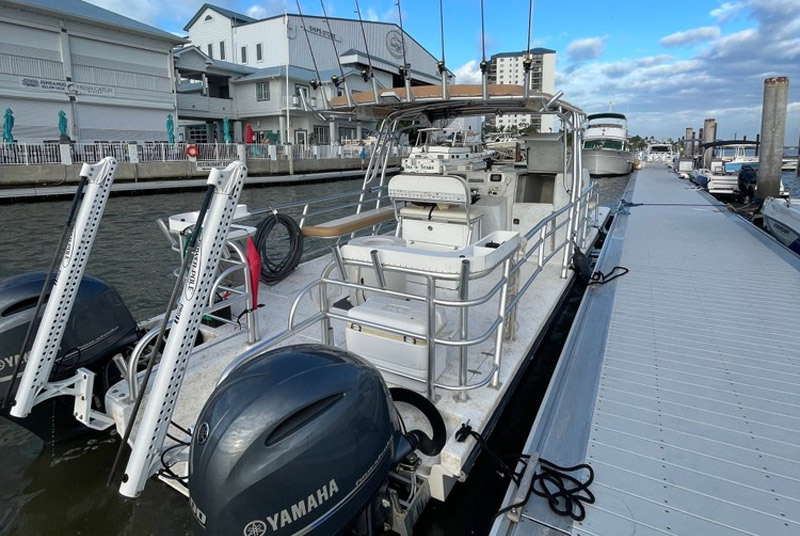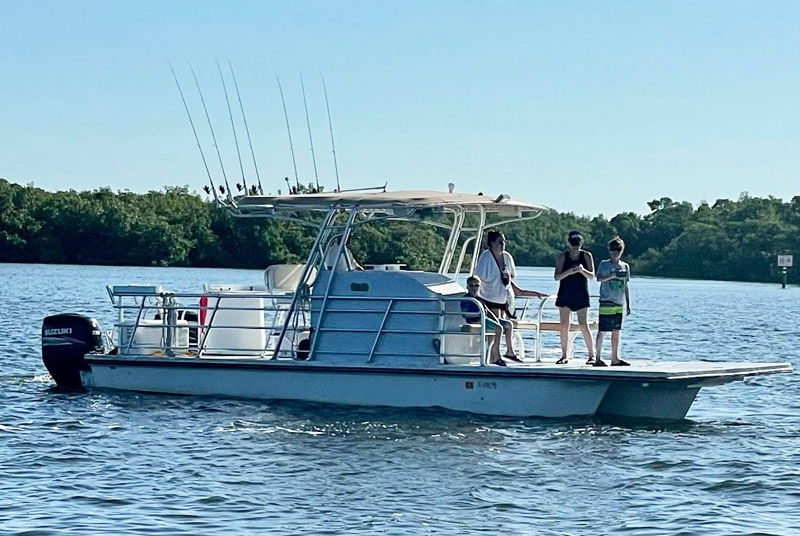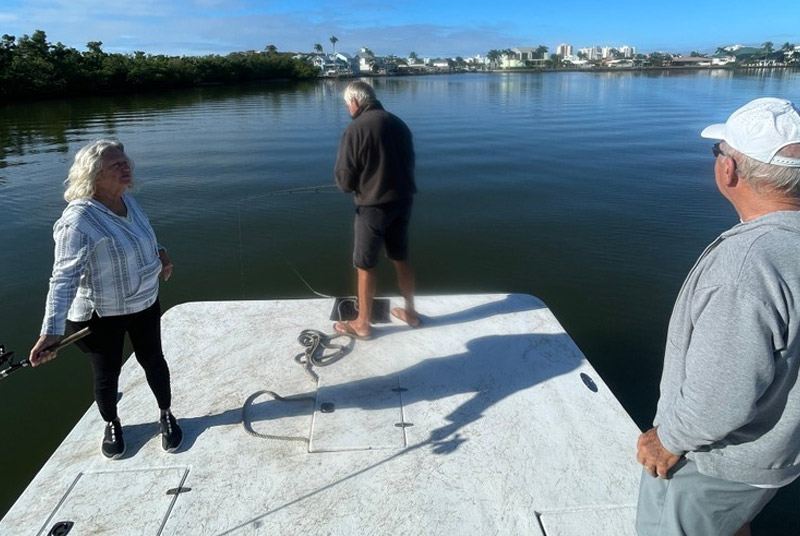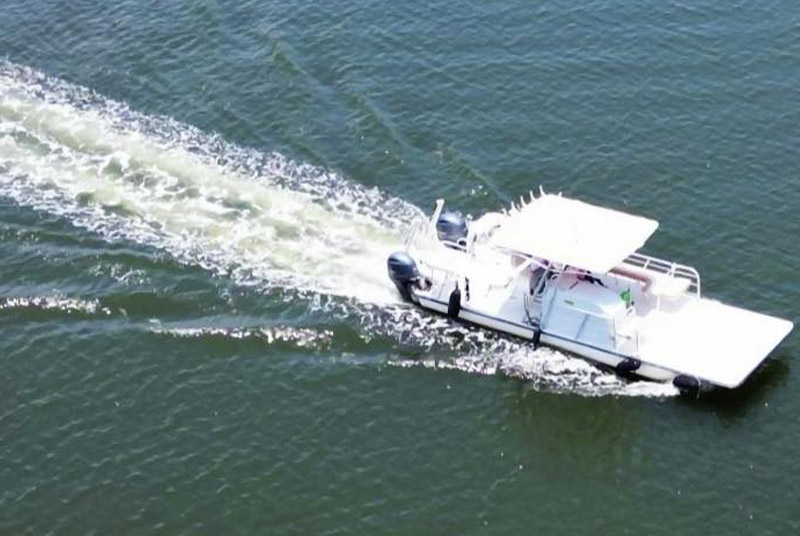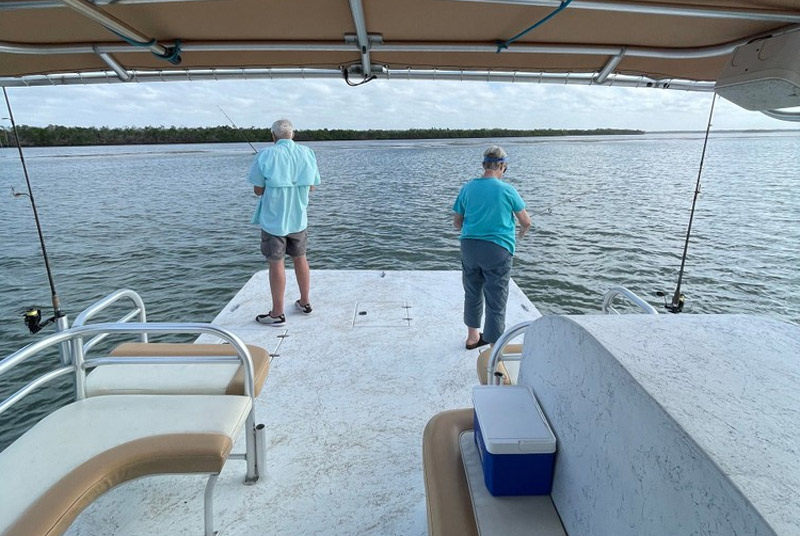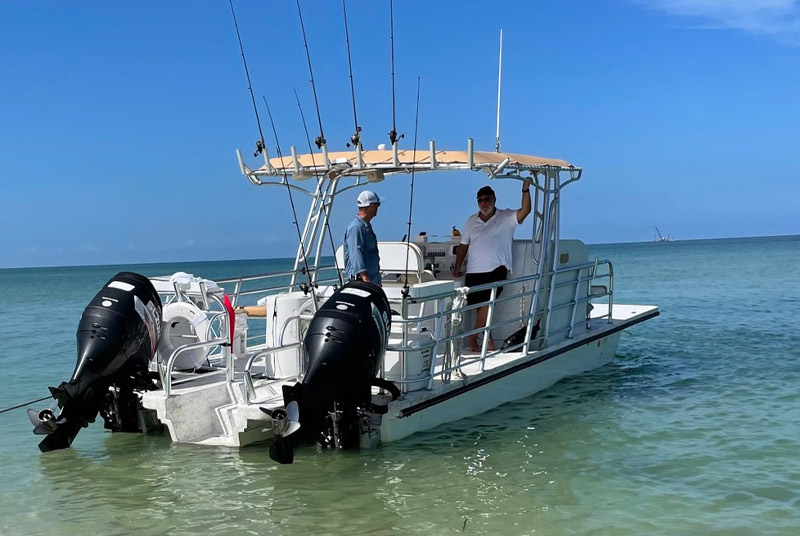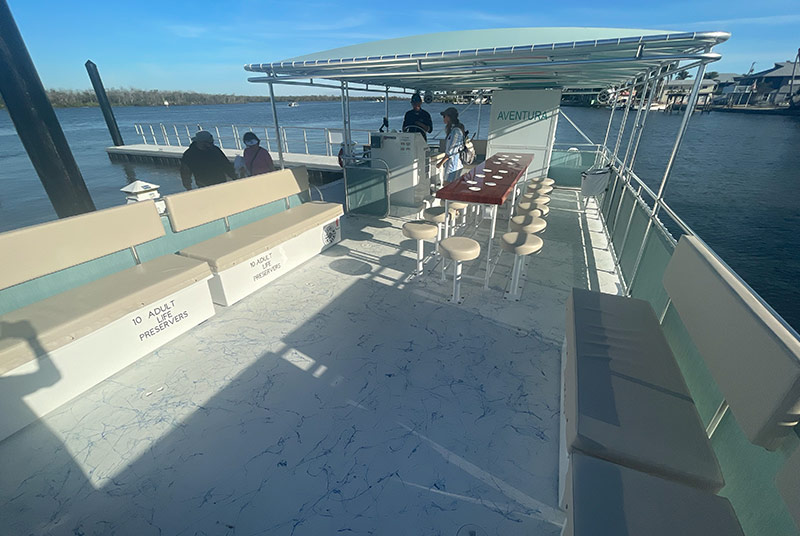
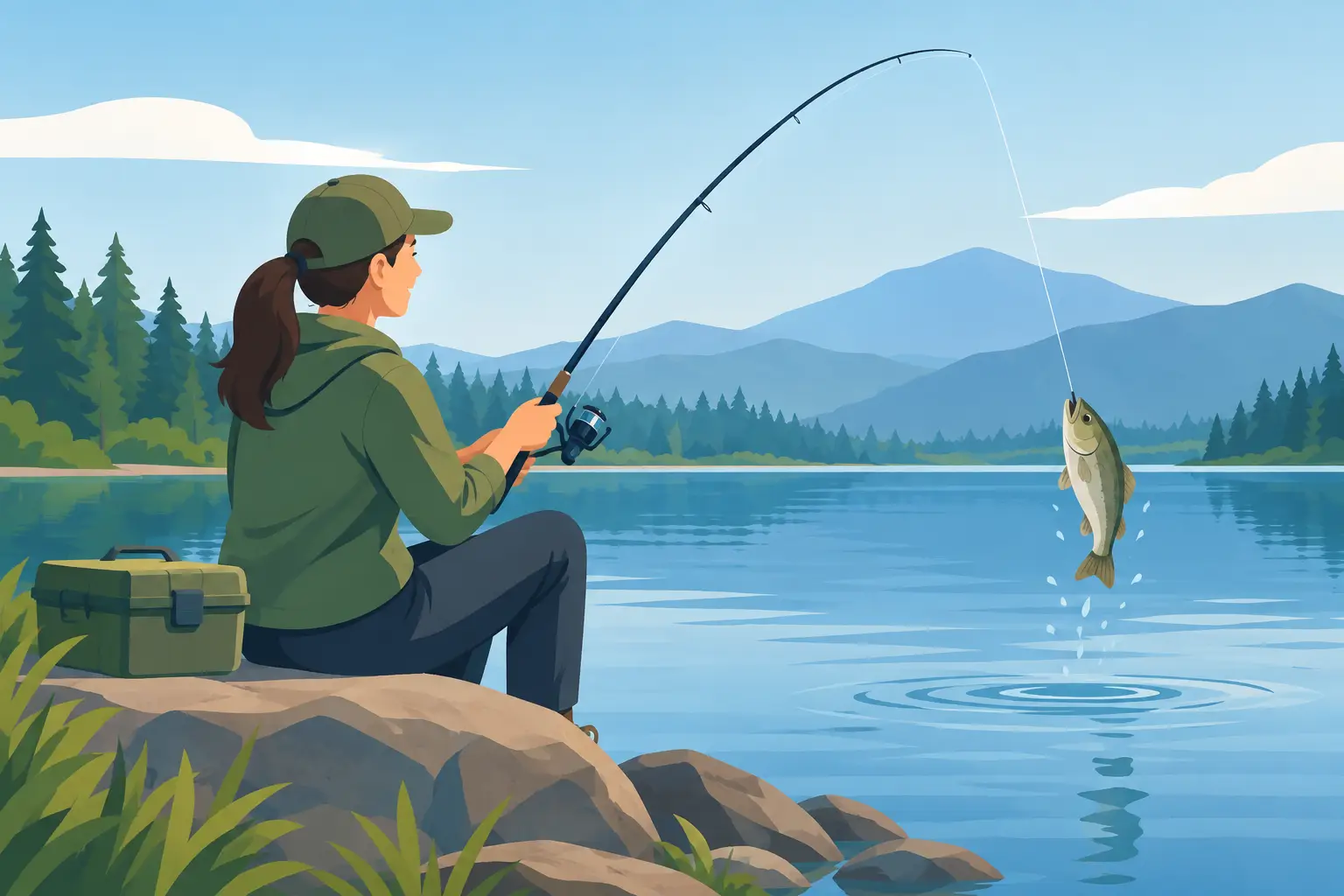
A first bend in the rod has a way of making a vacation feel very real. First time angler results can mean landing a fish, of course, but they can also mean learning how to feel a bite, spotting a diving osprey, and realizing that the quiet mangroves are anything but quiet beneath the surface.
For beginners, a guided fishing charter takes the guesswork out of a sport that has plenty of moving parts. You do not need to arrive knowing knots, tides, tackle, or fish identification. You do need to arrive ready to listen, stay curious, and enjoy the fact that fishing has a mind of its own.
What First Time Angler Results Really Look Like
The honest answer is that results vary. Fish do not read vacation schedules, and even the best captain cannot order up a redfish at 10:15 a.m. Weather, water temperature, tides, season, wind, and recent rainfall all influence where fish feed and how willing they are to bite.
That is not bad news. It is part of what makes a professionally guided trip valuable. A local captain reads the conditions, changes locations when needed, selects the right bait, and adjusts the approach instead of having guests cast hopefully into the same patch of water all morning.
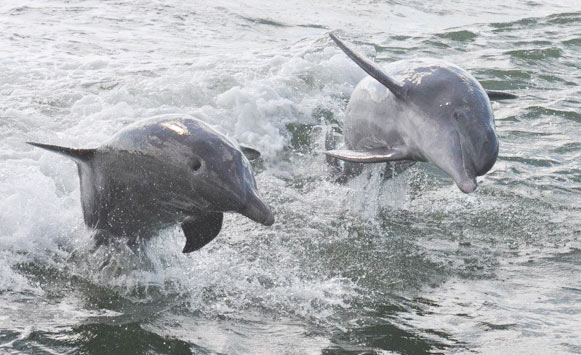
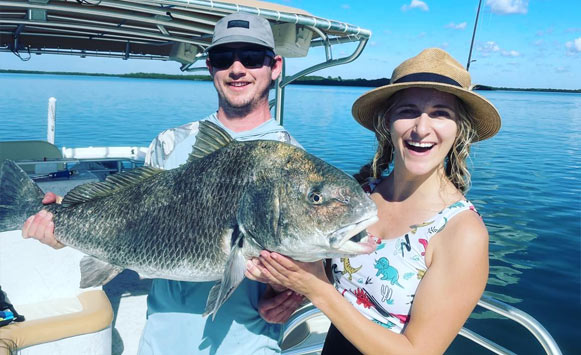
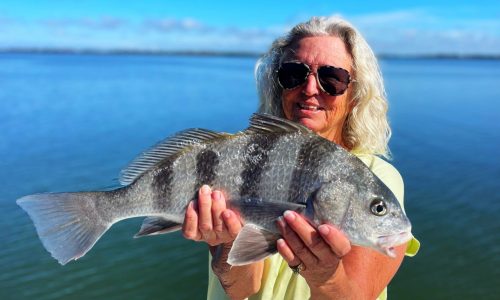
A successful first trip might include several bites and one memorable catch. It might include a busy stretch of catching smaller fish followed by a surprise larger one. On another day, the water may be quiet, but the wildlife show is outstanding: dolphins surfacing nearby, herons working the shoreline, or a manatee gliding through a calm backwater channel.
The best first time angler results are measured in confidence. By the end of the trip, most newcomers know what a strike feels like, how to hold a rod comfortably, and why the captain chose a particular shoreline or grass flat. That knowledge stays with you long after the fish story gets a little taller.
Why Guided Backwater Fishing Helps Beginners
Backwater fishing around Fort Myers Beach is a friendly place to start because the protected waters are generally calmer than offshore seas. You are not heading miles into open water or trying to muscle huge tackle all day. Instead, the experience is often active, scenic, and manageable for families, couples, and small private groups.
On a private charter, the captain can tailor the pace to the people on board. A family with young children may benefit from frequent action, shorter runs between spots, and plenty of encouragement. Adults who want to learn more may enjoy hearing how tides move baitfish or why mangrove shorelines are nurseries for so many coastal species.
That personal attention matters. Beginners do not need to feel rushed or embarrassed about asking basic questions. How do I cast? What am I looking for? Did that fish just take the bait, or did I hit the bottom? Those are exactly the questions a good guide expects to answer.
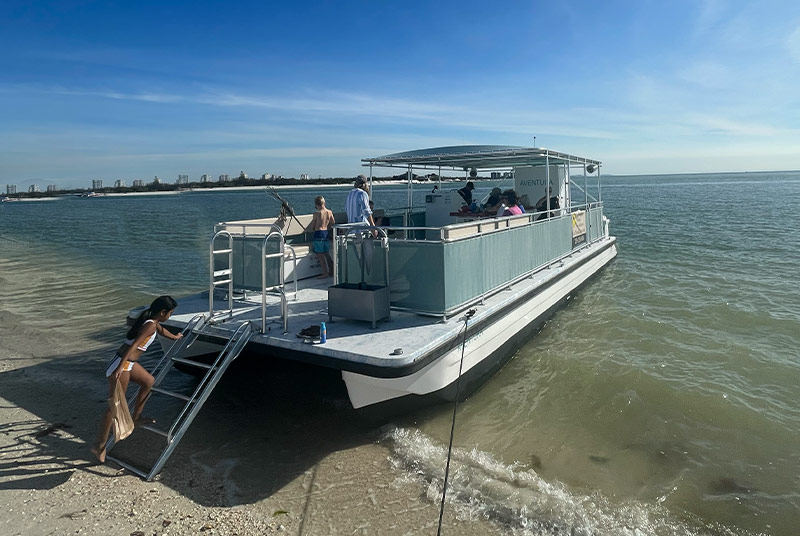
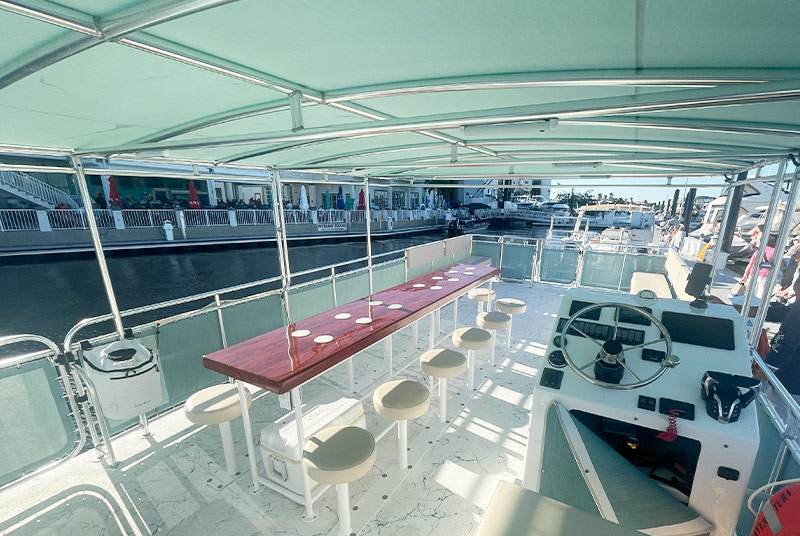
At Good Time Charters, fishing trips are private for up to six guests, which keeps the experience focused on your group rather than a crowd of strangers waiting for a turn at the rail. It also leaves room for the kind of nature interpretation that makes Southwest Florida waters more interesting than a simple scoreboard.
The Variables That Affect Your Catch
Tide often sets the table
Moving water tends to create feeding opportunities. As tides rise or fall, baitfish and crustaceans move through passes, around mangrove edges, and across shallow flats. Predatory fish follow the food. A captain plans around these patterns, but the precise timing can shift from day to day.
Season changes the cast of characters
Florida fishing is not one-size-fits-all. Certain species are more common or more active during different seasons, and regulations can change as well. Depending on the time of year and conditions, anglers may encounter snook, redfish, seatrout, mangrove snapper, jacks, ladyfish, or other coastal regulars.
Some fish make terrific first catches because they are plentiful and put up a lively fight. Others are exciting precisely because they are less predictable. Your captain should explain what is realistically available that day rather than promising a particular species before seeing the water.
Weather can help, hinder, or simply change the plan
A bright, calm morning can be beautiful, but fish sometimes prefer a little cloud cover or a light chop. Wind may limit access to exposed areas while making protected creeks and bays even more appealing. Summer heat can change the most productive hours, and winter cold fronts can make fish more selective.
A flexible plan is not a compromise. It is good fishing. The captain who adapts to conditions is giving first-time anglers a better chance at genuine action and a more comfortable day on the water.
How to Give Yourself a Better First Trip
You do not need a shopping cart full of fishing gear. In fact, showing up with an open mind is more useful than showing up with complicated equipment you have never used. Your guide will typically provide the setup and instruction needed for the trip, though it is smart to confirm what is included when booking.
Wear lightweight clothing that can handle sun and a little splash. Bring polarized sunglasses if you have them, sunscreen, a hat, water, and any snacks your group may want. Soft-soled shoes are a sensible choice on a boat. If motion sickness is a concern, address it before departure, especially if anyone in your party is unsure how they handle time on the water.
Once fishing begins, focus on the basics. Keep a relaxed grip on the rod, watch the line, and let the captain know when something feels different. A bite is not always a dramatic yank. Sometimes it is a tiny tap, a slight weight, or line moving in a direction it should not be moving. The more attention you give those small signals, the faster you learn.
When a fish bites, resist the urge to crank the reel as fast as possible. Follow the captain’s instructions, keep steady pressure, and enjoy the tug-of-war. There is no bonus prize for looking cool. A little laughter, a little chaos, and one person asking, “Is it still on?” are standard first-trip conditions.
Set Expectations for Your Group Before You Board
The quickest route to disappointment is treating a fishing charter like a guaranteed catch menu. The better approach is to see it as a guided outdoor experience with real opportunities and real variables. Everyone can participate, but not everyone will catch the largest fish of the day. That is normal.
For families, consider what will make the outing enjoyable beyond fishing. Kids often love seeing dolphins, pelicans, and mangrove islands as much as holding a rod. For couples, the shared experience of learning something new together can be more memorable than competing over who caught more. For friend groups, agree early on whether the mood is serious fishing, relaxed sightseeing with rods, or a little of both.
A knowledgeable crew can help the day feel rewarding even when the bite is selective. Learning about the Estero Bay ecosystem, identifying birds, and seeing how tides shape the shoreline add depth to the trip. Fish are part of the story, not the only chapter.
The Catch Is Only Part of the Memory
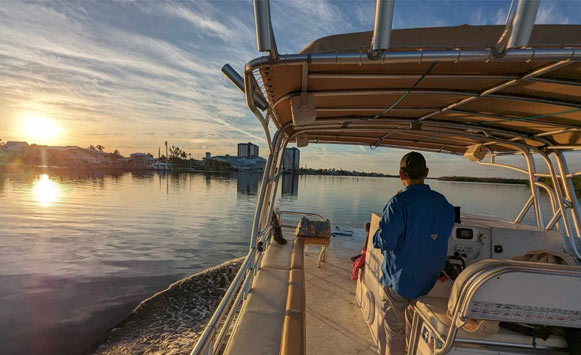
First-time fishing is wonderfully unpredictable. A child may catch the first fish of the day. The quietest person in the group may land the feistiest one. Or the moment everyone remembers may be a dolphin surfacing in the distance while the lines are out and the water turns gold in the afternoon light.
Bring your patience, ask questions, and let the captain guide the plan. If a fish grabs your line, you will be ready. If the day delivers something different, you may discover that the best first time angler results are not always measured at the end of the rod.