The best backwater fishing days rarely begin with a dramatic offshore run. They begin quietly: a moving tide around mangrove roots, a nervous school of baitfish near a grass flat, and the sudden thump of a fish that knew you were there before you knew it was nearby. This backwater fishing guide is built for anglers who want more than random casts and crossed fingers in Southwest Florida’s coastal shallows.
Backwater fishing is approachable, exciting, and full of surprises. It can also be humbling. Tides, wind, water temperature, boat traffic, and the season all affect where fish feed. A little local knowledge turns that mystery into the fun part of the day.
What Counts as Backwater Fishing?
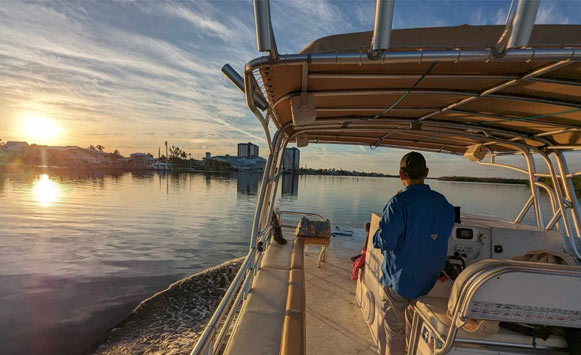
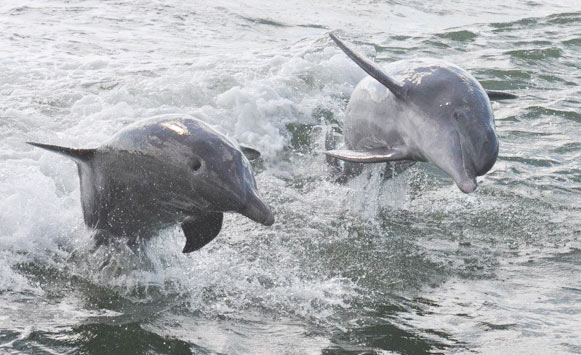
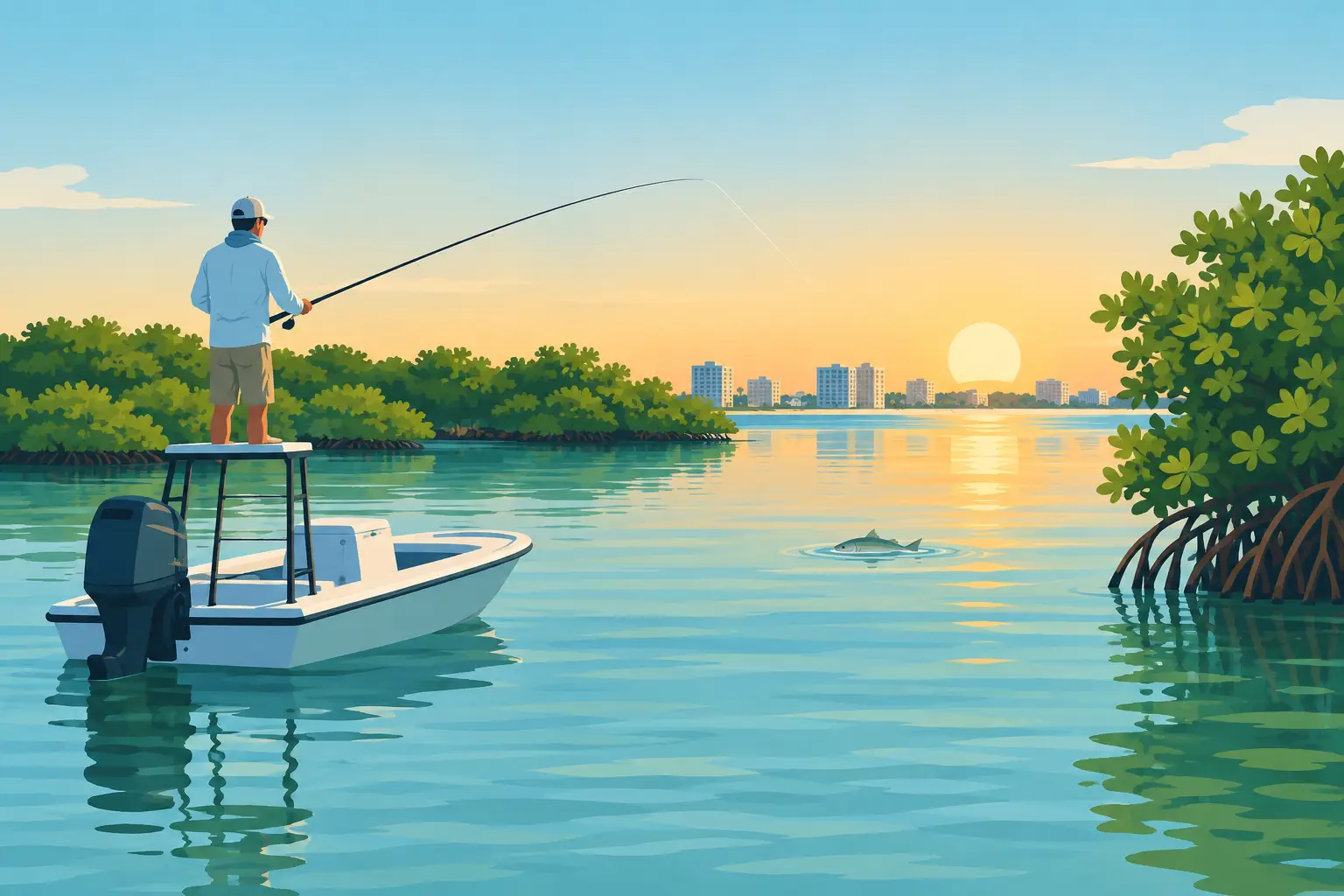
Backwater fishing takes place in protected inshore waters rather than the open Gulf. Think mangrove shorelines, tidal creeks, grass flats, oyster bars, passes, and calm bays. Around Fort Myers Beach and Estero Bay, these habitats create a productive nursery for baitfish, crustaceans, birds, dolphins, and the sport fish anglers come to meet.
The water is often calmer than offshore seas, which makes it a great fit for families, first-time anglers, and anyone who would rather spend the day casting than white-knuckling a long ride. Calm does not mean boring. A redfish pushing water along a shoreline or a snook exploding on a live bait beside a mangrove can make a very convincing argument for shallow water.
Backwater fishing also rewards observation. Pelicans diving can point to bait. Egrets stalking a shoreline may reveal a productive flat. A tide line carrying leaves and tiny baitfish can be a dinner bell for larger predators. The scenery is part of the fishing, not just what you pass on the way there.
Read the Water Before You Cast
A good cast helps. A cast placed where fish are likely feeding helps much more.
Tides move the menu
Tides are the engine of the backcountry. Moving water carries baitfish, shrimp, and crabs through channels and along mangrove edges. Predators position themselves where they can feed efficiently, often near points, creek mouths, cuts in the shoreline, and the down-current side of structure.
An incoming tide can allow fish to move farther onto shallow flats and into mangrove pockets. An outgoing tide may concentrate bait as water drains from those same areas. Neither is automatically better. The productive choice depends on the spot, the species, and how much water is moving. Slack tide can be slower, but it is still useful for traveling to a new area, looking for fish, or working deeper holes.
Wind changes the plan
Wind affects water clarity, boat control, and comfort. A breezy day may make exposed flats choppy, while protected mangrove shorelines remain pleasantly fishable. Wind can also stack bait against one bank or make a particular side of an island muddy. Your captain may change the route several times based on conditions. That is not indecision. That is a fishing plan responding to what the water is actually doing.
Watch for life, not just landmarks
A beautiful shoreline is not always a feeding shoreline. Look for signs of activity: mullet jumping, bait flickering at the surface, wakes moving across a flat, feeding birds, or a swirl tucked tight to the mangroves. In clear water, shadows can reveal cruising redfish or snook. In darker water, sound and movement become more valuable clues.
The Backwater Fish Worth Looking For
Florida backwaters hold a changing cast of characters, but three species are especially popular with visiting anglers.
Snook
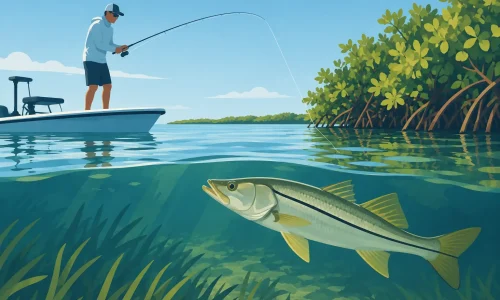
Snook are ambush predators with a talent for making mangrove branches, dock pilings, and bridge shadows look like five-star restaurants. They are powerful, quick, and often found around structure with moving water. A snook bite can be memorable, but seasons and harvest regulations change, so a knowledgeable captain will keep the day within current rules.
Redfish
Redfish are often found cruising shallow flats, working oyster edges, and rooting around mangrove shorelines for crabs and shrimp. Their coppery color and distinctive tail spot make them a favorite for photos, especially in clear, skinny water. They can be surprisingly close to shore, which means quiet approaches and accurate casts matter.
Spotted seatrout
Spotted seatrout commonly use grass flats, potholes, and deeper edges near shallow feeding areas. They are an excellent species for newer anglers because they can be willing biters when conditions line up. That said, trout are not automatic. Extremely cold water, intense heat, or poor water clarity can send them looking for more comfortable conditions.
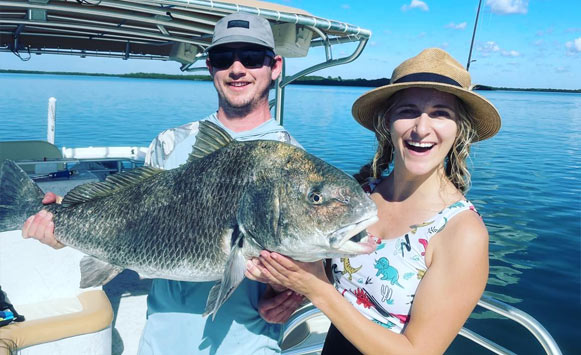
Depending on the season and location, anglers may also encounter mangrove snapper, sheepshead, jack crevalle, ladyfish, Spanish mackerel, flounder, and occasional surprise visitors. The surprise is part of the deal. A fishing rod does not know whether the next pull is a trophy target or a hard-fighting jack with places to be.
Keep Gear Simple and Effective
For most backwater trips, medium-light spinning tackle is the workhorse. It offers enough sensitivity to feel a subtle bite while still having the backbone to turn a fish away from mangrove roots. Light tackle makes ordinary fish feel exciting, but it must be balanced with enough strength for the habitat. A large snook will happily introduce flimsy line to every sharp branch in the neighborhood.
Live shrimp, small baitfish, and artificial lures all have a place. Live bait is often a friendly choice for beginners because it looks and moves naturally. Soft plastics, paddletails, jigs, and topwater plugs can be especially rewarding for anglers who enjoy working a lure and feeling the strike. The best bait is not always the fanciest one. It is the one that matches what fish are feeding on and can be presented naturally in the conditions.
On a guided trip, quality rods, reels, bait, licenses, and tackle are typically handled for you. Ask what is included when booking, especially if you are bringing children or have a particular species in mind. You can spend less time sorting gear and more time paying attention when the water starts talking.
Why a Local Backwater Fishing Guide Changes the Day
GPS can show channels. It cannot tell you which mangrove point has bait on the current tide, which flat got muddy after yesterday’s wind, or when a passing dolphin pod is likely to scatter the fish. Local experience matters because backwater conditions shift constantly.
A skilled guide handles the practical side: safe navigation through shallow water, tide timing, current regulations, knots, bait, casting guidance, and fish handling. Just as valuable, a naturalist-minded captain can explain why a certain shoreline holds fish, how oyster reefs protect the coast, and what the birds overhead are doing. You are not simply being pointed toward a rod holder.
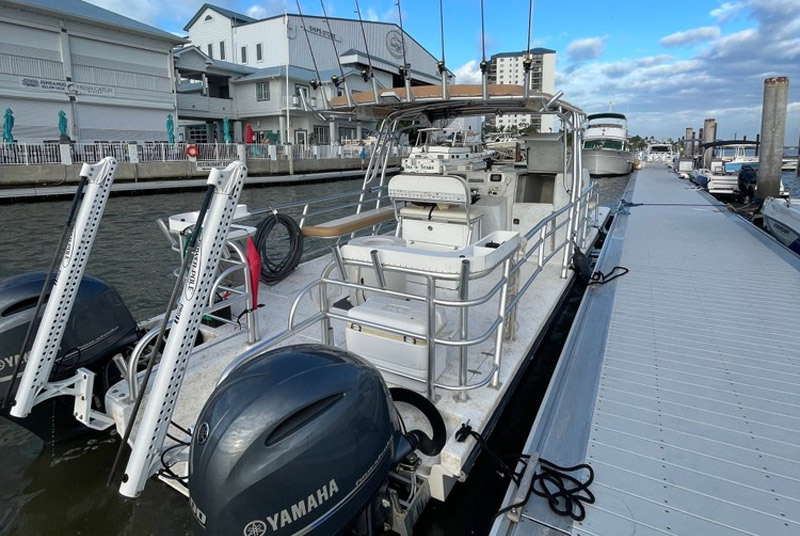
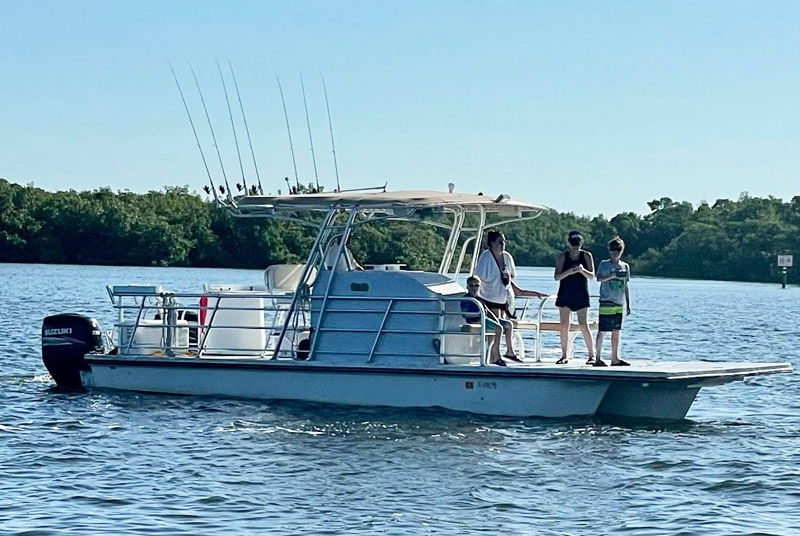
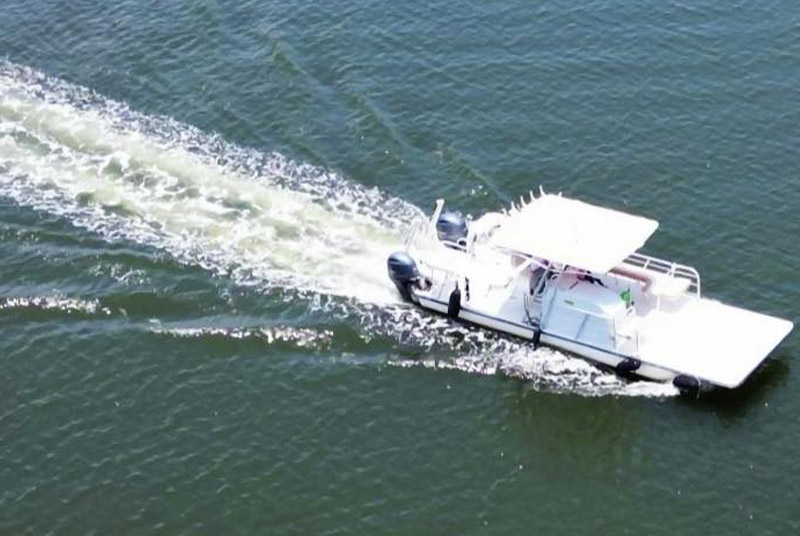
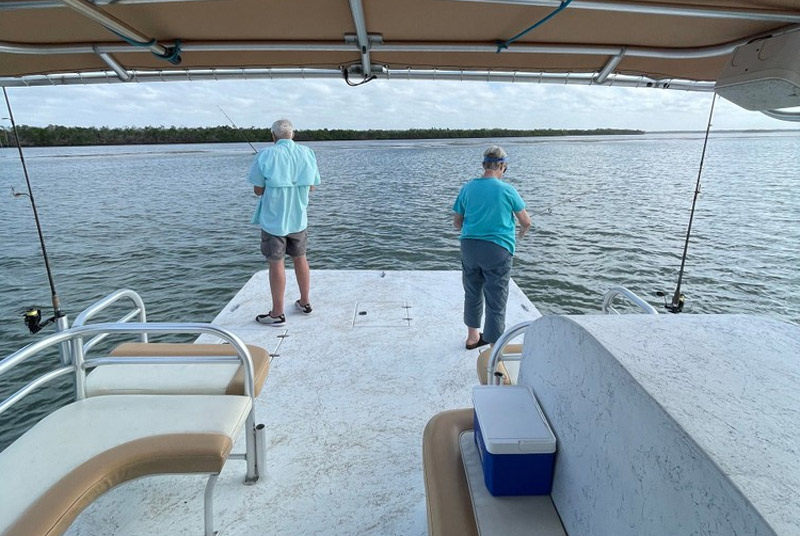
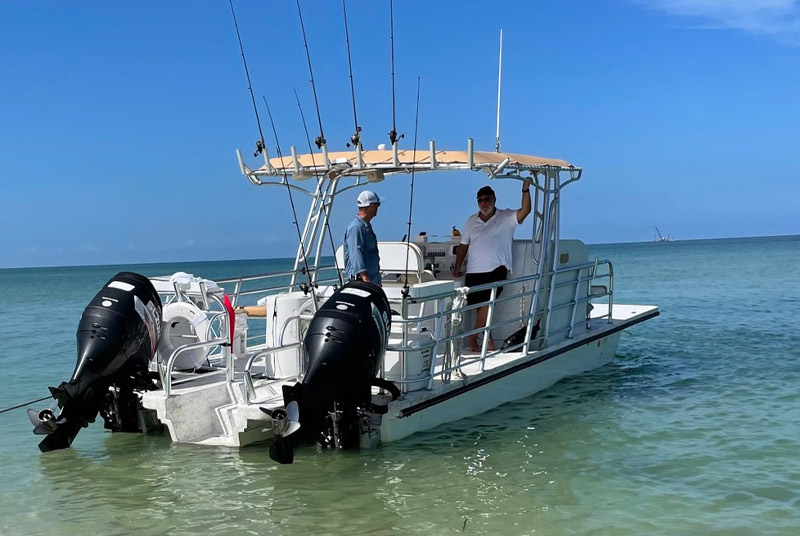
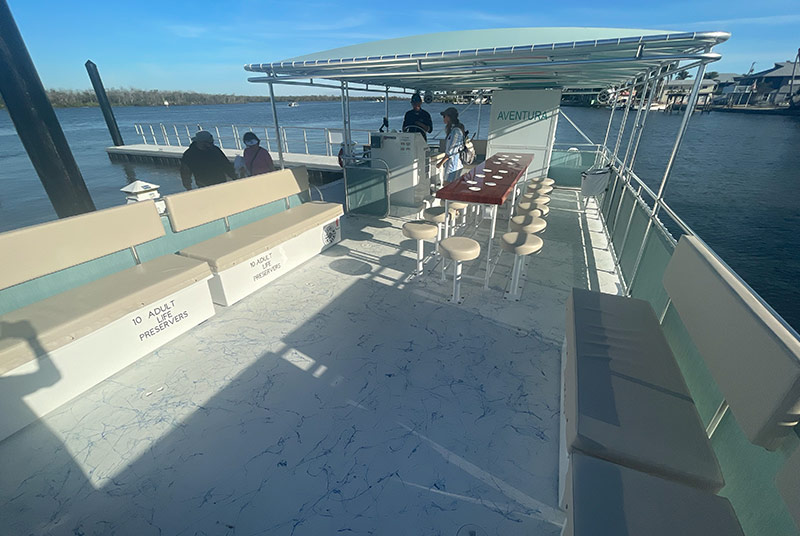
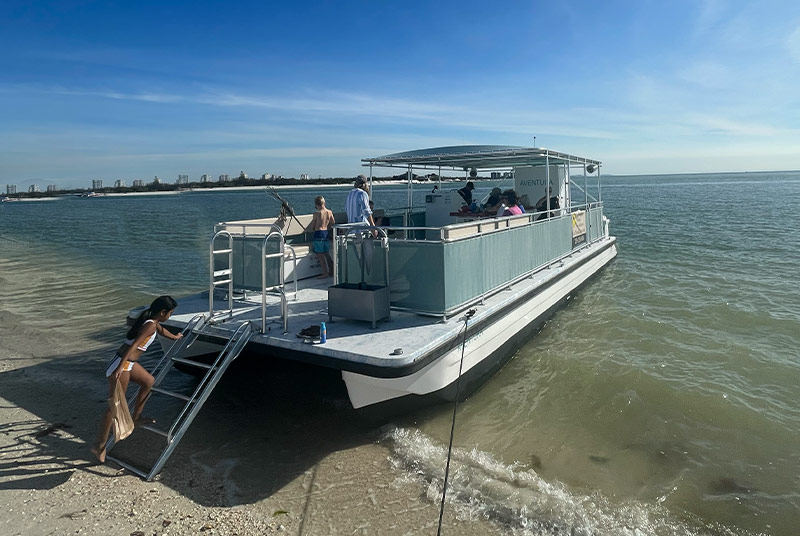
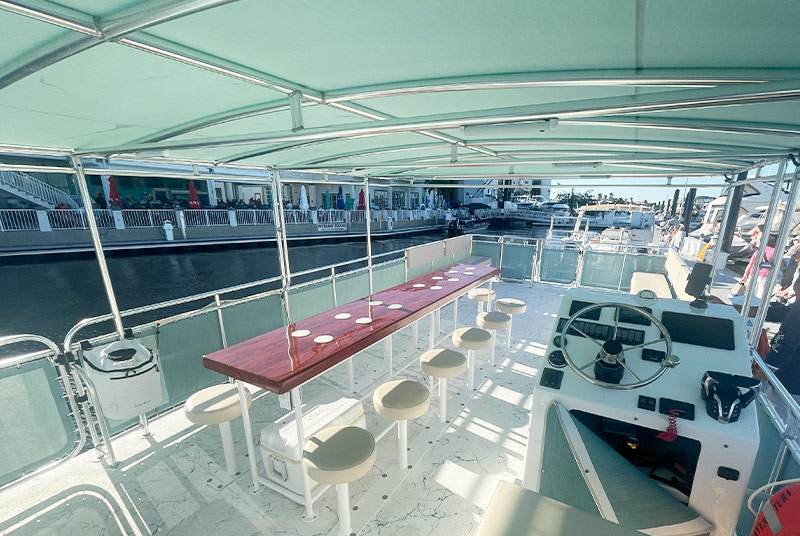
At Good Time Charters, private fishing trips are designed for up to six guests on a dedicated fishing cat, which keeps the experience personal and comfortable. That smaller setup works well for families, couples, and friend groups who want room to ask questions, celebrate catches, and enjoy the surrounding wildlife without feeling like part of a crowd.
A guide also knows when to adjust expectations. If the snook are stubborn, switching to trout, snapper, or jacks can keep rods bending. A successful day is not measured only by one specific fish. It is measured by good opportunities, smart decisions, safe boating, and a few stories worth retelling over dinner.
A Few Habits That Make You a Better Backwater Angler
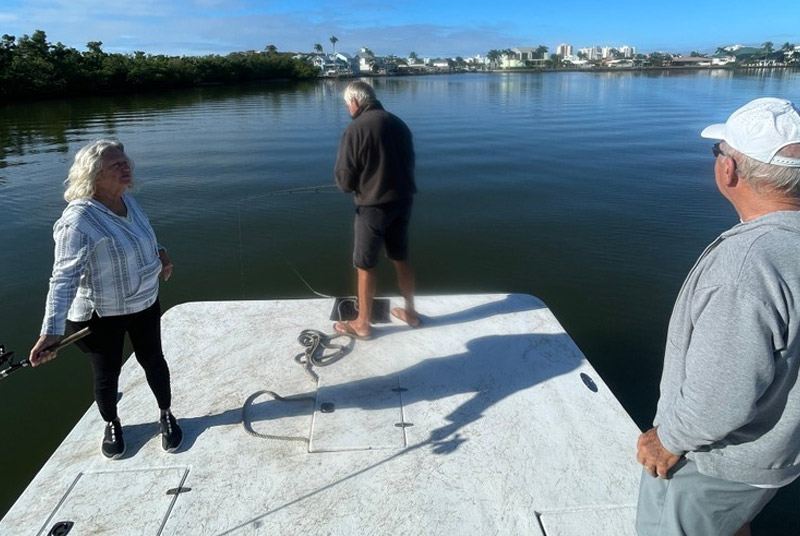
Backwater fishing favors patience, but not passivity. Make your cast before the boat drifts too close. Let a bait settle naturally instead of constantly reeling it out of the strike zone. Keep slack out of the line so you can feel a bite, and set the hook with a firm, controlled motion rather than a wild overhead swing.
When a fish eats near structure, keep steady pressure and follow your captain’s direction. Trying to horse every fish in can lead to break-offs, while giving too much line can let it wrap around a barnacle-covered root. There is a happy middle ground, and you will find it faster if you listen.
Respecting the habitat is part of the experience. Avoid tossing trash overboard, handle fish with wet hands when possible, and release unwanted fish promptly. Follow size, slot, and season rules exactly. These waters support both memorable vacations and a living coastal ecosystem, and they deserve careful treatment.
When to Go Backwater Fishing
Backwater fishing happens year-round, but the experience changes with the calendar. Cooler months can bring comfortable weather and strong action for species such as sheepshead, trout, and redfish. Spring often brings active bait and excellent opportunities around flats and passes. Summer mornings can be productive before afternoon heat and storms build, while fall can offer pleasant weather and hungry fish preparing for seasonal changes.
The best time of day depends on weather, tide, and the season. Early trips are often cooler and quieter, while later departures may line up better with a favorable tide. If you have flexibility, ask about current conditions rather than choosing solely by the clock. Fish have never once checked your vacation itinerary.
Bring sun protection, polarized sunglasses, water, and a light layer for breezy mornings. Wear soft-soled shoes with good grip, and leave the complicated wardrobe at the hotel. Coastal fishing is more comfortable when you can move easily, stay cool, and focus on the next cast.
The real magic of the backwaters is that every trip feels a little different. One day brings tailing redfish in inches of water; another delivers a snook strike beside a mangrove tunnel and a dolphin surfacing on the ride home. Show up curious, let the conditions shape the plan, and give the water enough time to surprise you.