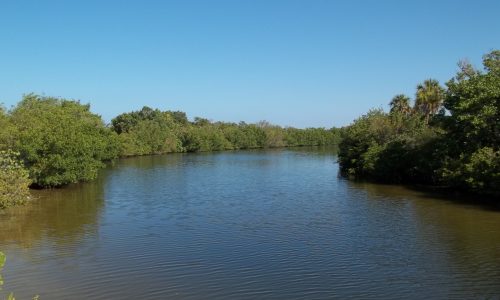
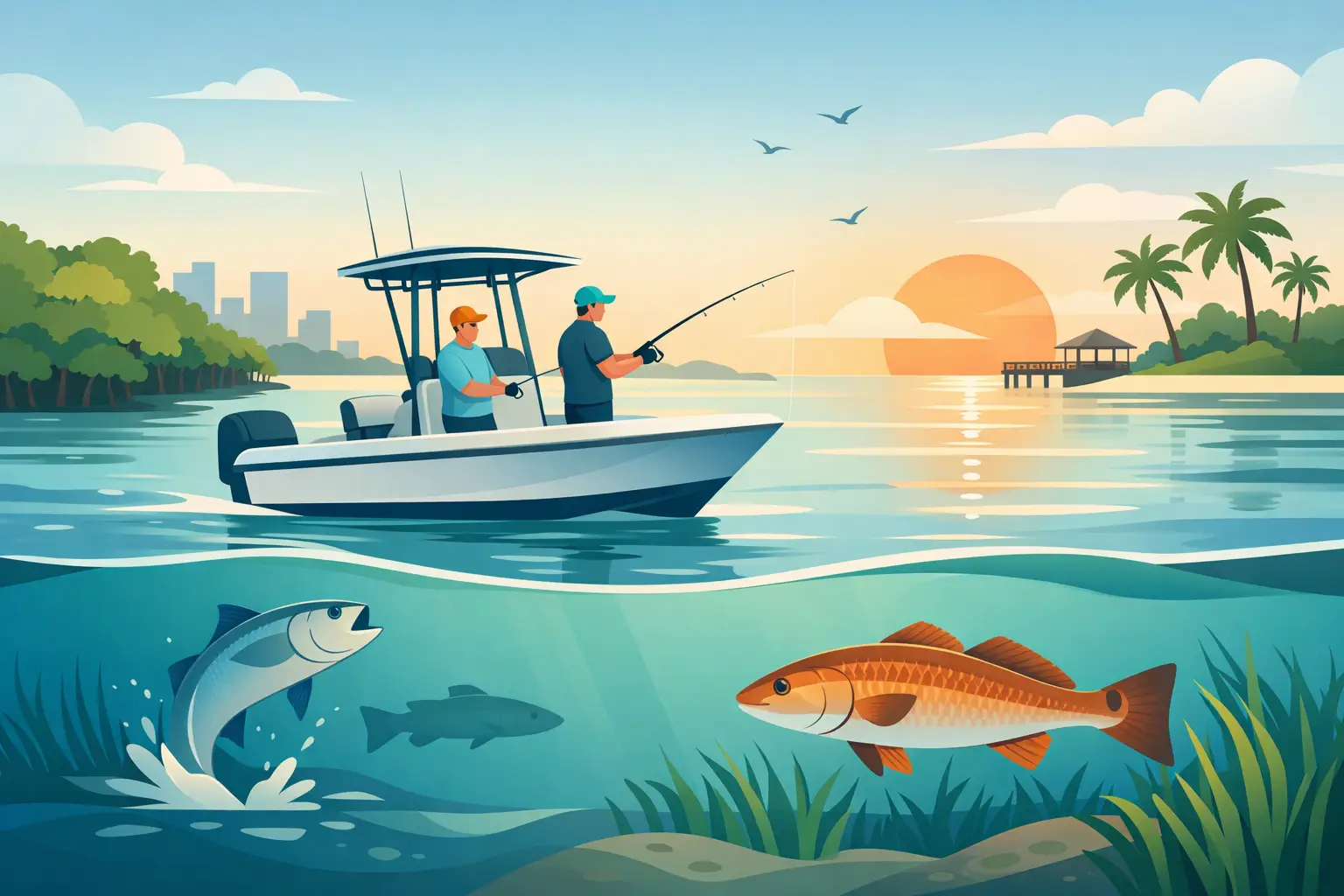
A first inshore bite often happens closer to shore than people expect: beside a mangrove edge, over a grass flat, or along a quiet channel where a pelican is watching from a marker. The best beginner inshore fishing trips make those moments feel exciting rather than intimidating. You do not need a tackle box full of mystery lures or years of casting experience. You need a patient captain, calm water, suitable gear, and enough time to learn what is happening around the boat.
For vacationing families, couples, and first-time anglers, inshore fishing is one of the most approachable ways to experience Southwest Florida’s coastal waters. It combines the fun of a potential catch with the wildlife, scenery, and easygoing pace that make a day on the bay memorable.
What Makes Inshore Fishing Ideal for First-Timers?
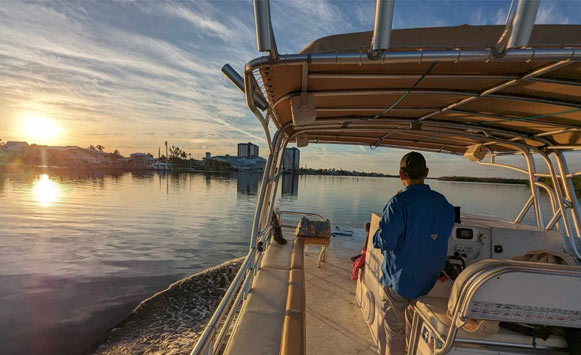
Inshore fishing takes place in protected coastal waters rather than far offshore. Think bays, passes, tidal creeks, mangrove shorelines, oyster bars, and shallow grass flats. These areas often have less boat motion than the open Gulf, which can be a major advantage for guests concerned about seasickness or traveling with children.
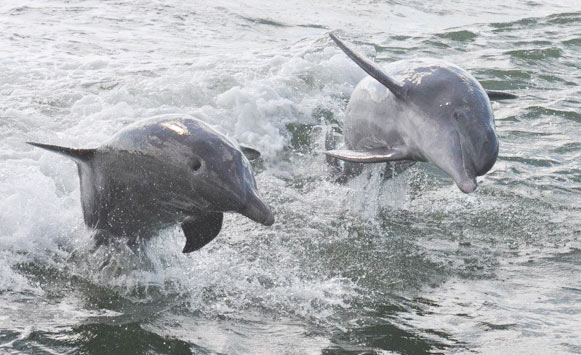
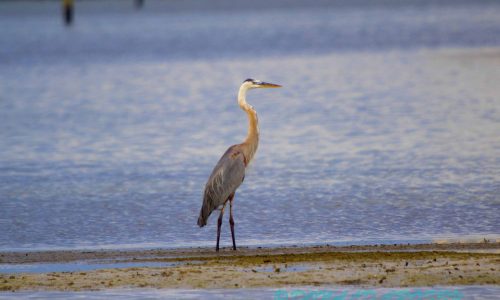
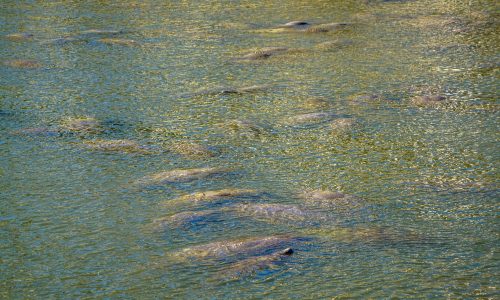
The surroundings are part of the experience. While the captain looks for moving water, baitfish, and feeding activity, anglers may see dolphins surfacing nearby, ospreys scanning the water, herons working a shoreline, or manatees in the right season and conditions. Fishing becomes a window into the Estero Bay ecosystem, not simply a race to fill a cooler.
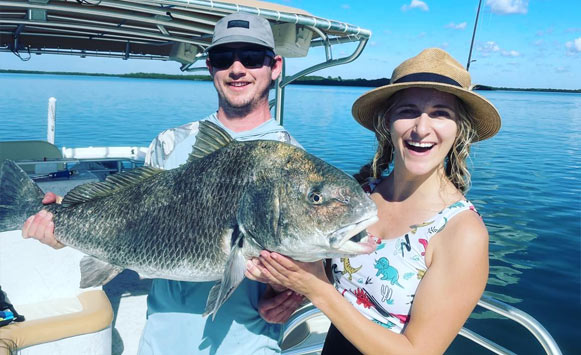
The fish themselves are another reason beginners enjoy these trips. Redfish, spotted seatrout, snook, sheepshead, mangrove snapper, jack crevalle, ladyfish, and other local species can provide active, hands-on fishing without requiring a long run offshore. What is biting changes with season, tide, water temperature, and weather, so a good captain adjusts the plan instead of forcing one technique all day.
Best Beginner Inshore Fishing Trips Start With the Right Trip Length
A half-day private charter is often the sweet spot for new anglers. It gives everyone time to get comfortable with the rod, practice a few casts, visit multiple fishing areas, and take breaks without turning the day into an endurance test. For many families, that is plenty of action and plenty of time on the water.
Shorter trips can work well for young children or travelers fitting fishing between beach plans and dinner reservations. The trade-off is simple: fewer hours means less flexibility if the tide is slow, fish move, or a first-time angler needs extra coaching. Longer trips offer more opportunity to explore changing conditions, but they are best for guests who already know they enjoy being on a boat.
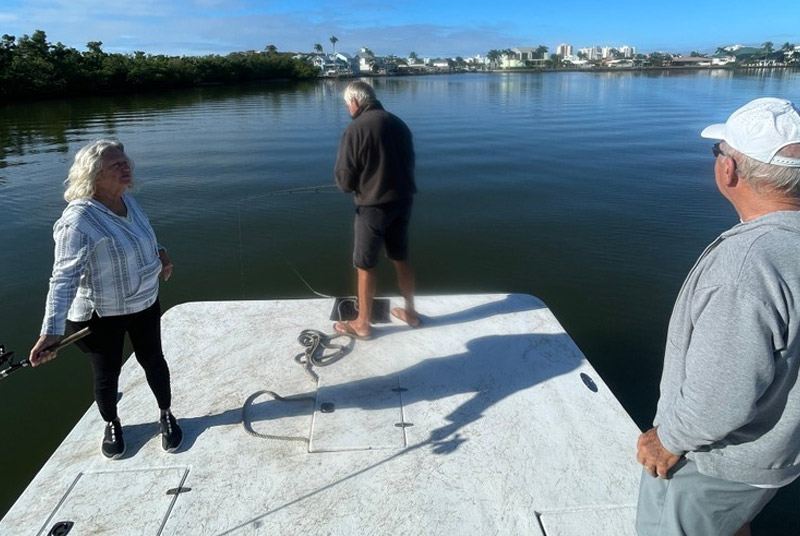
A private charter is especially helpful for beginners because the trip moves at your group’s pace. There is no pressure to keep up with experienced strangers. A captain can spend time showing a child how to hold a rod, help someone improve a cast, or shift the day toward easier, more active species when that is the best fit.
Choose Calm Water Over Big-Water Bragging Rights
For a first fishing trip, protected water is usually more valuable than dramatic distance from shore. The goal is a comfortable, confidence-building outing where guests can pay attention to the line, the birds, and the changing tide instead of battling waves.
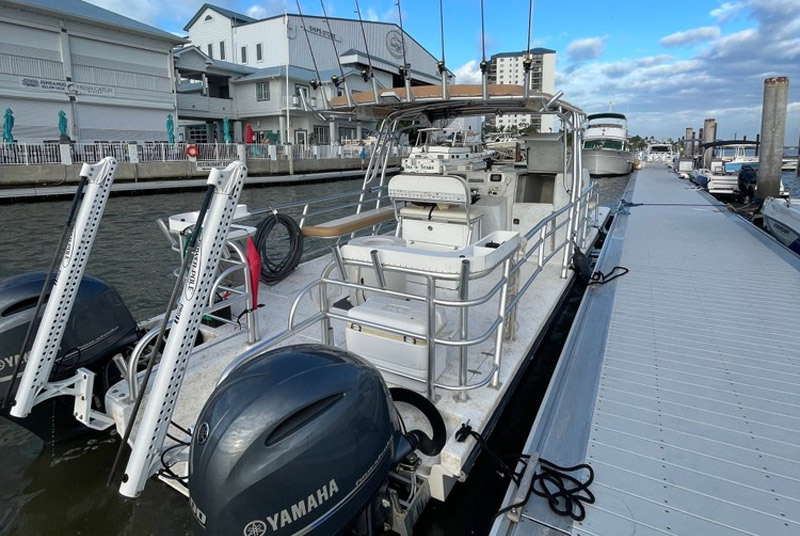
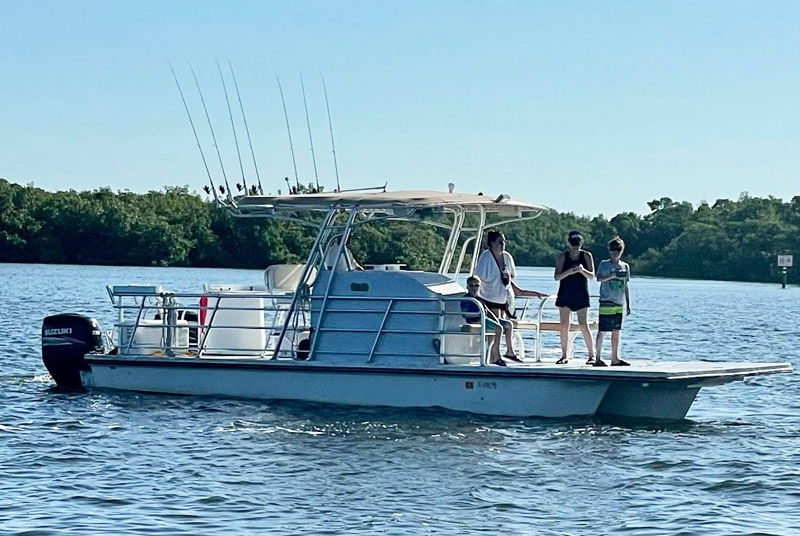
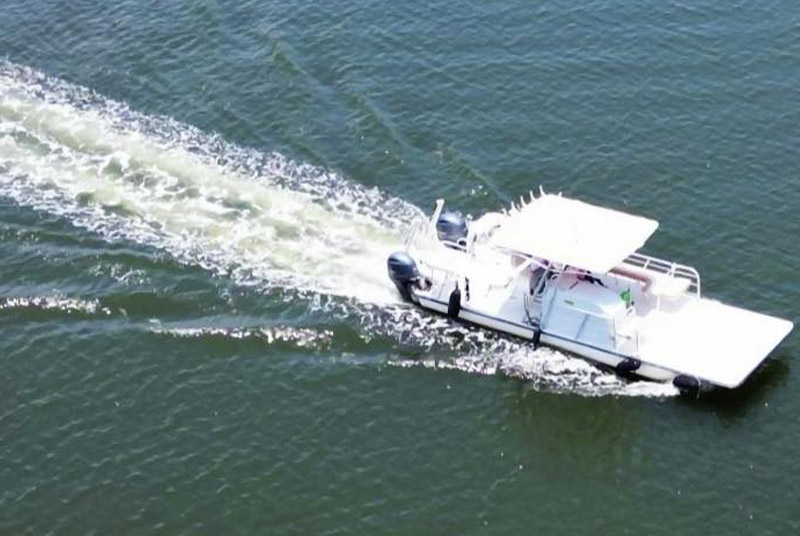
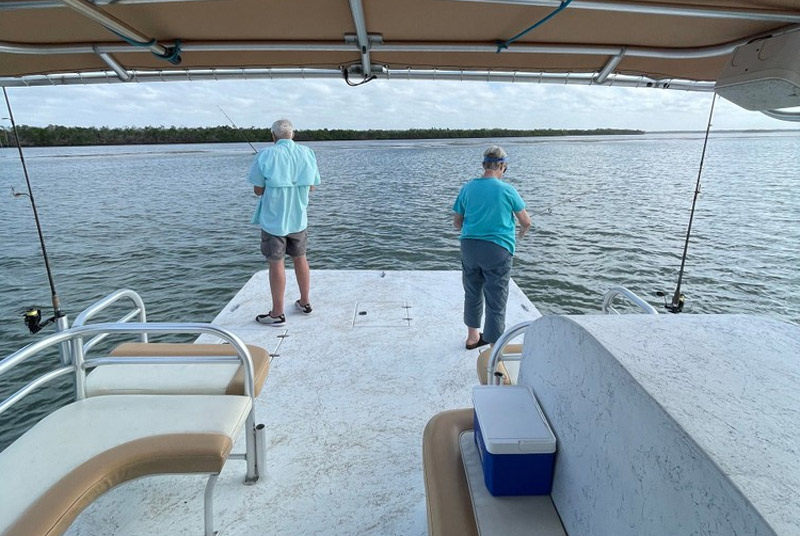
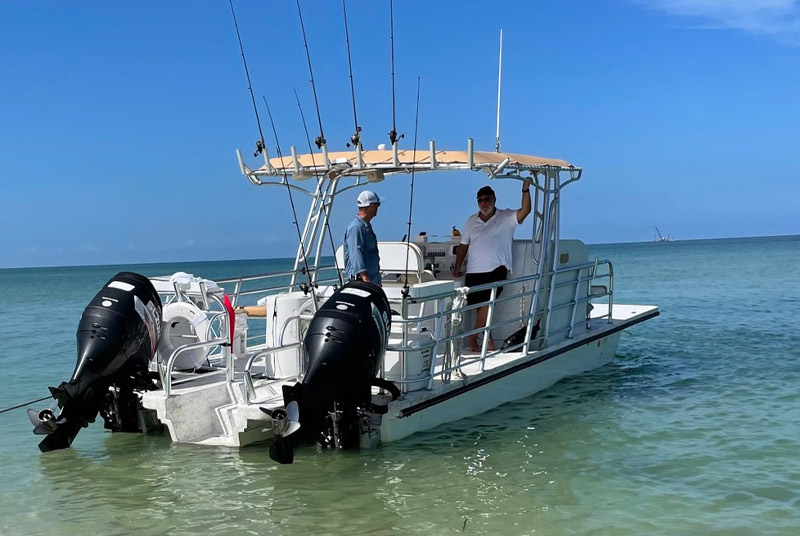
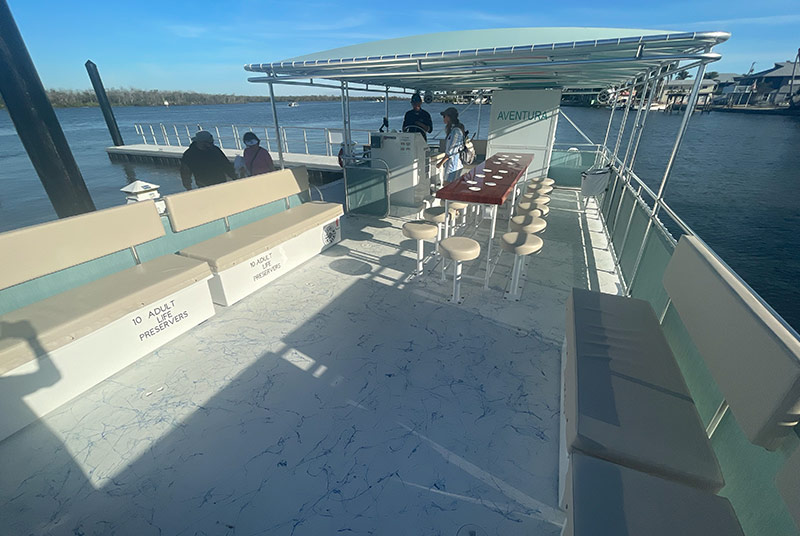
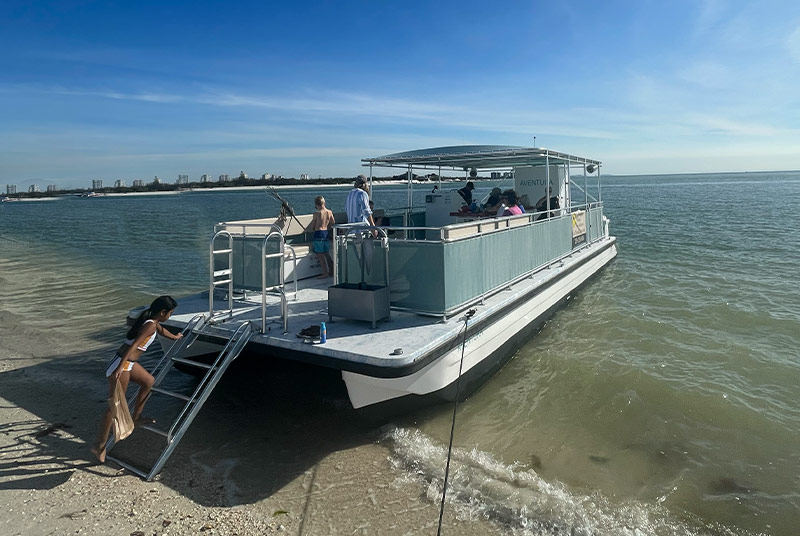
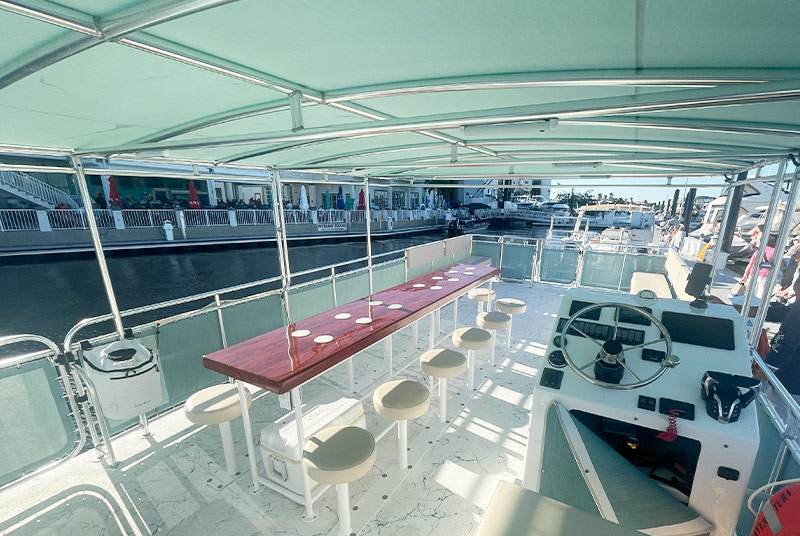
A stable fishing catamaran can make a noticeable difference, particularly for families, retirees, and anyone uncertain about boating. There is more room to move, a steadier platform for casting, and a more relaxed feel when several people are fishing together. Comfort does not guarantee fish, of course, but it gives beginners a better chance to enjoy the full experience.
Weather still matters. A responsible captain may recommend a different departure time, change the route, or reschedule if conditions are not right. That is not a disappointment in service. It is good judgment, especially when guests are new to the water.
Let the Captain Match the Technique to Your Group
Beginners do not need to arrive knowing the difference between a jig head and a circle hook. On a well-run charter, the captain supplies the appropriate rods, tackle, and bait, then explains the basics in plain language. The first lesson is usually simple: where to stand, how to hold the rod, how to cast safely, and what to do when a fish takes the bait.
Live or natural bait can be a comfortable starting point because it lets anglers focus on feeling a bite and learning how to fight a fish. Artificial lures can be fun, too, particularly for guests who enjoy casting and retrieving. Neither approach is automatically better. The right choice depends on current conditions, the target species, and how much hands-on casting the group wants.
Good instruction is calm and specific. Rather than calling out a confusing list of terms, a captain might say, “Let it sink for a moment, then bring it back slowly,” or, “Keep the rod tip up and reel when you feel pressure.” That kind of guidance helps first-timers learn quickly without feeling self-conscious.
Know What a Successful Day Really Looks Like
A memorable beginner trip is not measured only by the number of fish caught. Fish are wild, tides change, and even the most experienced local anglers have quiet stretches. The better measure is whether everyone had real opportunities, learned something useful, and enjoyed being on the water.
For some guests, the highlight is a child landing their first ladyfish. For others, it is watching a redfish cruise a shallow flat, seeing dolphins travel through a pass, or realizing how much life is hidden along a mangrove shoreline. A naturalist-minded captain can add meaning to those moments by explaining why fish gather where they do and how birds, bait, tides, and habitat are connected.
If you hope to keep fish, ask about it before the trip. Florida regulations, seasonal closures, size limits, and daily bag limits can change, and responsible captains follow them closely. Some species are best photographed and released, while others may be eligible to take home if they are within legal limits. Flexibility is part of ethical inshore fishing.
A Few Smart Preparations Make the Day Easier
You do not need much gear, but a little preparation makes a first trip more comfortable. Wear lightweight clothes that can handle sun and saltwater, along with shoes that stay secure on deck. Bring polarized sunglasses if you have them, sunscreen, a hat, and a light layer for an early or breezy departure.
Eat something before boarding and bring water, even when the morning feels mild. If you are prone to motion sickness, consider your preferred remedy in advance and follow its directions. It usually works better when taken before you feel unwell.
Most importantly, tell the captain who is new to fishing, whether anyone has mobility concerns, and what your group hopes to get from the trip. Maybe your priority is a child’s first catch. Maybe you want a relaxed private outing with wildlife sightings and a few lines in the water. Those details help shape a better day.
When to Book a Beginner Inshore Fishing Charter
Inshore fishing can be rewarding throughout the year, but every season has a different personality. Cooler months can bring comfortable weather and excellent opportunities for species such as sheepshead and trout. Warmer months often mean active early-morning fishing, abundant bait, and lively coastal conditions before the afternoon heat builds.
Tide can be more influential than the calendar. Moving water often activates bait and predators, while certain shallow areas may fish better at a particular stage of the tide. That local knowledge is one of the biggest reasons a guided trip is so valuable. Instead of studying charts and guessing where to go, beginners can learn by watching how a captain reads the water in real time.
Morning departures are popular for cooler temperatures and calmer conditions, but afternoon trips can be excellent when the tide and weather line up. It depends on the day, which is why a captain who knows these waters well is worth choosing.
The best first fishing trip should leave everyone feeling capable, curious, and ready to spend more time outside. With a private, beginner-friendly outing led by a knowledgeable local crew, Good Time Charters can turn a few simple casts into a genuine connection with the waters and wildlife of Fort Myers Beach.