A perfect shelling day often starts before you ever step onto the beach. Knowing how to plan a shelling excursion means choosing the right stretch of shoreline, watching the tide, packing lightly, and giving yourself time to look closely. The reward is more than a bag of beautiful finds. It is a chance to slow down, notice the living coastline, and see Southwest Florida from a fresh perspective.
Start With the Right Kind of Shelling Trip
Not every shelling outing looks the same. Some visitors want a relaxed beach walk with young children, where finding a few colorful coquinas and cockle shells feels like a major win. Others hope to reach a remote island shoreline, search for larger unbroken shells, and learn how each one fits into the coastal ecosystem.
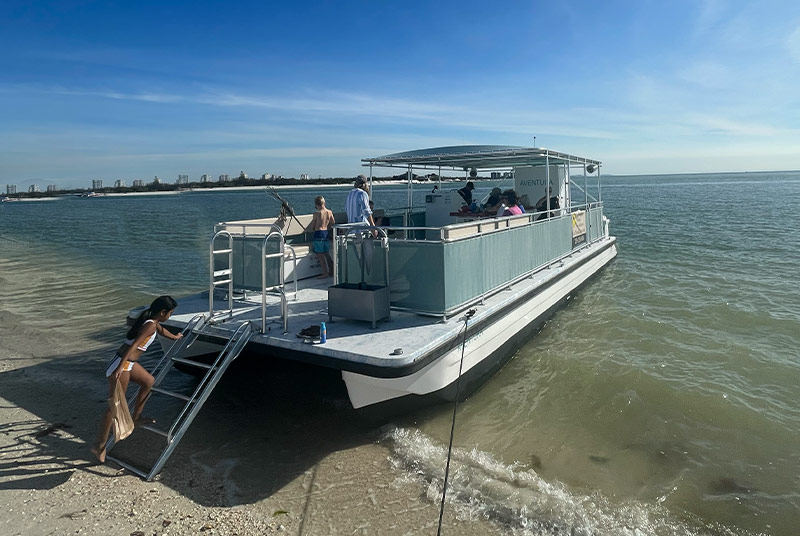
Start by deciding what matters most to your group: convenience, variety, privacy, wildlife viewing, or access to less-traveled beaches. A public beach can be a wonderful choice for a spontaneous morning, especially if you are staying nearby. A boat-accessible island can offer a quieter setting and a more adventurous experience, but it requires more planning and a safe, dependable ride.
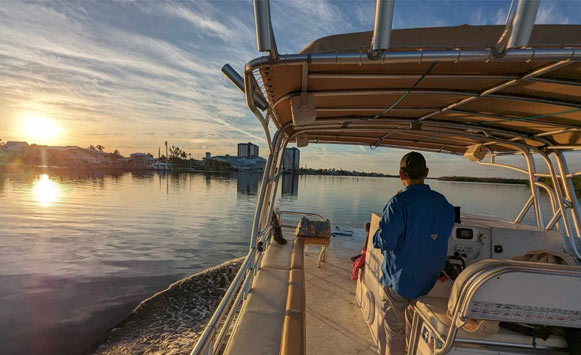
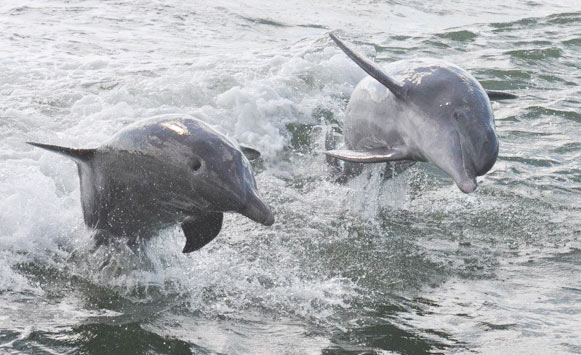
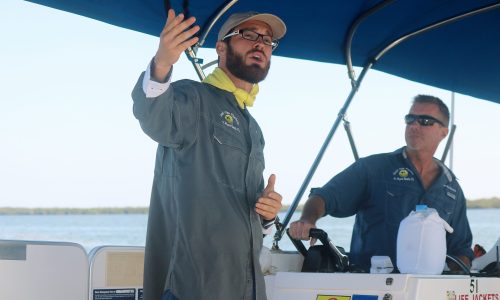
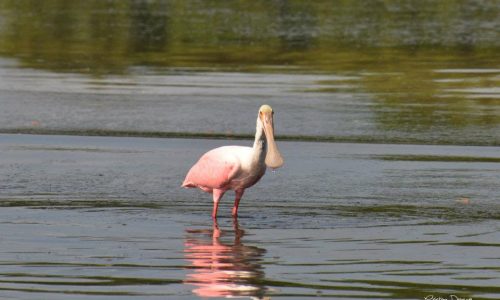
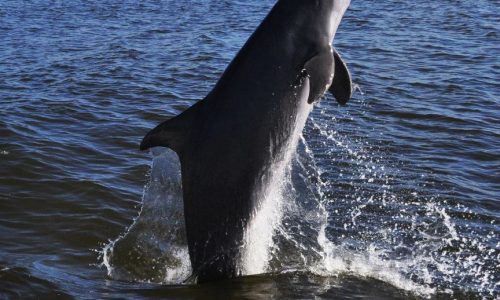
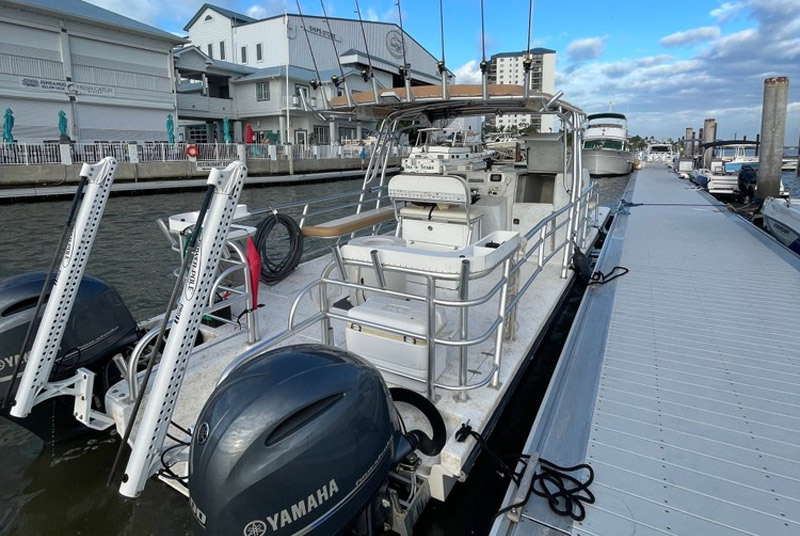
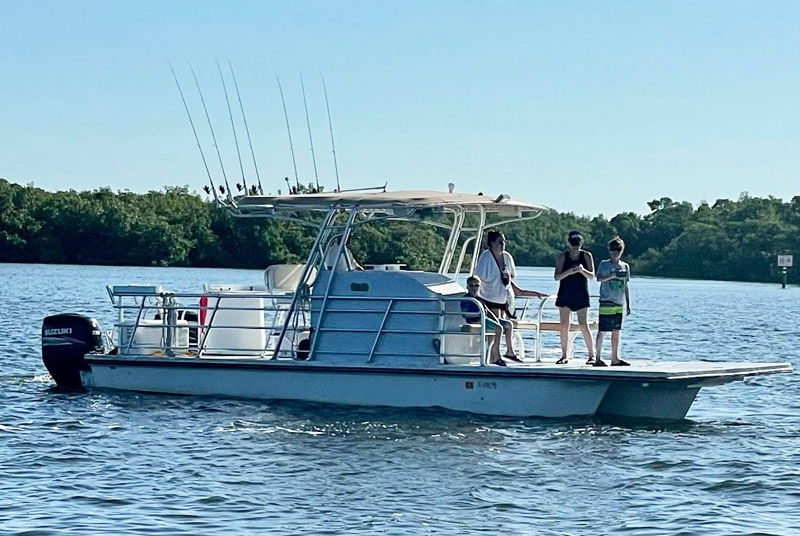
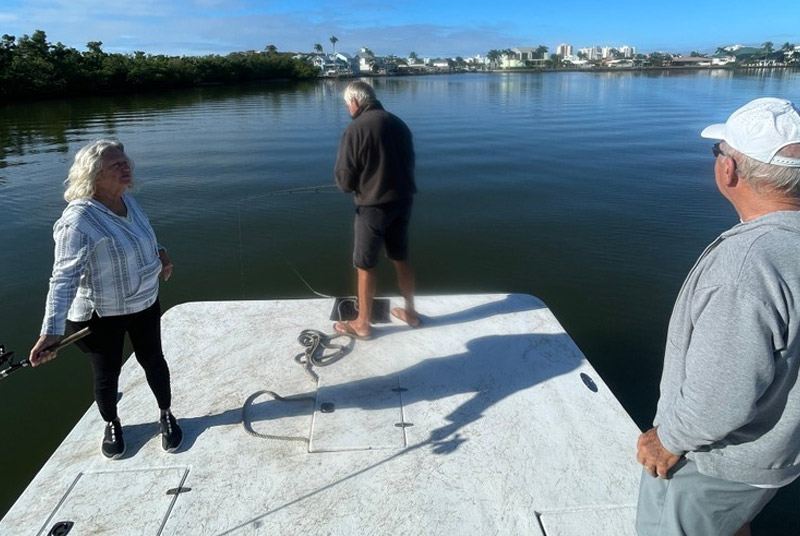
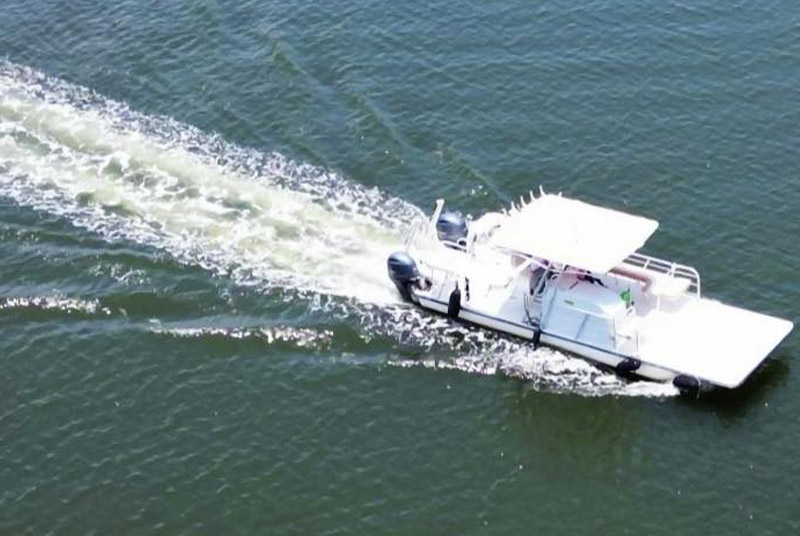
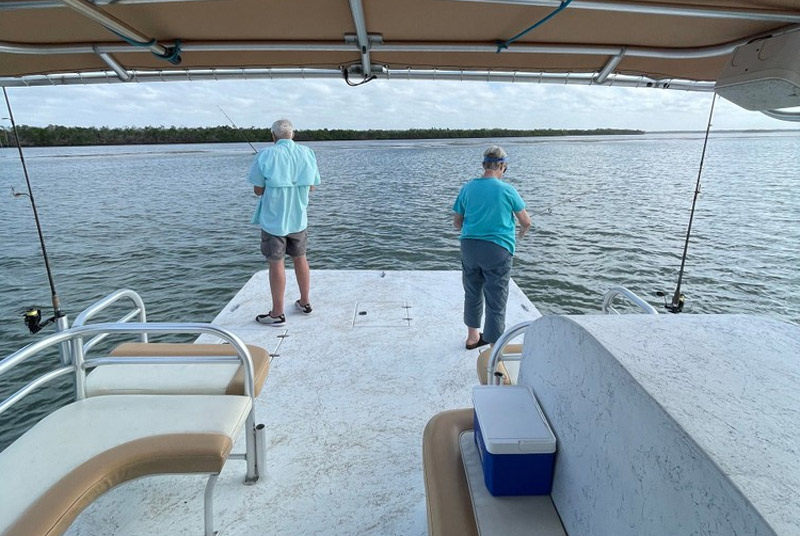
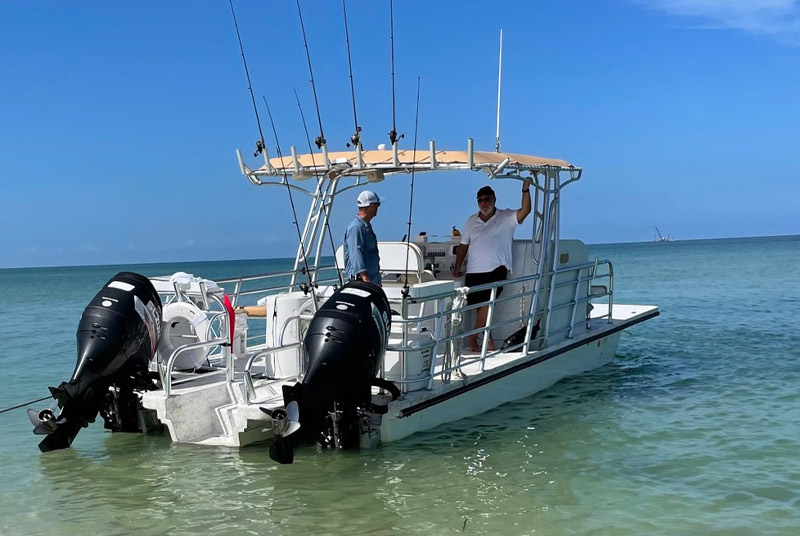
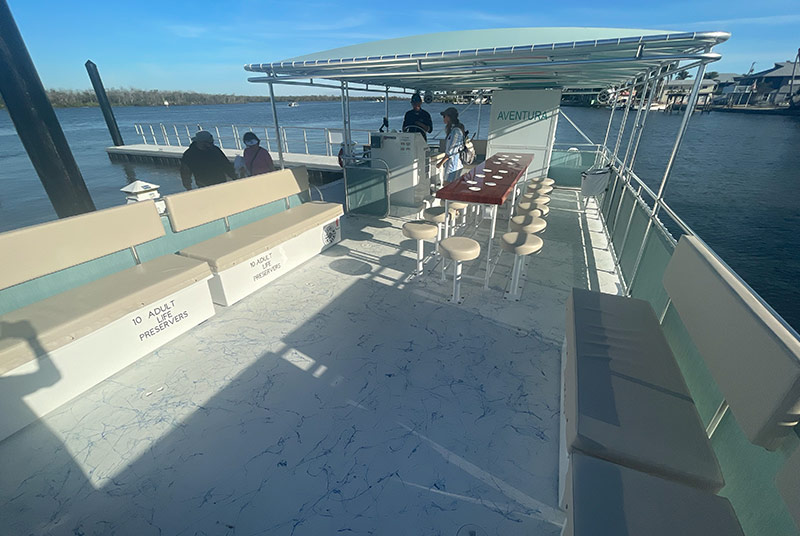
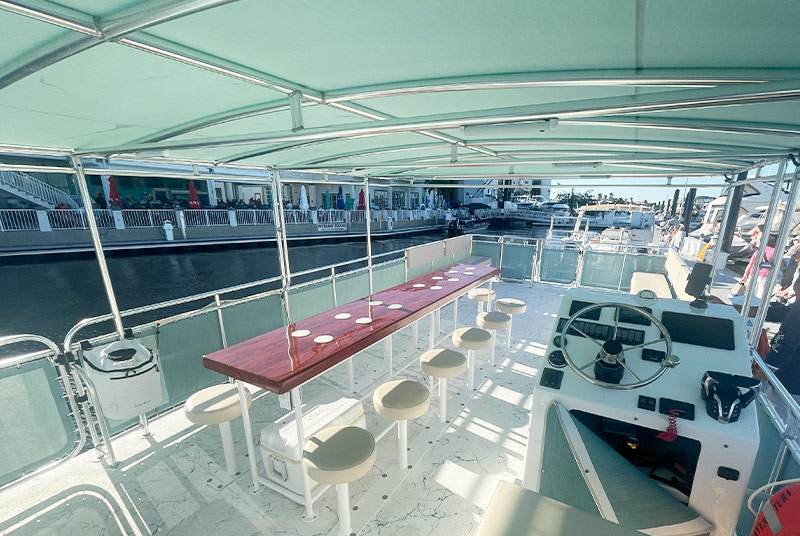
For many families, couples, and small groups, a guided shelling cruise is the easiest way to combine all of it. You can enjoy the ride through local waters, watch for dolphins and shorebirds, and arrive with a guide who understands the tide, the island conditions, and the natural history behind what you find.
Time Your Shelling Excursion Around the Tide
Tide is one of the biggest factors in shelling success. Low tide exposes more of the beach, including the wrack line where shells, seagrass, and other natural materials settle. That extra area can make it easier to search slowly, particularly along sandbars and the upper edge of the receding water.
A falling tide and the period around low tide are often productive, but conditions can vary by island, wind direction, recent weather, and boat traffic. Strong onshore winds may push more shell material toward a beach, while calm conditions can leave the shoreline looking very different from one day to the next.
Do not treat shelling as a treasure hunt with guaranteed results. That is part of its charm. Some days produce a remarkable variety of shells in a short walk; other days reward patient observers with tiny, intricate finds that are easy to overlook. A naturalist-led trip helps turn either outcome into a memorable experience because there is always something happening along the shoreline.
Consider the Season and Weather
Shelling can be enjoyable throughout the year in Southwest Florida, but summer heat, afternoon storms, winter cold fronts, and seasonal winds all affect the experience. Morning trips are often more comfortable during warmer months, while cooler-season outings can offer especially pleasant beach weather.
Check the forecast before you go and plan for sun, wind, and a possible change in conditions. A captain may adjust a route or island stop for guest comfort and safety. That is not a setback – it is local expertise at work.
Choose a Shoreline With Care
The best shelling beaches are not always the most obvious ones. Islands and quieter stretches of coast often collect a broader mix of shells because they are less heavily traveled and may have different currents than busy mainland beaches. Still, every shoreline has its own character.
Look for areas where shell fragments and intact shells have gathered naturally along the high-water line. Scan the edge of the surf, shallow tidal pools, and patches of seaweed or seagrass that have washed ashore. These areas can hold interesting finds, but they are also important habitat. Walk carefully, avoid trampling dunes or vegetation, and keep a respectful distance from nesting birds and resting wildlife.
A boat excursion adds another layer to the day. The journey can take you through mangrove-lined waters and open bays where dolphins, ospreys, pelicans, and other coastal wildlife may appear. On a well-run trip, shelling is not separate from nature discovery – it is one part of a larger living system.
Pack for Comfort, Not for a Long Hike
Shelling is simple, but a few smart items can make the experience much better. Wear water-friendly shoes with secure soles. Bare feet may be fine on soft sand, but shell beds can be sharp, and shallow water can hide broken pieces under the surface.
Bring a reusable water bottle, reef-safe sunscreen, sunglasses, and a hat that stays put in the wind. A small mesh bag or bucket works well for carrying shells because it lets sand fall away before you return to the boat or car. If you plan to photograph your finds, a phone pouch or small waterproof case is helpful near the waterline.
Leave bulky gear behind when possible. A shelling beach is best enjoyed when your hands are free and you can stop to examine a shell, point out a bird, or help a child spot a tiny sand dollar fragment. If you are on a boat tour, ask ahead about what is provided and what storage space is available.
Know What to Collect and What to Leave Behind
The most meaningful shell collection is a responsible one. In Florida, never take a shell that is occupied by a living animal. A live shell may contain a snail, hermit crab, bivalve, or other creature that depends on its shell for protection. If it moves, has tissue inside, or looks occupied, gently return it where you found it.
It is also wise to leave particularly fragile specimens, clusters of shells that provide habitat, and anything found in an area with posted restrictions. Rules can differ in parks, preserves, wildlife refuges, and protected island areas. Your captain or guide can help clarify the regulations for the place you are visiting.
Keep collection modest. Take a few shells that truly stand out, then photograph the rest. A shell’s colors and patterns are worth remembering, but its role on the beach matters too. Empty shells eventually break down into sand, shelter small creatures, and contribute to the ever-changing shoreline.
Learn the Stories Behind Your Finds
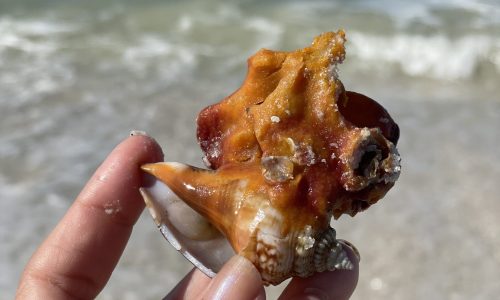
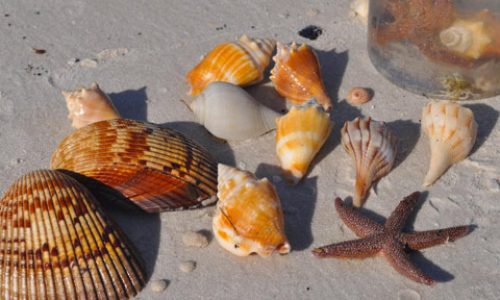
A Florida shell is not just a souvenir. The smooth, fan-shaped scallop shell, the spiral of a lightning whelk, and the subtle patterning on a calico scallop each tell a story about the animal that once lived inside and the waters it inhabited.
Ask questions as you search. Which shells are common here? Why are some shells polished smooth while others are worn down? What made the small hole in that shell? A knowledgeable guide can turn a handful of beach finds into an engaging lesson in mollusks, tides, predators, and coastal currents – without making the outing feel like a classroom.
Plan for the People in Your Group
A successful outing should fit your group’s pace. Young children usually do best with a shorter shelling stop, plenty of water, and clear boundaries about where they can explore. Retirees and guests with mobility concerns may prefer an island with easier walking conditions or a trip that balances beach time with scenic cruising.
If your group is celebrating, traveling together, or simply wants more flexibility, a private charter can make the day feel more personal. You may have more room to set the pace, spend extra time watching dolphins, or focus on finding shells without feeling rushed by a larger schedule.
At Good Time Charters, naturalist-led shelling outings are designed to make the experience enjoyable for first-time visitors and longtime shell lovers alike. The right guide does more than point toward the beach. They help guests understand what they are seeing, travel safely, and make the most of the day’s conditions.
Give Yourself Permission to Wander Slowly
The best shellers are not usually the fastest walkers. Move slowly along the waterline, let your eyes adjust to patterns in the sand, and look twice before passing a small shape that catches your attention. A beautiful shell may be right beside your footprint.
When the tide, weather, and shoreline cooperate, you may come home with a memorable collection. When they do not, you can still return with salt air in your lungs, wildlife photos on your phone, and a better understanding of the coast. That is a good reason to plan your shelling day with curiosity, patience, and enough time to enjoy every stop along the way.