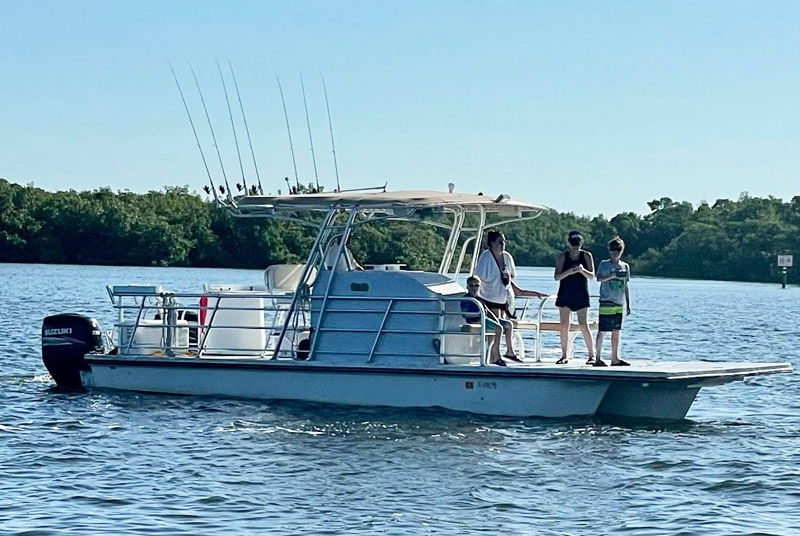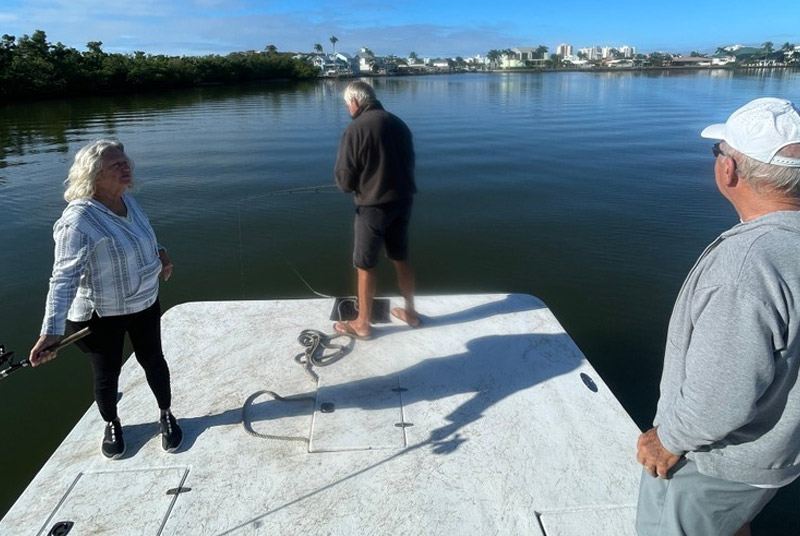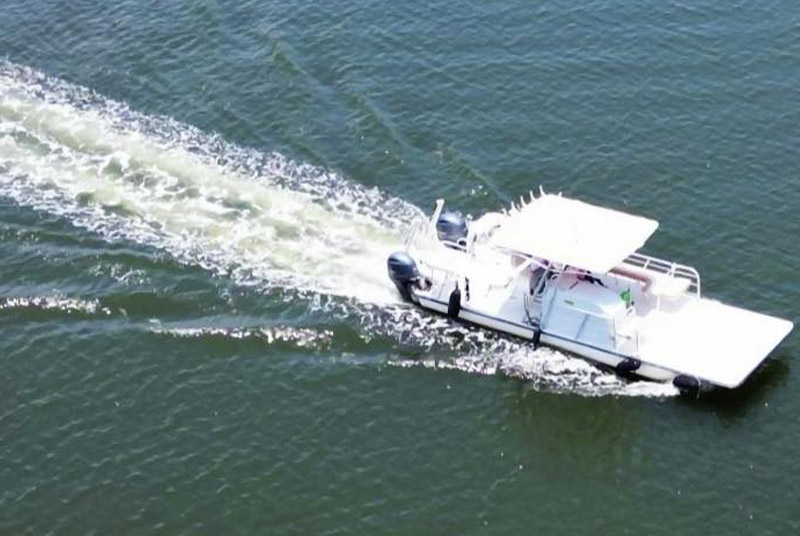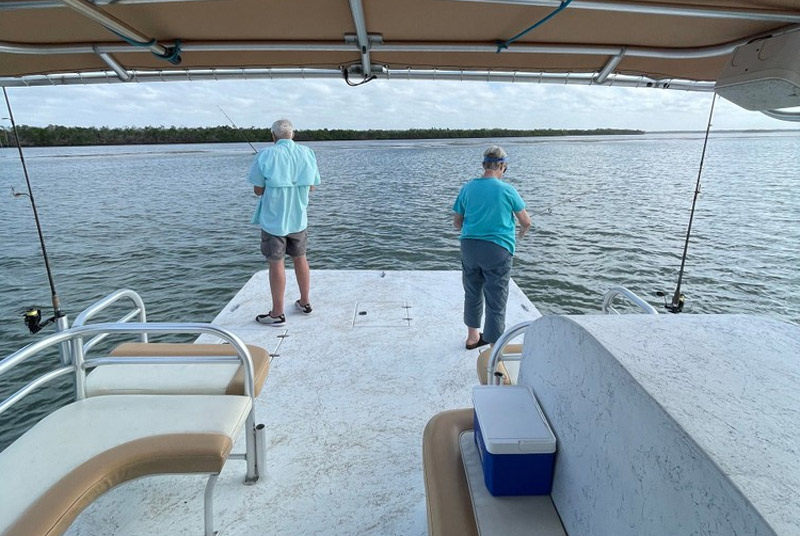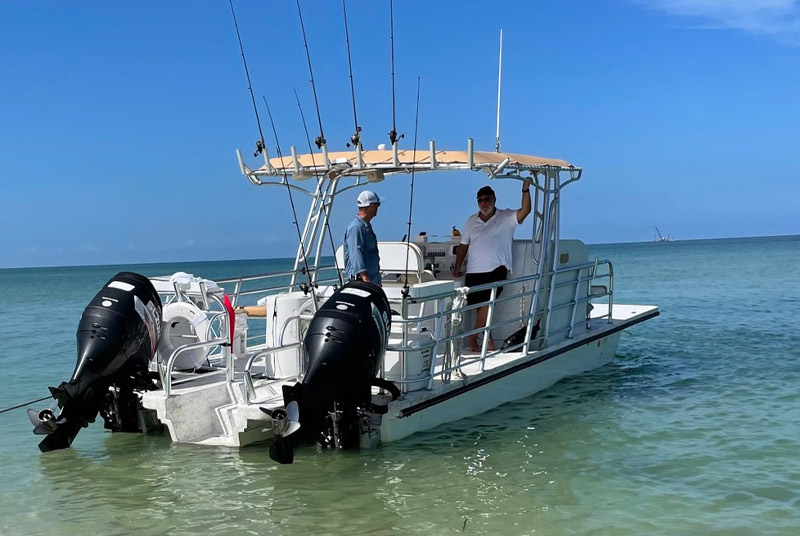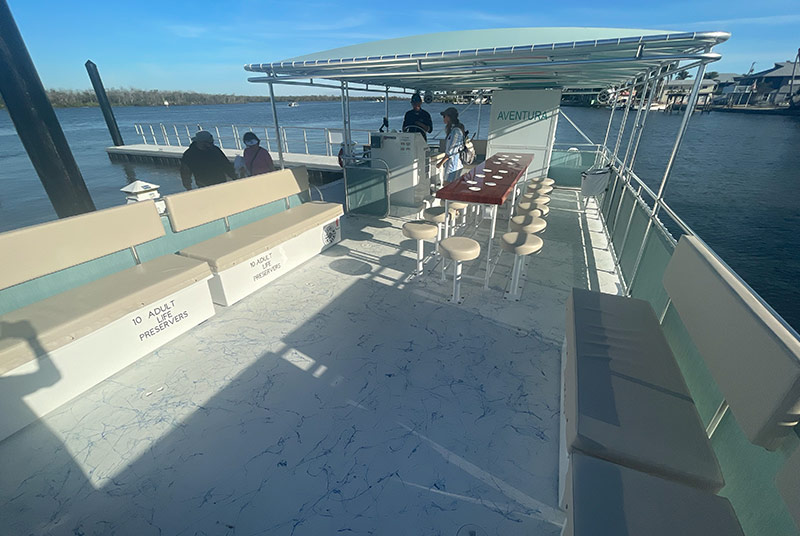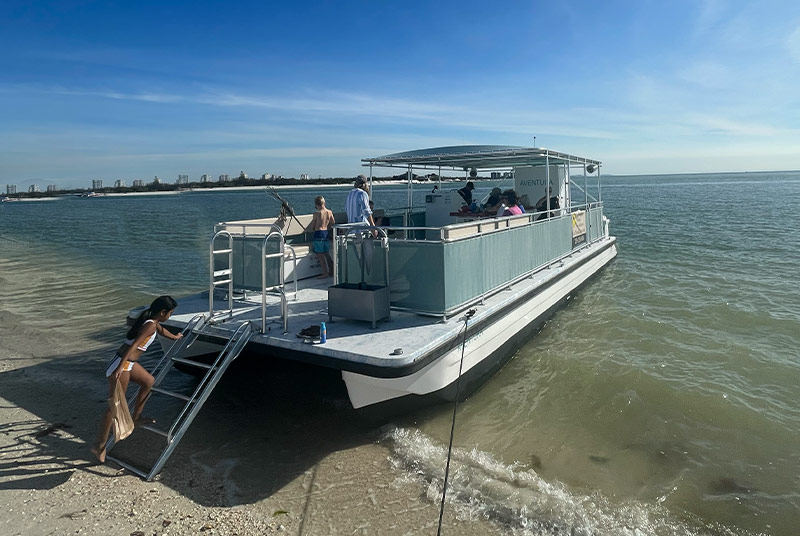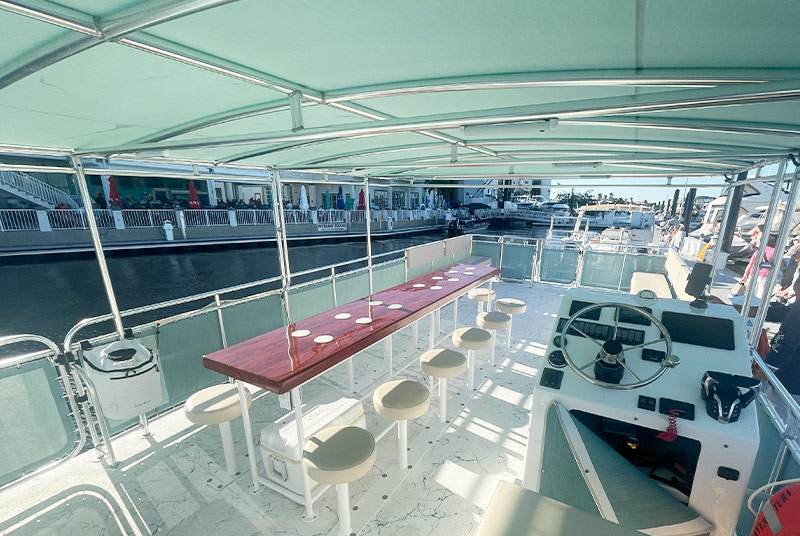
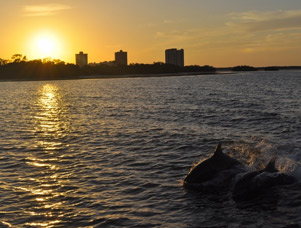
You do not need to hit one narrow window to see dolphins in Southwest Florida. If you are asking when is dolphin watching season, the short answer is that bottlenose dolphins are here year-round. The better question is what kind of experience you want, because weather, water conditions, crowd levels, and wildlife activity can make one season feel very different from another.
That matters more than most visitors expect. A calm winter morning can produce incredible sightings with clear visibility and active dolphins. A warm summer cruise might bring playful behavior, dramatic skies, and a bay full of birdlife. There is no single perfect month for everyone. There is a best time for your trip style.
When Is Dolphin Watching Season?
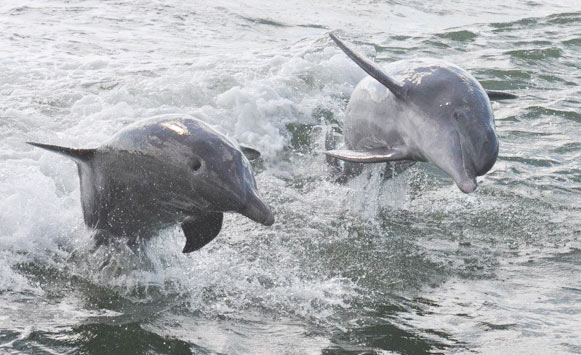
In Florida, and especially around estuaries and coastal waters like those near Fort Myers Beach, dolphin watching season is not limited to spring or summer. Resident bottlenose dolphins live in these waters all year, using passes, back bays, and nearshore feeding areas as part of their home range.
That is the key difference between dolphin watching and some other wildlife experiences. You are not waiting for a migration to pass through for a few short weeks. Dolphins are part of the local ecosystem every month of the year, which gives visitors a real chance to see them on almost any well-run trip.
Still, year-round does not mean every day looks the same. Tides shift. Water temperatures change. Wind affects visibility and boating conditions. Fish schools move. Human boat traffic rises and falls with the tourist season. All of that shapes how dolphins behave and how easy they are to spot.
What Each Season Feels Like on the Water
Winter
Winter is one of the most underrated times for dolphin watching. From roughly mid December through February, Southwest Florida often brings cooler temperatures, comfortable sunshine, and lower humidity. For many visitors, that makes the overall experience better before the first dolphin even appears.
On calm days, winter can offer excellent viewing conditions. The light can be clean, the water surface easier to read, and the air simply more comfortable for families with kids, older guests, or anyone who would rather not spend a humid afternoon squinting into glare. You may also enjoy seeing a wider mix of seasonal birdlife while you are out on the water.
The trade-off is that winter weather can be less predictable. Cold fronts, stronger winds, and choppier conditions can roll through. Dolphins are still here, but your ideal smooth-water day may depend more on timing. If it’s the only time of year you can visit, it’s going to be fine. Just come prepared if you plan to do water activities, the water always feels cooler than on land.
Spring
Spring is a favorite for good reason. From March through April, the weather is often warm without feeling intense, and the water starts to settle into that inviting Florida rhythm many visitors picture when they book a cruise.
This season tends to appeal to travelers with kids who want the best blend of comfort and activity. You are often dealing with pleasant temperatures, bright conditions, and a lively estuary. Spring break and holiday travel can make the area busier, though, so the water may see more recreational traffic on certain days.
If your schedule is operating around spring break and vacation days, this time of year is a lot of fun. Just plan ahead, book early, and plan for tons of traffic getting to your tour location.
Summer
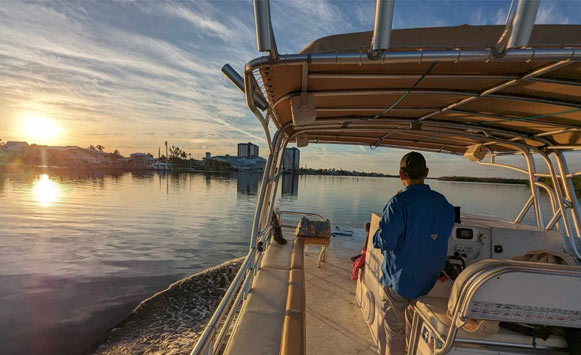
Summer brings heat, humidity, and frequent afternoon storms, but it can also be a fantastic time to look for dolphins. It is my personal favorite time of year here. From May through early August, morning trips are often the sweet spot. The water can be calmer earlier in the day, marine life is active, and there is a rich, full feeling to the coastal environment.
is it hot? Absolutely. But if you can handle the heat, the wildlife and shelling will reward you.
This is the season when many couples and friends groups travel, so summer dolphin watching often becomes part wildlife cruise, part memory-maker. The scenery is lush, and the chance to combine dolphins with birds, manatees, and shells can make the whole outing feel bigger than one single sighting.
The biggest drawback is weather planning. Afternoon thunderstorms are common, and the heat is real. If you love warm-weather boating and do not mind early starts, summer can be excellent. If you want cooler air and less chance of weather disruption, another season may fit better.
Fall
Fall is one of the quieter gems on the calendar. From late October through December, you can often find a nice balance of warm water, easing humidity, and fewer crowds than peak tourist months.
For couples, retirees, and travelers who prefer a more relaxed pace, fall has a lot going for it. The waterways can feel less hectic, and the overall experience often feels a little more open and unhurried. Dolphins remain active, and you may get that wonderful feeling of having the coast breathe a bit after the busiest stretch of summer.
The main variable is tour availability. With the drop off in tourists, many businesses close for maintenance and vacation.
The Best Time of Day Matters Too
If you only focus on the calendar, you miss half the story. When people ask when is dolphin watching season, they often mean when they are most likely to have a great trip. Time of day can matter almost as much as time of year.
Morning trips are often ideal in Southwest Florida. Winds are usually lighter, the water may be smoother, and temperatures are more comfortable for much of the year. Those calmer conditions can make it easier to spot dorsal fins, feeding behavior, and movement along the surface.
That said, afternoon cruises are also rewarding, especially in cooler months. Light, tide stage, and local conditions all play a role. This is where experienced captains and naturalist guides make a real difference. Knowing where dolphins tend to travel, feed, and socialize is more valuable than relying on season alone.
Why Dolphins Are Seen Year-Round Here
Southwest Florida’s estuaries are productive, sheltered, and full of life. Bottlenose dolphins are well adapted to these waters and feed on fish species that use bays, mangroves, channels, and passes throughout the year.
That means a dolphin-watching trip here is not built around luck alone. It is built around habitat. A healthy estuary creates reliable opportunities to see top predators doing what they naturally do – traveling, feeding, surfacing, and sometimes socializing in ways that are exciting to watch.
This is also why guided trips tend to feel so much richer than just scanning the water from shore. A trained crew does more than point and say, There. They can help guests understand behavior, explain why dolphins use certain areas, and connect one sighting to the broader coastal ecosystem.
What to Expect, Realistically
A good wildlife tour should never promise a scripted performance. Dolphins are wild animals, and that is exactly what makes the experience memorable.
Some days you may see repeated surfacing close to the boat. On other days, sightings may be more spread out as dolphins travel or feed in a less predictable pattern. Occasionally, the real highlight becomes the full mix of the trip – dolphins, ospreys, pelicans, manatees, shorebirds, and the scenery of the bay itself.
That is not a downgrade. It is the difference between a theme-park expectation and a true on-water nature experience. The best tours set you up for a strong chance of sightings while also giving you a deeper understanding of what you are seeing.
How to Pick the Right Season for Your Trip
If you want cooler weather and comfortable cruising, winter and spring are excellent choices. If you are traveling with kids during school break and want a lively outing, spring mornings can be a great fit. If you prefer fewer crowds and a more relaxed pace, summer and fall deserves serious consideration.
For many guests, the real best season is simply the one that matches the rest of their vacation. Dolphins are here all year. What changes is the feel of the day.
That is why an expertly guided trip matters so much. At Good Time Charters, the difference is not just getting out on the water. It is being with a crew that knows these local waters, understands the wildlife, and can turn a sighting into a much more memorable experience.
If you are planning ahead, think beyond the question of whether dolphins are here. They are. Think about the kind of weather, pace, and overall outing you want, then choose the season that gives you that version of the coast. A great dolphin trip is not only about seeing the animal. It is about seeing the place come alive around it.