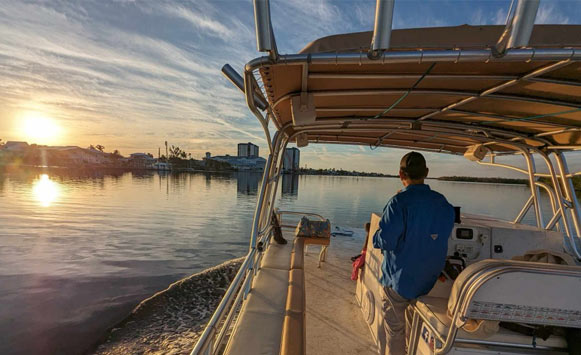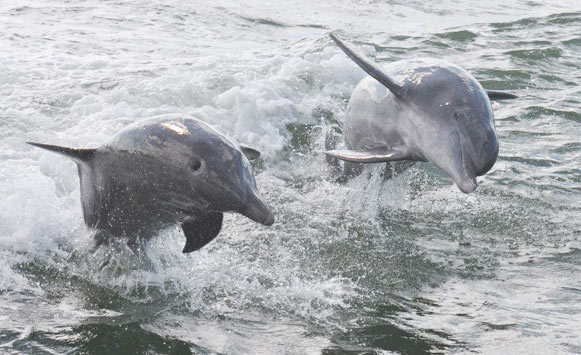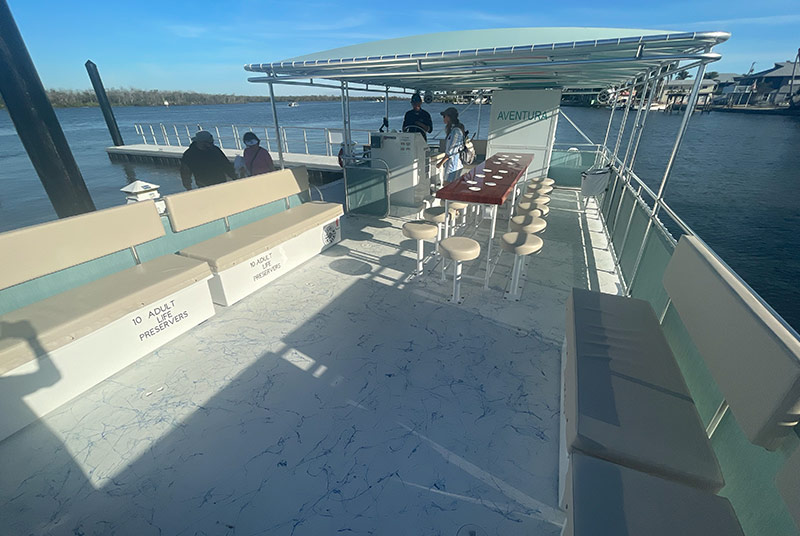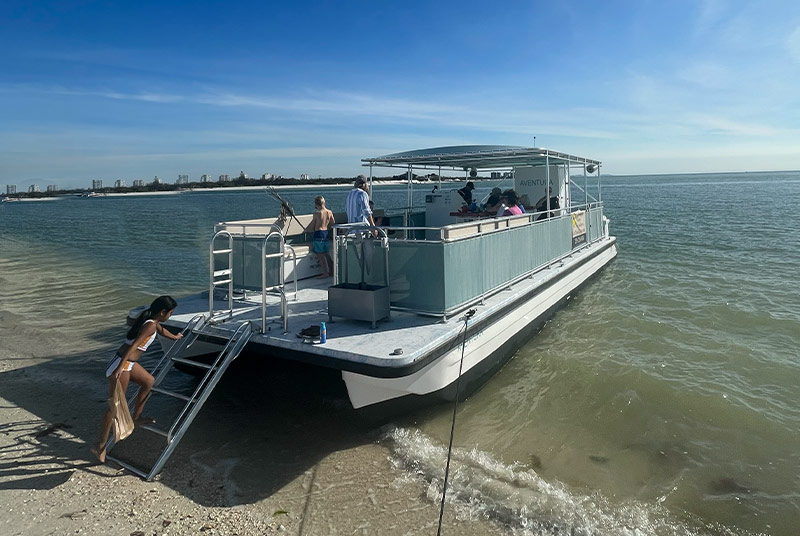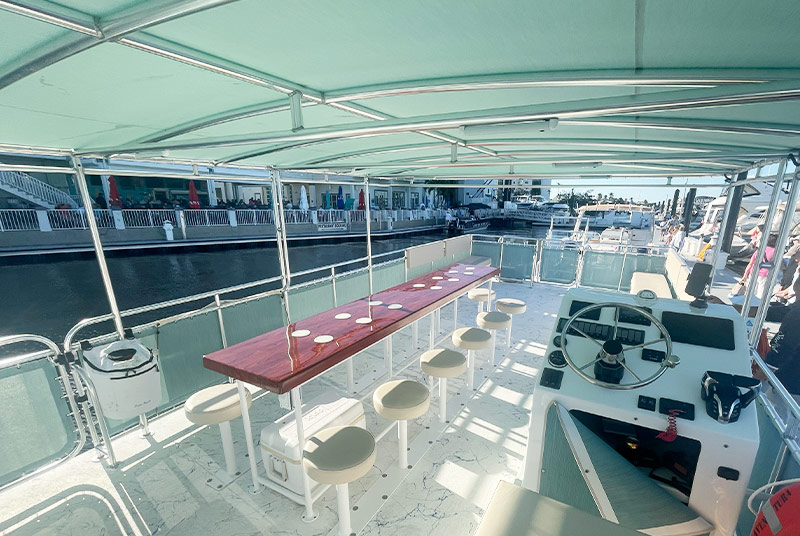
A dolphin surfaces beside the boat, a pelican folds its wings for a sudden plunge, and someone spots a shell that looks like it came from a gift shop. Those moments are exciting on their own. Marine education is what turns them into stories your family will still be telling after the vacation photos are buried in the camera roll.
On Southwest Florida waters, the best lessons rarely feel like lessons. They happen when a naturalist points out the narrow line where mangroves meet seagrass, explains why dolphins are traveling a particular channel, or helps a child recognize that a shell once belonged to a living animal. You do not need a marine biology degree, waterproof notebook, or a tolerance for pop quizzes. You just need curiosity and a crew that knows what it is seeing.
What Marine Education Looks Like on the Water
Real marine education is not a memorized speech delivered through a microphone while everyone watches the shoreline slide by. It is interpretation: connecting what guests can see, hear, and sometimes smell with the living system around them.
A knowledgeable guide may explain why mangroves are more than a scenic green wall. Their tangled roots provide shelter for young fish and crustaceans, help stabilize shorelines, and support food webs that reach far beyond the trees themselves. That matters when you notice a heron standing motionless at the edge, or baitfish flickering across the surface.
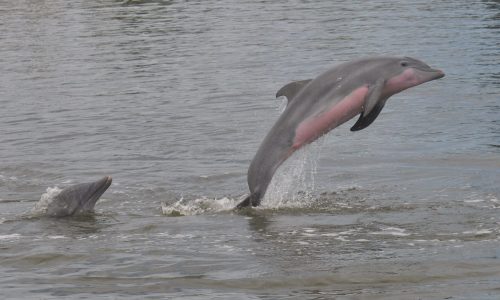
The same applies to dolphins. Seeing one is always a thrill, but understanding its behavior makes the sighting more meaningful. A dorsal fin moving steadily through a pass may belong to an animal traveling between feeding areas. A group changing direction, surfacing repeatedly, or working near schooling fish could be actively feeding. Wildlife does not perform on cue, of course. Any operator promising a guaranteed dolphin ballet should probably be viewed with the same caution as a fisherman claiming every cast is a keeper. But experienced local crews know how to read conditions and recognize the places wildlife uses most often.
Why the Estero Bay Area Is a Living Classroom
Fort Myers Beach sits beside an unusually rich mix of coastal habitats. Estuaries, tidal creeks, mangrove islands, sandy shorelines, grass flats, and Gulf waters are close neighbors here. That variety is why a short outing can reveal an impressive amount of life.
An estuary is where freshwater flowing from land mixes with saltwater from the Gulf. That blending creates a productive nursery environment for many fish, shrimp, crabs, and birds. The water may look calm from the deck, but it is constantly changing with tides, rain, wind, temperature, and season.
Tides are especially useful for helping guests see that the coast is not static. At lower water, exposed sandbars can become resting places for birds. In tidal creeks, water movement carries food and shapes where fish gather. At higher water, animals can access areas that were too shallow just hours earlier. Once you start noticing those changes, the landscape becomes far more interesting than a pretty view from the boat.
Mangroves Do More Work Than Their Roots Suggest
Florida’s mangroves are coastal overachievers. Red mangroves often grow closest to the water, with arching prop roots that create shelter below the surface. Black mangroves tend to grow slightly higher and send finger-like breathing roots up from the mud. White mangroves are often found farther inland, where conditions are less regularly flooded.
Guests do not need to memorize those names to appreciate the bigger point: mangroves are essential habitat. They give juvenile fish places to hide, offer birds nesting and resting space, and help buffer shorelines from erosion. Looking at them through that lens changes a simple cruise past an island into a glimpse of a busy coastal neighborhood.
Shells Are Clues, Not Just Souvenirs
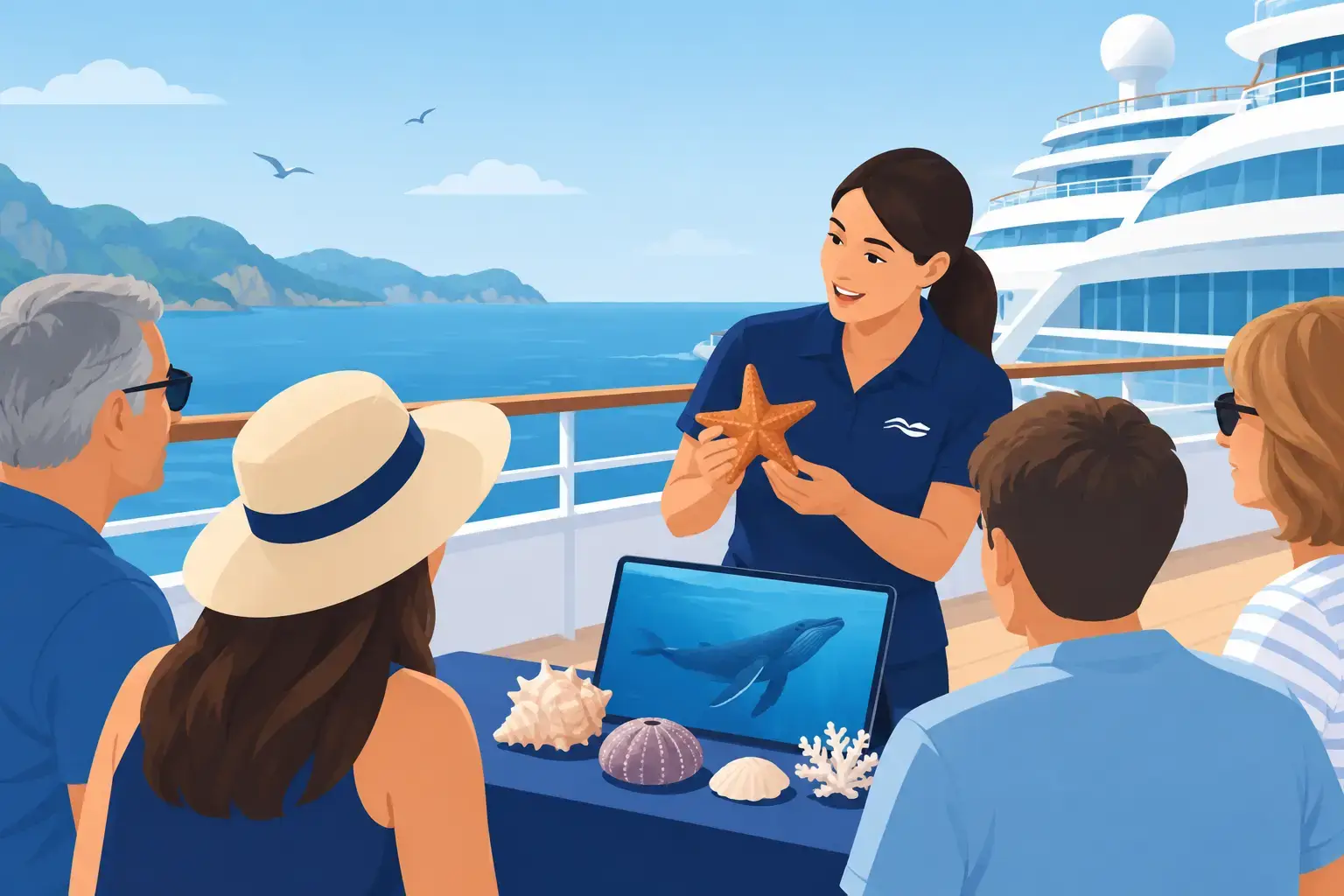
Shelling is one of the most accessible forms of marine education because the evidence is right in your hand. A shell can tell you about the animal that made it, the habitat where it lived, and the journey that brought it to shore.
A smooth, glossy shell may have spent time tumbling in the surf. A shell with a tiny, perfectly round hole may show signs that another animal drilled into it. A shell inhabited by a hermit crab is not an empty keepsake at all – it is somebody’s mobile home. Responsible shelling starts with a simple rule: admire living animals where they are, and collect only shells that are truly vacant and permitted to take.
That small bit of care is part of the lesson. Coastal ecosystems are generous, but they are not unlimited souvenir bins.
The Best Marine Lessons Start With Questions
Families sometimes worry that educational tours will feel too technical for younger kids or too basic for adults. A skilled naturalist avoids both problems by starting with what people notice.
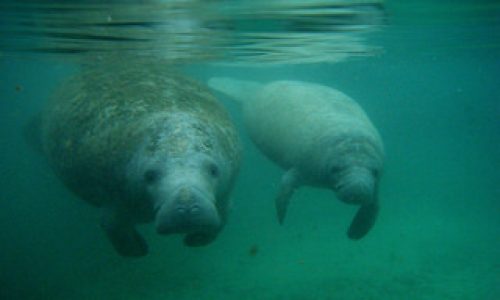
Why is that bird standing on one leg? Why did the water change color near the shore? Is that a dolphin, a manatee, or a floating log with excellent timing? Questions make room for everyone, from the five-year-old holding binoculars backward to the grandparent who has spent a lifetime on the water.
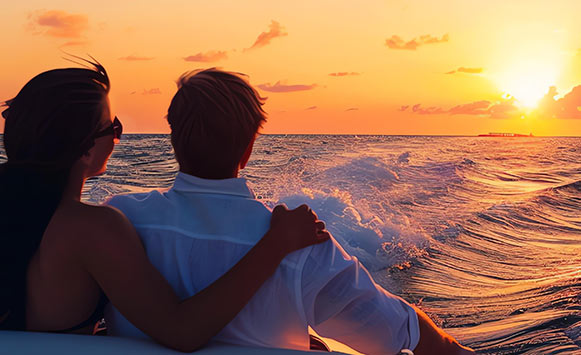
For children, marine education builds observation skills without feeling like school. They learn to look for a bird’s beak shape, track a dolphin’s surfacing pattern, compare shells, and notice how wind changes the feel of the bay. For adults, it adds context that makes the outing more rewarding. The sunset is still beautiful, but it is even better when you understand the habitat beneath it.
There is also value in saying, “We are not sure yet.” Nature is not a theme park schedule. A guide may identify a bird immediately, while another distant silhouette requires a closer look. Honest interpretation builds trust and models the curiosity that good science depends on.
What to Look for on Your Next Cruise
You can make the most of a nature-focused outing with a few simple habits. Keep your eyes moving between the water, sky, shoreline, and boat wake. Wildlife is not always where people expect it to be.
Notice patterns rather than chasing a single perfect sighting. Are gulls gathering over a patch of water? Are fish breaking the surface? Is a dolphin moving alone or with others? Are wading birds feeding along the shallows or resting above the tide line? Those observations often reveal more than a quick photo ever could.
Bring sun protection, water, and a camera if you like, but do not spend the entire trip behind a screen. Take the picture, then lower the phone. You may hear a dolphin breathe, catch the flash of a mullet jumping nearby, or see a roseate spoonbill fly past in a wash of pink. Those are the details that tend to stick.
If you are bringing children, give each person one unofficial mission: spot the first osprey, find the most unusual shell, count pelicans, or watch for a crab along the mangroves. It keeps young explorers engaged without turning the trip into a competition. Nobody needs to award a trophy for Most Dramatic Seagull.
Education Makes Conservation Personal
People protect what they understand and remember. That does not mean every boat outing must end with a lecture. It means a memorable encounter with a dolphin, a mangrove island, or a shoreline bird can change how someone sees the coast.
The practical side is simple. Give wildlife space. Never feed dolphins or birds. Dispose of trash properly, especially fishing line and plastic that can entangle animals. Respect posted rules around nesting areas, manatees, and protected habitats. Small choices matter because so many animals rely on the same narrow band of coast that visitors come here to enjoy.
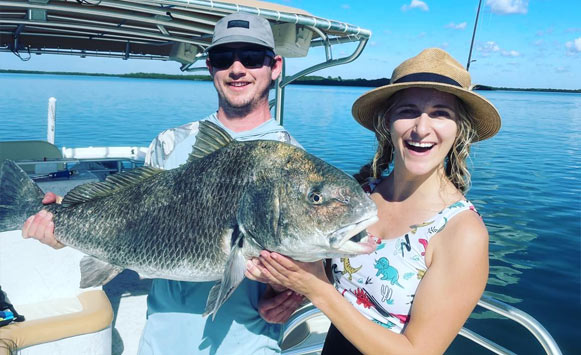
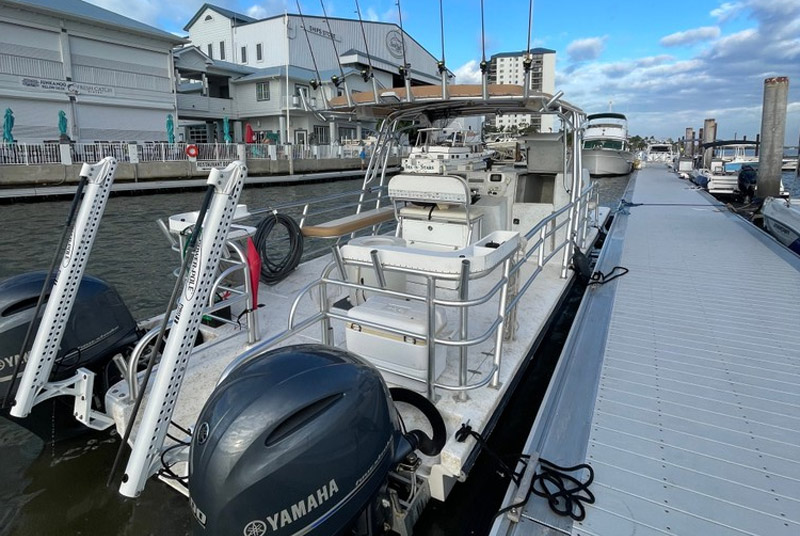
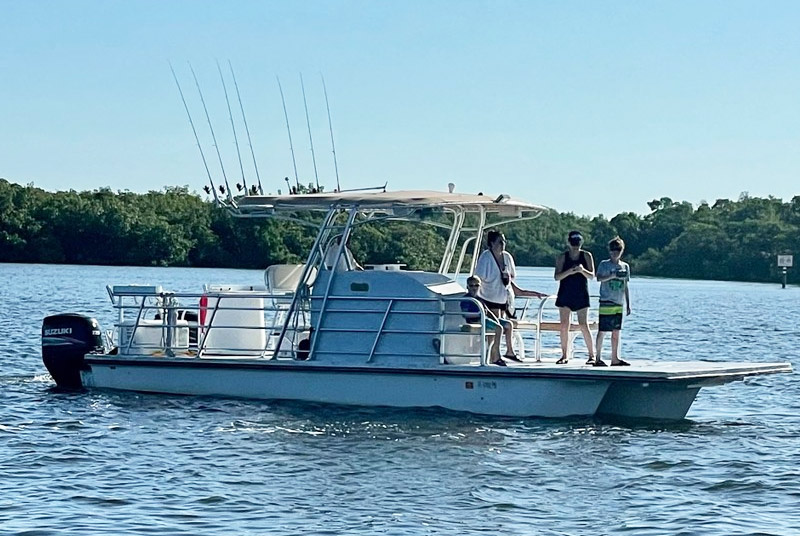
At Good Time Charters, a naturalist-led outing is built around this idea: fun and understanding belong on the same boat. A sightseeing cruise, shelling trip, sunset ride, or private fishing charter can be relaxing and entertaining while still giving you a clearer view of the remarkable ecosystem outside the rail.
The next time a child points at something moving in the water, resist the urge to answer too quickly. Ask what they noticed first. That one question might lead to a dolphin, a fish, a bird, a lesson about tides, or simply a better reason to look closely at the coast.