The best shelling beaches are not always the ones with the biggest crowds, brightest umbrellas, or closest parking lot. Top shelling destinations tend to share a few less glamorous qualities: shifting currents, wide tidal flats, seagrass nearby, and enough quiet shoreline for shells to settle before someone else spots them. That is excellent news for anyone who prefers their beach souvenirs natural, free, and considerably more interesting than a magnet.
Southwest Florida is especially well suited to the hunt. Its barrier islands catch shells drifting in from the Gulf, while tides and weather constantly rearrange what reaches shore. A productive shelling day is part timing, part location, and part willingness to bend down every few steps in the classic Sanibel Stoop.
What Makes a Shelling Beach Worth the Trip?
Shells arrive onshore because wind, tides, waves, and currents carry them there. A beach facing the Gulf often has better odds than a heavily developed stretch facing a protected bay, but no beach produces the same results every day. A strong onshore wind, a low tide, or a recent change in weather can turn an ordinary morning into a treasure hunt.
Look for natural features rather than judging a beach by photos alone. Sandbars, tidal pools, wrack lines of seaweed, and areas near passes can collect a surprising variety of shells. The wrack line may look like beach clutter at first glance, but it is often where smaller shells, sea beans, and other coastal finds gather.
The trade-off is simple: the most productive places can require a boat ride, a longer walk, or an early alarm. For many vacationers, that is half the fun. You get a beautiful beach day with a real chance of finding something that has not already been picked over by hundreds of visitors.
Top Shelling Destinations on Southwest Florida’s Coast
Sanibel Island
Sanibel has earned its shelling reputation honestly. Its east-west orientation acts a bit like a catcher’s mitt for Gulf shells, and its shoreline regularly produces fighting conchs, scallops, whelks, cockles, olives, and colorful coquinas. The island is also a wonderful place to slow down and notice that every shell belonged to an animal with a particular job in the coastal ecosystem.
For the best odds, arrive near low tide and walk slowly along the waterline. Early morning is often quieter, especially during busy travel seasons. Conditions vary after storms, tides, and beach renourishment, so treat every visit as a fresh search rather than expecting a guaranteed haul.
Captiva Island
Captiva offers the kind of shelling that makes people lose track of time. Its beaches can deliver a broad mix of shells, and its more relaxed, less built-up feel encourages a slower pace. It is a particularly good choice for couples, families with patient young beachcombers, and anyone who enjoys pairing shelling with sunset views.
The shoreline here changes frequently, so cover some ground. Check the high-tide line, then work back toward the water as the tide drops. If you are hoping for larger, more intact shells, a morning after favorable Gulf conditions can be rewarding, but a calm afternoon can still turn up plenty of small beauties.
Cayo Costa State Park
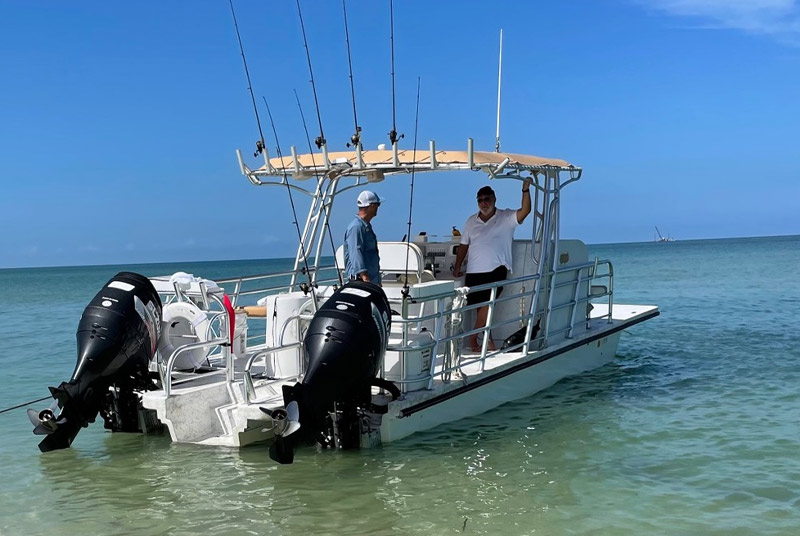
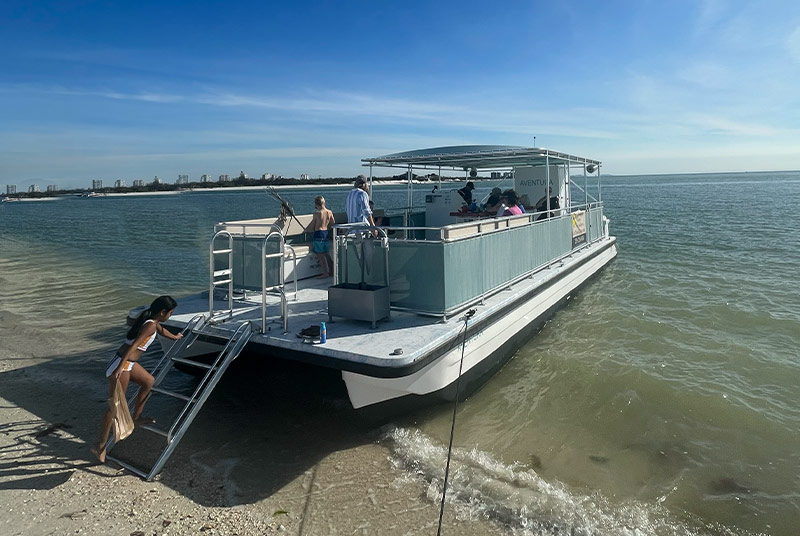
Cayo Costa is for shellers who like their beach day a little wilder. Accessible primarily by boat, this undeveloped barrier island offers long stretches of shoreline without resorts or rows of condos in the background. The effort to get there can mean less competition and a more peaceful search.
This is also a place where preparation matters. Bring water, sun protection, snacks, and something sturdy for carrying your finds. There are facilities in designated areas, but it is not a grab-a-coffee-and-wander kind of beach. It is an island day, and that is precisely the appeal.
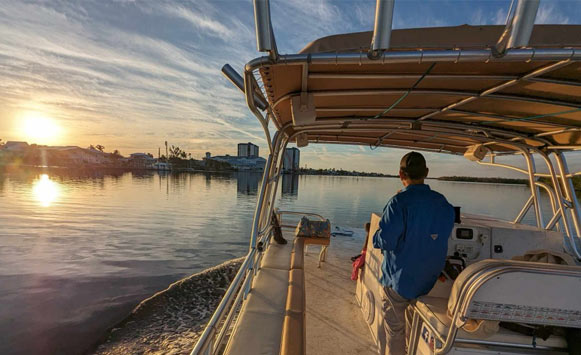
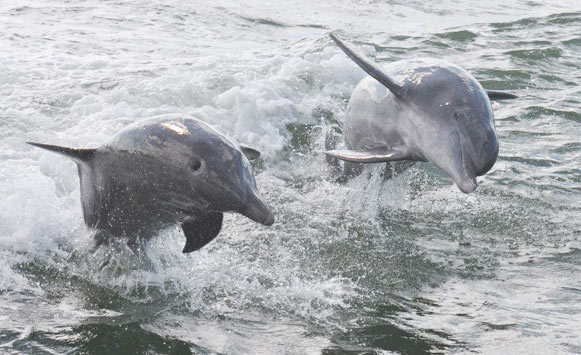
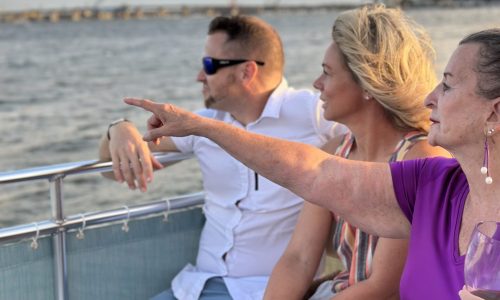
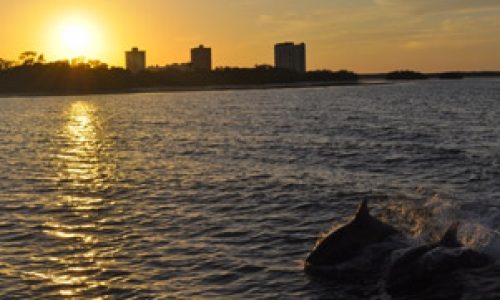
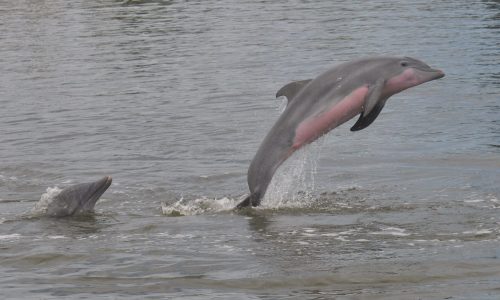
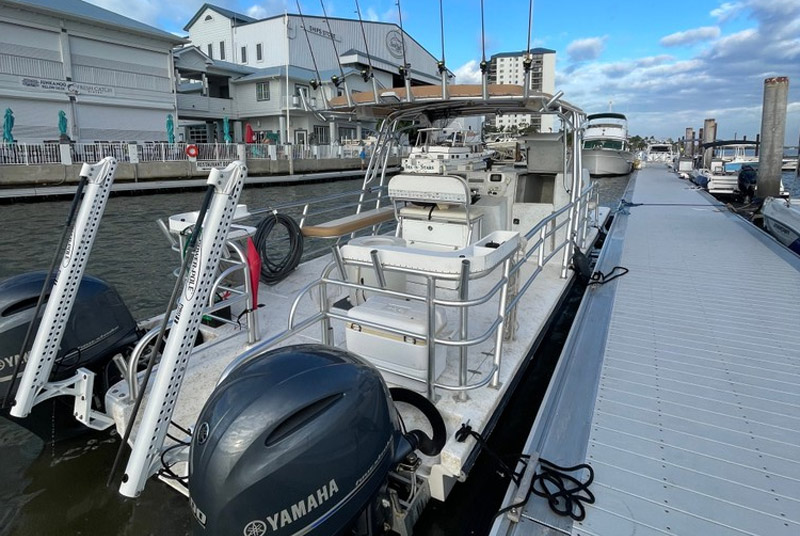
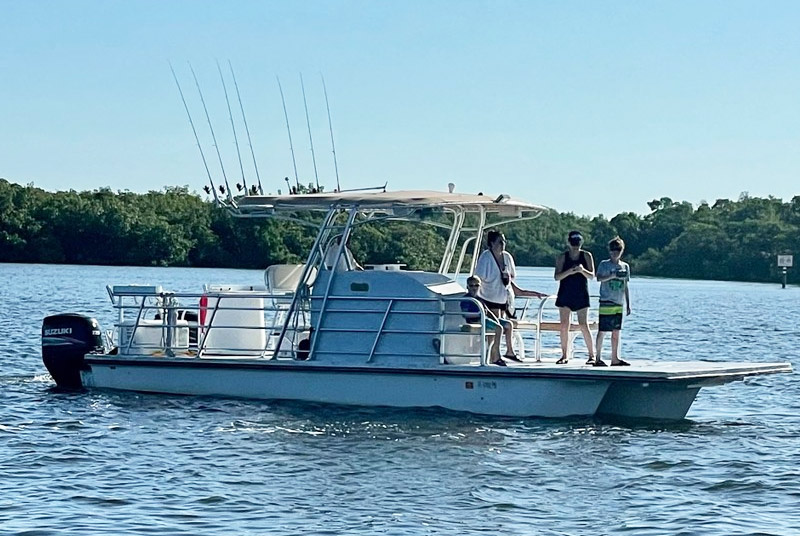
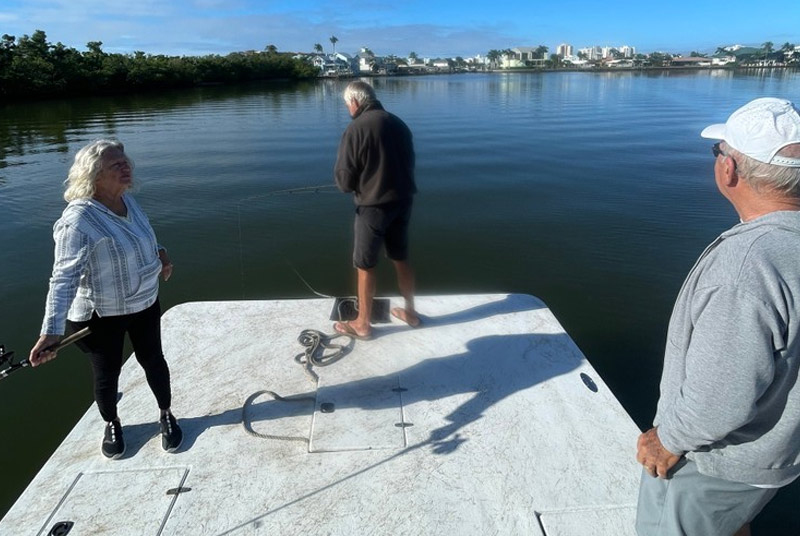
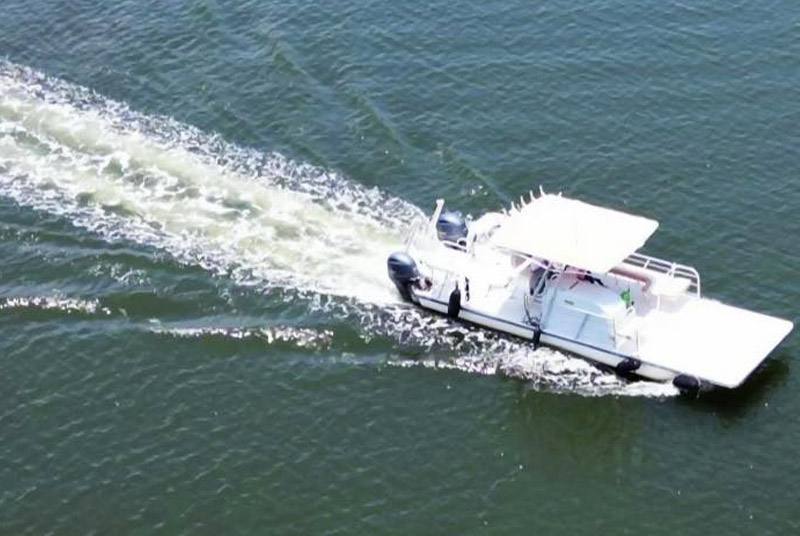
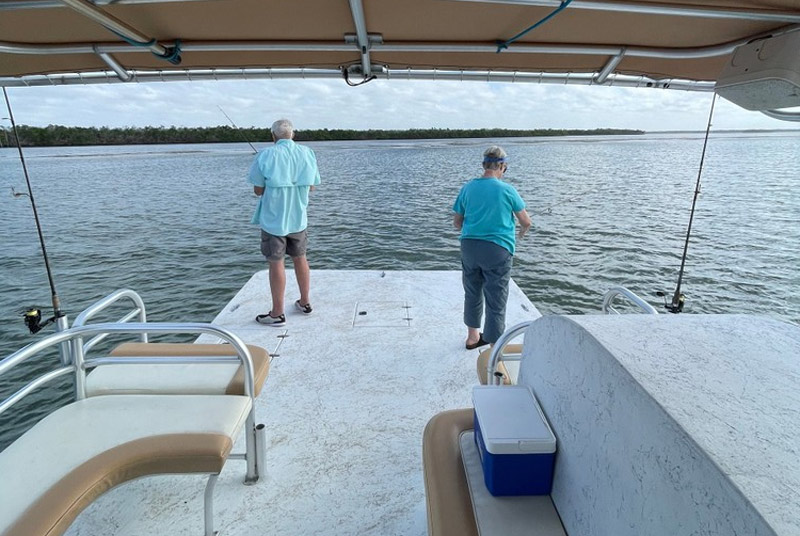
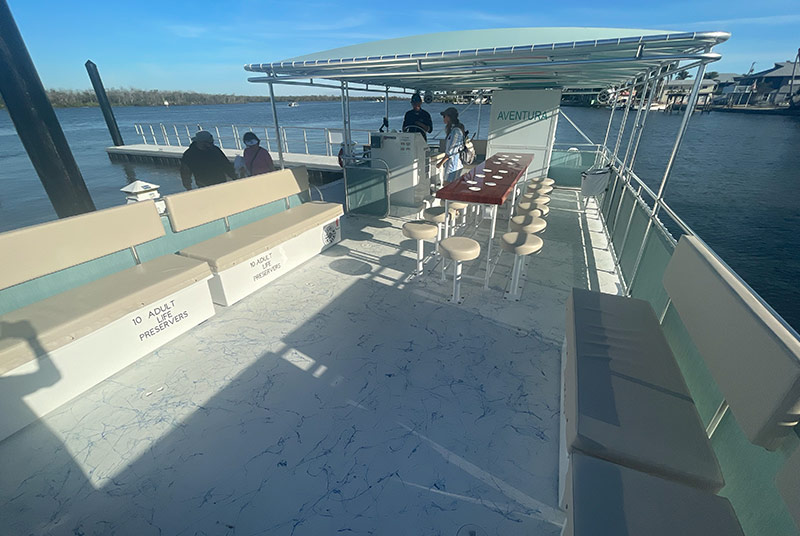
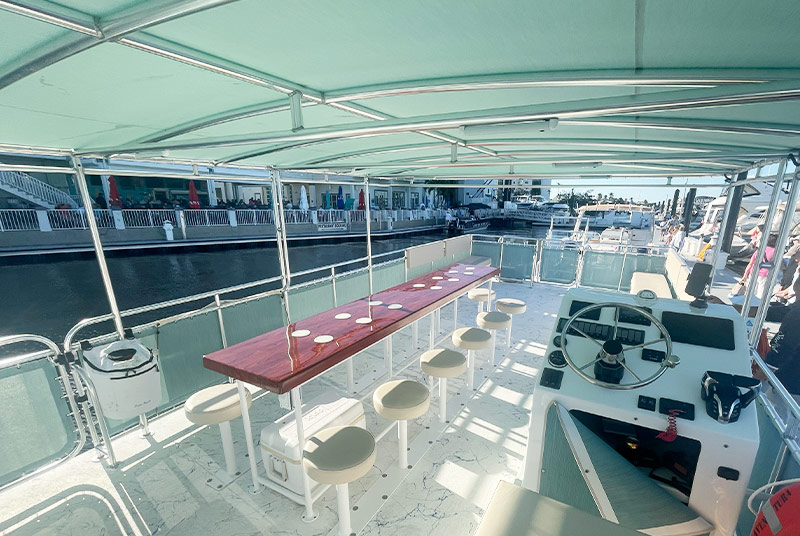
Cayo Costa makes a strong case for traveling with a knowledgeable local crew. A naturalist-led outing can help you understand why certain shells gather where they do, identify what you find, and spot dolphins, shorebirds, and other wildlife along the way. Good Time Charters brings that local ecological perspective to time on the water, which makes the journey just as memorable as the shells.
Lovers Key and the Estero Bay Area
Lovers Key is a convenient option for visitors staying near Fort Myers Beach who want a scenic coastal outing without committing to a remote-island expedition. The beach and surrounding estuary create a rich environment for shorebirds, crabs, fish, and shell-producing mollusks. Finds may be smaller or more scattered than on famous shelling islands, but the setting is hard to beat.
This area is ideal for a mixed-interest group. One person can search the tideline, another can watch for osprey or dolphins, and kids can investigate shallow-water tracks left by tiny creatures. Keep expectations realistic: it is a great nature beach first and a shelling destination second. On the right tide, though, it can surprise you.
Marco Island and Nearby Barrier Beaches
Farther south, Marco Island and the surrounding barrier beaches are well known for larger shells, particularly whelks, conchs, and alphabet cones. The area’s broad beaches and Gulf exposure create good shelling potential, especially at low tide.
Marco is a better choice if shells are the main event and you have time to explore beyond one access point. As with any popular shelling area, the obvious sections get picked through quickly. Walk farther than the average beachgoer is willing to go, watch the tidal lines, and you may find a much better selection.
When to Go Shelling for Better Finds
Low tide is the standard answer, and it is a good one. More beach is exposed, tidal pools become easier to inspect, and shells that were underwater may be waiting along the newly revealed sand. The lowest tide of the day is often the best starting point.
But weather matters, too. Gentle winds pushing toward shore can bring in fresh material. A storm may uncover shells, but safety comes first, and rough surf is not a shelling strategy. Check local conditions, avoid walking near unstable dunes or strong currents, and never turn your back on the water.
Early morning offers another advantage: fewer footprints. If your schedule allows, go before the beach gets busy, especially on Sanibel or Captiva. That first hour after sunrise can feel like a private scavenger hunt, minus the plastic prizes.
Shelling Etiquette That Protects the Coast
A shell is not just a souvenir when something is living inside it. Live mollusks, hermit crabs using shells for homes, and shells occupied by other marine life should stay exactly where they are. If a shell is moving, has an animal inside, or is attached to living coral or other organisms, admire it and leave it alone.
Rules vary by beach, park, refuge, and municipality, so check the regulations for the specific place you plan to visit. Some protected areas have stricter collection rules, and local restrictions may apply to live shell collecting. When in doubt, take photos instead.
It also helps to keep your collection modest. Choose the shells you truly enjoy, leave plenty for other beachgoers, and remember that empty shells eventually break down into sand or provide future shelter. A good sheller takes home a few favorites and leaves the shoreline looking like no one came through.
Bring the Right Gear, Not a Beach Store
You do not need much. A small mesh bag lets sand fall away, water shoes protect your feet from sharp shell fragments, and a hat makes the low-tide walk more comfortable. A shell scoop can save your back, though it is not required for casual searching.
For families, bring a small container with separate compartments so children can sort their finds without turning every shell into a mystery pile. If you plan to identify shells later, take a quick photo of each unusual find before rinsing it. Color and texture can look different once a shell dries.
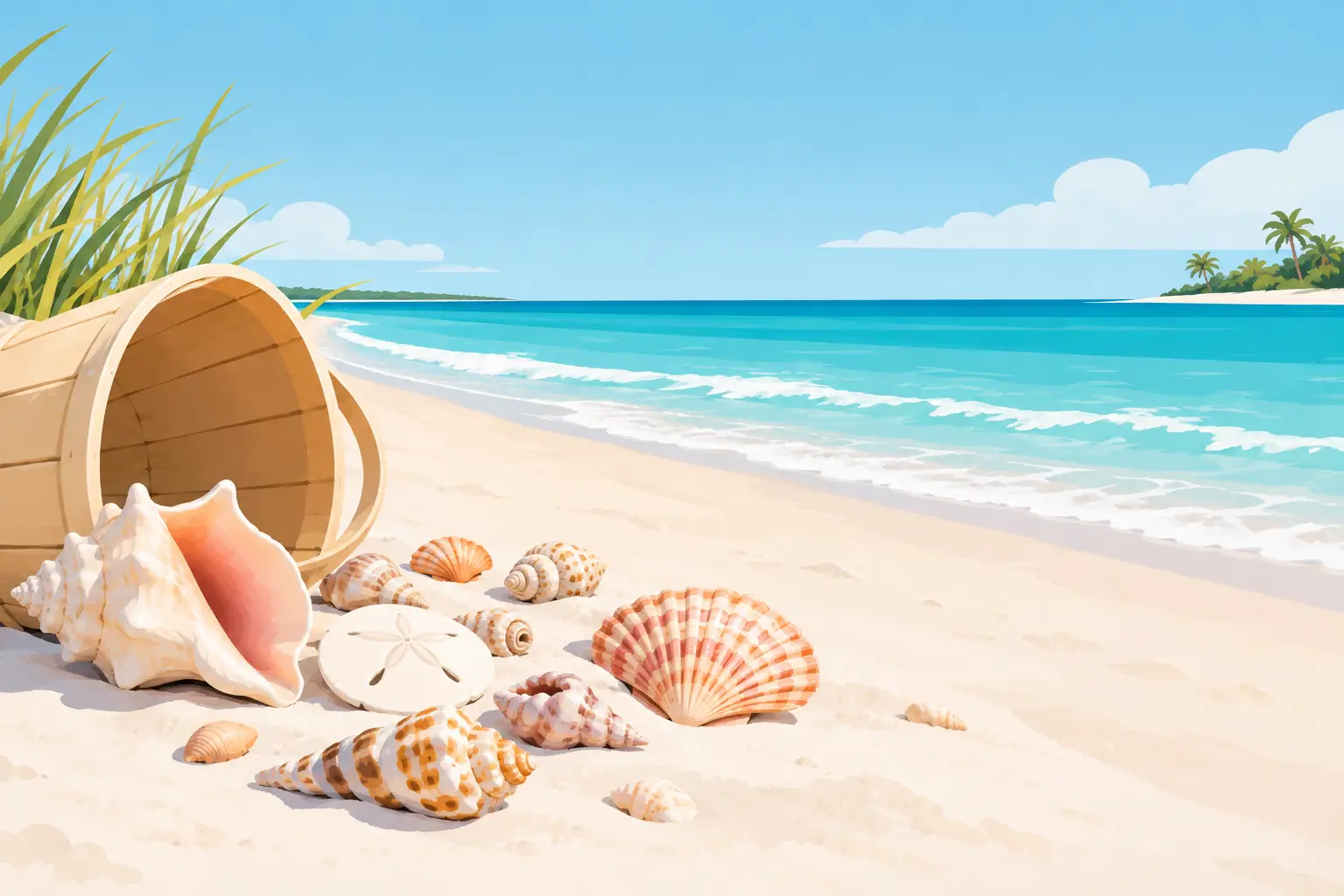
The real prize is not necessarily the largest shell in the bag. It might be a perfectly patterned scallop, a tiny olive shell gleaming in wet sand, or the moment your child realizes that the beach is full of animals, stories, and clues. Go slowly, watch the tide, and let the coast show you what it has to offer.