You can spot first-time boat tour guests in about ten seconds – they are either overdressed for the heat, underdressed for the sun, or wearing shoes they regret before the dock lines are off. If you have ever wondered how to dress for boat tours without overthinking it, the answer is simple: plan for sun, spray, wind, and movement, not just the temperature on land.
That matters more than most people expect. A calm morning at the marina can feel much warmer than an open ride across the water, and a sunny afternoon can turn uncomfortable fast if your shirt traps heat or your sandals slide around on a wet deck. The right outfit does not need to be complicated, but it should match the kind of tour you are taking and the conditions you are likely to meet.
How to dress for boat tours in warm weather
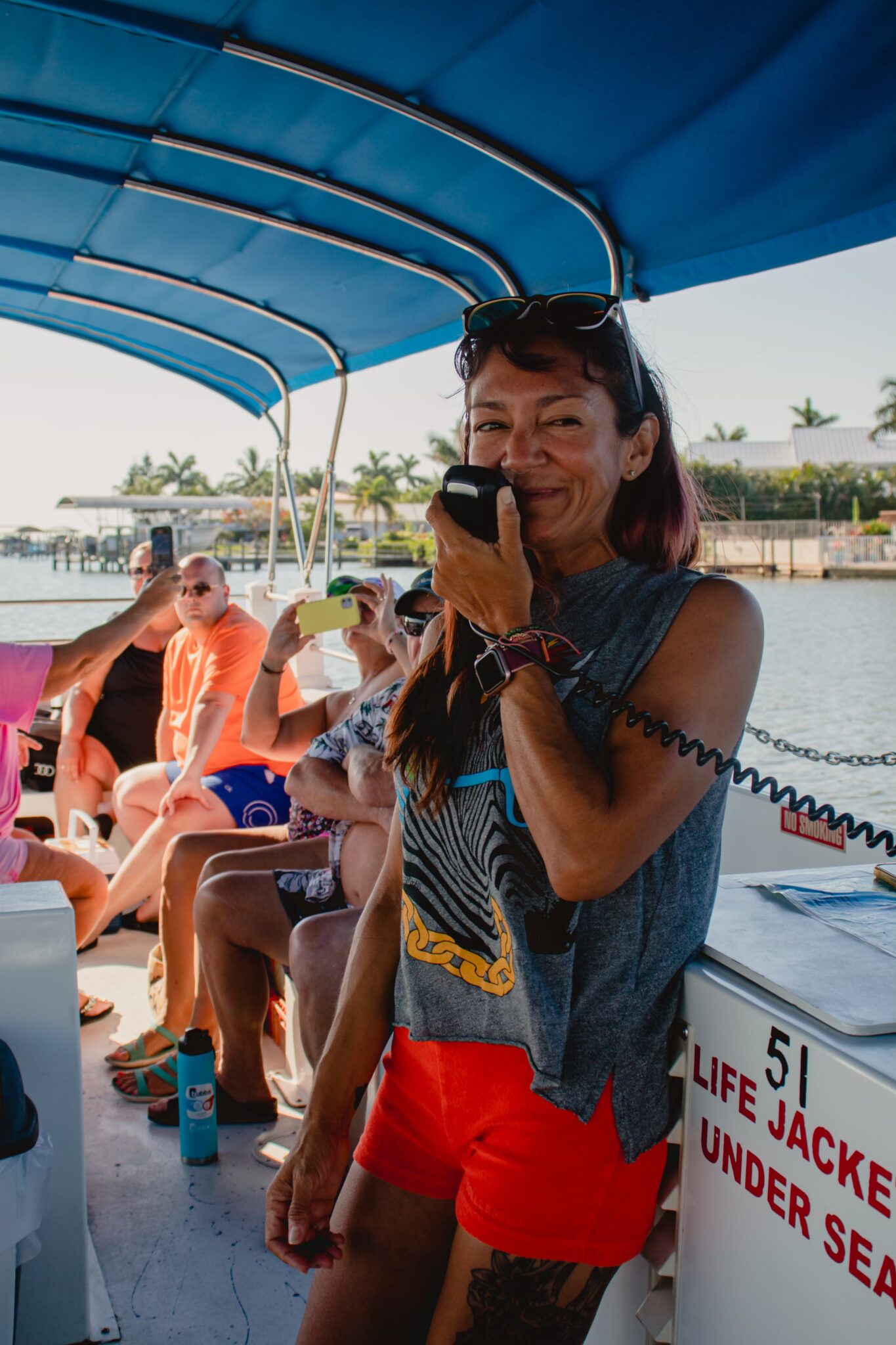
For most sightseeing, dolphin, shelling, and sunset trips in Southwest Florida, lightweight and breathable is the right starting point. A moisture-wicking shirt, a comfortable pair of shorts, and deck-friendly shoes will suit most guests better than heavy cotton or anything too restrictive. You want clothing that lets you move easily, dries quickly, and still feels comfortable if you are sitting in direct sun for part of the trip.
Long sleeves can actually be the smarter choice in hot weather. That sounds backward until you spend a few hours reflecting sun off the water. A light performance shirt often keeps you cooler than a tank top because it protects your skin without forcing you to pile on more sunscreen every half hour. For guests who burn easily, that one choice can make the whole outing more enjoyable.
A hat helps, but not every hat works on a boat. Wide-brim hats are great for shade if they fit securely. Flimsy fashion hats tend to become part of the Gulf breeze. A baseball cap is a dependable option, especially when paired with sunglasses that have a retainer strap if you know you will be looking over the side for dolphins, birds, or fish.
The biggest mistake is dressing for land, not water
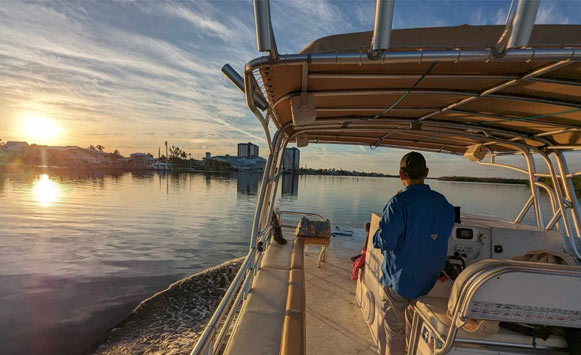
Boat tours create their own little weather system. Even on a beautiful day, you may feel cooler underway because of the breeze, and you may feel hotter when the boat slows and the sun is directly overhead. That is why flexible clothing usually wins.
If your trip is in the morning, later evening, or a cooler season, bring a light layer. A thin zip-up, sun hoodie, or wind-resistant outer layer is usually enough. You probably will not need a bulky sweatshirt in Florida, but having one light extra layer can be the difference between comfortable and distracted.
This is especially true on wildlife cruises or longer private outings, where you may spend extended time watching a shoreline, scanning for manatees, or drifting in a productive fishing area. You are not always generating body heat the way you would on a beach walk. A little planning goes a long way.
What shoes to wear on a boat tour
Footwear deserves more thought than people give it. The best choice is usually a flat, secure shoe with decent grip and a sole that handles wet surfaces well. Boat shoes, sport sandals with a heel strap, water shoes, and many clean-soled sneakers all work, depending on the trip.
The key is stability. Flip-flops are easy for the beach, but they are not always ideal on a moving boat, especially if you are stepping on and off at a shelling stop, helping kids board, or shifting positions to get a better look at wildlife. High heels are a hard no, and slick-soled shoes are almost as bad.
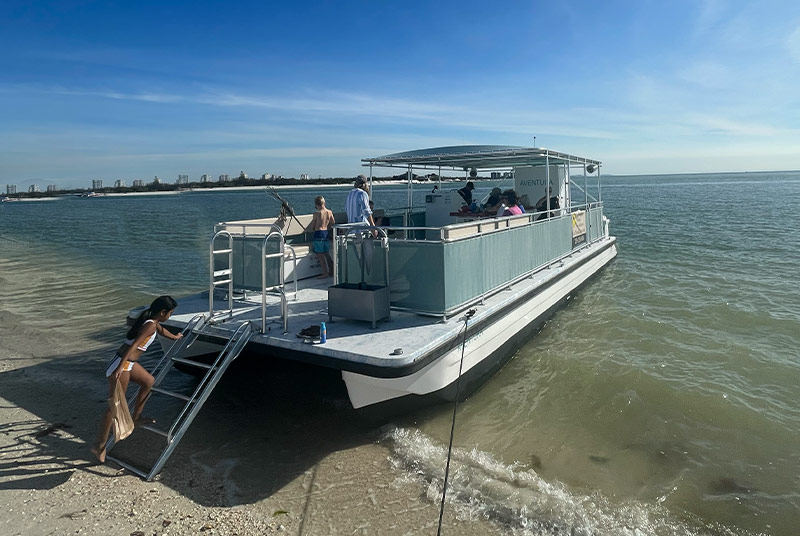
If your tour may include beach landings or shelling, expect to get at least a little wet or sandy. In that case, shoes that dry quickly and stay on your feet make much more sense than anything delicate. If you are heading out on a private fishing charter, closed-toe shoes are often the more practical move because they give you better footing and a little more protection.
How to dress for boat tours with kids
Families usually do best when they dress one step more practically than they think they need to. Kids heat up fast, get wet fast, and rarely care whether an outfit was photo-ready if it starts chafing ten minutes into the trip. Lightweight clothes, easy layers, and secure shoes make the day smoother for everyone.
A spare shirt for younger children is never a bad idea, especially on tours where water spray, snacks, or shelling are part of the experience. For babies and toddlers, breathable sun-protective clothing is usually more reliable than trying to keep sunscreen perfectly applied everywhere. Just make sure hats fit snugly and do not block their view too much.
For older kids, avoid anything they will constantly adjust, tug, or complain about. If they are comfortable, they are more likely to stay focused on what matters – spotting dolphins, watching pelicans dive, or seeing what turns up in the shallows.
Dressing for specific types of boat tours
Not every boat day calls for the same outfit. A relaxed sightseeing cruise and a backwater fishing trip may both happen on beautiful water, but they ask different things from your clothing.
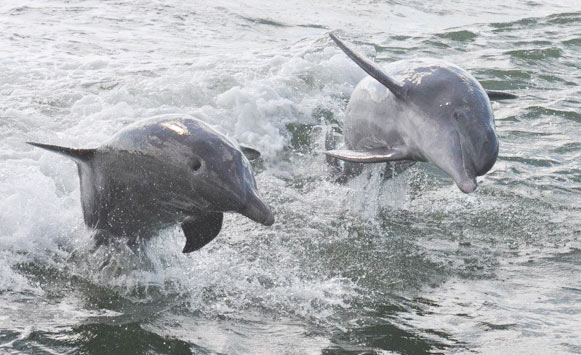
For wildlife and sightseeing tours, comfort and sun protection lead the way. You will likely be sitting, looking around, taking photos, and moving occasionally to catch the best view. Breathable fabrics, a hat, and polarized sunglasses are especially useful here because glare can be intense.
For shelling tours, think part boat ride, part beach walk. Clothes that can handle sand and shallow water are ideal. Swimsuits under cover-ups or quick-dry clothes often make more sense than regular casual wear if you expect to step off the boat.
For sunset cruises, guests sometimes lean a little nicer with their outfits, and that is fine, but keep the setting in mind. Resort-casual works better than dressy. A breezy sundress, performance polo, or lightweight button-down can look polished without feeling out of place on a boat.
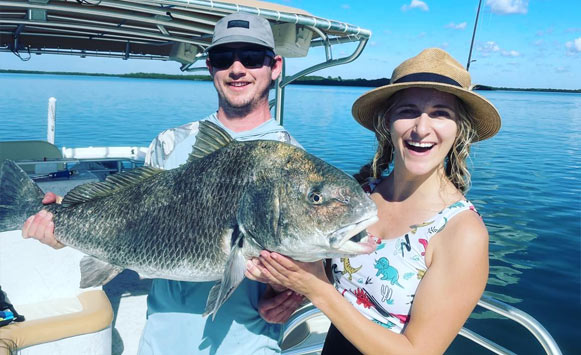
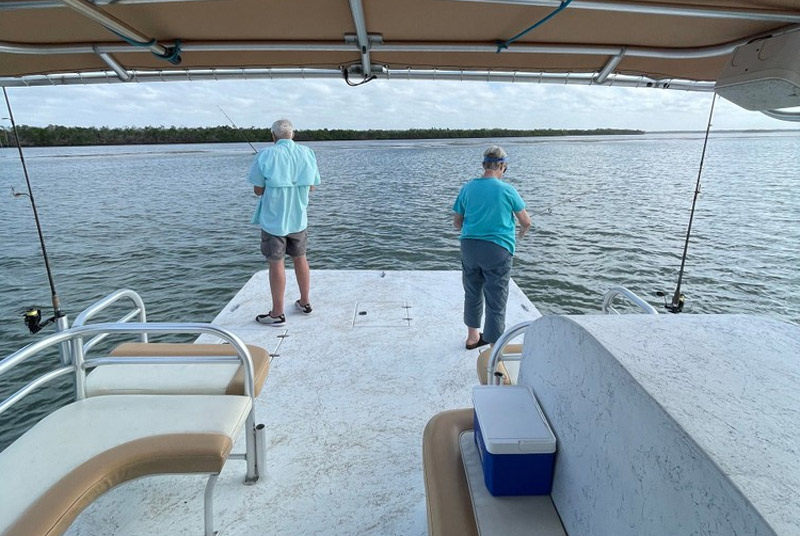
For fishing charters, function comes first. Sun shirts, lightweight long pants or shorts, a cap, and stable shoes are all smarter than heavy layers or loose clothing that gets in the way. You do not need to dress like a tournament angler, but you should be ready for sun, movement, and the chance of a little mess.
What not to wear on a boat tour
Some choices sound harmless until you are on the water. Heavy cotton is one of them. It absorbs sweat and spray, dries slowly, and can start feeling sticky or heavy fast. Dark colors can also get hot in direct sun, though they may still be fine if the fabric is lightweight.
Jewelry is another thing to keep simple. Salt, sunscreen, and active movement are not ideal for anything valuable or sentimental. The same goes for expensive handbags or anything that cannot tolerate a little moisture.
If you are deciding between stylish and practical, aim for both, but let practical win. A well-run tour should feel easy and memorable, not like you are managing your outfit the whole time.
The extras that matter more than you think
Dressing well for a boat trip is not only about clothes. Sunglasses with good glare protection can completely change how much you see on the water. Polarized lenses are especially helpful when you are trying to spot fish, birds, dolphins, or movement below the surface.
A light cover-up or extra layer is worth bringing even if you do not start in it. Conditions shift, especially if cloud cover changes or the boat picks up speed. And while it is not clothing, sunscreen belongs in the same conversation because the best outfit in the world will not fully protect exposed skin during a sunny trip.
A small, practical mindset helps. Bring what you will actually use, wear what you can move in, and expect the real environment – bright sun, reflective water, a bit of breeze, and the possibility of getting damp.
If you want one easy formula, it is this: dress light, protect your skin, wear secure shoes, and add one simple layer just in case. That approach works for most tours, most guests, and most days on the water. And when your outfit is doing its job quietly in the background, you get to focus on the reason you booked the trip in the first place – the wildlife, the scenery, and that unmistakable feeling of being out on the water.