A wildlife cruise can be the highlight of a Fort Myers Beach vacation – or a forgettable boat ride if you book the wrong trip or have the wrong expectations. The difference usually comes down to one thing: knowing how to plan wildlife cruise experiences around real habitat, real timing, and real guide expertise rather than just who does the most marketing.
If your goal is to see dolphins, shorebirds, manatees, or other coastal wildlife, it helps to think like a naturalist before you think like a tourist. Wildlife does not run on a schedule, and no honest captain should promise a perfect script. But you can absolutely improve your odds and end up with a more memorable, more educational, and more enjoyable day on the water.
How to plan a wildlife cruise around the right goal
Start by getting clear on what kind of outing you actually want. Some guests want a relaxed sightseeing trip with a good chance of spotting dolphins. Others want a deeper eco-tour with interpretation about estuaries, mangroves, birds, and shelling. Some families want a little of everything.
That matters because not every wildlife cruise is built the same way. A boat focused on partying, speed, or large crowds may not be ideal if your main goal is watching animals and learning about the local ecosystem. On the other hand, a highly specialized trip may be more than you need if you simply want a fast boat ride.
The best booking decision usually starts with a simple question: do you want a pirate cruise (which are really fun btw), or do you want an expert-guided wildlife experience? Those are not the same product.
Choose the habitat first, not just the boat
People often shop by photos of the vessel, price, or cruise length. Those matter, but habitat matters more. Wildlife sightings are tied to where the boat operates and how well the crew understands those waters.
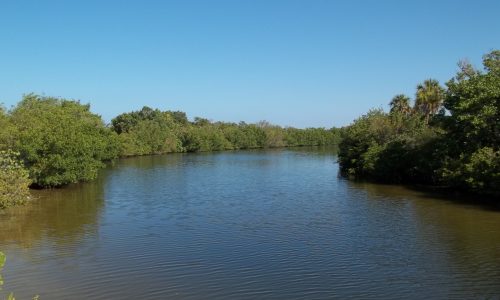
In Southwest Florida, for example, productive areas often include estuaries, mangrove shorelines, tidal passes, sandbars, and sheltered bays where dolphins feed, wading birds hunt, and manatees move through warmer, calmer water. If the trip description is vague about where you are going or why wildlife is commonly seen there, that is worth noticing.
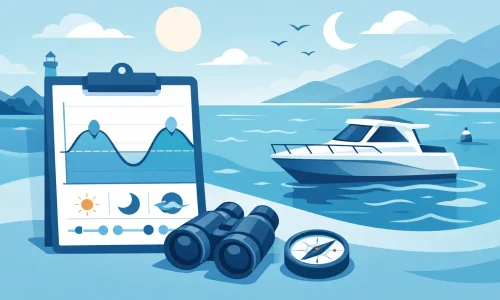
A quality wildlife cruise should make it clear that the route is designed around animal behavior and seasonal patterns. That does not mean every outing follows the same path. In fact, the best captains adjust based on tides, weather, water clarity, bird activity, and recent sightings.
That flexibility is usually a good sign. Wildlife cruises work best when the captain is reading the environment, not just repeating a preset loop.
Why the guide matters as much as the captain
The boat gets you into the habitat. The guide shapes the experience.
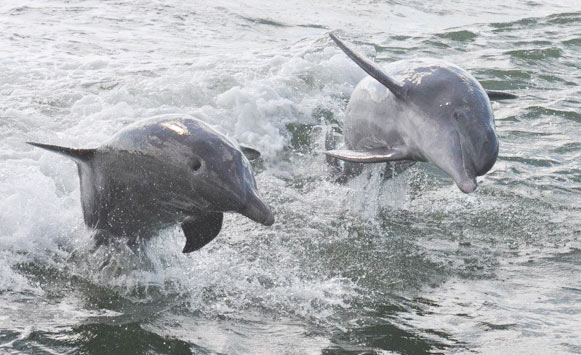
A knowledgeable captain and naturalist can help you find wildlife, position the boat responsibly, and keep the trip safe and comfortable. A strong naturalist guide adds another layer entirely. Suddenly, guests are not just seeing a dolphin surface. They are learning why it is feeding in that channel, how tides affect bait movement, what role the estuary plays, and which birds are working the same area.
Interpretation keeps everyone engaged between sightings and makes the sightings themselves more meaningful.
When you compare options, look for signs of real local expertise. Credentials in natural history, marine ecology, or coastal education matter. Longtime experience on local waters matters too. So does a company reputation built around knowledgeable crew rather than generic hospitality language.
Timing can make or break the trip
If you are figuring out how to plan a wildlife cruise, timing is one of the biggest factors you can control.
Morning trips can be excellent for calmer water, softer light, and active birdlife. In many areas, early outings also feel less hot and less crowded, which can make the experience more comfortable for families and older travelers. Late afternoon can also be productive, especially when wildlife activity picks up with changing light and temperatures.
Season matters, but not always in the way visitors expect. Warmer months may bring different bird patterns than cooler months. Manatee activity can shift with water temperature. Dolphin sightings may be strong year-round in the right habitat, but the surrounding experience changes with weather, tides, and boat traffic.
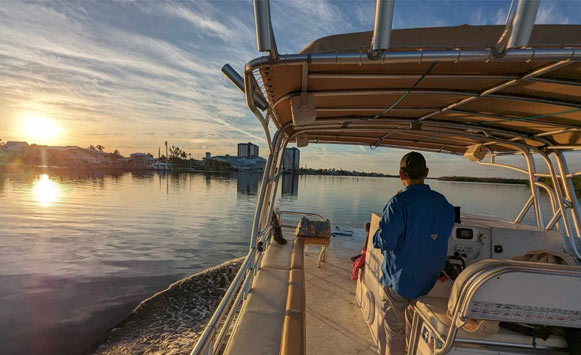
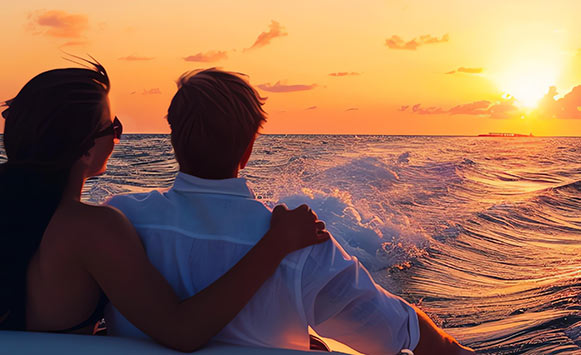
The best approach is to ask what the crew is seeing lately and which trip windows tend to be strongest for the species or experience you care about most. Good operators will give you an honest answer, including the trade-offs. A beautiful sunset cruise, for example, may be scenic and relaxing but not always the most wildlife-focused option.
Group size changes the experience
This is one of the most overlooked parts of planning.
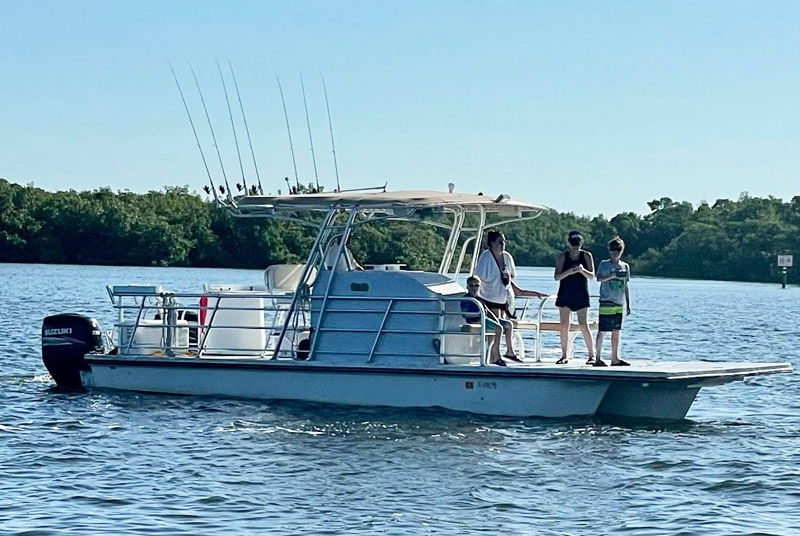
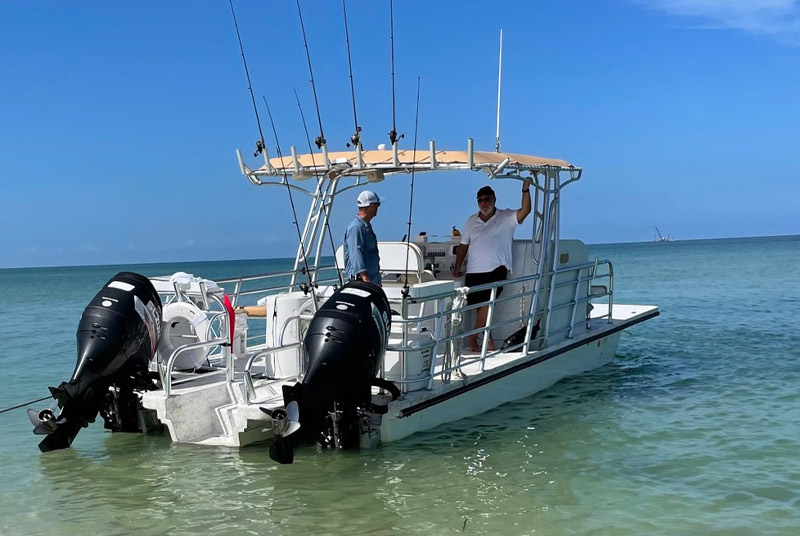
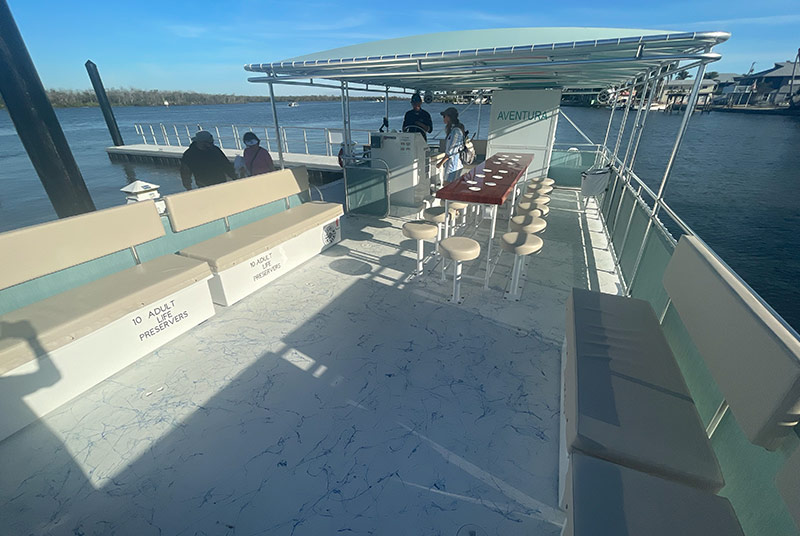
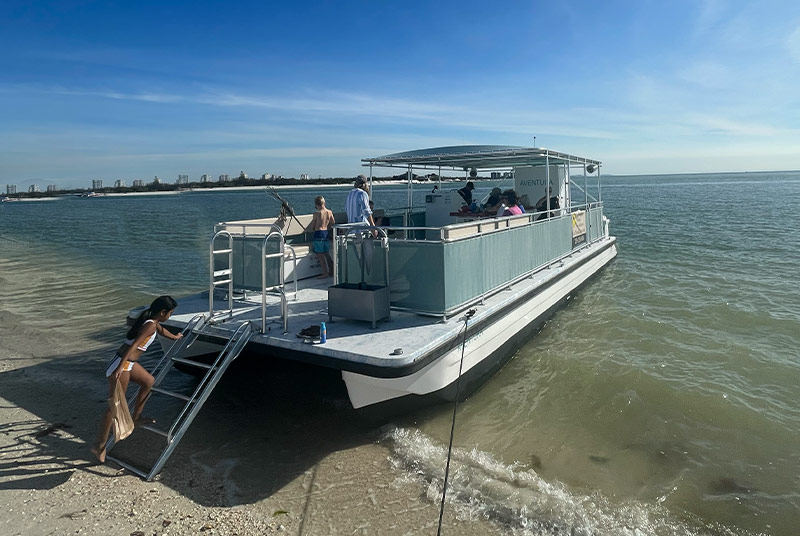
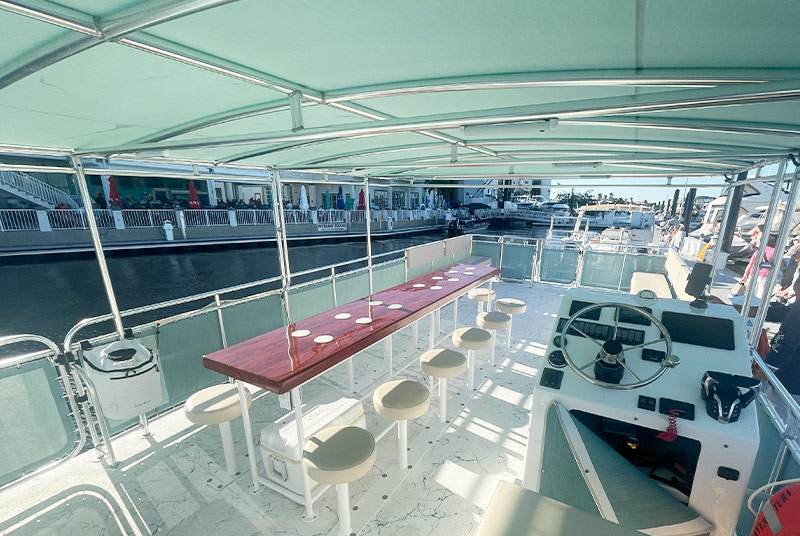
A larger vessel can be a great fit for families who want stability, easy boarding, and a social atmosphere. It may also offer more room to move around and a more budget-friendly per-person price. That said, a bigger group can feel less personal, and wildlife interpretation may be broader rather than tailored.
A smaller trip often gives you a quieter, more intimate experience with more one-on-one interaction. It can be easier to ask questions, follow animal behavior, and adapt the outing to the group. For couples, small private parties, or guests who really want a guided nature experience, that personal format often feels worth the premium.
Neither option is automatically better. It depends on your priorities. If you want the captain and guide to shape the pace around your group, small-group or private charters usually stand out.
Ask better questions before you book
You do not need to become a marine biologist to choose wisely, but a few smart questions can tell you a lot.
Ask what wildlife is commonly seen on that specific trip and during that season. Ask whether the cruise is narrated and who provides the interpretation. Ask how long the company has operated locally and whether the crew has formal naturalist training or specialized field experience.
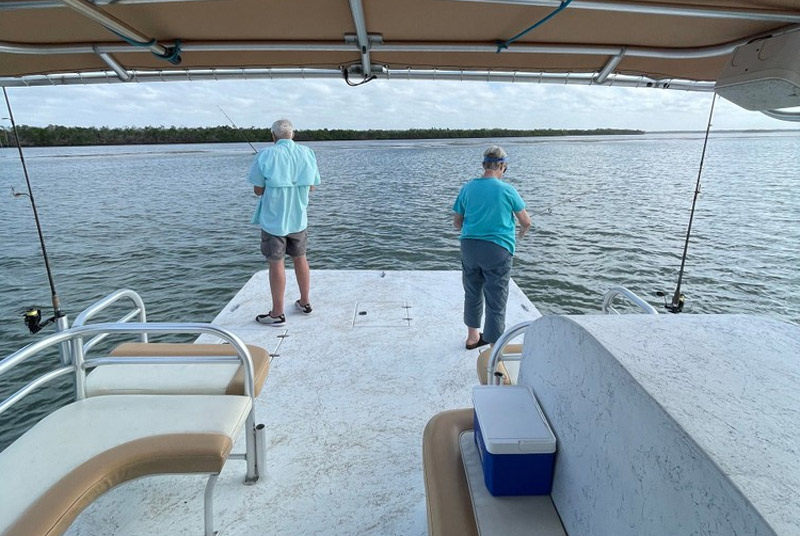
It is also smart to ask about passenger count, boat style, shade, restroom access, and overall comfort. Families with young children may care about stability and trip length. Older Seniors may want easy boarding and seating. Photographers may care about sight lines and how close the boat can responsibly position for viewing.
If the answers sound polished but thin, keep looking. A strong operator should be able to explain the experience with confidence and detail, not just sales language.
Don’t judge a wildlife cruise by sightings alone
Yes, everyone wants to see animals. That is part of the fun. But the best wildlife cruises are not successful only because a dolphin jumped at the right moment.
A well-run trip should still feel worthwhile even on a quieter day. You should come away with a better understanding of the ecosystem, a sense of place, and the feeling that the crew knows exactly what they are doing. Good interpretation turns changing conditions into part of the story instead of a disappointment.
That is one reason biologist-owned or naturalist-led companies often stand out. They know how to turn the water, weather, bird activity, and habitat into a richer experience, whether sightings are nonstop or more subtle. In Fort Myers Beach, that local ecological knowledge can make the difference between simply riding through the bay and actually understanding what you are seeing.
Prepare like a guest who wants to enjoy the trip
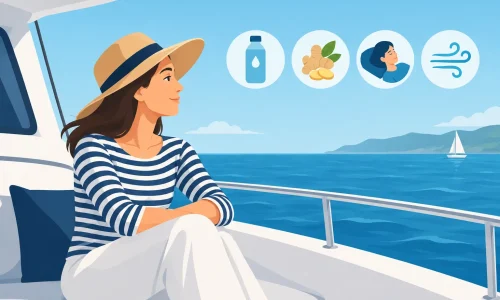
Once you book, a little preparation goes a long way. Dress for sun, spray, and changing wind. Bring reef-safe sun protection cream, sunglasses, and a hat that will stay on. If you are prone to motion sickness, plan ahead even if the route is fairly protected.
Keep expectations realistic with kids. Wildlife watching involves patience, scanning the water, and listening for cues from the crew. The boats typically cruise at slower speeds and it is not non stop action. it is nature. Letting kids know what to expect ahead of time keeps things real for them. That said, children 8 years and older usually all enjoy the tours. Younger children usually get bored, have meltdowns and often will stress out everyone on board lol. Please bring them plenty of snacks, screens, or whatever you need to keep them comfortable.
It also helps to put the phone down now and then. Photos are great, but many guests miss the rhythm of a wildlife cruise because they are watching through a screen. A dolphin surfacing off the bow is better when you actually see it happen. I often will look around and see passengers on their phones doom scrolling while boating by some of the most beautiful natural areas. I realize nature isn’t for everyone but it is what you are paying for.
Read reviews for the right signals
Reviews can be incredibly helpful, but only if you know what to look for.
Do not focus only on comments about seeing lots of dolphins. That’s the one thing that’s actually out of the crew’s hands. Look for repeated mentions of captain knowledge, naturalist narration, crew friendliness, comfort, safety, and how the company handled changing conditions. Those patterns tell you more than one lucky sighting ever could.
A long track record and a large base of strong reviews usually suggest consistency. That matters on vacation, especially when you are trying to choose an outing that feels polished, memorable, and worth your time.
Planning a wildlife cruise well is really about choosing expertise over guesswork. Pick the right habitat, the right timing, and the right crew, and the experience becomes more than a boat trip. It becomes the kind of memory that stays with you long after the tan fades.