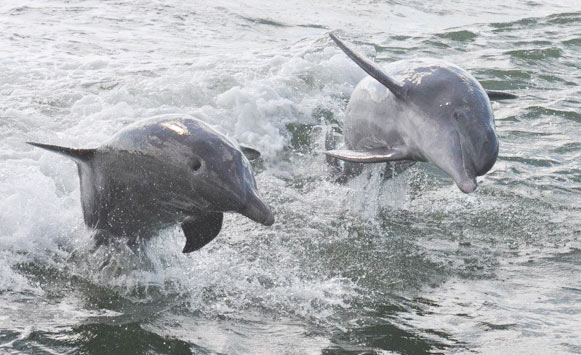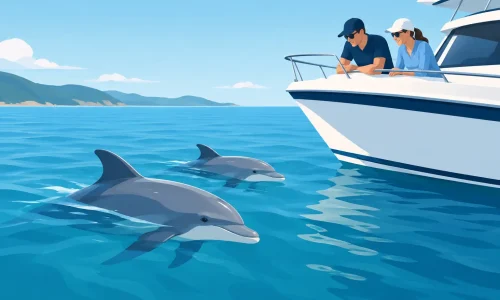
The first dolphin surfacing beside the boat can stop a child mid-sentence. A pelican diving for breakfast or a manatee nose breaking the surface can do the same. Those are the moments families come to the water for, and good boat tour safety for families is what lets everyone enjoy them without worry.
For parents, a boat outing can feel like a big unknown, especially with younger children, first-time boaters, or grandparents along for the ride. The right tour turns that uncertainty into a relaxed, memorable experience. It starts with a professional crew, a well-maintained vessel, clear instructions, and a few simple choices before you leave the dock.
Boat Tour Safety for Families Starts Before Boarding
The safest family tour is usually chosen before anyone steps aboard. Look for an established operator with experienced captains, a clear passenger capacity, and a crew that explains what to expect. A good captain does more than drive the boat. They monitor conditions, understand local channels and tides, communicate clearly, and make conservative decisions when weather shifts.
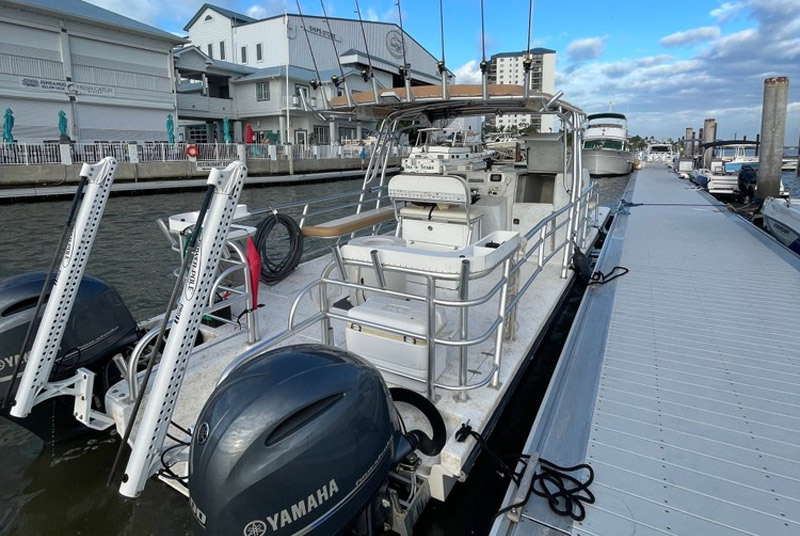
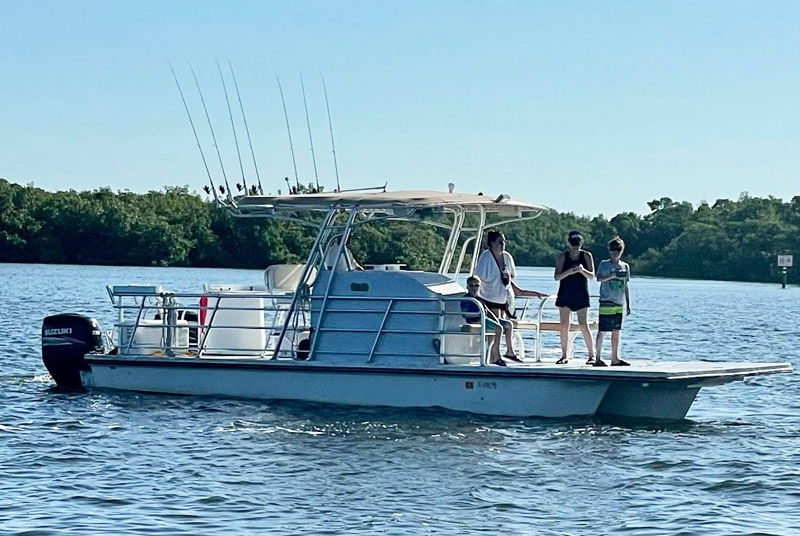
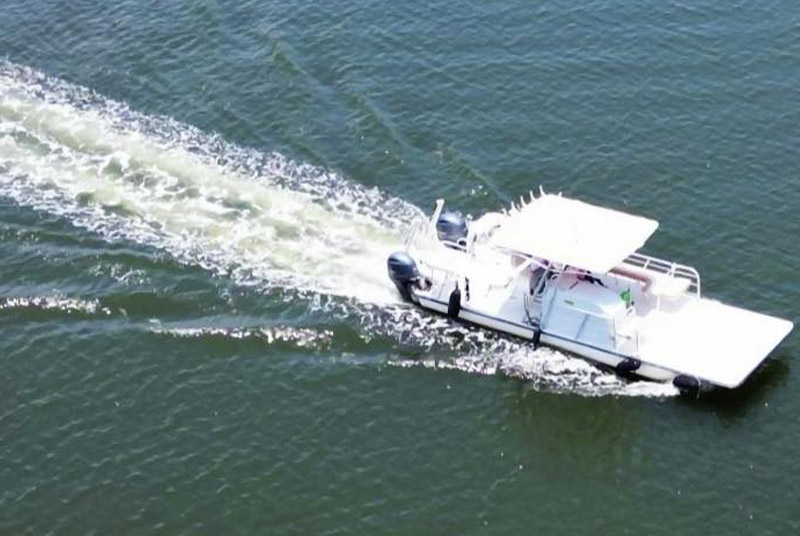
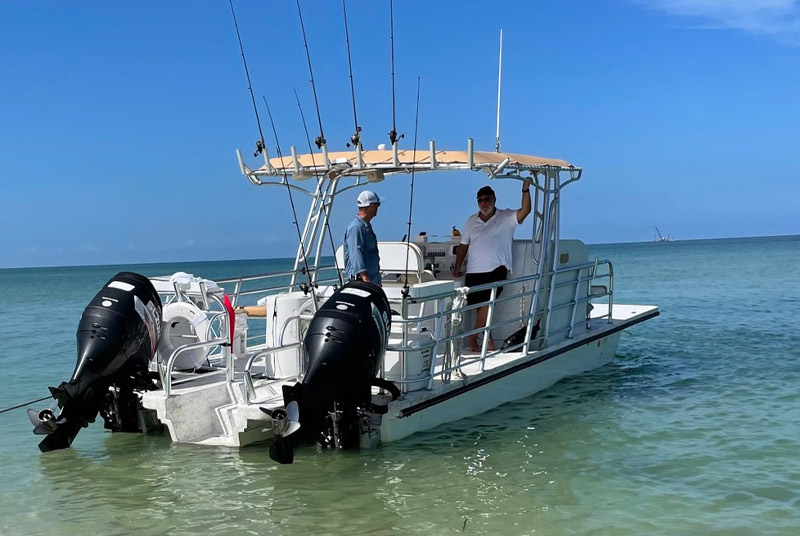
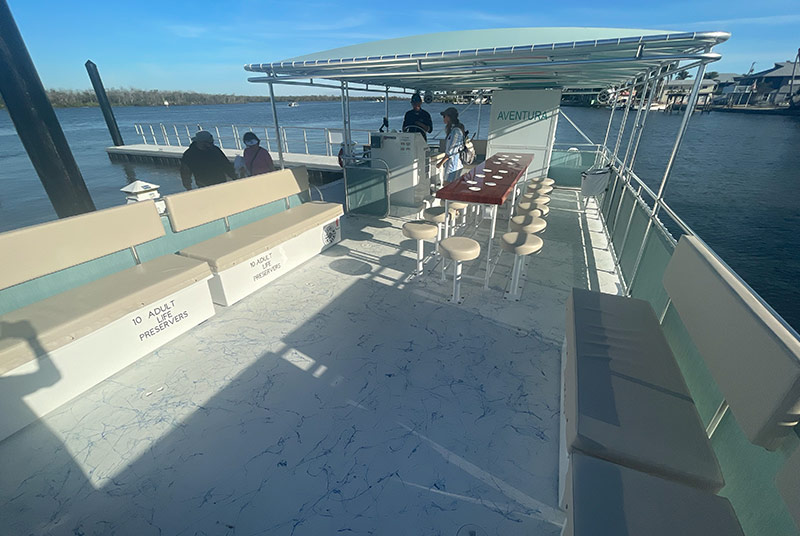
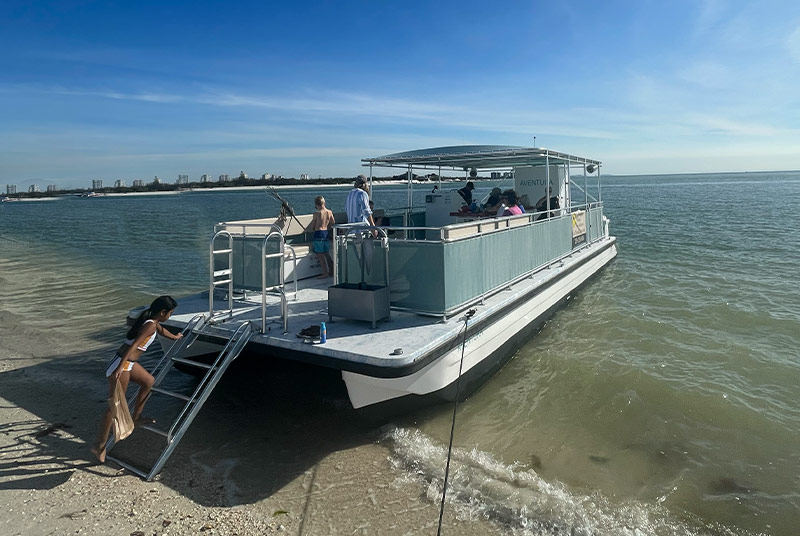
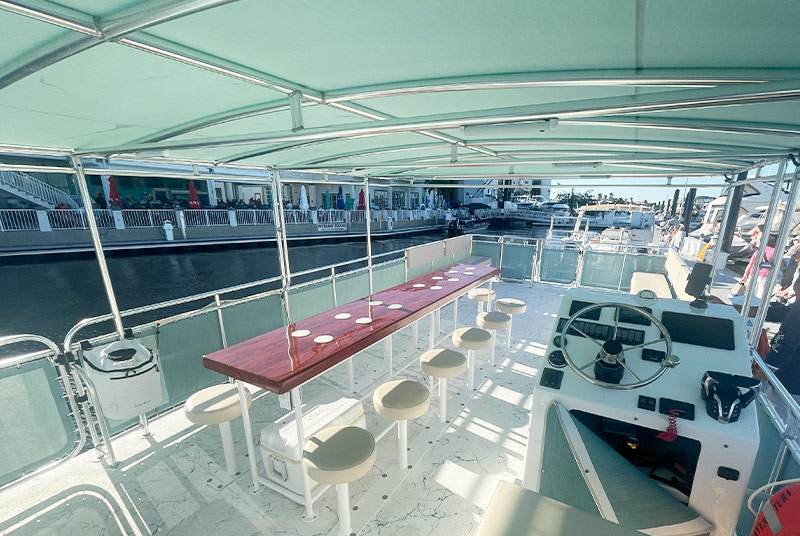
Ask what type of vessel you will be on and how many guests it carries. A larger sightseeing boat can be a comfortable fit for multigenerational groups, while a private outing may be better for families who want a quieter pace or have small children who need extra attention. Neither choice is automatically safer. The better option depends on your group, the trip length, the weather, and how much space your family needs to move comfortably.
At Good Time Charters, trips are led by experienced captains and naturalist guides who know these waters, wildlife, and changing conditions. That local knowledge matters. Southwest Florida bays, passes, and backwaters are beautiful, but tides, afternoon storms, and boat traffic all call for good judgment.
Check the forecast, but trust the captain
Florida weather can look perfect at breakfast and change by midafternoon. Check the forecast before you head out, but remember that a professional captain is watching real-time conditions, radar, wind direction, and water conditions that may not show up in a general forecast.
If a captain delays, changes a route, returns early, or cancels a trip, that is not a disappointment caused by caution. It is a sign that safety comes first. Flexible plans are part of a smart family vacation. Build a little room into your schedule so a weather adjustment does not derail the day. Sometimes, we all just get caught in the rain. It’s part of the adventure and in the wet season, it rains somewhere nearby every day.
Life Jackets Should Be Easy, Not an Argument
Every passenger should know where life jackets are stored and how to put one on before departure. Children should wear a properly fitted U.S. Coast Guard-approved life jacket whenever required by law and whenever the captain directs it. On a moving boat, especially for small children, wearing one is the easy choice. Passenger boats have different rules, so for example, no one is required to wear a life jacket on our tour boat. If you want to wear one consider bringing your own so that it is comfortable. Life jackets on most boats are for life saving situations and are constricting to wear.
Fit matters as much as having a jacket nearby. A child’s jacket should be snug enough that it will not slide over their chin or ears if lifted at the shoulders. Avoid relying on pool floaties, inflatable toys, or an oversized adult vest. They are not substitutes for a properly sized life jacket.
Make the process positive. Let younger kids try on their vest at home or in the marina before the boat leaves. Tell them it is their boating gear, just like a bike helmet or a seat belt. When children understand that everyone follows the same rules, they are less likely to see a life jacket as a punishment.
Give Kids a Simple Onboard Safety Plan
Children do not need a long lecture before a boat tour. They do need a few consistent rules. Keep it short, repeat it once the boat is moving, and make sure every adult in the group knows who is watching which child.
Explain that walking happens only when the boat is stopped or when a crew member says it is okay. Feet stay on the deck, hands stay inside the railings, and no one leans over the side to touch the water or wildlife. When the boat is underway, children should remain seated or hold a secure handhold if they need to move.
This is also a good time to point out where the restroom is, where life jackets are located, and which crew member they can ask for help. Kids who know where to go and whom to ask tend to feel calmer, especially on their first boat trip.
Supervision changes with the boat’s pace
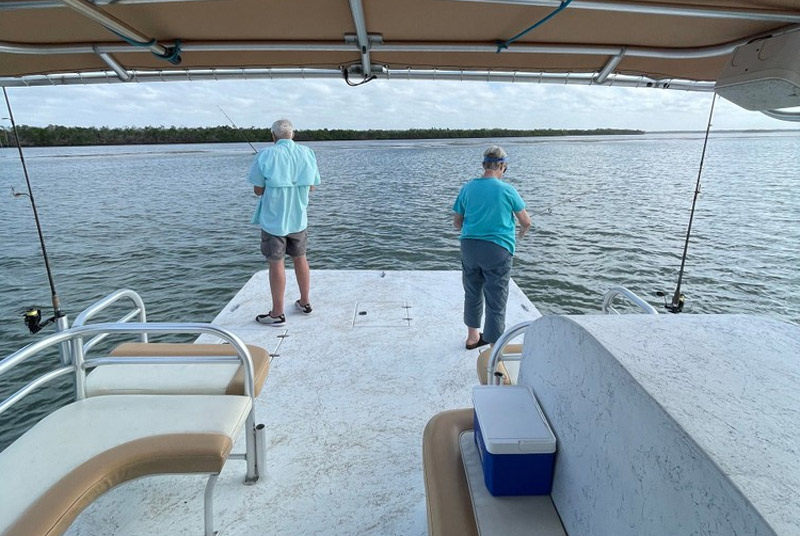
A calm sightseeing cruise can feel very different from a fast ride across open water or a fishing trip with lines, hooks, and active casting. Parents should stay within arm’s reach of toddlers and young children near boarding areas, steps, railings, and docks. Older children can often handle more independence, but they still need reminders when excitement rises. Remember, the tour guides and crew are not babysitters. Be responsible for your children.
If your child gets nervous around loud engines, spray, or motion, choose a cruise designed for sightseeing and wildlife viewing rather than a faster, more active outing. Tell the crew before departure. Experienced guides can often suggest the most comfortable place to sit and help your family settle in.
Pack for Comfort, Because Comfort Supports Safety
Sun exposure, dehydration, hunger, and motion sickness can turn a cheerful outing into a hard one quickly. A little preparation helps children stay comfortable and makes it easier for parents to focus on the experience.
Bring drinking water, sun protection, a hat that stays on in the wind, and a light layer for cooler breezes or air-conditioned cabins if applicable. Polarized sunglasses are especially helpful on the water because they cut glare and make it easier to spot fish, birds, and dolphins beneath the surface. Secure phones, cameras, and sunglasses with straps or keep them in a small zippered bag.
For motion sickness, prevention works better than waiting for symptoms. Encourage kids to eat a light meal beforehand, look toward the horizon, and get fresh air. If your child is prone to motion sickness, talk with their pediatrician or pharmacist before the trip about age-appropriate options. Do not test a new medication for the first time five minutes before boarding.
Footwear deserves attention, too. Shoes with secure soles are best for docks and boat decks. Flip-flops can be fine for a relaxed cruise if they fit well, but loose footwear is easier to lose and can be slippery when wet. Skip high heels, and keep bulky bags out of walking paths.
Wildlife Encounters Need Respectful Distance
Seeing dolphins, shorebirds, and manatees is a highlight of time on the water. It is also a chance to show children what respectful wildlife viewing looks like. The best encounters happen when animals choose to approach or continue their natural behavior without being chased, fed, touched, or crowded.
A naturalist-led tour can make this especially meaningful. Instead of simply pointing and snapping photos, families can learn why dolphins travel through certain areas, how mangroves protect young fish, or why a bird’s feeding behavior changes with the tide. Knowledge turns a sighting into a story your child may remember long after vacation ends.
Keep hands, food, and objects inside the boat. Never toss food to birds or marine animals, even if they seem interested. Feeding wildlife can alter natural behavior and create unsafe expectations around boats and people. A great guide will help your family get a close look without asking the animals to change what they are doing.
Boarding and Dock Safety Matter More Than Families Expect
Most avoidable slips and stumbles happen before the tour begins or after it ends. Docks can move, boat steps can be narrow, and hands are often full of beach bags, snacks, and excited children. Slow down during boarding.
Let crew members guide the process, use available handrails, and board one person at a time when instructed. Adults should step on first if they are assisting young children, then take a child’s hand or receive them from a crew member. Keep cameras and phones put away until everyone is settled. The same approach applies when disembarking, when tired kids may be distracted by what comes next.
If anyone in your group has limited mobility, balance concerns, or needs help stepping across a gap, tell the operator when booking and remind the crew when you arrive. Clear communication gives the team time to recommend the right vessel, seating, and boarding plan.
Make Safety Part of the Fun
The goal is not to make children nervous about the water. It is to help them feel capable on it. Turn basic safety habits into part of the adventure: spotting a life jacket station, listening for the captain’s pre-departure instructions, or learning why boats slow down near wildlife and narrow channels.
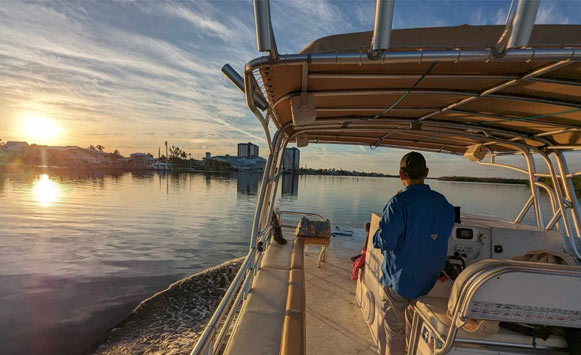
When families choose a professional operator, follow crew guidance, and prepare for sun, motion, and weather, they create space for the good stuff: a child’s first dolphin sighting, a sunset reflected across calm water, or a quiet question about a shell found along the shore. Those memories feel even better when everyone gets back to the dock safe, comfortable, and already talking about the next trip.