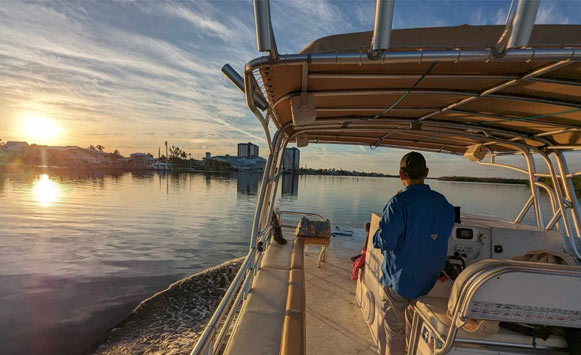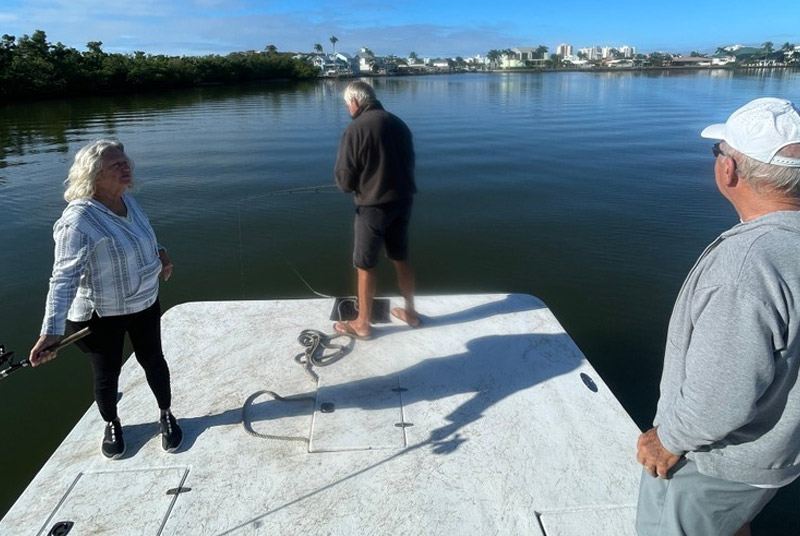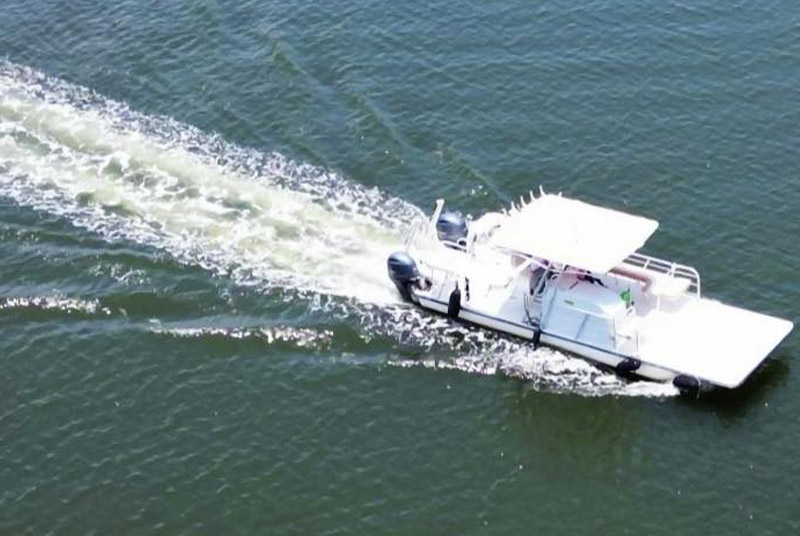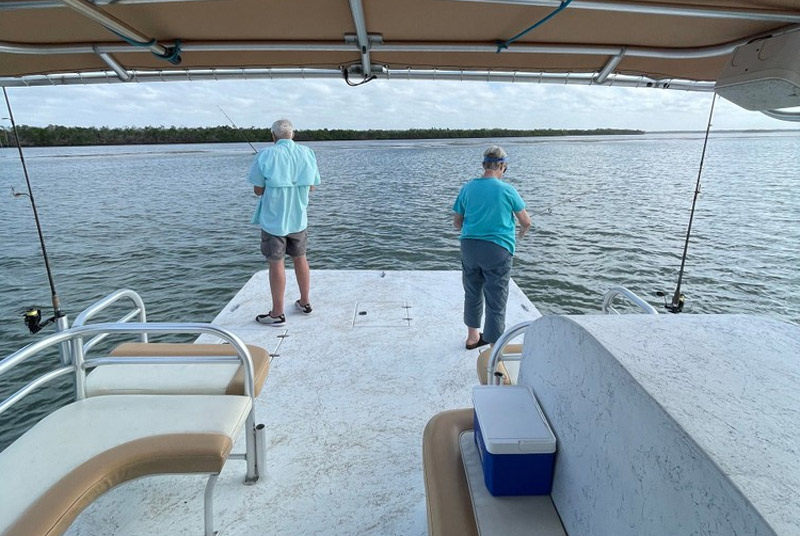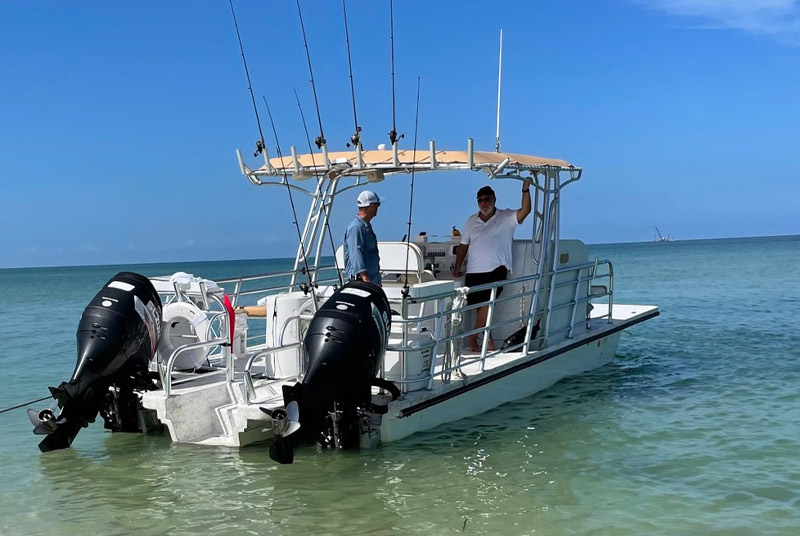
A great coastal ecosystem tour guide does more than point out a dolphin breaking the surface. They help you understand why dolphins feed in a particular channel, why birds gather around a mangrove shoreline, and why the shells underfoot change from one island to the next. Around Fort Myers Beach, the water is not just scenery. It is a living system in constant motion.
That perspective can turn a pleasant boat ride into the kind of vacation experience your family keeps talking about long after the sunscreen is washed off. You do not need a background in marine science to enjoy it, either. The best nature tours make coastal ecology easy to see, understand, and appreciate while keeping the day relaxed, fun, and full of memorable wildlife moments.
What a Coastal Ecosystem Tour Guide Actually Does
Southwest Florida’s coastal waters connect estuaries, seagrass beds, tidal creeks, mangrove islands, beaches, and the Gulf of Mexico. Each habitat supports different animals, and the conditions can shift quickly with the tide, season, weather, and water clarity. A knowledgeable guide reads those changes and explains what guests are seeing in real time.
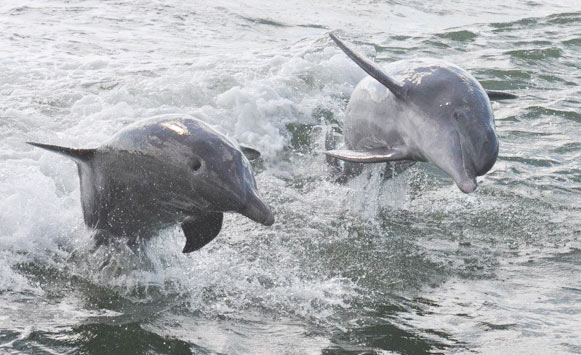
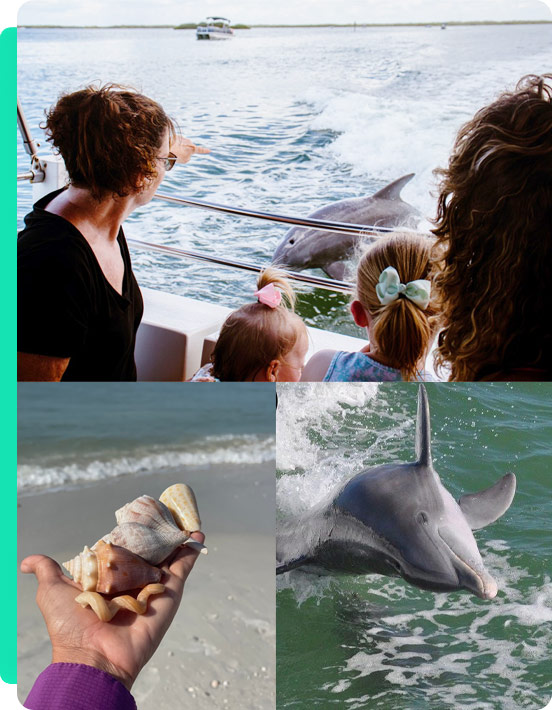
For example, a pod of dolphins may be traveling, resting, socializing, or actively feeding. The difference is not always obvious from the deck of a boat, but a naturalist can point out body language, movement patterns, and the role baitfish play in the encounter. That context helps guests observe respectfully rather than simply chase a photo opportunity.
The same is true for birds. A brown pelican plunging into the water, an osprey carrying a fish, or a roseate spoonbill feeding along a shallow edge all tell part of the story of the estuary. Your guide connects those moments to the habitat around them, from the protective roots of mangroves to the shallow grass flats where many fish begin life.
The Habitats That Make Estero Bay Special
Estero Bay is Florida’s first aquatic preserve, and its sheltered waters offer a remarkable look at the ecosystems that support the wider coast. On a nature-focused cruise, the route may change based on conditions, but these habitats are often the stars of the day.
Mangrove Shorelines
Mangroves are among the hardest-working plants on the coast. Their tangled roots stabilize shorelines, soften the effects of waves, filter runoff, and create shelter for young fish, crabs, shrimp, and birds. From the water, they can look like a solid green wall. A closer look reveals a busy nursery where small animals find food and protection.
Mangroves also make excellent wildlife viewing areas because they sit at the edge of land and water. Egrets, herons, ibis, and other wading birds use the shallows, while ospreys and bald eagles may scan the water from overhead perches. Sightings always depend on the day, but a guide who knows local feeding areas can make those quiet stretches feel full of life.
Seagrass Flats
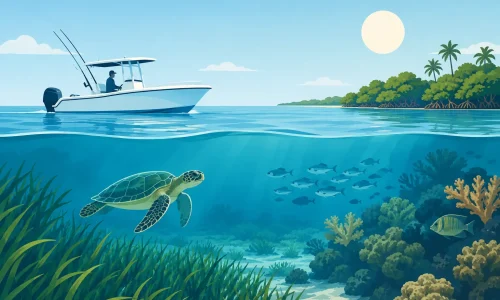
Seagrass is not seaweed. It is a flowering plant that grows underwater and provides food and cover for countless marine creatures. Healthy grass flats support fish, sea turtles, and in some areas, manatees. They also help hold sediment in place, which can improve water clarity.
Because seagrass is fragile, responsible boat operators take care around shallow areas and avoid damaging prop scars. This is one of the most useful lessons of an eco-tour: enjoyment and conservation go together. The more guests understand what lies beneath the surface, the easier it is to see why careful boating matters.
Barrier Islands and Shelling Beaches
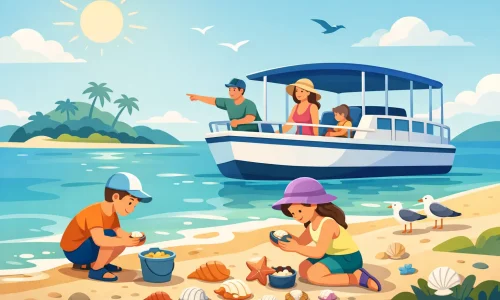
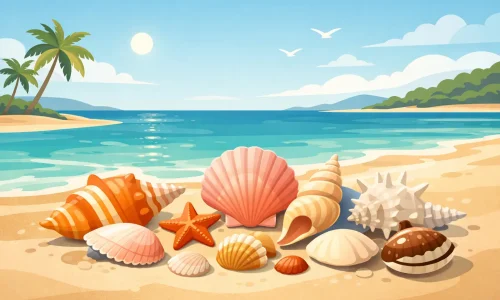
The shells found along Southwest Florida beaches are not random souvenirs. They are the remains of mollusks that once lived in nearby waters, shaped by currents, tides, and wave action before reaching the shore. A shelling stop can become a miniature lesson in coastal processes, especially when guests learn how to look without disturbing living creatures.
The best shelling is often tied to timing. Lower tides can expose more beach, while wind direction and recent weather influence what washes in. There is no honest way to promise a specific shell or a beach covered in treasures every day, but an experienced local crew can choose stops with conditions in mind.
Wildlife Viewing Is Better When It Is Respectful
Guests naturally want close-up wildlife photos, especially when dolphins surface near the boat or a manatee appears in a calm back bay. But the most rewarding encounters happen when animals are given space to behave naturally.
A responsible captain follows wildlife regulations, avoids crowding animals, and adjusts speed in sensitive areas. Your guide can also help with the small details: keeping voices low when appropriate, watching for a second dolphin after the first one surfaces, and giving children a clear place to look without leaning over the rail.
Wildlife is never a scripted performance. Dolphins, manatees, shorebirds, and sea turtles move on their own schedules. That unpredictability is part of what makes every trip unique. A strong tour operator does not manufacture excitement. They use local knowledge, safe boating practices, and patient observation to give guests the best possible chance to witness the real coast.
How Tides Change the Tour
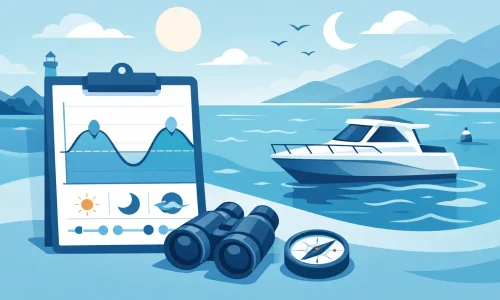
Tides are one of the biggest reasons two trips on the same route can feel completely different. At low tide, sandbars and exposed shorelines may attract feeding birds and create excellent shelling opportunities. At higher tide, boats may have better access into creeks and along mangrove edges where fish and birds are active.
Current matters, too. Moving water carries food through the estuary, and wildlife often follows that food. A coastal ecosystem tour guide may choose a particular pass, bay, or island based on where the tide is flowing and what has been seen recently. That flexibility is a sign of a well-run naturalist experience, not a lack of planning.
Weather also plays a role. A bright, calm morning can make it easier to spot animals below the surface, while an afternoon breeze may make a Gulf-facing beach feel different from a protected back bay. Your crew should make decisions with comfort and safety first, then make the most of the conditions available.
Choosing the Right Type of Nature Cruise
The best outing depends on what you want from your time on the water. Families with young children often enjoy a wildlife or dolphin cruise with plenty of room to move around and a guide who can keep natural history fun and understandable. Couples may prefer a sunset cruise, where coastal views and changing light create a more relaxed pace.
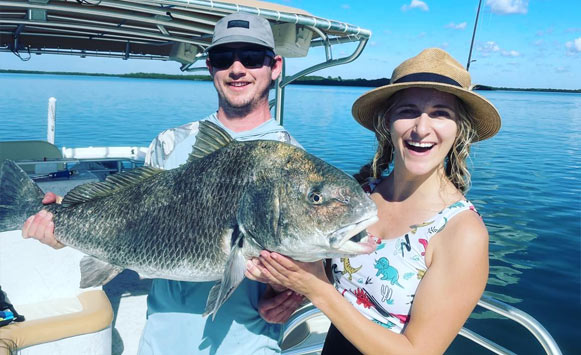
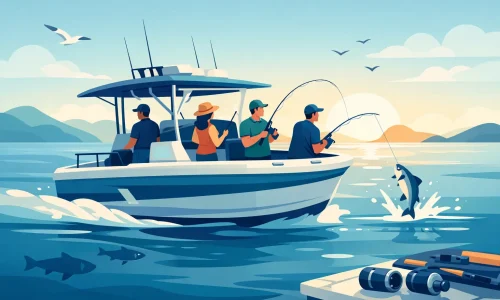
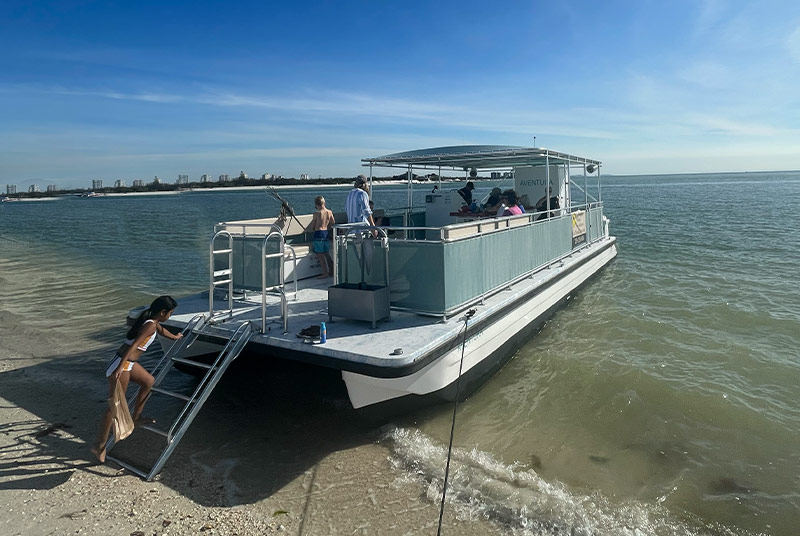
If shelling is your priority, choose an outing designed to spend time on an island or beach rather than one focused mainly on cruising. Private groups have more flexibility to tailor the experience around sightseeing, wildlife, shelling, or simply enjoying the water together. Anglers, meanwhile, may prefer a private backwater fishing charter, where the focus is on learning local techniques and targeting the species that are active.
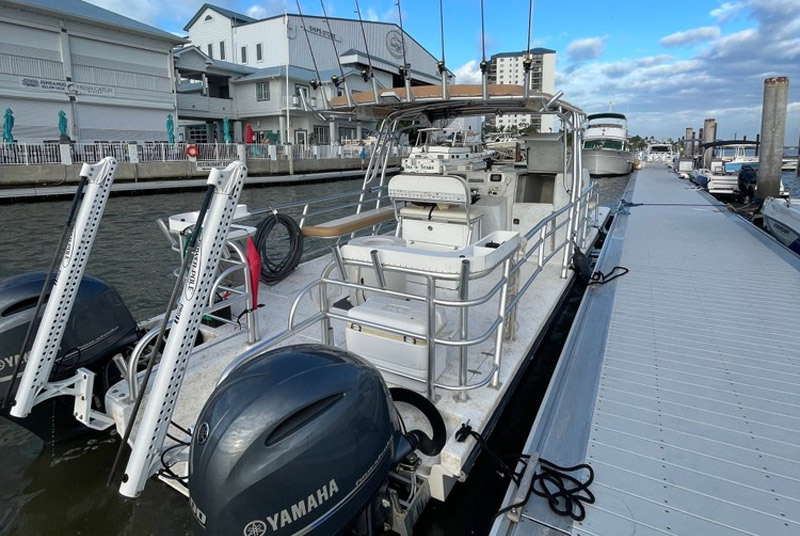
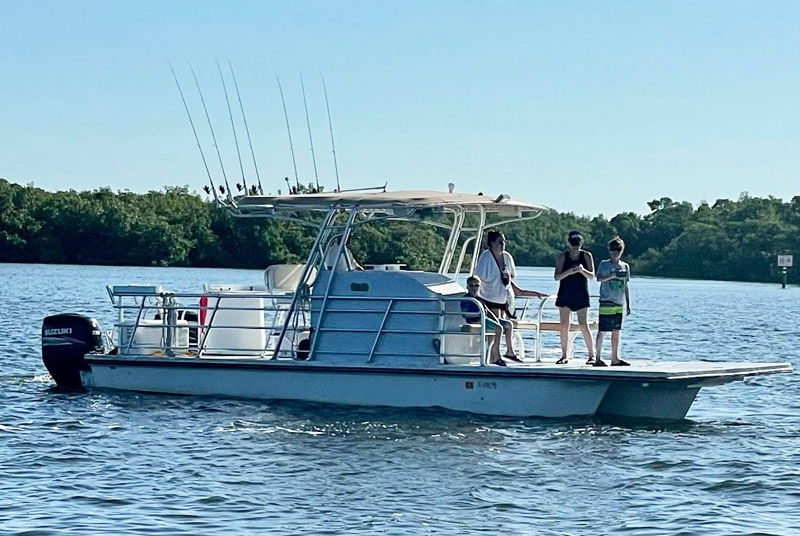
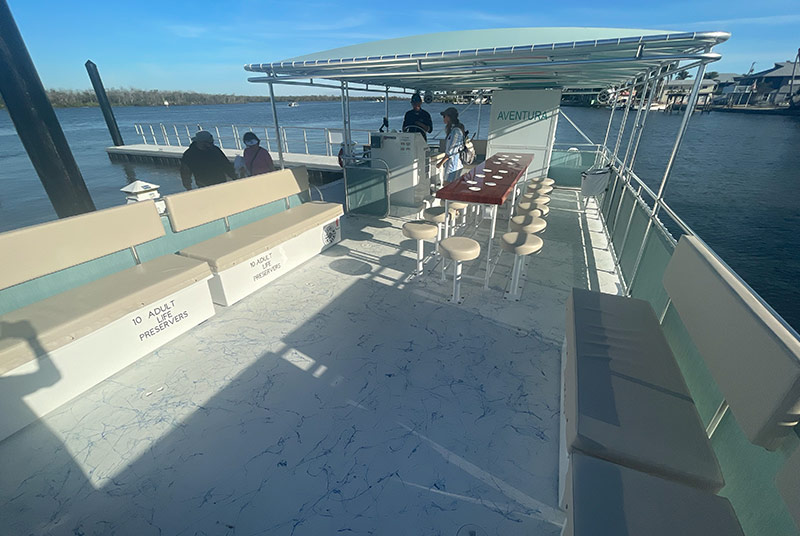
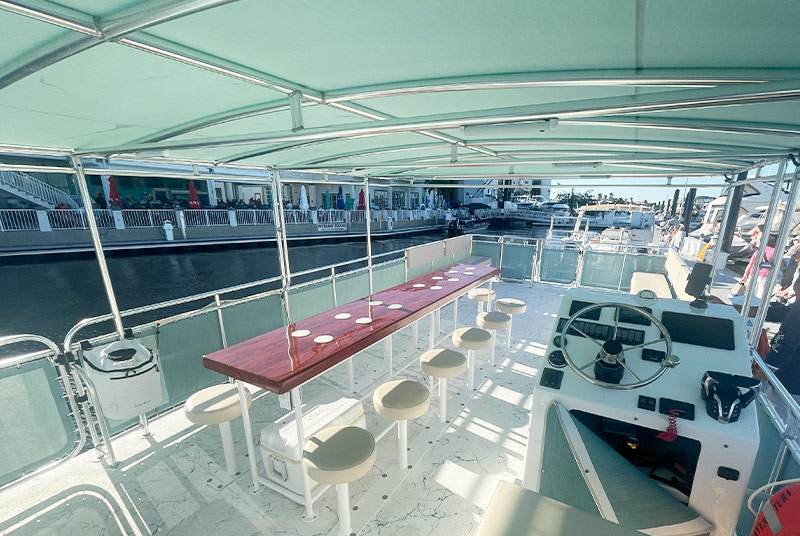
Vessel size matters as well. Larger boats can be a comfortable choice for families and groups, while a smaller private boat can create a more personal experience. Neither is automatically better. Consider your group size, mobility needs, preferred pace, and whether you want the shared energy of a group cruise or the flexibility of a private charter.
What to Bring and What to Leave Behind
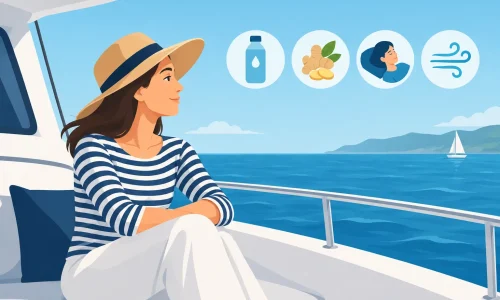
Comfort makes it easier to stay focused on the wildlife around you. Bring sun protection, a reusable water bottle, sunglasses, and a light layer for breezy conditions. Closed-toe shoes or secure sandals are a smart choice for shelling stops, and a phone or camera is all most guests need for photos.
Skip the urge to collect every interesting thing you see. Living shells, nesting areas, and wildlife should be left undisturbed. A guide can help identify what is appropriate to observe, photograph, or collect, so your souvenirs come with good memories instead of an unintended impact.
At Good Time Charters, naturalist-led experiences are built around that balance: a fun day on the water, a closer look at coastal wildlife, and the kind of local insight that gives every dolphin sighting, bird call, and shell-strewn shoreline more meaning.
The next time you step aboard, ask your guide what the tide is doing, what the birds are feeding on, and what lies below the waterline. Those simple questions can make the coast feel less like a backdrop and more like the extraordinary living place it is.