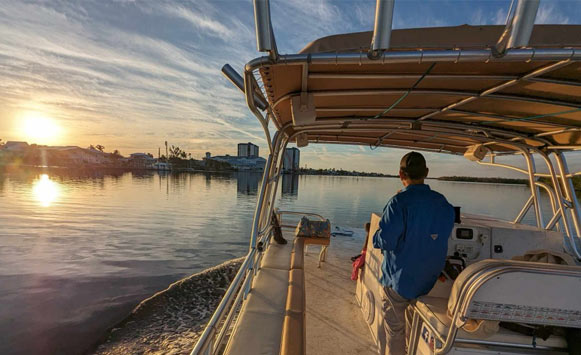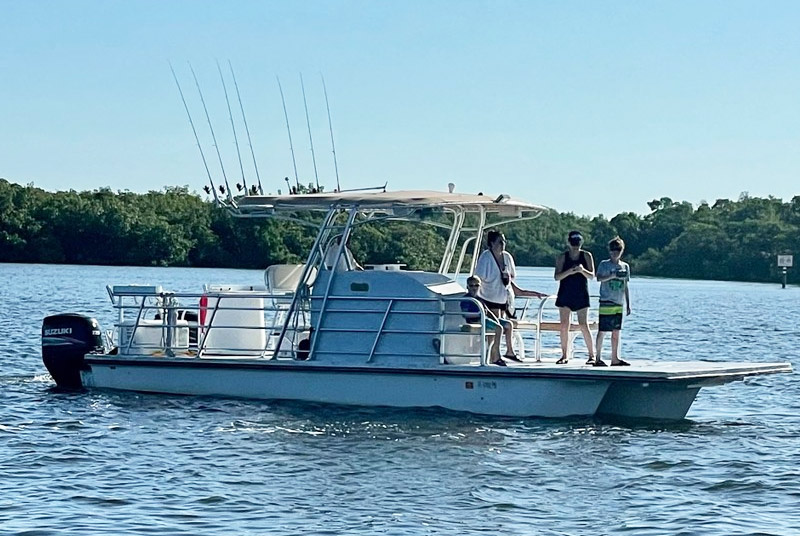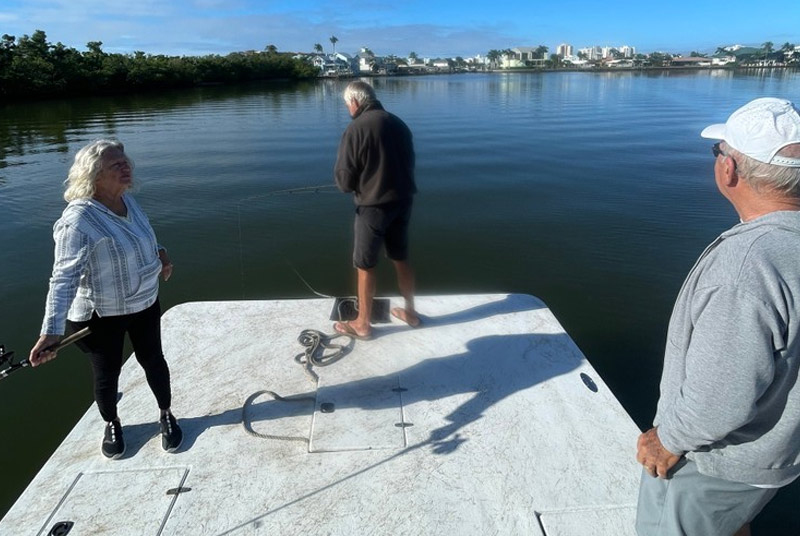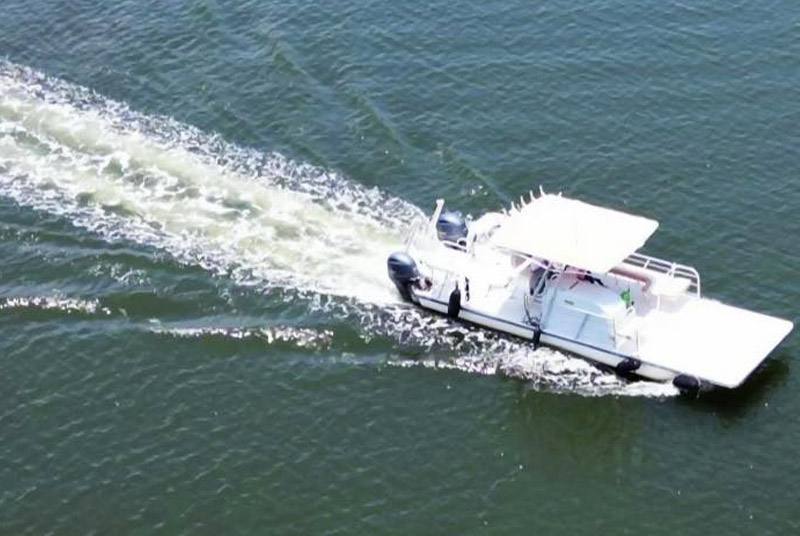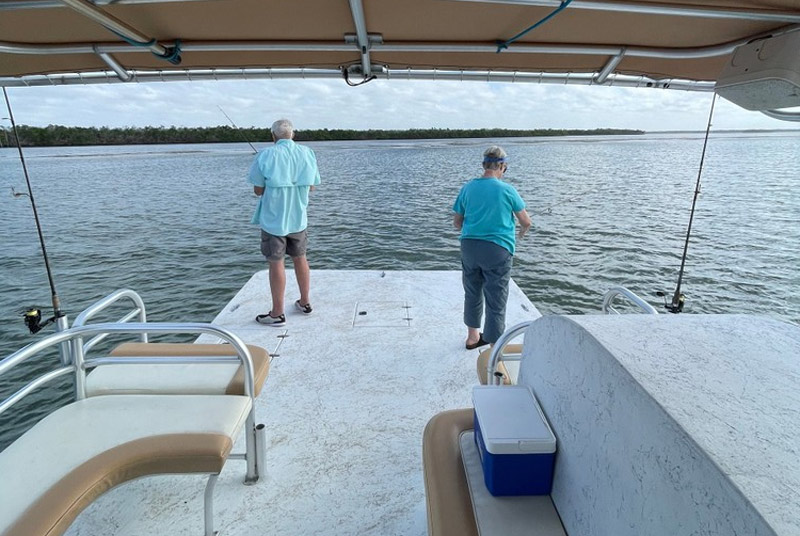
A great day on the water should leave you with dolphin photos, a pocket full of shells, and stories worth retelling – not a bigger footprint on the bay. That is why sustainable boating trends matter far beyond boat shows and glossy marina brochures. They are changing how captains operate, how guests experience wildlife, and how coastal communities protect the waters that make boating possible in the first place.
For visitors to Fort Myers Beach, sustainability is not about sacrificing fun for a lecture. It is about quieter rides, clearer water, better wildlife encounters, and a healthier Estero Bay for the next family headed out at sunset.
Sustainable Boating Trends Start With Smarter Power
Electric propulsion gets much of the attention, and for good reason. Electric motors are quiet, produce no exhaust at the point of use, and can be especially well suited to short, predictable routes in protected waters. The difference is easy to appreciate when a captain can ease toward a shoreline without the usual engine noise competing with every bird call.
But electric is not a one-size-fits-all answer yet. Larger vessels, longer routes, high speeds, air conditioning demands, and limited charging access can make a fully electric setup impractical. Marine batteries are improving quickly, but they add weight, cost, and planning requirements. A boat that spends all day running offshore has very different energy needs than one cruising calm back bays for a few hours.
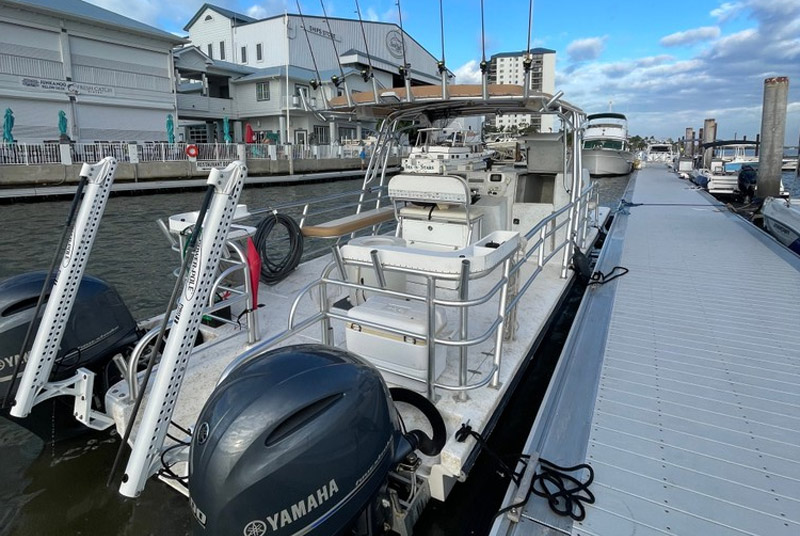
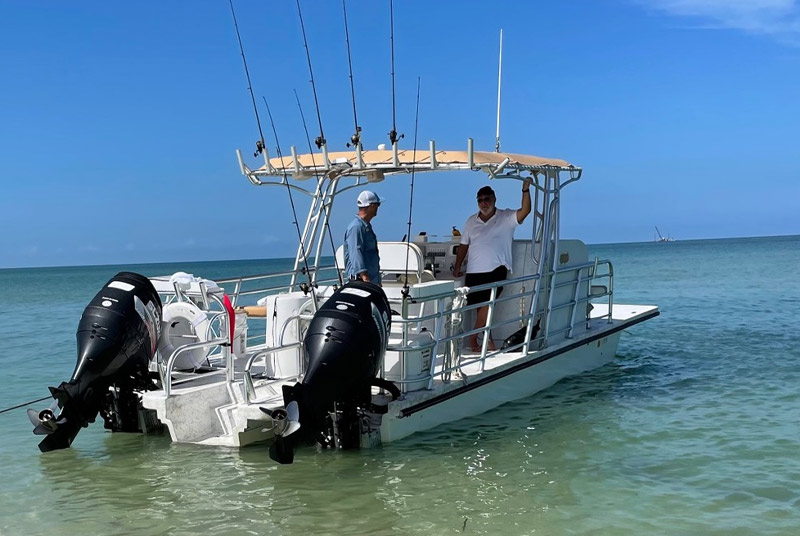
That is why hybrid systems, more efficient outboards, and careful route planning are also part of the picture. Modern engines can use less fuel than older equipment when operated and maintained properly. A captain who avoids unnecessary idling, selects a sensible cruising speed, and plans a route around conditions can reduce fuel use without making the outing feel rushed.
The most sustainable ride is often not the newest motor. It is the well-maintained vessel operated thoughtfully for the kind of trip it is actually taking.
Quieter Boats Make Better Wildlife Viewing
Noise is more than a comfort issue on the water. Dolphins, manatees, fish, shorebirds, and nesting birds all live in an environment shaped by sound. Propeller noise and sudden changes in speed can disturb animals, especially in shallow areas where they have little room to move away.
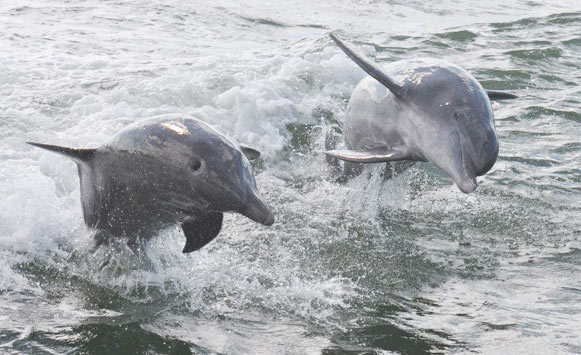
One of the most meaningful sustainable boating trends is the shift toward wildlife-first operation. That means slowing down in manatee habitat, maintaining a respectful distance from dolphins, avoiding sharp turns around feeding birds, and never pursuing an animal just to get a closer photo. If wildlife chooses to approach a boat, that is a privilege, not an invitation to crowd it.
This approach often creates a better guest experience, too. A naturalist-led trip has time to observe. Instead of racing from one possible sighting to another, guests can notice a dolphin’s feeding behavior, watch a pelican work a shoreline, or learn why a particular mangrove edge attracts so much life. The memorable moment is not simply checking an animal off a vacation list. It is understanding what you are seeing.
At Good Time Charters, that is the point of putting knowledgeable naturalists on the water: the bay has far more to offer than a quick glance and a blurry zoomed-in picture.
Cleaner Water Depends on the Small Stuff
Big environmental goals can sound distant, but many boating impacts come down to routine choices. Fuel drips at the dock, improperly stored trash, leaking fluids, harsh cleaners, and excess sunscreen washing off swimmers can all add up in enclosed coastal waterways.
Responsible operators increasingly use spill-prevention practices during fueling, keep engines serviced to prevent leaks, and choose less toxic cleaning products where possible. Guests have a role as well. Bringing a reusable water bottle, securing snack wrappers before the wind claims them, and skipping balloon releases all help keep plastic out of the water and out of wildlife.
The boating world is also paying more attention to marine sanitation. Pumping out holding tanks at approved facilities is basic good practice, not a gold star. So is avoiding discharge in sensitive areas. Clean water is not just prettier for vacation photos. It supports seagrass, shellfish, fish nurseries, and the food web that brings dolphins and birds to the places people come to enjoy.
Protecting Seagrass Is a Local Priority
Seagrass beds are underwater habitat, not empty green patches between channels. They provide food for manatees, shelter for juvenile fish, and stability for shallow-bottom ecosystems. A propeller scar can take years to recover, particularly where conditions are already stressful.
Sustainable captains read the water, respect marked channels, and avoid running across shallow grass flats when tides are low. They also know that drifting into a grass bed is not automatically harmless. Anchors, engines, and repeated traffic can do damage even when a boat is moving slowly.
For boaters, the practical rule is simple: if you are unsure about the depth or the bottom, slow down and choose a safer route. For tour guests, it is a good sign when a captain takes the long way around sensitive habitat. A few extra minutes is a fair trade for not carving a path through a living meadow.
The Rise of Purposeful, Smaller-Scale Experiences
Another encouraging trend is not mechanical at all. More travelers are choosing outings that emphasize place, education, and a smaller group experience rather than maximum speed or maximum passenger count.
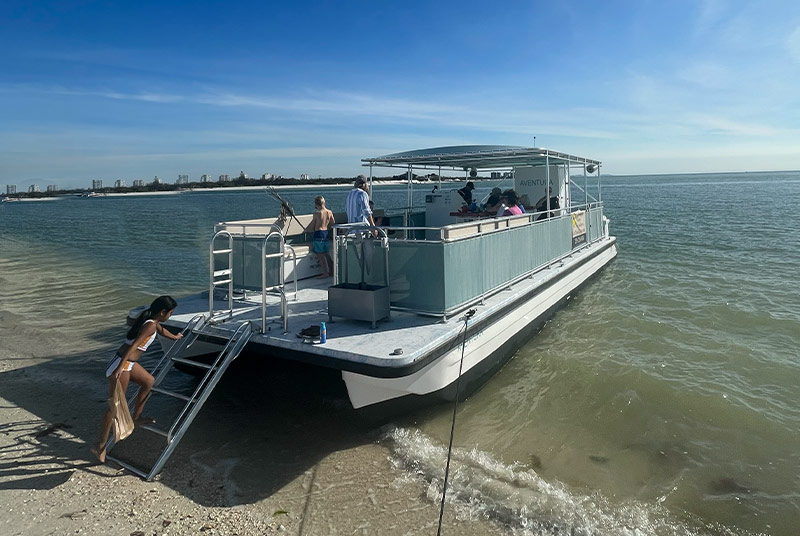
Smaller groups can mean less noise, fewer crowded viewing situations, and more room for a guide to answer questions. They can also make it easier to adapt to wildlife behavior and weather conditions. If a group spots a manatee near a mangrove edge, the crew can slow down, observe responsibly, and explain why the animal may be using that area.
Of course, smaller is not automatically greener. A nearly empty boat can use more fuel per passenger than a fuller, efficiently run vessel. That is the kind of trade-off that gets lost in simple sustainability claims. The better question is whether the trip is appropriately sized, well managed, and designed to minimize disturbance while delivering real value to guests.
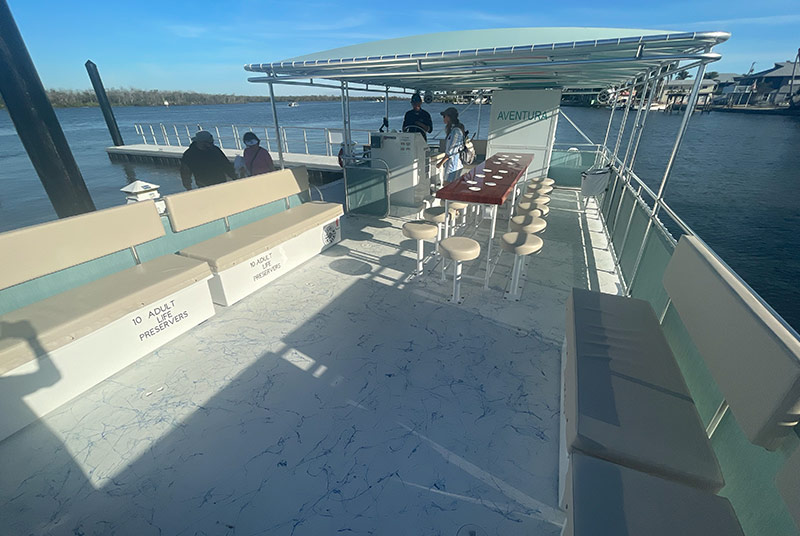
A shared sightseeing cruise may be an efficient choice for a family looking to experience the bay. A private trip can be a better fit for guests with accessibility needs, young children, a special occasion, or a focused fishing goal. Sustainability works best when it considers the full experience, not just one number.
Responsible Fishing Is Part of the Trend
Recreational fishing belongs in the sustainability conversation because healthy fisheries depend on healthy habitat. Anglers and charter captains are increasingly focused on proper handling, seasonal rules, size limits, and selective harvest.
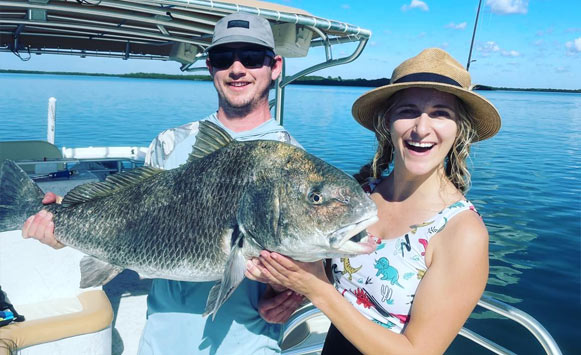
For catch-and-release fishing, a fish returned quickly and carefully has a better chance of survival. Using appropriately sized tackle can shorten the fight. Wet hands help protect a fish’s slime coat, and keeping fish in the water whenever practical reduces stress. If a photo is part of the memory, preparation matters: camera ready, quick lift, gentle release.
Keeping a legal fish for dinner can still be part of a responsible outing. The key is following current regulations, taking only what will be used, and recognizing that some days are better for releasing everything. A good captain makes those calls based on conditions, species, and the resource itself, not just on filling a cooler.
What Guests Can Look For Before Booking
You do not need to interrogate every operator about battery chemistry before stepping aboard. A few practical signals can tell you plenty. Look for a company that speaks specifically about local wildlife and habitat rather than using eco-friendly as a vague label. Notice whether its trips emphasize respectful viewing, qualified guides, safety, and small details like clean vessels and well-planned routes.
Ask whether the captain adjusts for tides, weather, and wildlife activity. The answer should not be a canned promise that every trip will produce the same sightings. Nature makes no guarantees, and honest operators know that. What they can promise is attention, experience, and good judgment when the bay decides to put on a show.
Also consider how you will arrive and what you bring. Carpooling with your group, packing reusable items, and arriving ready to board on time can reduce unnecessary waste and idle time. Little choices are not glamorous, but coastal stewardship rarely is. It is mostly a collection of good habits repeated often.
The future of boating will include better motors, smarter materials, and cleaner technology. Just as importantly, it will reward the old-fashioned skills that never went out of style: reading the water, respecting wildlife, caring for equipment, and knowing when to slow down. Choose an outing led by people who treat the bay like a living neighborhood, and your best vacation memory can help protect the place that created it.