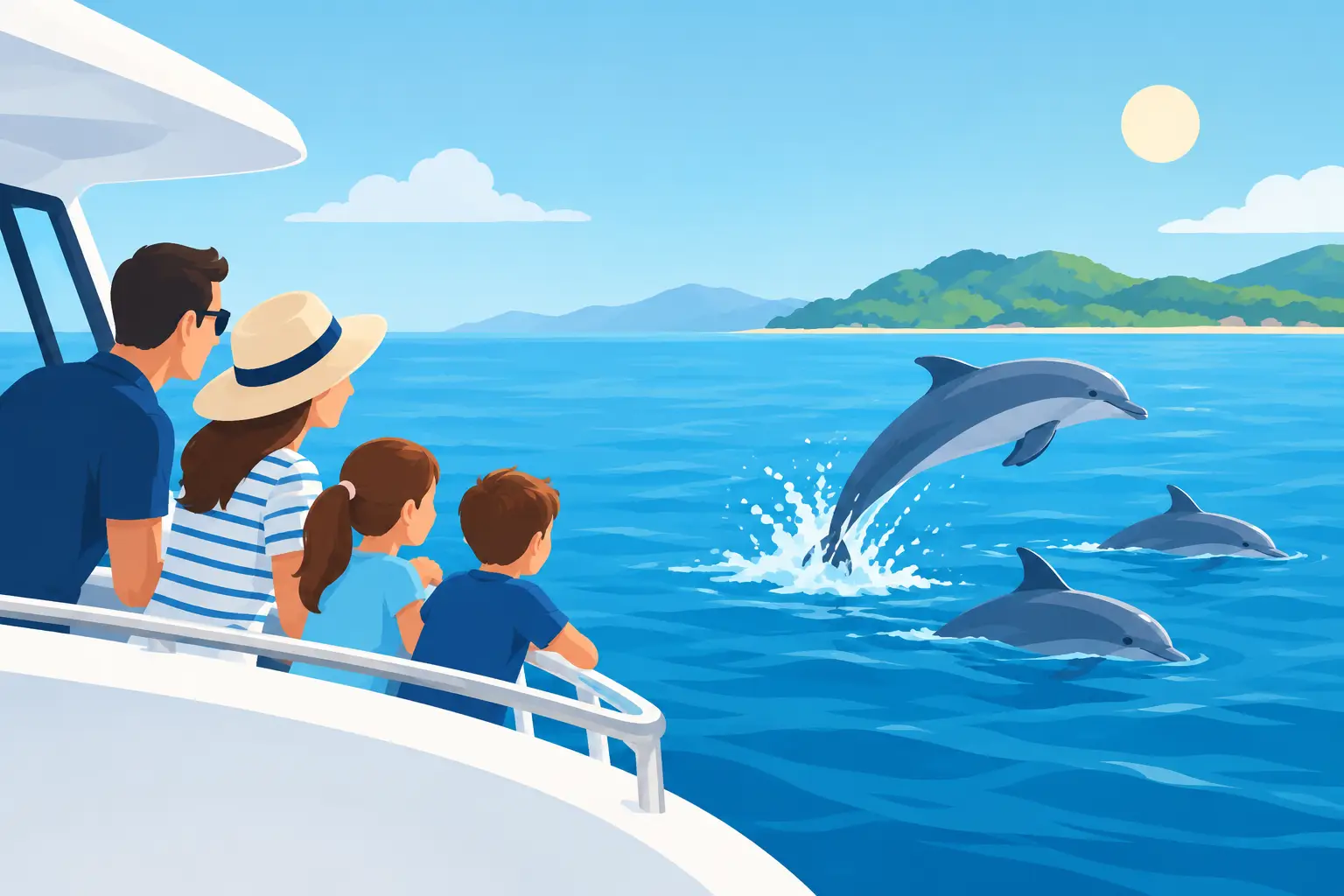
A family dolphin cruise itinerary example is most helpful when it accounts for the real rhythm of vacation days: someone needs sunscreen, someone is suddenly starving, and the youngest passenger may fall asleep just as the dolphins appear. The good news is that a well-paced boat outing can be one of the easiest wins of a Southwest Florida trip. Give yourselves time to settle in, let the kids ask every question they have about fins and feathers, and leave the rest to an experienced captain and naturalist guide.
Dolphins are wild animals, so no responsible crew can schedule a sighting down to the minute. What they can do is put your family in productive habitat, interpret what you are seeing, and turn the stretches between sightings into a fun look at the bay, barrier islands, birds, mangroves, and coastal life. That is what makes the day feel full even before the first dolphin surfaces.
A Family Dolphin Cruise Itinerary Example
This sample itinerary works especially well for families staying near Fort Myers Beach with children ranging from preschool age through teens. Adjust the clock to match your tour departure time, but try to preserve the unhurried pacing. A rushed family arrives distracted. A prepared family is already on vacation before the boat leaves the dock.
8:00 a.m. – Start with a real breakfast
A dolphin cruise is more enjoyable when everyone has eaten something more substantial than a handful of crackers in the car. Choose a simple breakfast with protein and water, particularly if your family is not used to being on a boat. Eggs, yogurt, fruit, toast, or a breakfast sandwich will do the job without making anyone feel overly full.
This is also the time to check the weather and dress for the water rather than the parking lot. Even on a warm Florida morning, the breeze can feel cooler once the boat gets moving. Lightweight layers are smart, and a hat with a chin strap is far more useful than one that becomes a donation to the bay.
9:15 a.m. – Pack light, but pack thoughtfully
Bring the items that will help your group stay comfortable, not a beach bag large enough for a three-day expedition. Sunscreen, sunglasses, water, a small snack, and any needed medication belong at the top of the list. If your children are prone to motion sickness, speak with their pediatrician or pharmacist before the trip about age-appropriate options.
A phone or camera is perfect for photos, but keep one adult available to enjoy the experience without trying to document every ripple. Dolphins can surface quickly, and the best memory is often the excited chorus from the kids, not the slightly blurry photo taken while everyone was yelling, There it is.
9:45 a.m. – Arrive early and let the anticipation build
Plan to arrive at the departure point early enough to park, use the restroom, and get everyone checked in without sprinting. Fifteen to thirty extra minutes can change the entire tone of the outing. Kids can look at the boats, spot pelicans near the dock, and get acquainted with the idea that they are about to enter a living coastal ecosystem, not just ride around on a boat.
Use the wait time to set a few simple expectations. Everybody stays seated when the captain asks. Everybody listens during safety instructions. Everybody gets a turn at the good viewing spot. Those small ground rules prevent sibling diplomacy from becoming the day’s main attraction.
On the Water: More Than a Dolphin Search
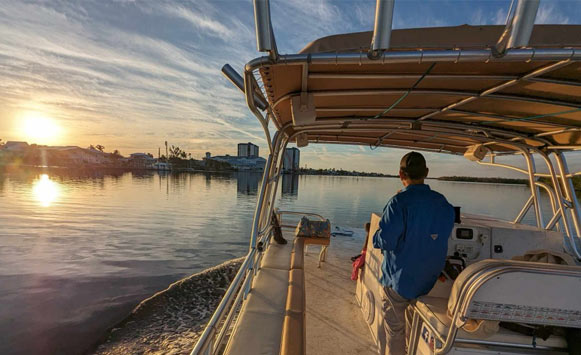
Once underway, encourage children to look beyond the horizon. Bottlenose dolphins are the headline act for good reason, but the water tells a much bigger story. Ospreys may circle overhead. Brown pelicans can glide low over the surface with remarkable precision. Egrets, herons, terns, and shorebirds often make an appearance, while mangrove shorelines reveal why protected nursery habitat matters to so many coastal species.
A naturalist-led cruise adds useful context here. A guide can explain why dolphins may be feeding in a particular area, how their behavior changes when they travel or socialize, and why respectful distance is part of good wildlife viewing. Children tend to remember these details because they are seeing the habitat while hearing the story.
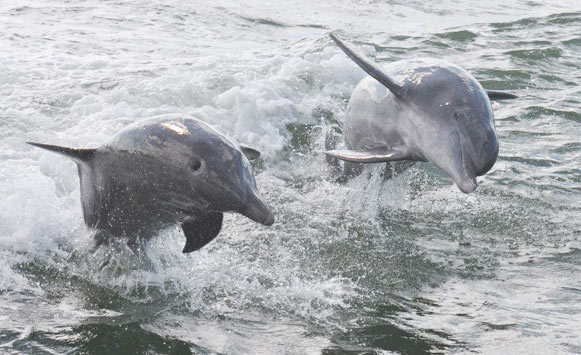
If dolphins are spotted, resist the urge to make the moment feel like a scavenger hunt with a winner and loser. Watch for a dorsal fin, then notice whether more animals follow. Look for calves staying close to adults. Pay attention to the dolphins’ direction of travel and how they surface. The goal is not to get as close as possible. It is to observe a wild animal behaving naturally.
For younger children, give the experience a gentle game: ask them to count pelicans, identify the color of a passing marker, or listen for the sound of a dolphin taking a breath. Older kids may enjoy learning how dolphins use echolocation or why mangroves help support fish populations. A good guide can meet both ages where they are.
A practical note about timing
Morning cruises are often a strong fit for families because children are rested, the midday heat has not peaked, and there is still plenty of day left afterward. That said, an afternoon departure can be ideal if your crew moves slowly in the morning or if you have toddlers who nap early. The best time is the one that matches your family’s normal energy level.
Weather matters too. A bright, breezy day can be wonderful, but conditions on the water are always the captain’s call. Flexibility is part of a coastal vacation. If a tour needs to shift because of weather, treat the change as a chance to visit a local attraction, enjoy lunch, or take a beach break rather than trying to force an outdoor plan that no longer fits.
After the Cruise: Keep the Day Easy
Plan lunch soon after getting off the boat. Even children who claimed they were not hungry before boarding often emerge ready for a meal. Keep the post-cruise plan simple: a casual lunch, a swim, or some quiet time back at your lodging. Trying to schedule a full beach day, a major attraction, and dinner reservations immediately afterward is how a memorable outing becomes a family endurance event.
If the kids are still energized, extend the learning with a short beach walk. Look for shells, bird tracks, and wrack lines where seaweed and natural debris collect. Avoid collecting live animals or disturbing nesting areas, but do let curiosity lead the conversation. Ask what they noticed from the boat that they can now see from shore.
This is also a nice time to look through photos together. Rather than asking only whether anyone got the perfect dolphin shot, ask each family member for one thing they learned and one thing that made them laugh. A child may remember a dolphin. Another may remember the captain’s story about birds. Both count.
How to Make the Itinerary Work for Your Family
The best family cruise plans leave room for personality. A high-energy eight-year-old may want to stand at the rail and scan the water the entire time. A sensory-sensitive child may be happier with a shaded seat, headphones, and a favorite snack. A grandparent may appreciate an easy boarding process and a comfortable place to sit. Share any meaningful needs when booking so the crew can help you choose an outing that fits.
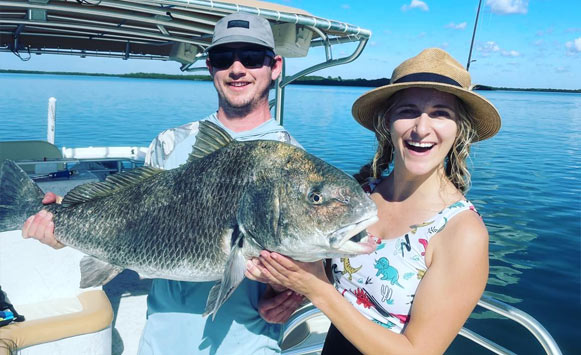
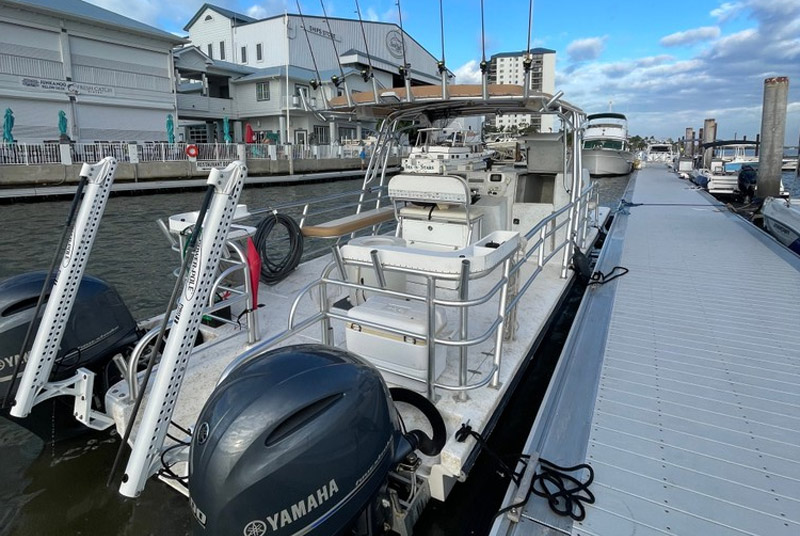
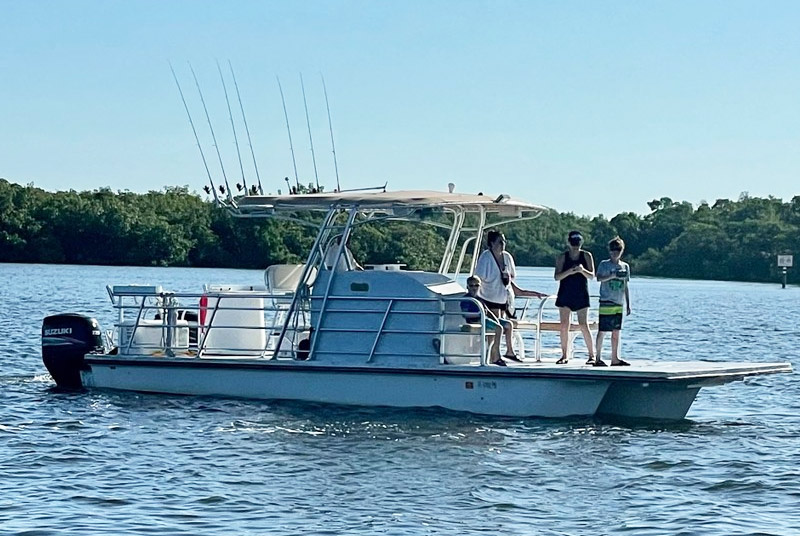
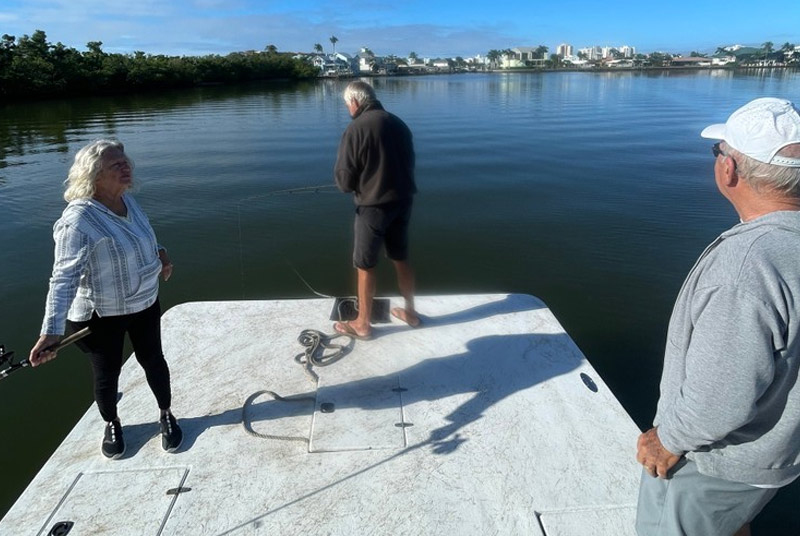
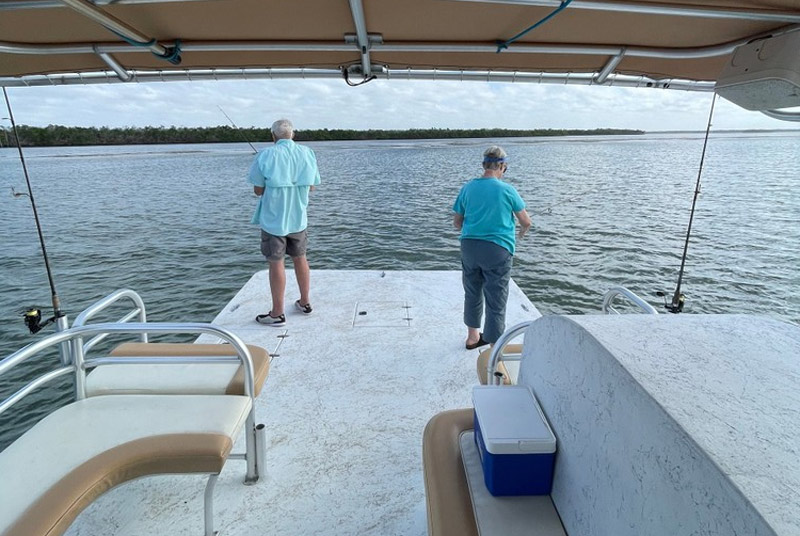
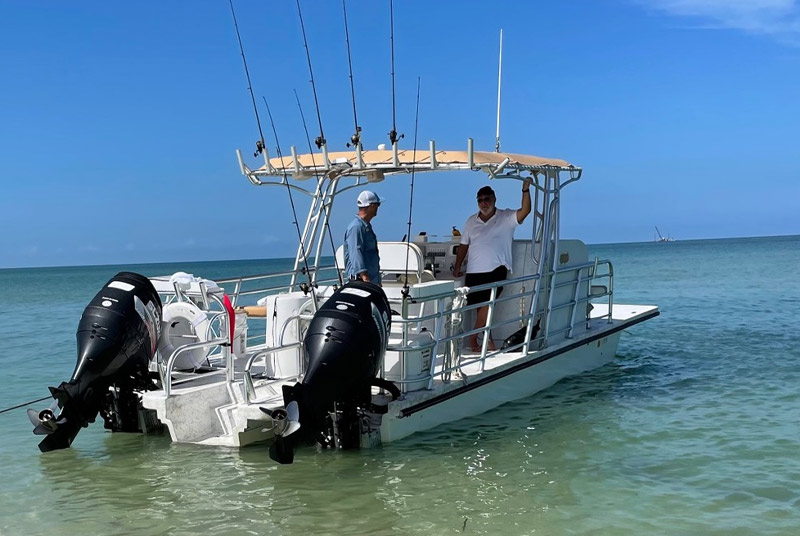
Private charters can make sense for multigenerational groups or families who want more control over the pace, while a shared wildlife cruise can be a terrific value and a fun way for kids to share the excitement with other visitors. Fishing trips are a separate private-charter experience and are best chosen when casting lines, learning local techniques, and spending focused time with a captain are the family’s main goal.
At Good Time Charters, the point is not to rush through a checklist of animals. It is to give your family a safe, lively, expert-guided chance to see the coast the way it is meant to be seen: from the water, with curiosity turned on.
Leave a little blank space after your cruise. The dolphins may be the story you planned for, but the salty hair, the pelican sightings, and the child who suddenly knows what a mangrove does are often the parts that stay with you longest.