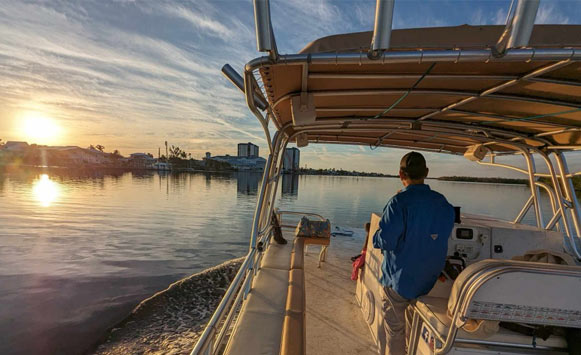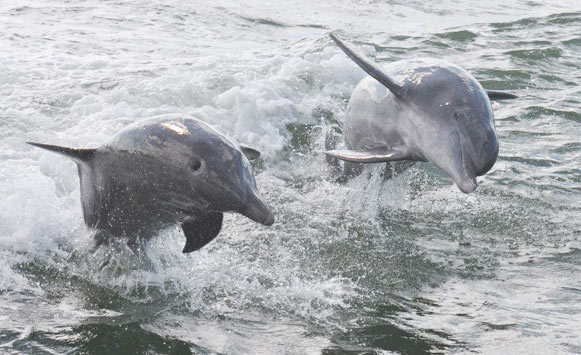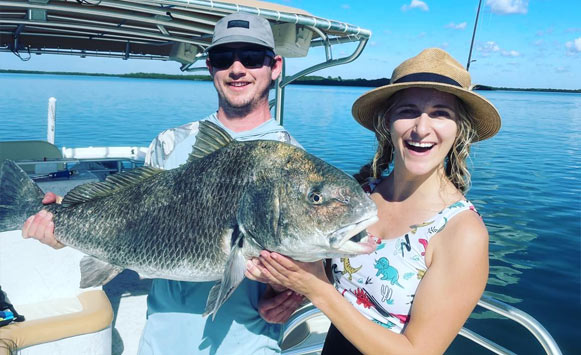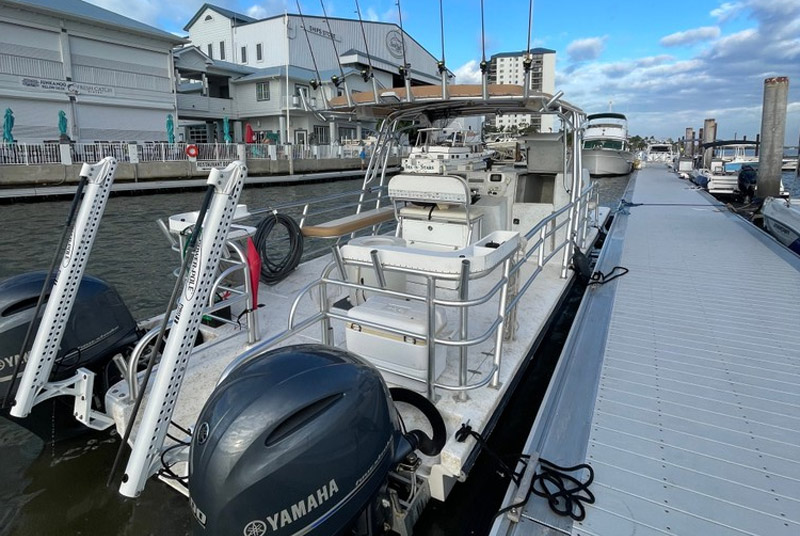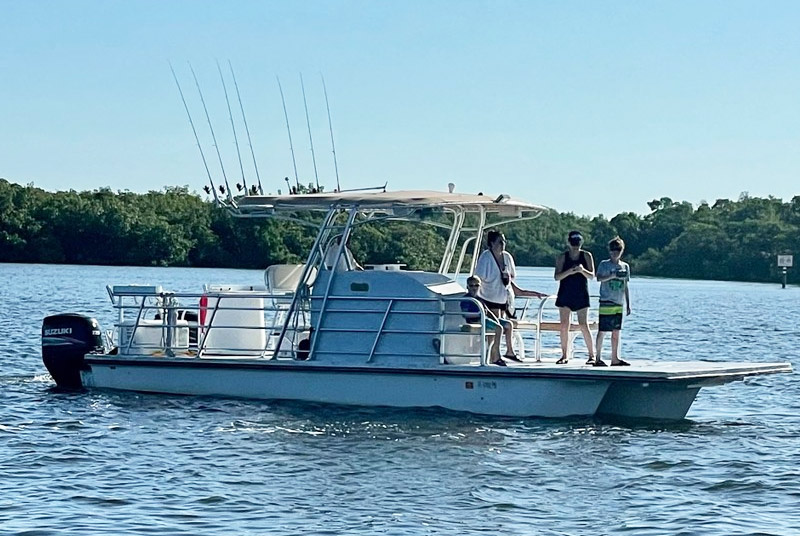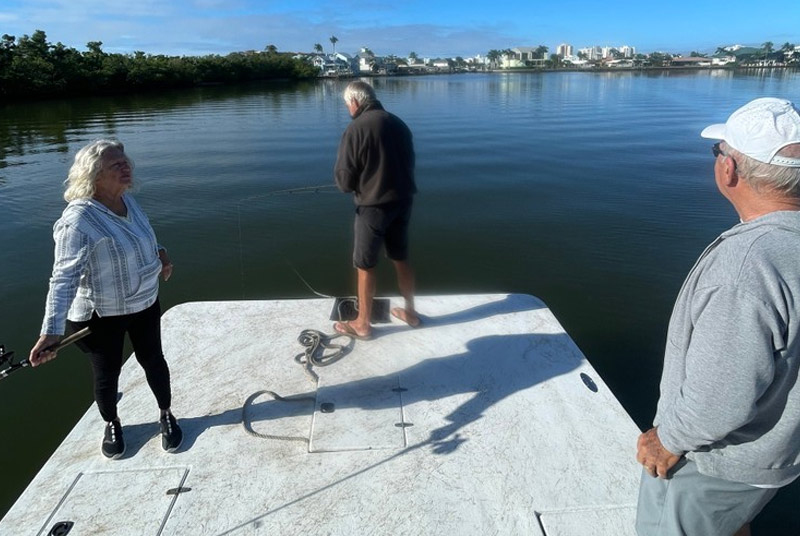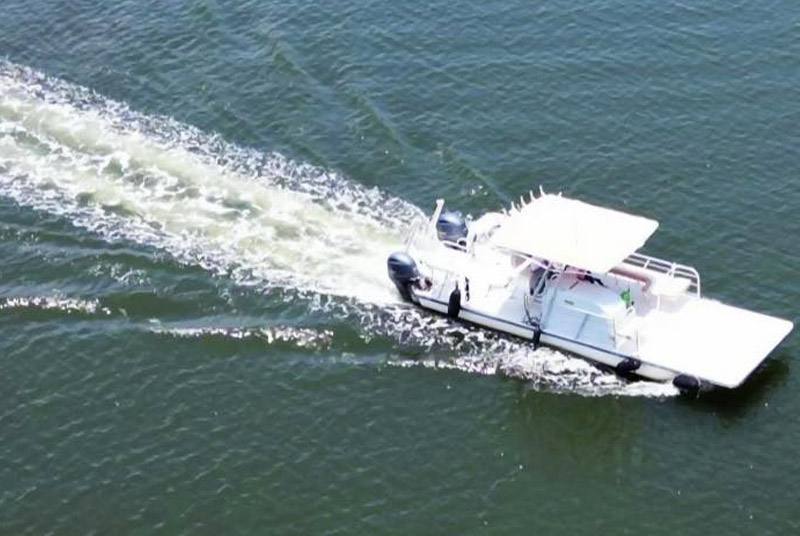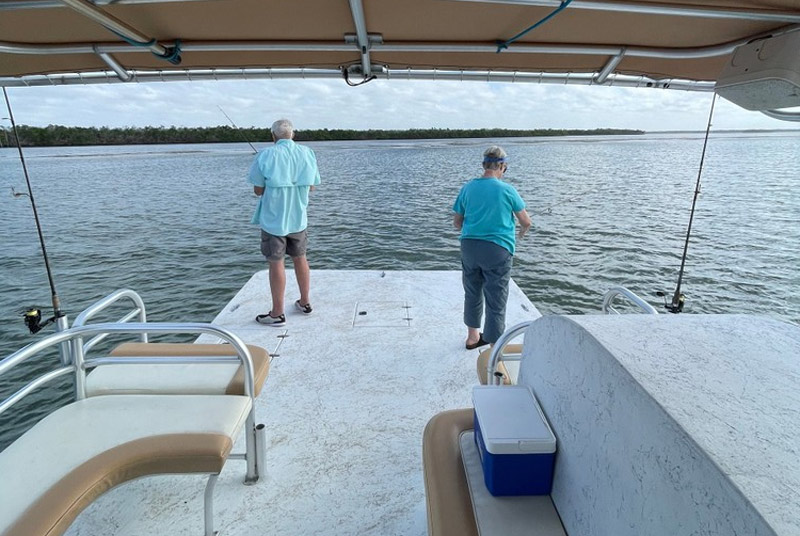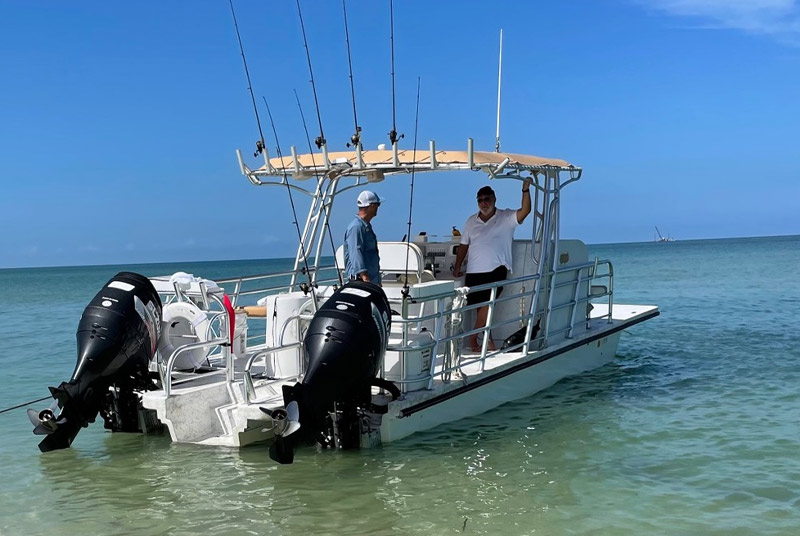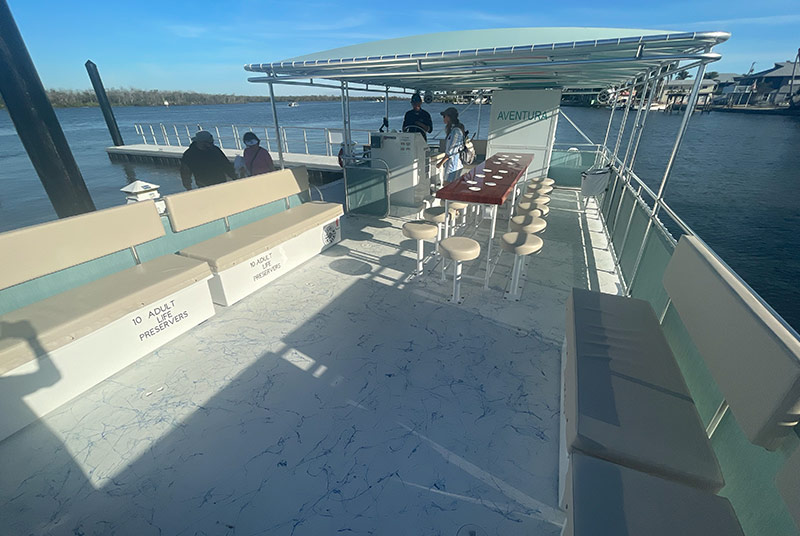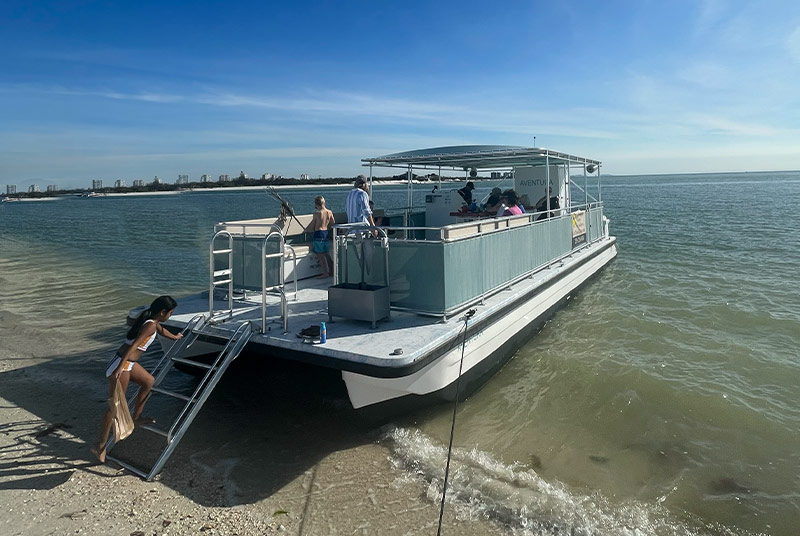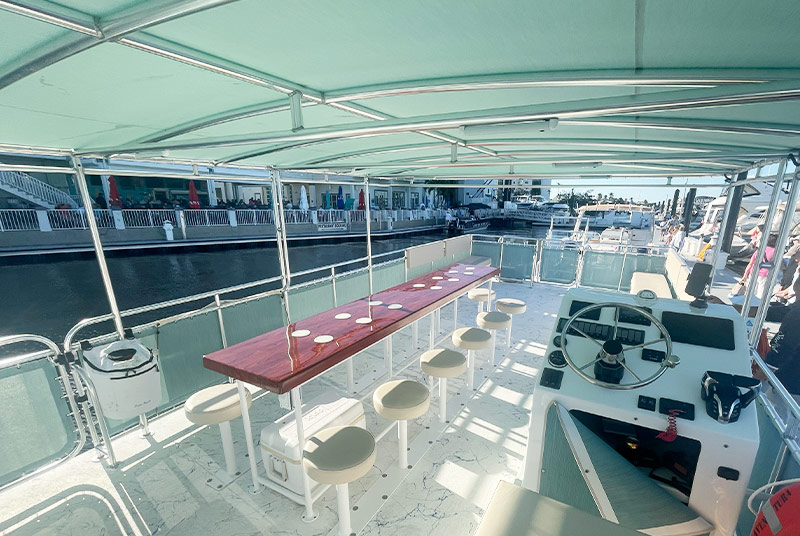
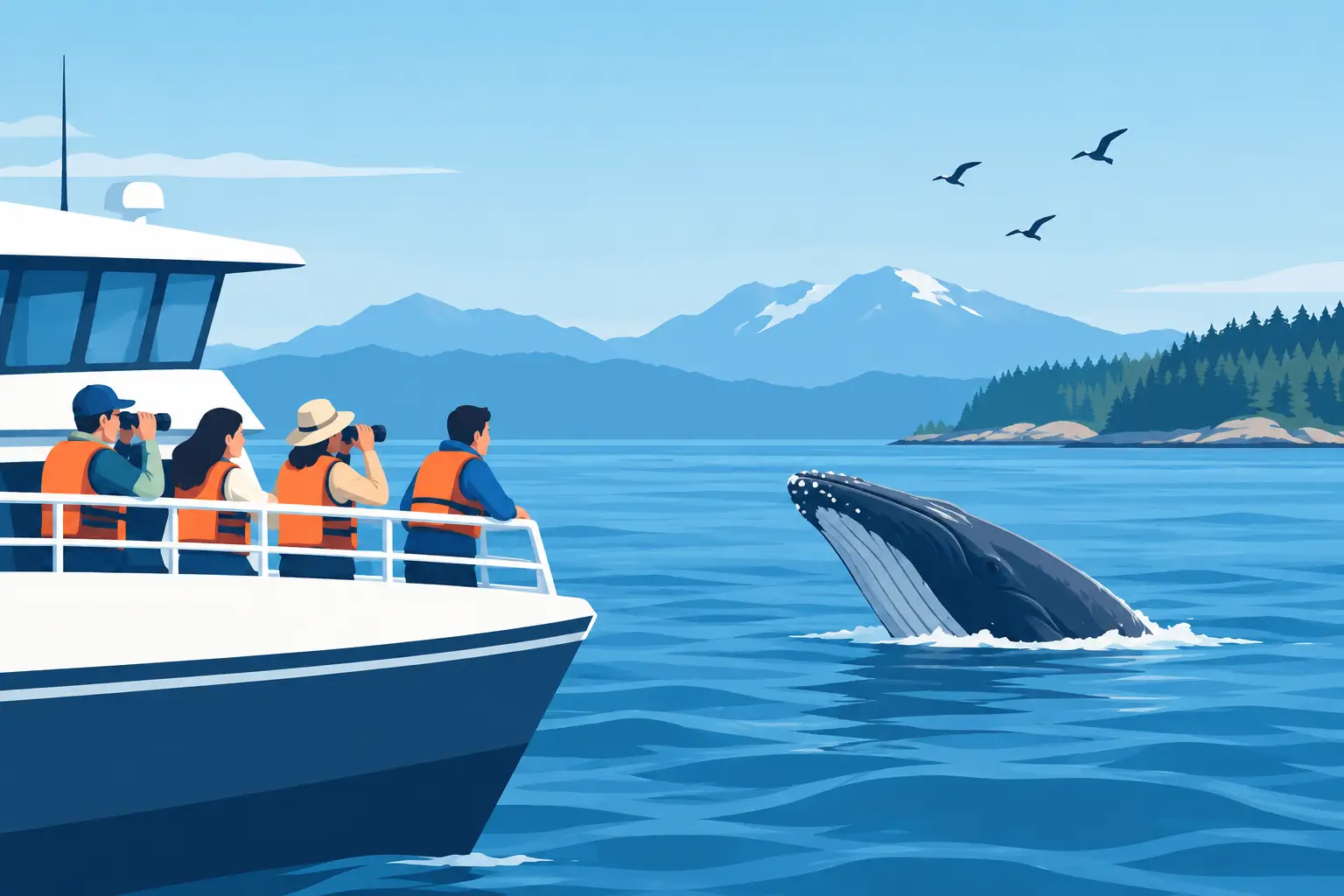
The best dolphin sighting can happen when everyone on board is quietly watching the wake, when a pelican suddenly folds its wings for a dive, or when a manatee leaves a telltale swirl near the mangroves. Wildlife cruise safety is what lets those moments stay magical instead of becoming stressful. It is not about turning a vacation outing into a rulebook. It is about choosing a professionally run trip, arriving prepared, and giving wild animals the respectful space they deserve.
On Southwest Florida waters, conditions can shift quickly, wildlife can be unpredictable, and even a calm-looking boat deck can move under your feet. A little practical know-how goes a long way toward a relaxed, memorable day.
Wildlife Cruise Safety Starts With the Crew
The most useful safety feature on any wildlife cruise is not a gadget. It is an experienced captain and crew who know the local water, the weather patterns, the vessel, and the animals guests have come to see.
Before leaving the dock, a professional crew should cover the basics: where life jackets are located, how to move around the boat safely, which areas should stay clear, and what to do if someone needs help. Pay attention, even if you have heard a briefing before. Every boat has its own layout, and the crew may share details based on that day’s tide, wind, or route.
A knowledgeable naturalist adds another layer of safety. Understanding why dolphins may approach a boat, where manatees are most likely to surface, or how nesting birds respond to disturbance helps guests enjoy a closer look without making poor decisions in the moment. Wildlife viewing is more rewarding when there is context behind it.
At Good Time Charters, trips are led by experienced captains and naturalist-minded guides who know that a great sighting is never worth crowding an animal or taking chances with guests. The goal is simple: fun, informed time on the water with the right amount of salt air and the right amount of common sense.
Dress for the Boat, Not Just the Beach
A cruise can begin under bright sunshine and return with a cooling breeze or an afternoon shower nearby. Comfortable clothing is part of staying safe, especially for families with young children and guests who may be less steady on their feet.
Wear shoes with secure, non-slip soles. Flip-flops are fine for sand, but they can be slippery on a damp deck and are easy to lose when stepping on or off a boat. Light layers are useful because wind on the water can feel cooler than the temperature on shore. A hat with a chin strap is smarter than one that becomes fish food at the first gust.
Sunscreen matters, too. Florida sun reflects off the water, so exposure can sneak up on you even during a breezy morning cruise. Apply sunscreen before boarding, bring sunglasses, and consider a long-sleeve sun shirt for extra coverage. Hydration deserves equal attention. Start with water before you feel thirsty, particularly during warmer months.
If motion sickness is a concern, plan ahead rather than hoping it will not happen. Ask a pharmacist or physician which remedy is appropriate for you, and take it at the recommended time. Once aboard, fresh air, a view of the horizon, and a spot near the center of the boat can help. The crew can also suggest the most comfortable place to sit if conditions are a little bumpy.
Move Carefully and Keep Your Hands Free
Boats move in ways that sidewalks do not. Another vessel’s wake, a quick turn, or a gust of wind can shift the deck without much warning. Use handrails when moving, take deliberate steps, and avoid walking around while the boat is underway unless necessary.
Keep one hand available when boarding, stepping between seating areas, or taking photos near the rail. That may mean putting your phone in a pocket, using a wrist strap, or asking a family member to hold a drink for a moment. A dropped phone is disappointing. A guest who loses balance while trying to save it is a bigger problem.
Parents should keep children close and seated or standing with an adult when the captain gives instructions. Kids do not need to sit perfectly still all trip, of course. They are on a wildlife cruise, not in a library. But running, climbing, and leaning through rails are not safe, even when a dolphin appears nearby and excitement levels go full Florida vacation mode.
Avoid bringing more gear than you can manage. Large bags, loose beach toys, and bulky coolers can create tripping hazards in shared spaces. Bring what you need, stow it as directed, and leave plenty of room for fellow guests to enjoy the view.
Give Wildlife Space to Be Wild
A dolphin riding a bow wave, a manatee surfacing for air, or a roseate spoonbill flashing pink across the shallows can feel like a personal encounter. It is still a wild animal encounter. The safest and most ethical approach is to observe without trying to turn the moment into an interaction.
Never feed dolphins, birds, fish, or manatees. Feeding changes natural behavior, encourages animals to approach boats and people for food, and can lead to injuries for both wildlife and humans. It can also make animals more vulnerable to boat strikes, fishing gear, and conflict with future boaters.
Keep hands, feet, and objects inside the boat unless the crew says otherwise. Do not toss food, shells, or other items overboard. Resist the urge to touch an animal that comes close, and do not make loud noises to get its attention. A quiet, patient group often sees more because wildlife is less likely to be startled away.
Photography has its own etiquette. Zoom lenses are your friend. You can capture an excellent image without reaching, standing on seats, blocking walkways, or crowding the rail. If a captain adjusts course or slows down for an animal, let the crew manage the viewing angle. They are balancing guest experience, safe navigation, and the animal’s well-being all at once.
Let Weather and Water Conditions Set the Pace
A sunny forecast does not guarantee flat water, and a little cloud cover does not automatically mean a bad day. Safe boating is about reading the full picture: wind, wave conditions, tides, visibility, thunderstorms, and the ability of the vessel and guests to travel comfortably.
Captains monitor conditions before and during a trip. If the weather changes, they may adjust the route, head toward more protected water, delay departure, or cancel when conditions are not appropriate. That is not a failure of the outing. It is professional judgment doing exactly what it should do.
Guests can help by arriving on time and checking messages before leaving for the marina. Last-minute weather decisions are sometimes necessary, especially during summer thunderstorm season. If a trip goes ahead, trust the captain’s instructions about where to sit, when to remain seated, and whether a particular area of the boat should stay off-limits.
It also helps to set the right expectation: wildlife does not perform on command. Some days deliver dolphin after dolphin; other days may feature more shorebirds, mangrove scenery, and quiet water. A skilled crew knows where to look, but nature gets the final vote. That unpredictability is part of the real experience.
A Quick Safety Check Before You Board
Before the cruise, confirm that everyone in your group has eaten something light, applied sunscreen, brought water, and dressed for sun and wind. If anyone has mobility concerns, is pregnant, has a medical condition, or needs assistance boarding, contact the operator before arrival. Most crews can offer practical guidance, but they need to know what support may be helpful.
Bring any necessary medication with you, not packed away in a car. Keep valuables minimal and secure. If you are celebrating with friends, save excessive alcohol for after the boat is tied up. Alcohol and moving decks are a famously unhelpful pairing.
When you board, listen to the briefing, ask questions if something is unclear, and make a plan for children before the excitement begins. Decide who is keeping an eye on whom, where everyone will sit, and what to do if someone needs a restroom or gets queasy. Small plans prevent big distractions.
The Safest Trips Feel Easy
A well-run wildlife cruise should feel relaxed because the preparation is happening behind the scenes. Your job is not to navigate channels, interpret weather radar, or identify every bird circling overhead. Your job is to be present, follow the crew’s guidance, and enjoy the water responsibly.
Bring your curiosity, a water bottle, secure shoes, and a willingness to let the day unfold at nature’s pace. The dolphins, birds, and manatees do not need an audience that gets closer. They need one that knows when a respectful view is the very best one.