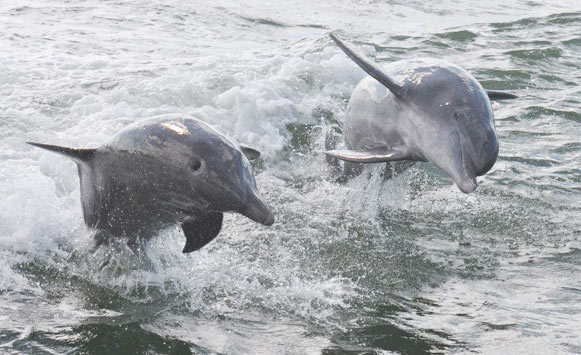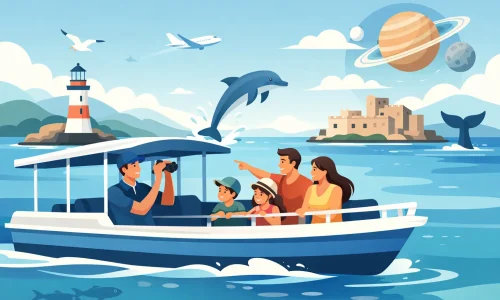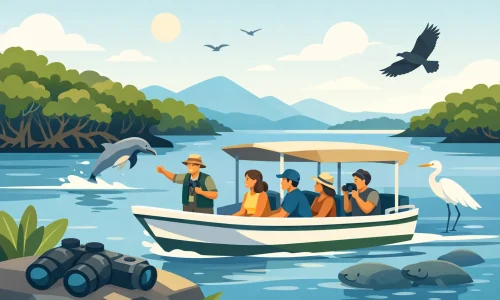
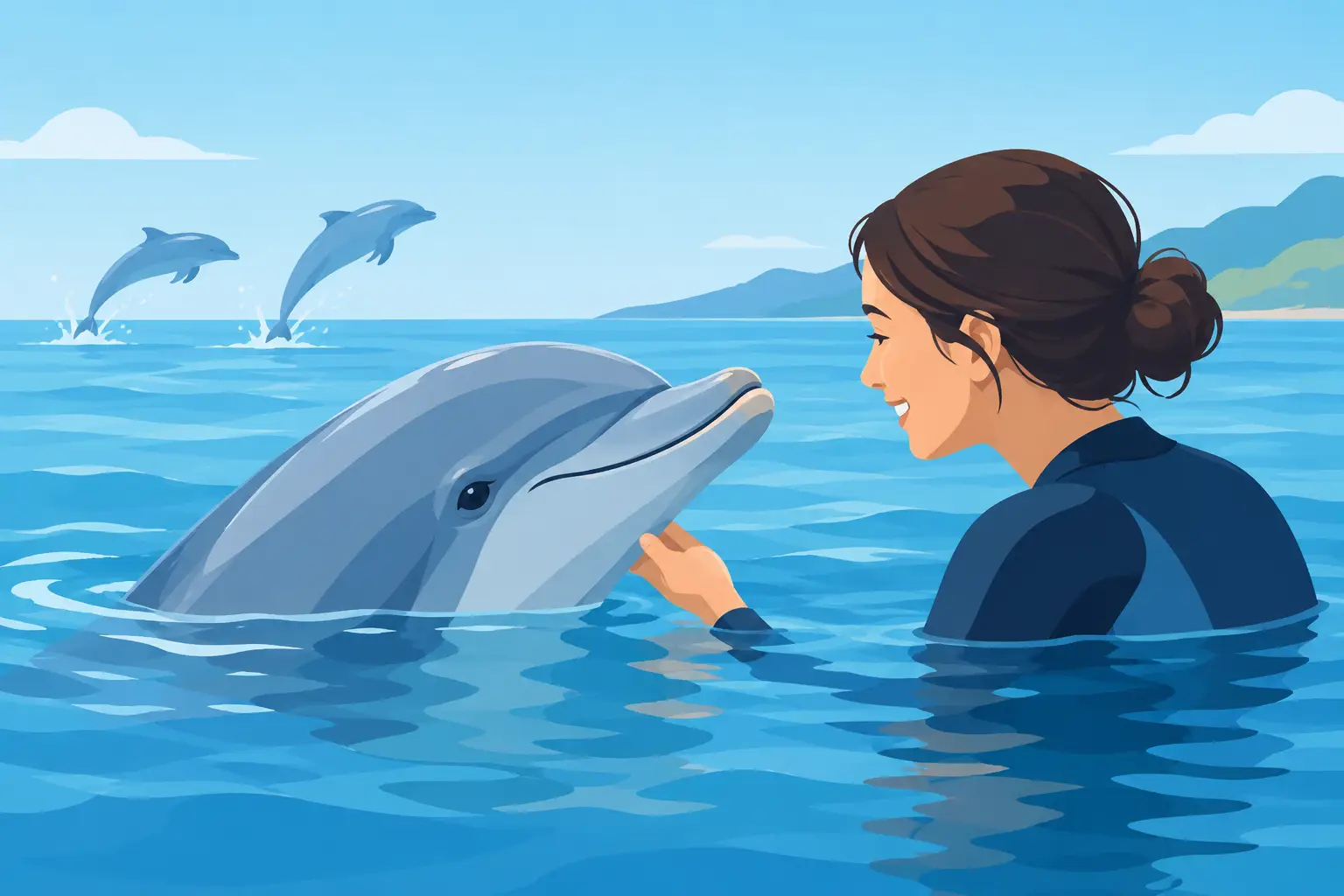
A dolphin rises beside the boat, takes a quick look at the passengers, and slips back below the surface. For most people, that moment answers the question, “are dolphins friendly?” with an enthusiastic yes. The more accurate answer is a little more interesting: dolphins are intelligent, curious, and often comfortable around boats, but they are still powerful wild animals with their own priorities.
That distinction is what makes a dolphin sighting so memorable. You are not meeting a trained performer. You are seeing a wild marine mammal choose how close it wants to be, whether it wants to ride a boat wake, chase fish, rest, or simply carry on with its day. The best encounters leave dolphins undisturbed and guests completely amazed.
Are Dolphins Friendly to People?
Bottlenose dolphins, the species most commonly seen around Fort Myers Beach and Estero Bay, can appear remarkably social. They may swim near a vessel, surface alongside one another, leap, slap their tails, or seem to turn an eye toward the boat as they pass. Their curiosity is real, and dolphins live in complicated social groups where communication and cooperation matter a great deal.
But “friendly” can be a misleading human word. A dolphin that approaches a boat is not necessarily asking to be touched, fed, or followed. It may be traveling through familiar water, using the boat’s wake to move efficiently, looking for fish stirred up by activity, or simply investigating something new in its environment.
Wild dolphins also have teeth, speed, and a strong instinct to protect themselves and their calves. Even an animal that looks playful can change direction quickly if it feels crowded, surprised, or stressed. Respectful distance is not less exciting. It is how you get to watch the real behavior – the hunting, socializing, parenting, and traveling that make dolphins so fascinating in the first place.
Why Dolphins Sometimes Seem So Playful
Dolphins are among the ocean’s most energetic and expressive residents. They frequently breach, spin, chase each other, surf waves, and ride the pressure wave created by a moving boat. Those behaviors can look like a personal invitation to join the fun. Usually, they are just dolphins being dolphins.
Boat wakes are especially appealing because they can provide a smooth, moving wave for a dolphin to ride. If dolphins choose to surf alongside or behind a vessel, a responsible captain maintains a steady, predictable course. The goal is never to chase them down or make them perform. Letting wildlife control the interaction is better for the animals and usually produces the best photos for passengers, too.
You may also see dolphins working together to feed. In Southwest Florida’s coastal waters, small groups can herd baitfish, take turns through a school, or patrol shorelines and tidal channels. A sudden burst of birds overhead, fish popping at the surface, and dolphin fins moving with purpose often means lunch is underway. That is a great time to watch quietly and give the animals room to work.
Curious Does Not Mean Comfortable
A dolphin can approach a boat and still be affected by repeated human attention. Feeding dolphins, tossing objects into the water, trying to swim alongside them, or reaching out to touch one can teach them to associate people with food or interaction. That may sound harmless, but it can alter normal feeding habits and bring dolphins dangerously close to propellers, fishing gear, and busy waterfront areas.
It can also make encounters less safe for people. Dolphins are not pets, and mothers with calves are particularly worth giving space. A calf needs time to nurse, rest, and learn from its mother without a crowd of boats turning a normal day into a spectacle.
How to Read Dolphin Behavior From a Boat
Watching dolphins is more rewarding when you know what you are seeing. A relaxed dolphin often surfaces in a smooth, steady rhythm, traveling with its pod or moving through an area with purpose. You may see its dorsal fin, part of its back, and then the tail disappear as it dives.
A more energetic group may be feeding or socializing. Quick direction changes, splashing, repeated leaps, and birds gathering nearby can all point to active fish activity. That does not automatically mean the dolphins are excited to see people. It means there is something important happening in the water, and it is worth observing without interrupting.
Calves are easy to spot once you know where to look. They are smaller, often stay close to an adult, and may surface just after or beside their mother. Seeing a mother and calf is a special moment, but it also calls for extra patience. Give them plenty of space and let them decide whether to pass near the boat.
A trained naturalist can add context that turns a few fins in the distance into a full wildlife story. Is that group traveling? Is a bird flock helping reveal a feeding school? Why are dolphins more visible along a certain shoreline at a certain tide? Those are the details that make a nature cruise feel like more than a boat ride.
The Right Way to Enjoy a Dolphin Encounter
The golden rule is simple: watch, do not interfere. Federal wildlife guidance generally calls for staying at least 50 yards from dolphins whenever possible. On the water, conditions can change quickly, and dolphins may approach a vessel on their own. When that happens, keep the boat’s movement predictable, avoid sudden speed changes, and never steer toward them.
For passengers, the best dolphin etiquette is wonderfully easy. Keep hands and feet inside the boat, skip the snacks and bait, and use a camera zoom instead of trying to get closer. If someone suggests jumping in to swim with wild dolphins, the answer should be no. It can disrupt the animals, create a safety risk, and may violate wildlife protection rules depending on the situation.
A few practical habits make every sighting better:
- Speak softly and avoid yelling or banging on the boat to get an animal’s attention.
- Never throw food, trash, or toys into the water.
- Give mothers and calves extra distance.
- Let the captain handle navigation and follow crew instructions around wildlife.
These choices help keep dolphins wary enough to stay safe around people while allowing them to remain one of the coast’s most thrilling animals to encounter.
What Makes Fort Myers Beach Dolphin Sightings Special
The waters around Fort Myers Beach offer a mix of shallow bays, mangrove shorelines, tidal passes, and Gulf access that supports a busy coastal food web. Dolphins travel these waters looking for mullet, pinfish, ladyfish, and other prey, while osprey, pelicans, herons, and terns work the same neighborhood from above.
No ethical wildlife operator can promise a dolphin will appear on command. Nature does not take reservations. Still, experienced local captains know how tides, wind, water conditions, and seasonal patterns influence where wildlife is likely to be active. That local knowledge gives guests a better chance to spot dolphins while keeping the experience responsible.
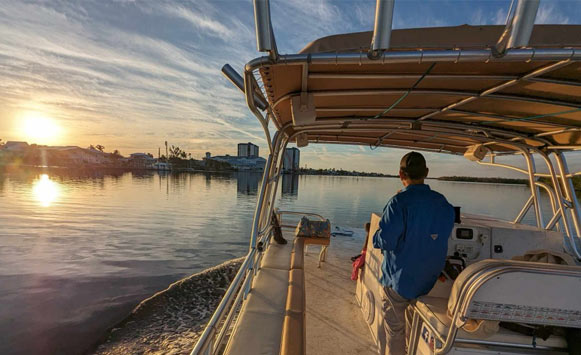
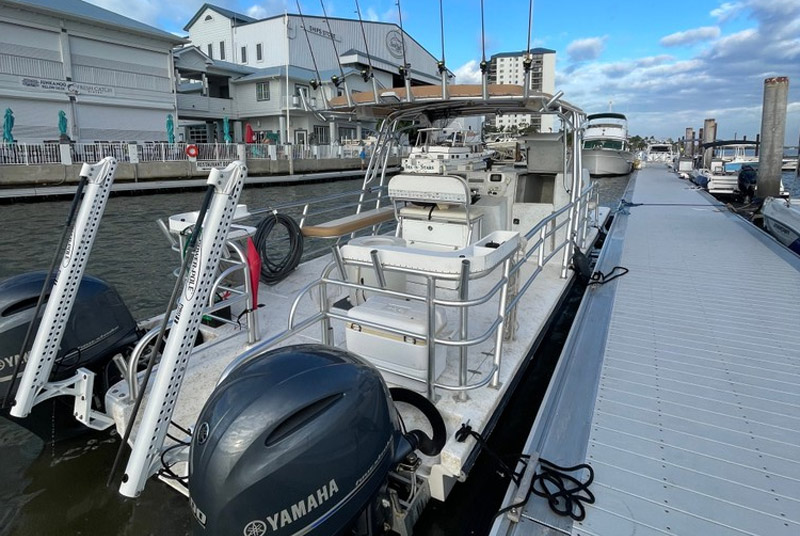
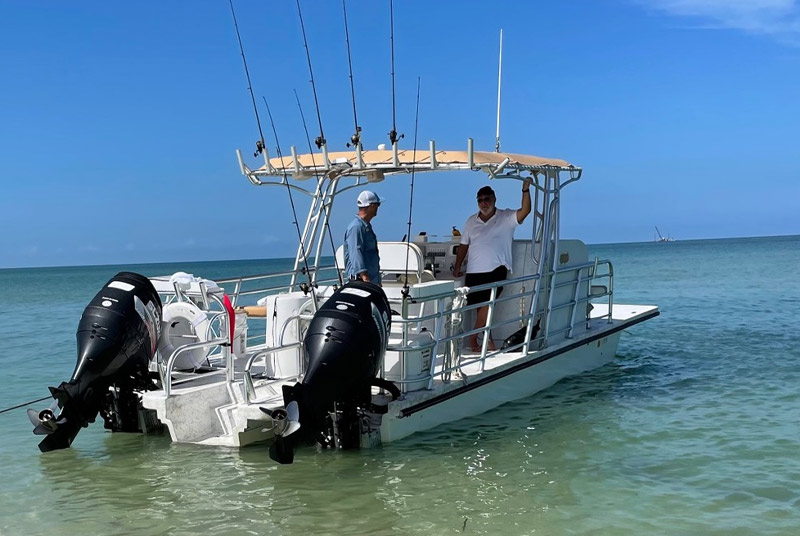
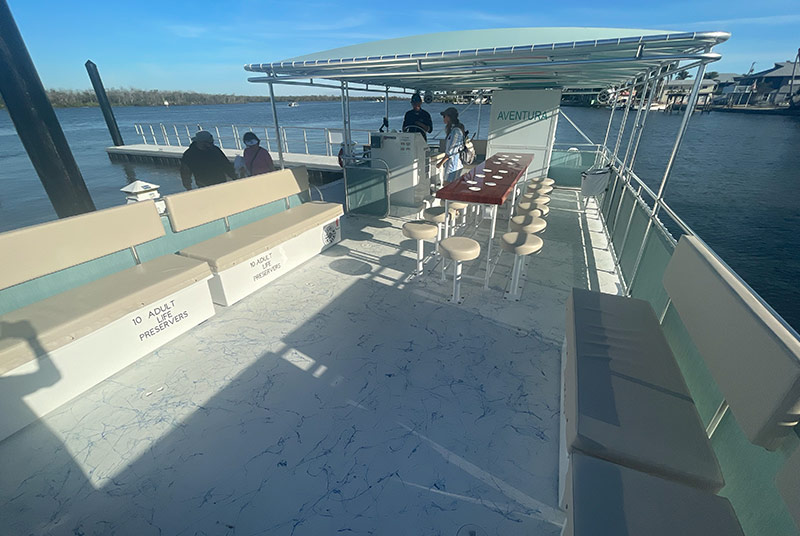
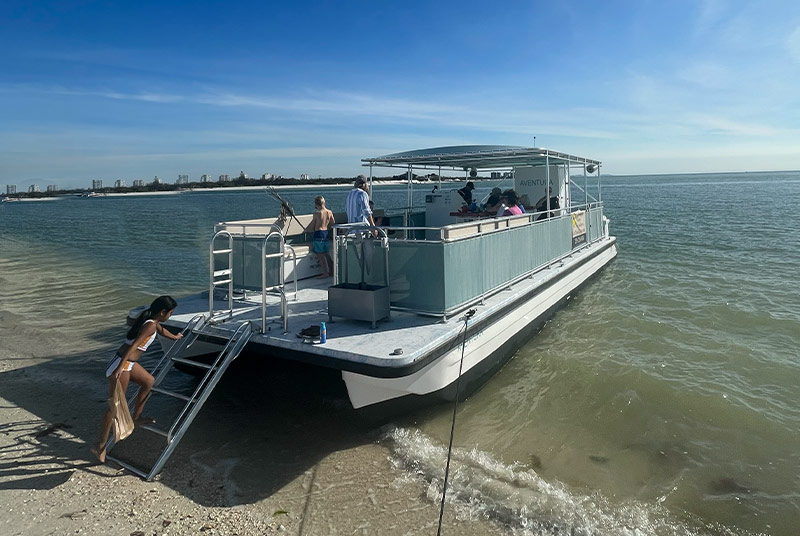
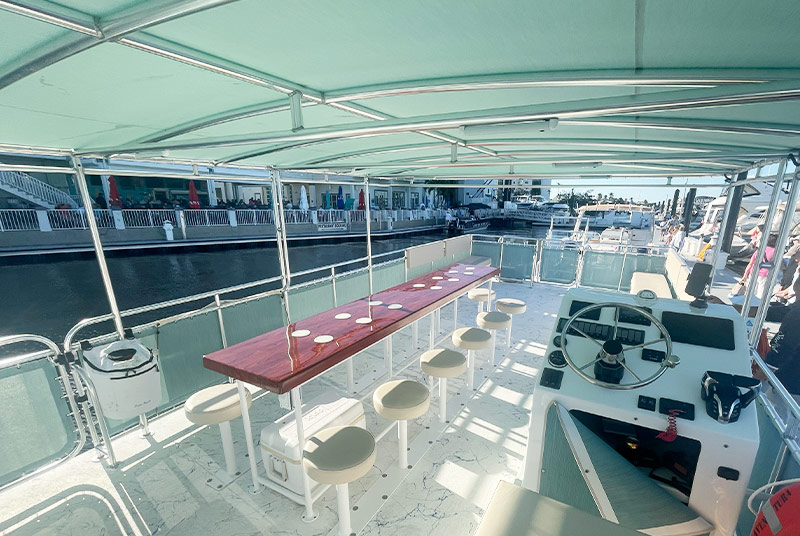
At Good Time Charters, naturalist-led outings are built around exactly that balance: memorable views, a comfortable ride, and a respectful look at the animals that call these waters home. A great guide does not need to manufacture excitement. Dolphins, birds, shells, and the changing coastal landscape bring plenty of it on their own.
Friendly Encounters Start With Respect
Dolphins can be curious neighbors, dramatic hunters, devoted mothers, and enthusiastic wave riders – sometimes all in the same afternoon. Calling them friendly is understandable, especially when one surfaces close enough to hear it breathe. Just remember that the most meaningful dolphin encounter is not one where wildlife acts like a pet. It is one where a wild animal feels free to behave naturally while you get the rare privilege of watching.
Bring your camera, bring your questions, and leave room for the unexpected. A dolphin sighting is always better when the dolphin gets to choose the terms.