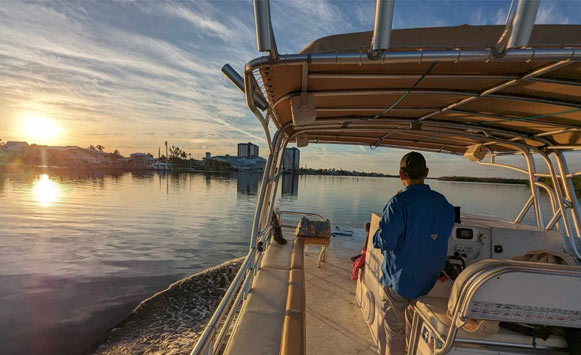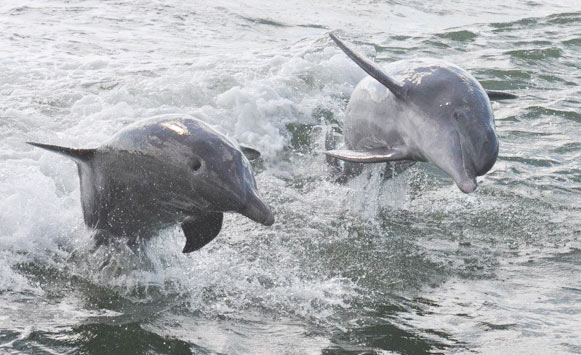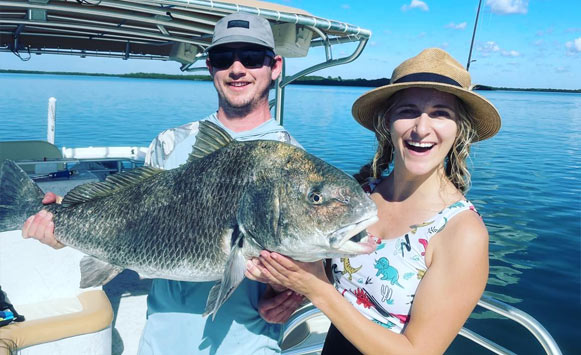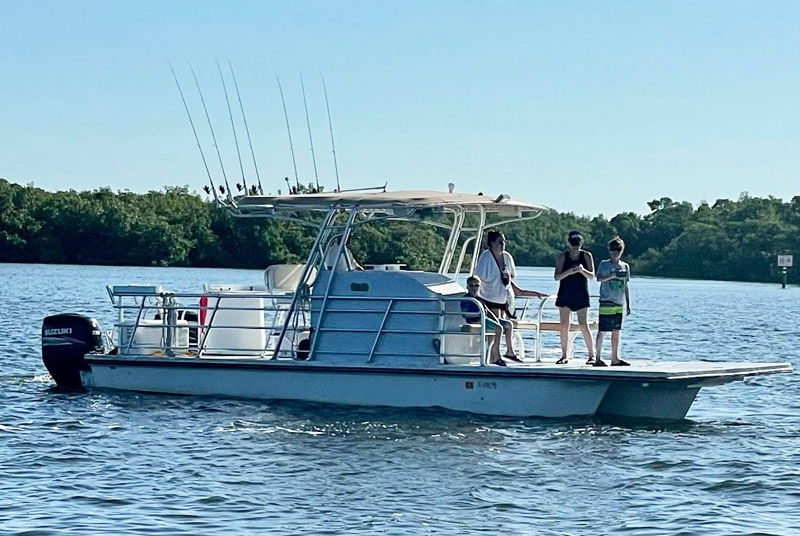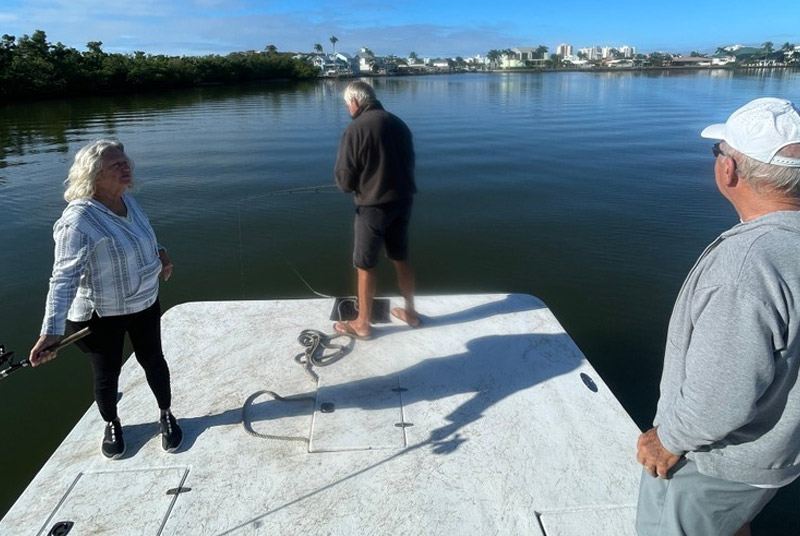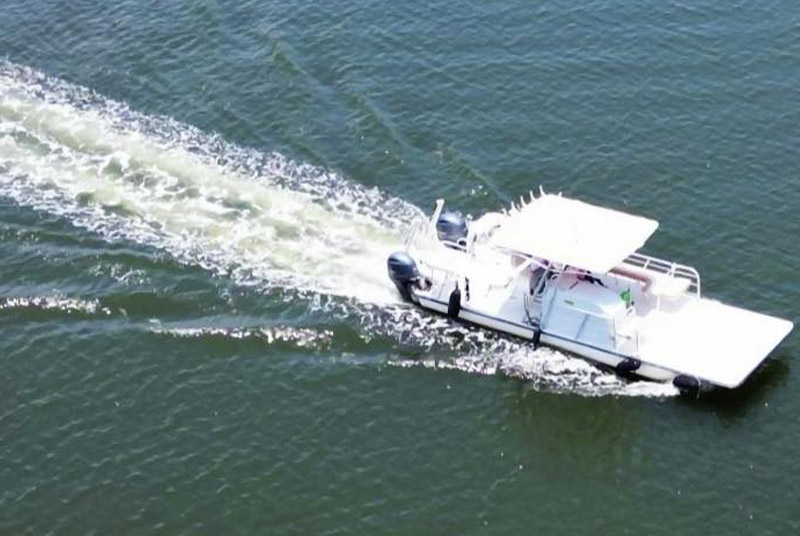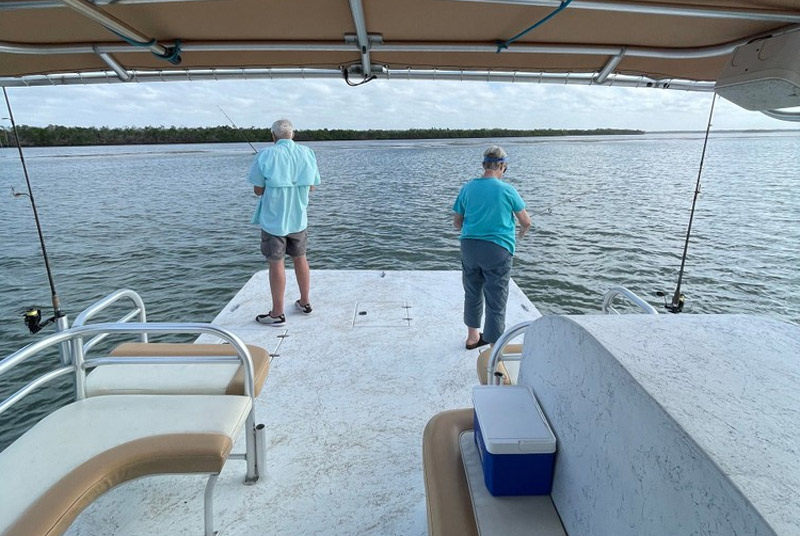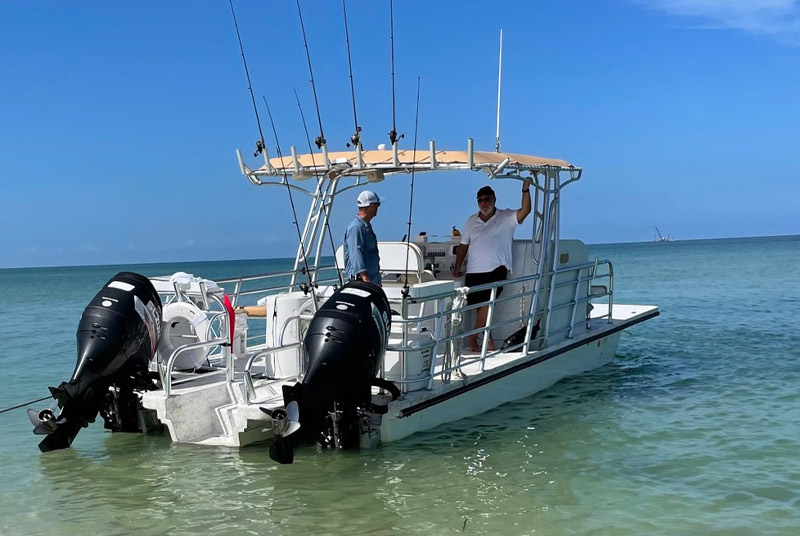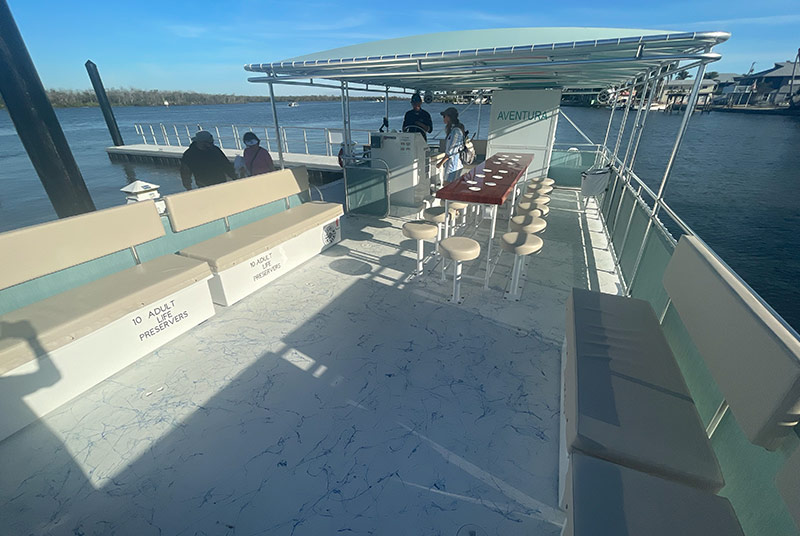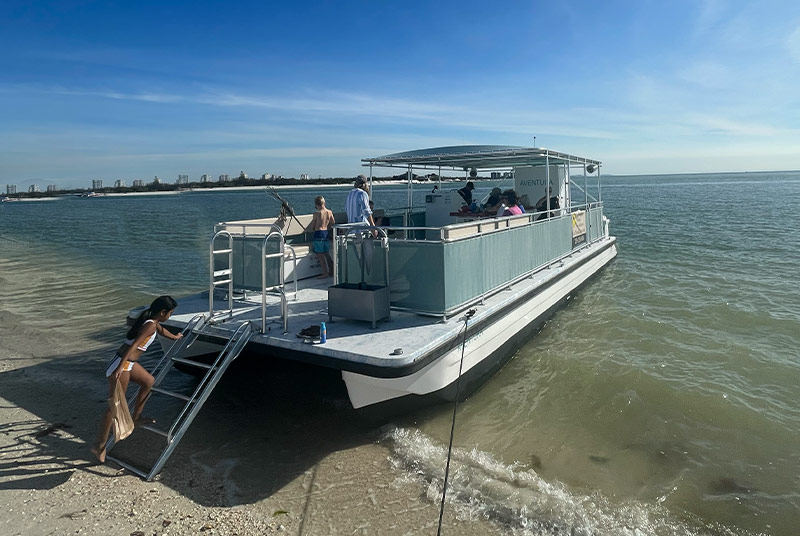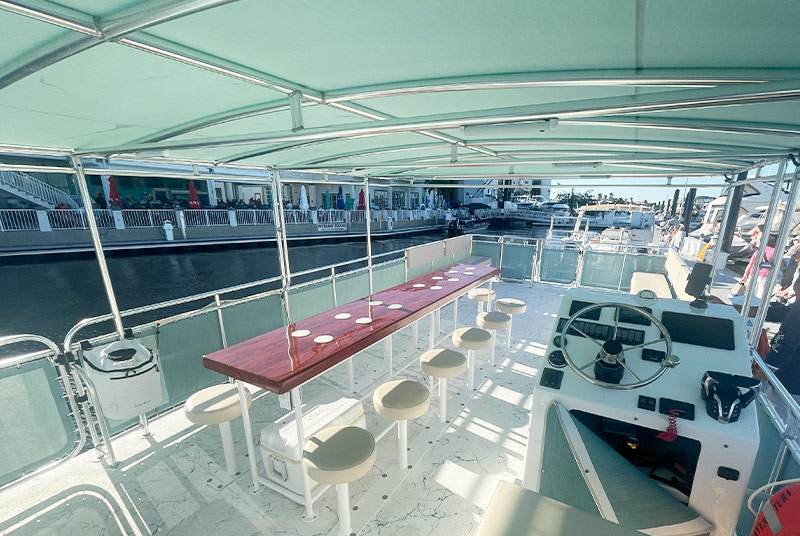
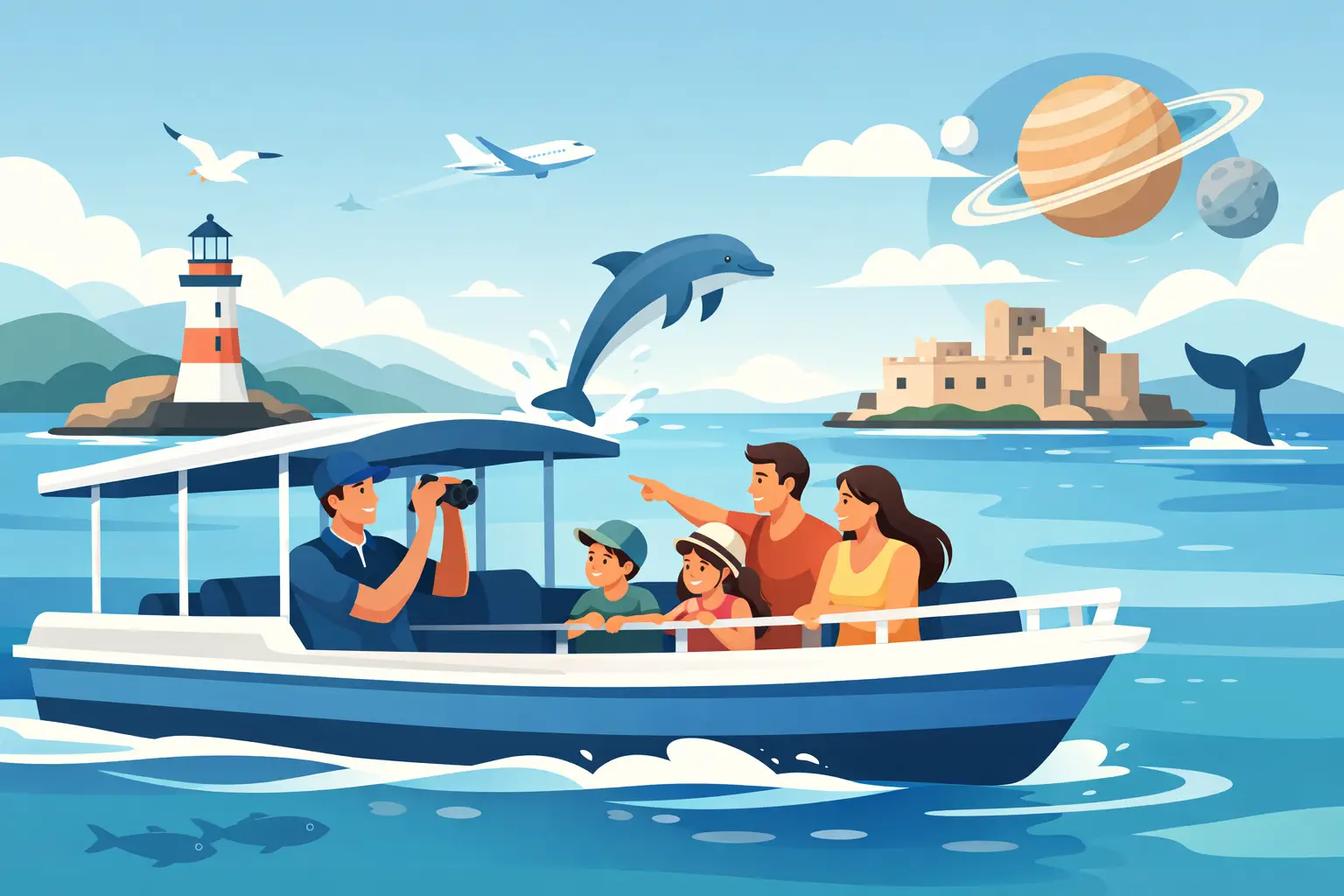
A dolphin surfaces beside the boat, a brown pelican folds its wings for a fast dive, and a child asks the question every naturalist hopes to hear: “Why does it do that?” That moment captures the real educational boat tour benefits. A great coastal outing does more than show guests beautiful water and wildlife. It gives those sights a story, helping families and visitors understand what they are seeing while having a genuinely fun day outside.
For travelers around Fort Myers Beach, an expert-led cruise can turn a vacation afternoon into a close look at the living system behind the shoreline. You do not need a background in marine science to enjoy it. You only need curiosity, a comfortable place on the boat, and a guide who knows how to make the water come alive.
Educational Boat Tour Benefits That Last Beyond the Cruise
1. Wildlife becomes more than a lucky sighting
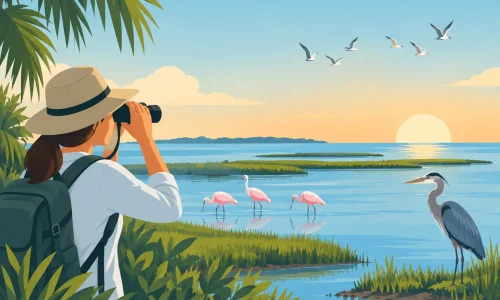
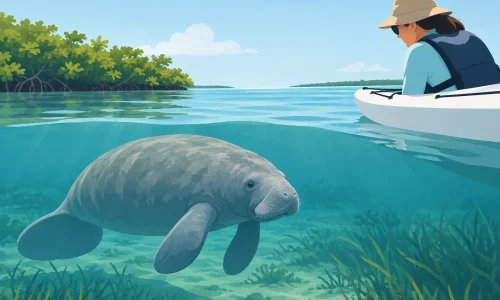
Seeing a dolphin in the wild is exciting on its own. Learning how dolphins communicate, feed, travel, and care for calves makes the experience far more meaningful. The same is true for ospreys, pelicans, manatees, shorebirds, rays, and the smaller creatures that often go unnoticed near mangrove edges.
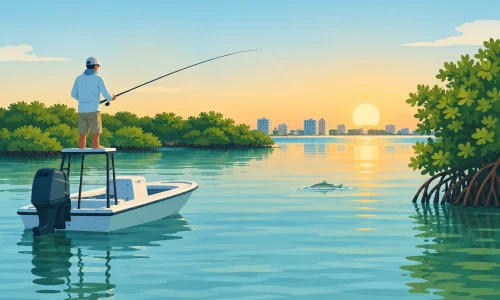
A naturalist-led guide can point out details that are easy to miss from shore. You may learn why a bird is working a particular shoreline, how dolphins use changing tides, or why a quiet patch of seagrass matters to the entire bay. Wildlife is never guaranteed because these are wild animals, not a staged attraction. But knowledgeable interpretation helps guests get more from every observation, including the unexpected ones.
2. Kids learn best when the lesson is happening around them
A boat is a remarkably effective classroom because it does not feel like one. Children can watch a fish break the surface, hold a shell, scan the horizon for birds, and connect a guide’s explanation to something right in front of them. That hands-on context makes facts stick.
The best guides adjust their approach for the people aboard. Younger children may be fascinated by dolphin behavior or the surprising way a conch shell is formed. Older kids may want to know how estuaries protect young fish, why coastal waters change color, or what happens when storms reshape a barrier island.
Parents benefit, too. Instead of trying to invent answers, they can enjoy the moment alongside their children. A shared discovery often becomes one of the stories a family repeats long after the vacation ends.
3. The coast makes more sense when you see it from the water
From the beach, the coastline can seem simple: sand, waves, and open water. From a boat, its layers become clear. Mangrove shorelines create protected habitat. Tidal passes move water, nutrients, and marine life. Sandbars shift. Oyster beds filter water. Seagrass meadows shelter juvenile fish.
This perspective is one of the most valuable educational boat tour benefits for visitors who want to understand Southwest Florida rather than simply pass through it. Estero Bay and the surrounding coastal waters are active, connected environments. A guide can explain why a calm back bay may support different wildlife than the Gulf side, or why the timing of the tide changes what you see.
That knowledge adds depth to the rest of a trip. After a cruise, guests often notice more during a beach walk, a sunset dinner near the water, or a visit to a local park because they understand the patterns at work around them.
4. Shelling becomes a lesson in coastal life
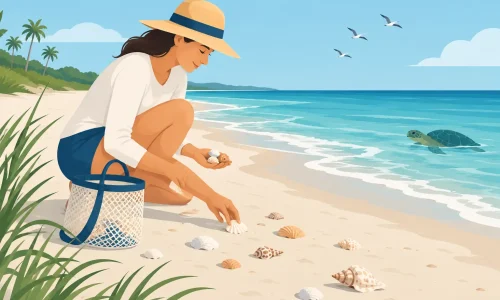
Finding shells is fun. Knowing what they are, how they formed, and whether they may still be occupied turns shelling into a thoughtful nature activity. Shells are not just beach souvenirs. They are clues to the animals and habitats that exist offshore and along the shoreline.
An experienced guide can help guests recognize common local shells, explain why some arrive in greater numbers after certain weather or tide conditions, and encourage responsible collecting. A shell with a living animal inside belongs in the water. That simple lesson helps protect the very environment visitors came to enjoy.
Shelling-focused outings are especially rewarding for multigenerational groups. Grandparents, parents, and children can all participate at their own pace, yet everyone has something interesting to compare and learn. The smallest finds can prompt the biggest questions.
5. Local knowledge makes the experience safer and more relaxed
Education is not limited to wildlife facts. A professional captain and naturalist also help guests understand the water itself: changing weather, navigation channels, tidal movement, boating etiquette, and the importance of giving wildlife space.
For visitors unfamiliar with coastal Florida, this guidance provides welcome peace of mind. They can settle in, enjoy the scenery, and ask questions without needing to figure out where to go or what conditions may affect the day. On a well-run tour, safety practices are part of the experience, not an interruption to it.
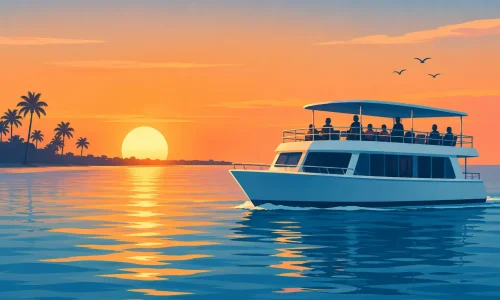
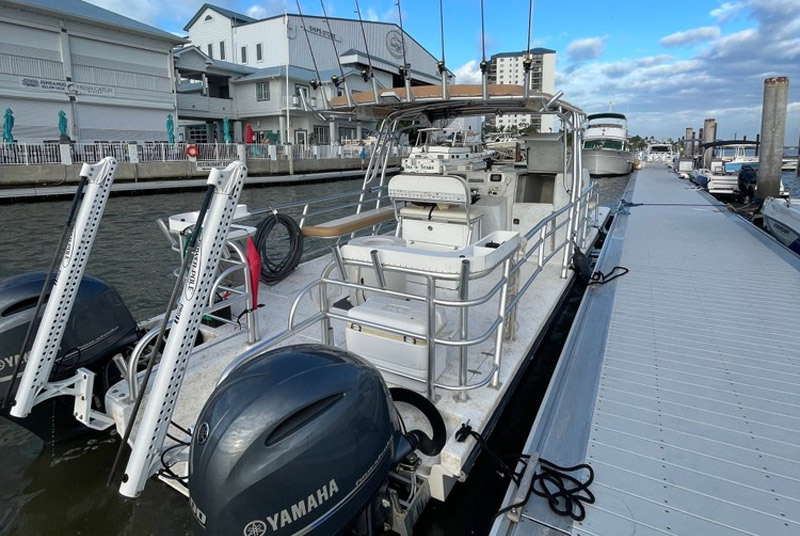
That said, every guest should choose a trip that matches their comfort level. A larger sightseeing vessel may suit a family reunion or group outing, while a smaller private charter can offer more flexibility and personal attention. Guests prone to motion sickness may prefer protected backwater routes over open-water conditions. Asking the right questions before booking leads to a better day for everyone.
6. Learning creates a stronger connection to conservation
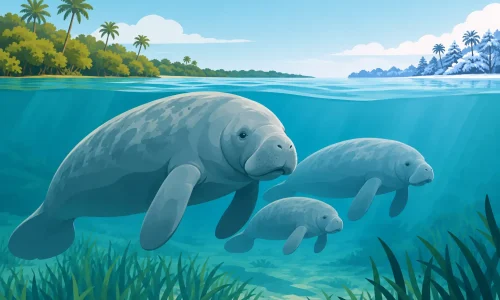
People tend to care more deeply about places they understand. When guests learn that mangroves serve as fish nurseries, that seagrass supports manatees, or that nesting birds need room to rest and feed, simple choices take on new meaning.
Conservation on a boat tour does not need to feel heavy or preachy. It can be as practical as properly disposing of trash, avoiding disturbance of resting wildlife, leaving living shells where they belong, and respecting protected habitats. These small actions matter because coastal ecosystems depend on many species and conditions working together.
For families, this is a particularly useful takeaway. Children leave with a sense that they can enjoy nature without treating it as something to collect, chase, or control. That is a lesson with value far beyond a single day on the water.
7. Shared learning makes vacation memories more vivid
Most people remember how a vacation felt, not every item on an itinerary. An educational boat tour creates the kind of shared moments that stay clear: spotting a dolphin calf alongside its mother, watching a roseate spoonbill fly overhead, or realizing that the “island” in the distance changes shape with wind and tides.
The learning is part of what makes those memories durable. A basic scenic ride may be pleasant, but a guided experience gives guests details to retell. Couples have a new story. Families have a favorite wildlife sighting. Friend groups have a reason to look more closely at the world around them.
At Good Time Charters, that combination of sightseeing and interpretation is led by a crew that understands these waters as both a workplace and a living ecosystem. The goal is not to turn a vacation into a lecture. It is to make each sighting, shoreline, and question more interesting.
How to Get More From an Educational Boat Tour
Come prepared to be curious. Before departure, ask the crew what has been active recently, whether tide conditions may influence the route, and what wildlife guests have been seeing. During the trip, keep phones and cameras ready, but do not spend the entire outing behind a screen. Some of the best moments happen quickly, and they are often better when you experience them first.
Bring water, sun protection, and a light layer if weather calls for it. If you are traveling with children, let them know that quiet observation can lead to better wildlife encounters. Ask them to choose one animal, bird, or shell they want to learn about before the boat leaves the dock.
A good tour does not require guests to arrive as experts. Show up ready to look closely, listen well, and let the coast surprise you. The next dolphin surfacing, shell uncovered in the sand, or bird circling above the mangroves may become the moment your group talks about all the way home.