
A brown pelican drops from the sky, a dolphin breaks the surface once and disappears, and suddenly everyone on the boat is scanning the water like they have a new full-time job. That is the magic of this Sanibel wildlife guide: the island’s nature is often visible, but the best sightings come to guests who know where to look, when to slow down, and why giving animals space matters.
Sanibel’s wildlife scene is shaped by shallow bays, mangrove shorelines, tidal passes, seagrass habitat, beaches, and the nearby Gulf. It is not a zoo with a schedule, thankfully. A great day can bring dolphins, shorebirds, wading birds, rays, and maybe a manatee. Another day may be quieter, with the real show happening in the clouds, tide lines, or mangrove roots. That unpredictability is part of the deal – and part of what makes a coastal outing feel real.
Sanibel Wildlife Guide: What You May See
Dolphins: The crowd favorite with a mind of their own
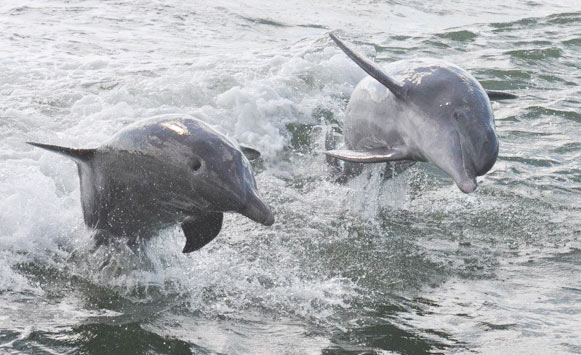
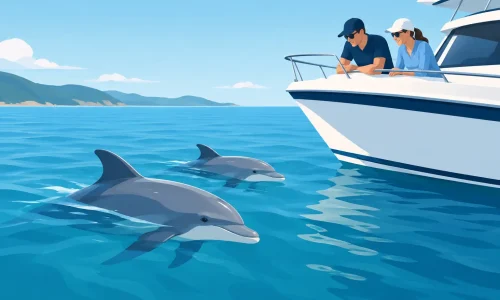
Bottlenose dolphins are among the most frequently spotted marine mammals around Sanibel and the surrounding Southwest Florida waters. They often travel in small groups, feeding along current lines, near passes, or around schools of baitfish. You may see a dorsal fin cutting through calm water, a quick roll near the boat, or a dolphin porpoising in a burst of speed.
The trick is not to expect a movie-style performance. Dolphins decide whether to approach, travel past, or stay busy feeding elsewhere. A respectful captain slows down, observes their direction of travel, and lets the animals set the pace. When dolphins choose to ride a boat’s wake, it is a terrific bonus. Chasing them is not.
Manatees: Gentle visitors to warm, quiet water
Florida manatees can appear in the region, especially where warm, sheltered water and food are available. Cooler months can bring more activity around warm-water areas, while summer sightings may occur in canals, bays, and coastal waters. Conditions, water temperature, and seasonal movement all play a role.
A manatee sighting is usually subtle. Look for a broad, smooth shape just below the surface, a round snout coming up for air, or a swirl where an animal has just submerged. They are strong swimmers, but they are also vulnerable to boat strikes. That is why slow-speed zones and careful propeller awareness are not just rules on a sign. They protect an animal that may be difficult to see until it is very close.
Birds: The island’s full-time wildlife department
Birdwatchers can spend a lifetime enjoying Sanibel, but you do not need a serious birding checklist to be impressed. Ospreys patrol overhead and may carry a fish back to a nest. Great blue herons stand still enough to make you question whether they are decorative lawn art. Snowy egrets, reddish egrets, roseate spoonbills, brown pelicans, terns, gulls, and shorebirds can all make appearances depending on season, habitat, and tide.
Low tide is often a productive time for wading birds and shorebirds because exposed flats provide feeding opportunities. Rising water can move birds closer to shorelines or roosting areas. A knowledgeable guide can explain what a bird is doing, not merely point and say, “There’s one.” Watching a reddish egret hunt, for example, is much more entertaining once you understand that its frantic-looking wings and zigzagging steps are part of the strategy.
Sea turtles and rays: Special sightings, not promises
Sea turtles use Florida’s coastal waters, and nesting activity occurs seasonally on Gulf beaches. Seeing one from a boat can be memorable, but it is never something to count on. A turtle may surface once, take a breath, and vanish with impressive efficiency. If you are visiting during nesting season, keep beaches dark at night, fill in holes, remove gear, and give marked nests plenty of room.
Rays are another treat in clear, shallow water. Southern stingrays may glide over sandy bottoms, while other ray species can pass through deeper channels. Their movement looks effortless, which is mildly unfair to the rest of us. From shore, shuffle your feet rather than stepping hard in shallow water to reduce the chance of accidentally disturbing a buried stingray.
Timing Matters More Than a Perfect Wildlife Checklist
Early morning often offers cooler temperatures, softer light, and calmer water before afternoon breezes build. It can be a comfortable time to look for feeding birds and active marine life. Late afternoon can be excellent, too, particularly when the sunlight warms into that classic Southwest Florida glow and birds begin moving toward evening roosts.
Tide is just as important as the clock. Falling tides can concentrate fish and expose feeding areas. Incoming tides can bring bait and marine life into passes and back bays. Wind direction, water clarity, recent rain, and seasonal migration all influence what is visible. A calm, clear day is wonderful for spotting below the surface, but a breezier day may create a more active scene around a pass.
This is why experienced local guides do not treat wildlife viewing like a scavenger hunt. They read conditions, watch for bait, scan the horizon, and know which habitats deserve attention that day. Good wildlife watching is part knowledge, part patience, and part being ready when a fin, wing, or splash gives away the story.
How to Watch Wildlife Without Being That Boat
Sanibel’s animals do not need an audience, but they do deserve considerate visitors. The best sightings happen when people observe rather than interfere. Keep these habits in mind:
- Stay a respectful distance away, especially from dolphins, manatees, nesting birds, and resting wildlife.
- Never feed wild animals. It changes natural behavior and can create dangerous habits for both animals and people.
- Keep voices and movements calm near shorelines, bird rookeries, and shallow-water feeding areas.
- Take photos without blocking an animal’s path, crowding a beach nest, or asking a captain to get closer than is responsible.
There is a trade-off here. Getting closer may sound like the better vacation photo, but distance produces more natural behavior and a better experience overall. A dolphin feeding calmly, a heron stalking a fish, or a manatee surfacing without being pressured is worth more than a rushed, too-close encounter.
Shore or Boat? Choose the View That Fits Your Day
From shore, you can linger, walk at your own pace, and focus on beach birds, shell-line activity, and the occasional dolphin or ray offshore. It is a fine option for visitors who want a relaxed morning with binoculars, sunscreen, and nowhere else to be.
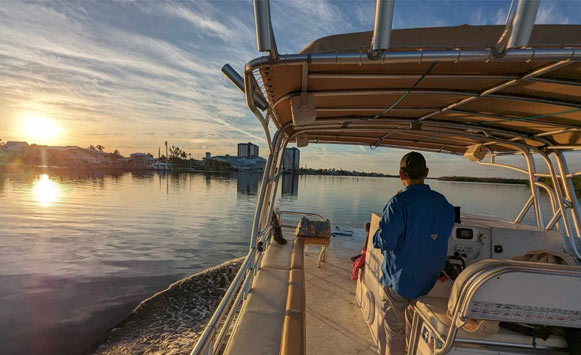
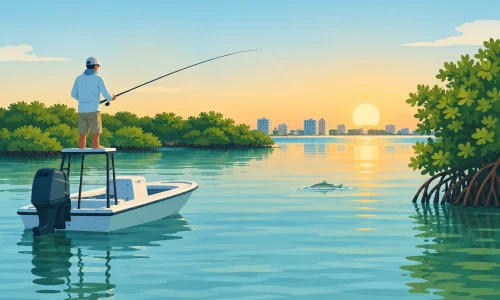
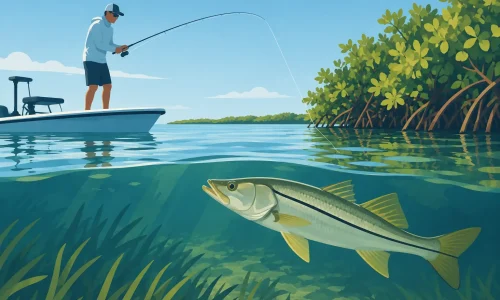
By boat, you can cover more habitat in less time. Mangrove edges, tidal passes, back bays, and open-water routes each hold different possibilities, and a captain can adjust the route as conditions change. The trade-off is that no boat trip can guarantee a specific animal on demand. Nature does not take reservations.
For travelers who want the story behind the sightings, an expert-led cruise adds a lot. A naturalist can point out the difference between a diving bird and a surface-feeding bird, explain why dolphins gather near bait, and show how tides connect the Gulf, estuary, and mangrove nursery habitat. At Good Time Charters, that interpretive piece is central to the outing: guests get a fun day on the water, plus the kind of local perspective that makes the next splash or bird call mean more.
Bring the Right Things, Then Put the Phone Down Occasionally
Polarized sunglasses are one of the simplest upgrades for wildlife viewing because they reduce glare and make it easier to spot movement beneath the water. A hat, reef-conscious sun protection, drinking water, and a light layer for wind or spray are sensible additions. Bring a camera if you like, but keep it ready rather than constantly in your hands.
The best coastal moments are often brief. A dolphin may surface only twice. An osprey may dive before anyone has time to announce it. If you spend every minute adjusting settings, you can miss the very thing you came to see. Take the photo, then look up.
On Sanibel, wildlife rewards attention more than expectation. Slow down near the mangroves, watch the tide line, listen for the squawk overhead, and let the day surprise you. The next great sighting may be obvious, or it may begin with one small ripple that everyone else missed.