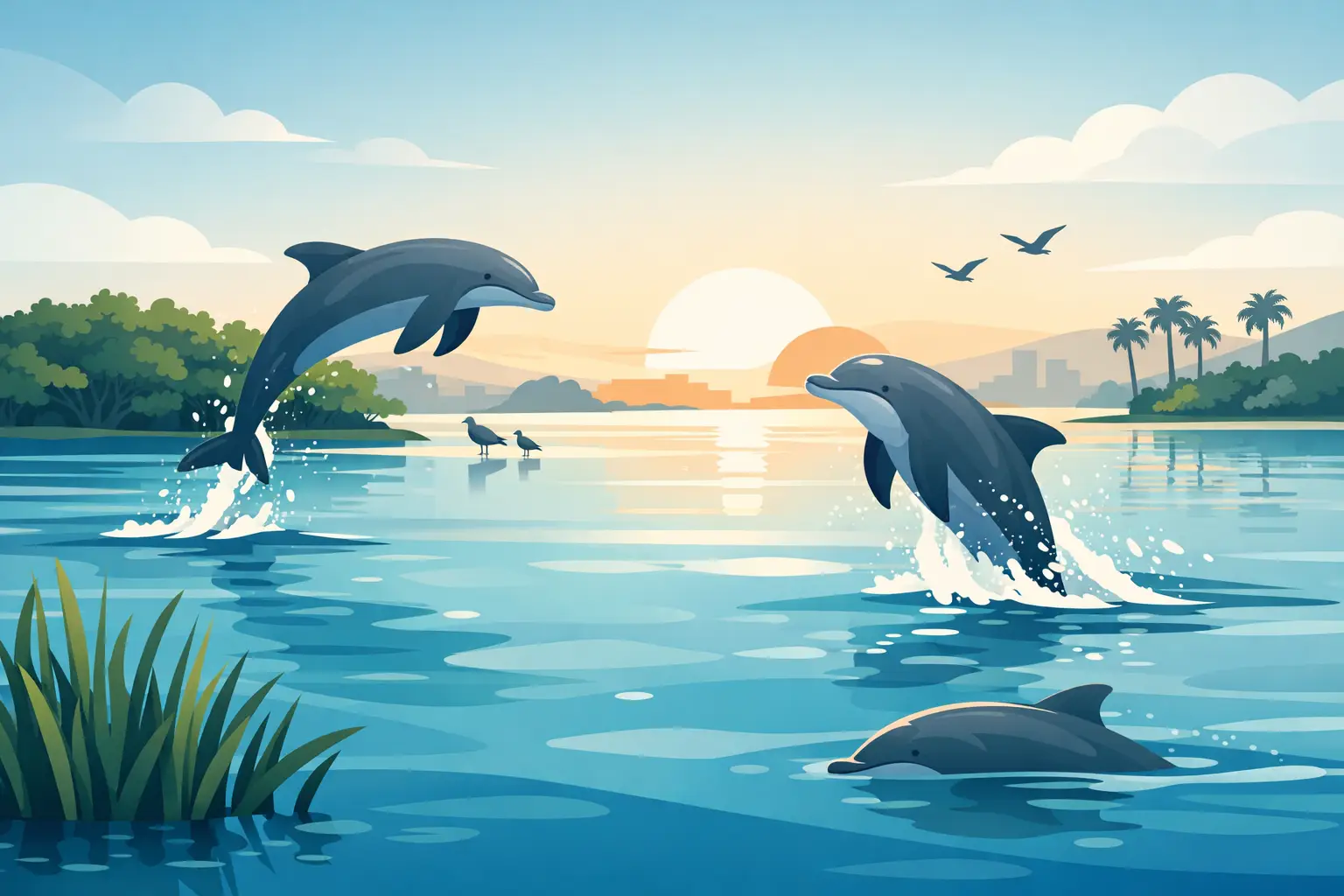
A dolphin’s dorsal fin breaks the surface, then another appears beside it. Within seconds, what looked like an empty stretch of water becomes a living scene of coordinated movement, quick breaths, and silver flashes beneath the wake. Estero Bay dolphins are a highlight for many visitors, but the real magic is not simply seeing one. It is watching these intelligent wild animals move through the same mangrove-fringed waters where birds hunt, fish gather, and tides reshape the shoreline every day.
Why Estero Bay Dolphins Are So Memorable
Bottlenose dolphins are the species most commonly seen in Estero Bay and the waters around Fort Myers Beach. They are year-round residents of Southwest Florida’s coastal ecosystem, although the individual dolphins you encounter can vary from day to day. Some spend much of their time in the bay, while others travel between back bays, passes, nearshore Gulf waters, and nearby estuaries in search of food.
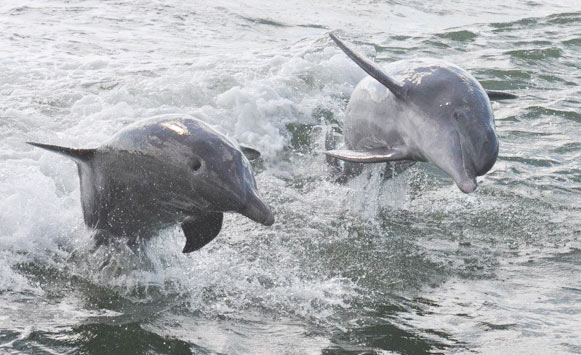
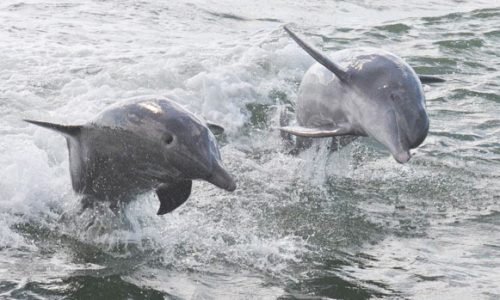
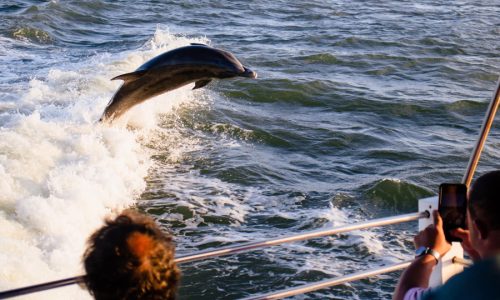
Their behavior is often what makes an encounter unforgettable. Dolphins may travel in small groups, surface in pairs, leap, roll, chase fish, or ride the pressure wave created by a moving boat. A young calf may stay close to its mother, matching her pace and surfacing rhythm. At other times, a group may seem focused on one task: feeding.
That variety matters. A dolphin cruise is not a performance, and wild dolphins do not follow a schedule. One outing may feature a playful group riding near the bow. Another may reveal quiet, purposeful feeding behavior along a mangrove edge. Both are meaningful sightings because they offer a glimpse of real coastal life, not a scripted attraction.
What Dolphins Are Doing in the Bay
Estero Bay provides an especially valuable mix of shallow grass flats, tidal creeks, mangrove shorelines, oyster reefs, and open-water channels. This habitat supports the baitfish, shrimp, and other prey dolphins depend on. Dolphins are skilled hunters, and they use the bay’s geography to their advantage.
Along a shoreline, a group may push fish toward shallow water where escape routes are limited. In open channels, dolphins may follow schools of fish moving with the tide. You might notice terns and pelicans working the same area overhead. That is often a useful clue that bait is present below the surface and that the water is active with feeding wildlife.
Dolphins also communicate constantly through whistles, clicks, and body language. Their clicks can help them locate prey using echolocation, while whistles are used for social communication. Every dolphin has its own distinctive signature whistle, much like an individual call sign. We cannot always tell exactly what a group is communicating, but observing their spacing, direction, and surfacing patterns can reveal whether they are traveling, resting, socializing, or feeding.
Mothers, Calves, and Family Groups
Seeing a calf is exciting, but it also calls for extra care. Dolphin calves are smaller, less experienced, and dependent on their mothers for nursing, protection, and learning. They often surface close beside or just behind an adult.
A responsible captain gives these animals plenty of room. The goal is to observe without changing their course, separating a calf from its mother, or interrupting a feeding opportunity. The best wildlife experiences happen when dolphins choose to continue their natural behavior while a boat remains a respectful visitor in their habitat.
The Best Time to Look for Dolphins
Dolphins can be seen in Estero Bay throughout the year, and there is no single month that guarantees the best encounter. Water conditions, tide, weather, boat traffic, and prey movement all influence where dolphins may be found on a given day.
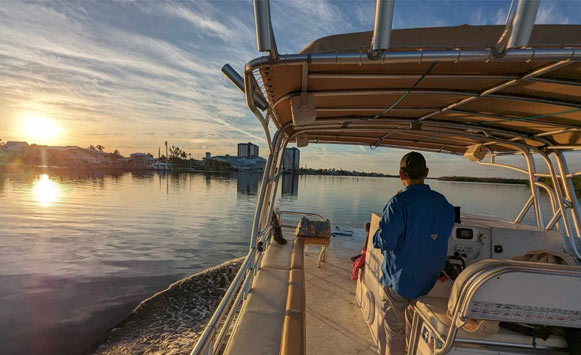
Morning trips can offer calmer water and softer light, while afternoon outings may bring a different tide and changing feeding activity. Sunset cruises add beautiful coastal color, though low light can make subtle behaviors harder to spot at a distance. The right choice depends on what you value most: a peaceful early outing, an active daytime wildlife search, or a scenic evening on the water.
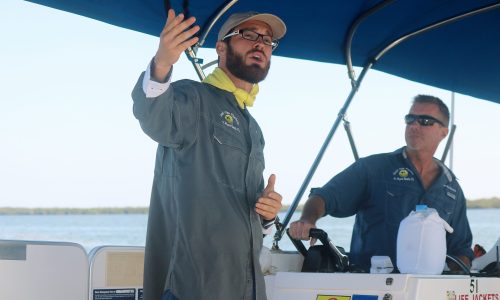
Experienced local captains do not just scan the horizon. They read conditions. They watch for bait activity, diving birds, tide lines, and changes in water movement. That knowledge does not turn wildlife into a guarantee, but it gives guests a much stronger chance of being in the right habitat at the right time.
How to Watch Dolphins Responsibly
A close dolphin encounter should never come at the animal’s expense. Federal wildlife rules and common sense both point in the same direction: give dolphins space, never feed them, and let them control the interaction.
Feeding dolphins may seem harmless, but it can teach them to approach boats and people for food. That change in behavior can lead to injuries, conflict with fishing gear, and dangerous dependence on humans. Dolphins are excellent natural hunters. They do not need snacks from a boat.
It is also best to avoid sudden noise, fast approaches, or attempts to chase a group for a better photo. A knowledgeable crew will position the vessel safely and patiently, keeping the experience enjoyable without crowding the animals. If dolphins choose to ride a wake, that is their decision. If they turn toward a mangrove shoreline or continue feeding farther away, the respectful choice is to let them go about their day.
For guests, the most useful approach is simple: keep your camera ready, but spend some time watching without it. Notice how often the dolphins surface, whether they are moving in one direction, and how birds and fish activity connect to the scene. Those details turn a sighting into a story you will remember long after the photo is saved.
More Than a Dolphin Sighting
Dolphins are often the headline, but they are part of a much larger Estero Bay ecosystem. On the way to a dolphin sighting, you may pass osprey, brown pelicans, herons, egrets, shorebirds, and occasionally manatees. Mangroves protect shorelines and create nursery habitat for young fish. Seagrass beds support marine life below the surface. Barrier islands and tidal passes influence how water, nutrients, and wildlife move through the region.
This wider perspective is why a naturalist-led cruise feels different from simply spotting a fin in the distance. When you understand what the tide is doing, why birds are gathering, or why dolphins may be working a particular channel, the bay becomes more interesting at every turn.
Families often find this especially rewarding. Children do not need a marine biology background to be captivated by a dolphin, but a few clear explanations can turn curiosity into a lasting connection with the coast. Adults enjoy it too. There is always something new to notice when the water is viewed through the eyes of someone who knows the habitat.
Choosing the Right Dolphin Experience
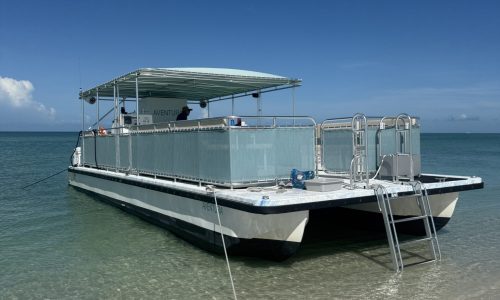
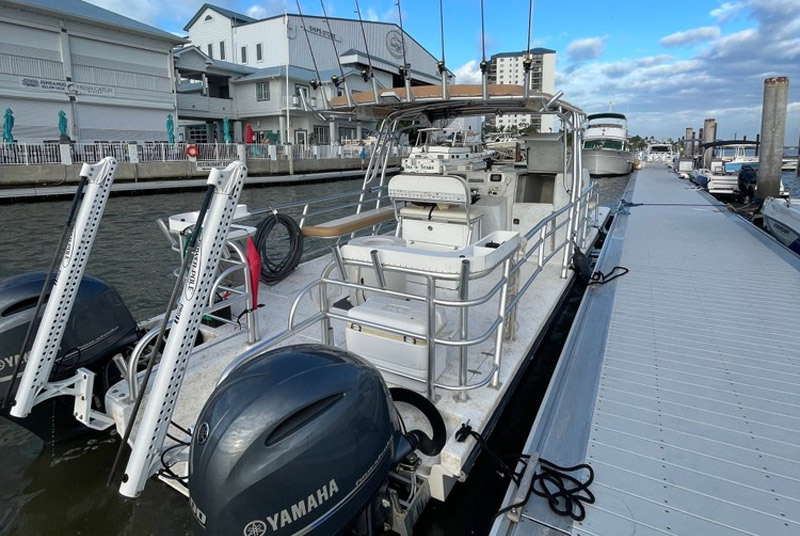
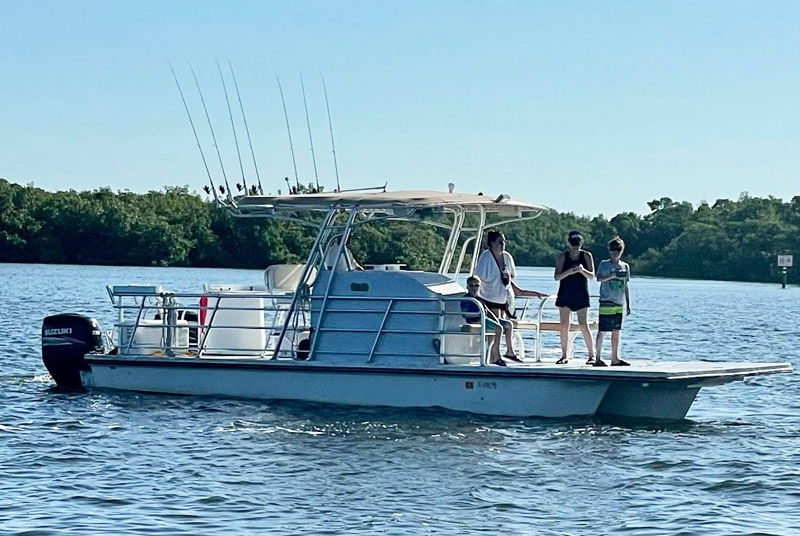
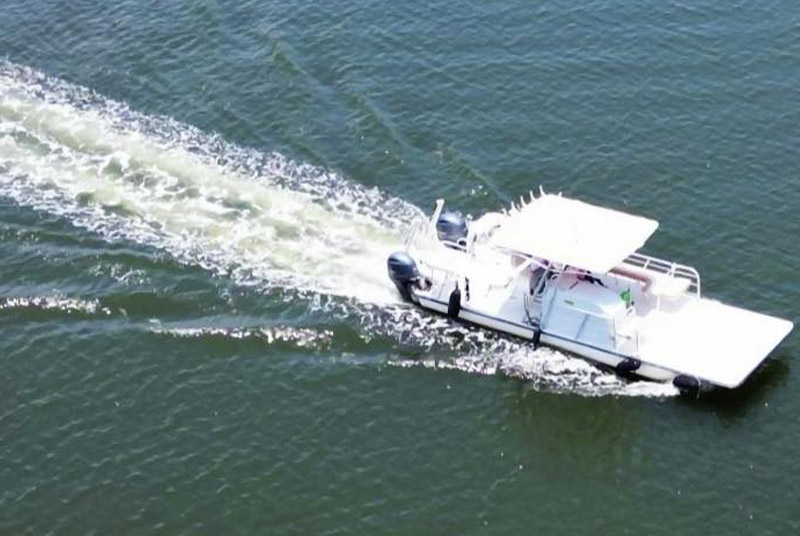
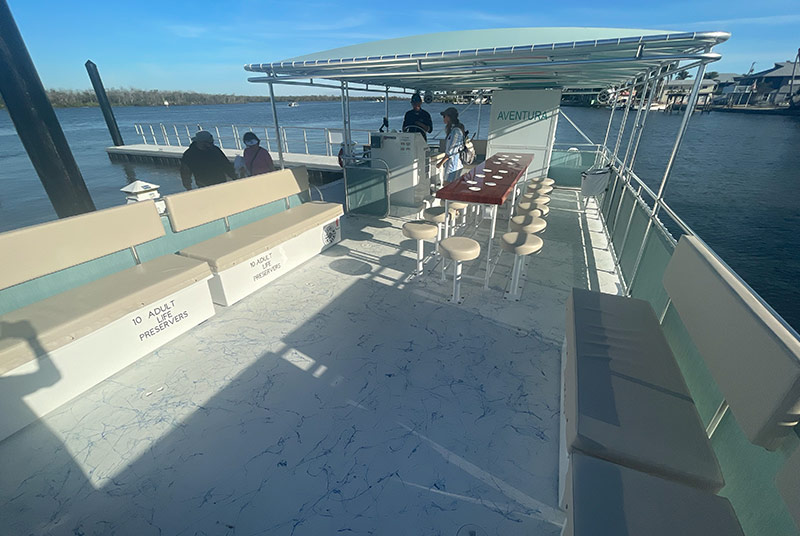
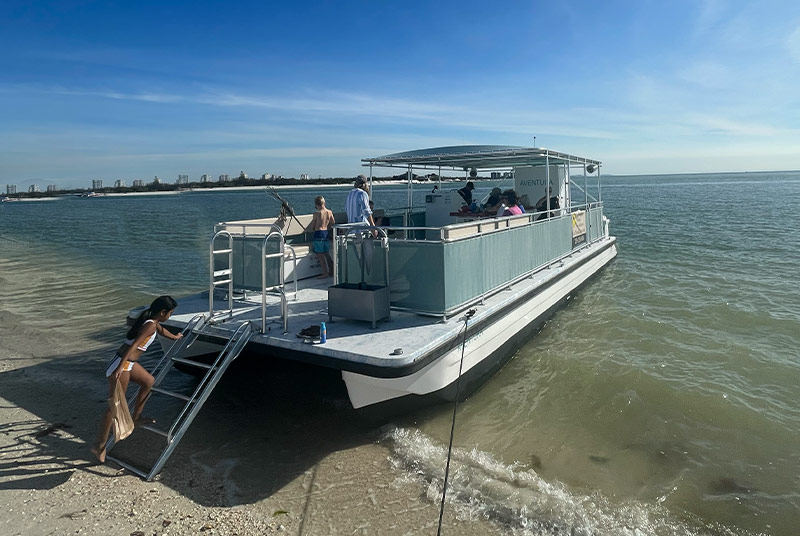
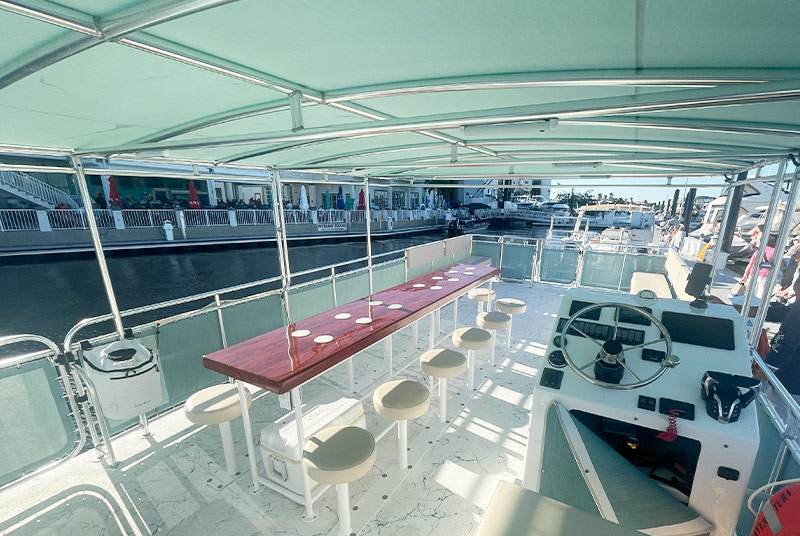
For couples, families, and groups of friends, a wildlife sightseeing cruise is usually the best fit when dolphins, birds, scenic shorelines, and local ecology are the priority. A larger vessel can be a comfortable choice for guests who want a relaxed shared outing with room to enjoy the view.
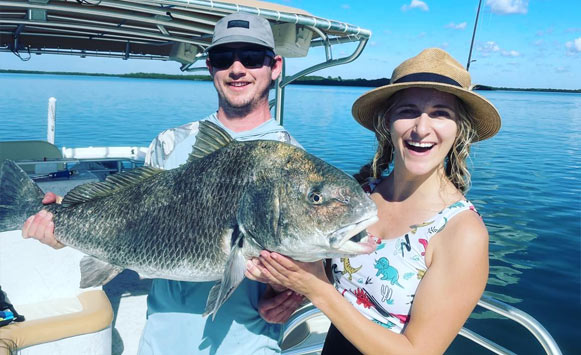
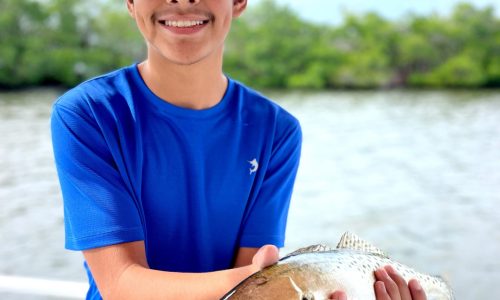
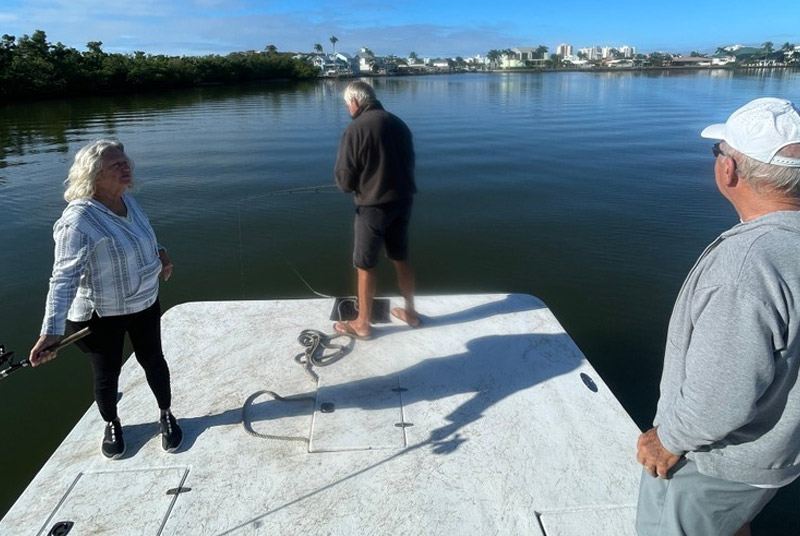
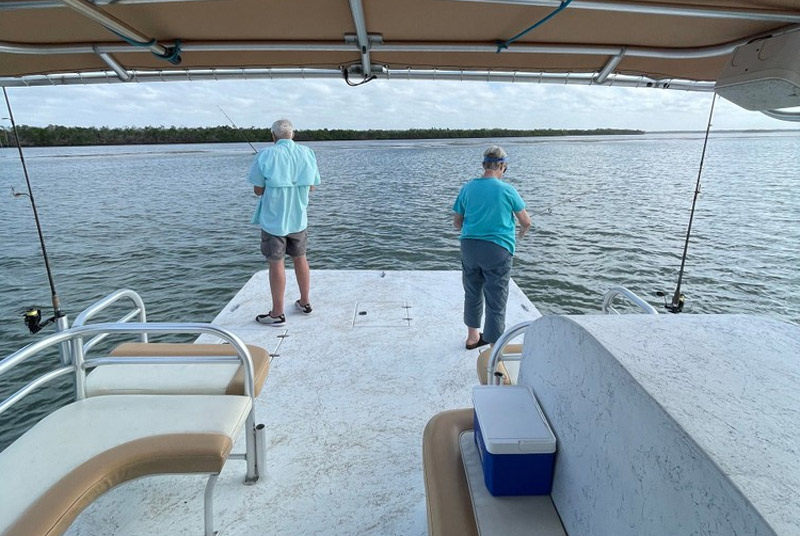
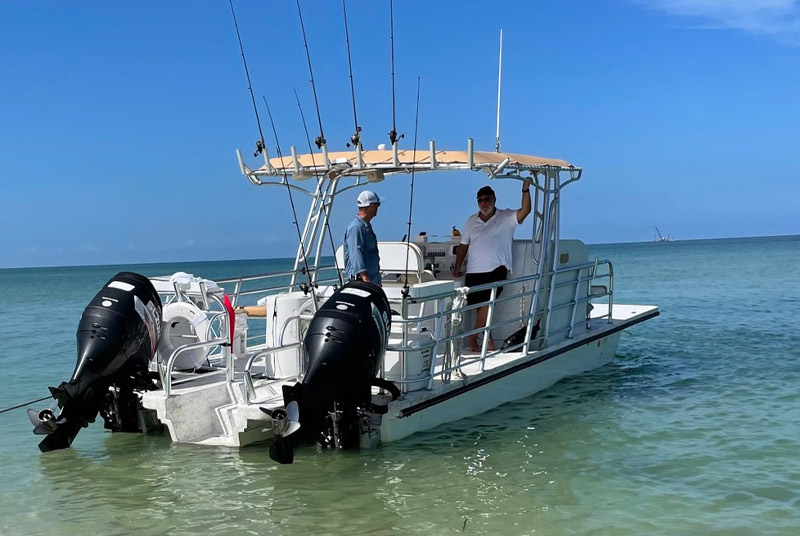
Private charters offer a different kind of flexibility. They can be a strong option for smaller groups that want more personal time on the water, whether the focus is wildlife viewing, shelling, sightseeing, or a custom celebration. Private fishing charters are designed for up to six guests and focus on the backwater fishing experience, although wildlife is often part of the day simply because these waters are so alive.
Whichever outing you choose, dress for sun and changing conditions. Bring sun protection, a hat, water, and a light layer if you tend to get cool in the breeze. Polarized sunglasses can make a surprising difference, helping you see beneath surface glare and spot fish, rays, and shifting sandbars along the route.
The most memorable dolphin encounter is rarely the one where an animal comes closest. It is the moment you realize you are watching a wild community at work in its own home. With an experienced, naturalist-led crew from Good Time Charters, that moment can become one of the most meaningful parts of your time on the Southwest Florida coast.