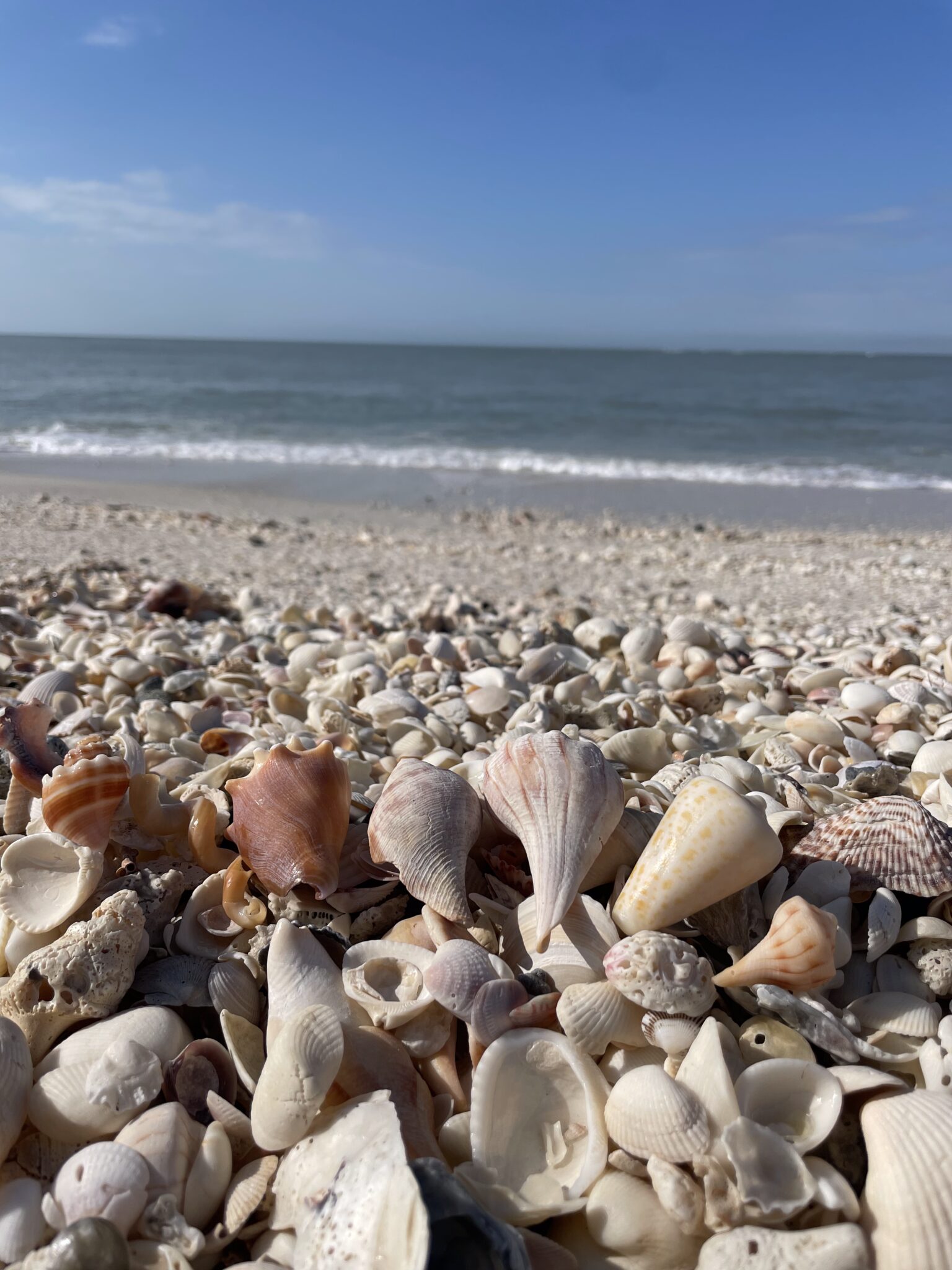
A shelling day can begin with a quiet beach, a rising sun, and the satisfying sight of a perfectly patterned shell at your feet. It can also begin with the wrong tide, crowded shoreline, and a bag full of broken shell fragments. This Southwest Florida shelling trip guide helps you plan for the first kind of day: a relaxed, rewarding outing shaped by local conditions, good preparation, and respect for the coastal habitat.
Shelling here is more than a beach activity. Barrier islands, tidal passes, mangrove shorelines, and Gulf currents all influence what washes ashore. A little local knowledge turns a casual walk into a true nature experience.
Why Southwest Florida Is So Good for Shelling
Southwest Florida’s low-lying barrier islands act as natural collection points for shells traveling through Gulf waters. Tides and currents move shells toward beaches, sandbars, and quieter stretches of shoreline, where they settle among seaweed, driftwood, and other wrack line material.
The variety is part of the fun. Depending on the location and conditions, shellers may find lightning whelks, fighting conchs, scallops, cockles, coquinas, augers, olives, and colorful pieces of calico scallop. No two days are alike. A beach that looks picked over in the afternoon may reveal fresh finds after an overnight tide change.
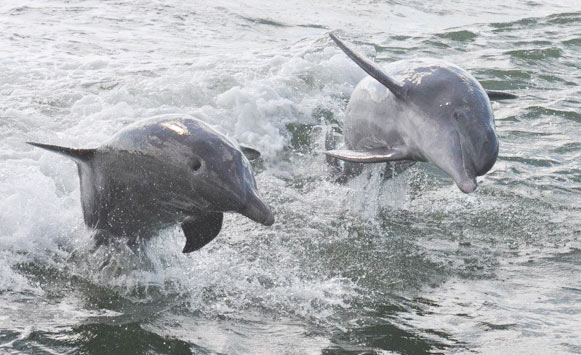
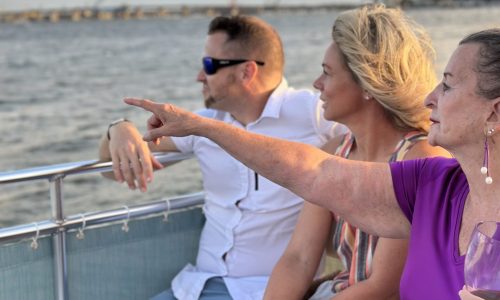
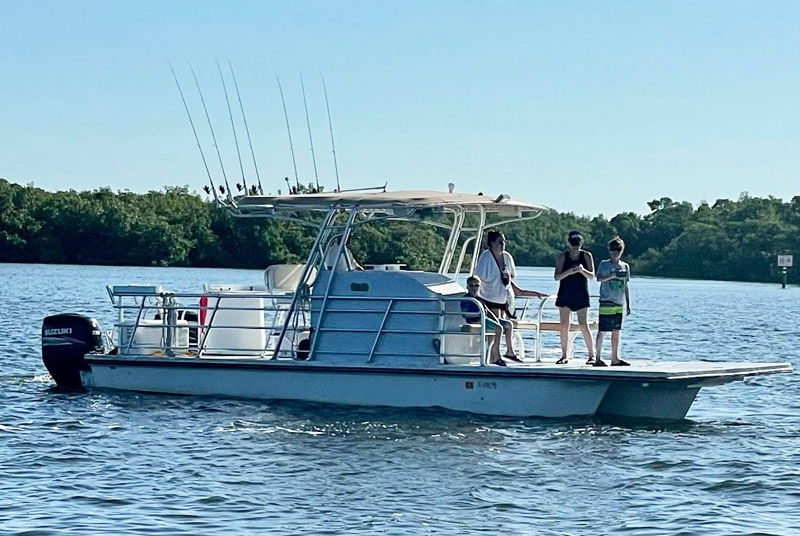
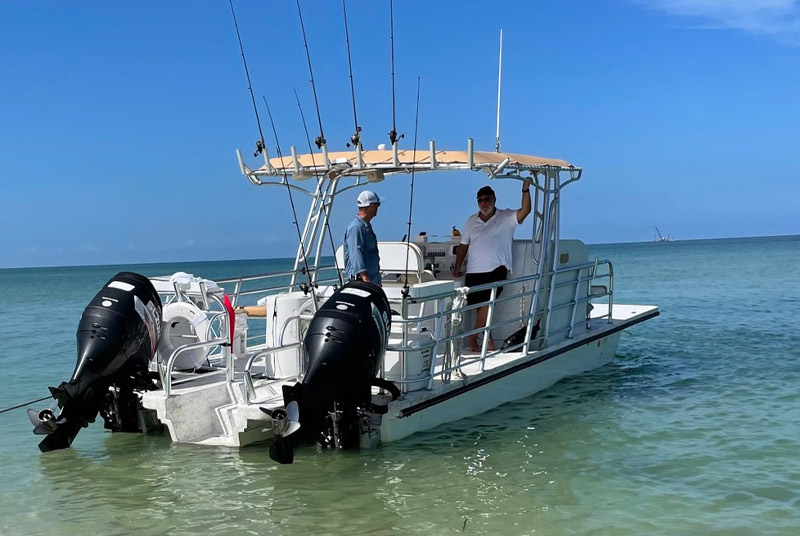
That changing nature is also why a guided boat outing can make such a difference. Reaching a less-trafficked island or sandbar by water often gives guests more time in the habitat and fewer crowds competing for the same discoveries. Along the way, the journey can include dolphins, shorebirds, rays, and a closer look at the estuary that delivers those shells to shore.
Time Your Shelling Trip Around the Tide
When accessing shorelines by foot, the best shelling is often tied to the lowest accessible tide. As the water pulls back, it exposes fresh stretches of sand and shell beds that are normally underwater. Early morning can be especially productive because fewer people have walked the beach before you.
Low tide is a strong rule of thumb, but it is not the only factor. Wind direction, recent weather, currents, and the shape of the beach all matter. A strong onshore breeze can push material toward shore, while a calm day may make it easier to see shells in shallow, clear water.
Winter and early spring are popular shelling seasons because cooler weather makes longer beach walks comfortable. Still, shelling is a year-round possibility in Southwest Florida. Summer visitors may enjoy warm water and quieter beaches, but should plan around heat, afternoon thunderstorms, and the need for sun protection.
Look at the Wrack Line
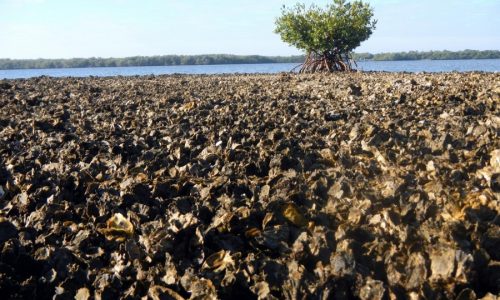
New shellers often scan only the smooth, open sand. Instead, pay attention to the wrack line, the natural band of seaweed, small sticks, seagrass, and shells left behind by the tide. It may not look polished, but it is often where the most interesting finds collect.
Walk slowly and look for shape, color, and pattern. A small olive shell can blend into wet sand, while a scallop may look like an ordinary fragment until its ridges catch the light. Let children lead the search for a few minutes. They are often excellent at spotting what adults walk past.
What to Bring for a Comfortable Day
A shelling trip does not require complicated gear, but the right basics make the outing more enjoyable. Wear water-friendly shoes with secure soles. Bare feet are fine on soft sand, but shell beds can be sharp, and shallow water may hide broken shells or uneven bottom.
Bring a lightweight mesh bag or small bucket for shells. Mesh is ideal because sand can rinse away before you head home. A small hand scoop or shelling net can be useful in shallow water, though your best tool is still a patient pair of eyes.
For a boat-access shelling adventure, pack light and protect what matters. A hat, polarized sunglasses, reef-safe sunscreen, water, and a dry bag for phones and cameras are smart choices. Polarized lenses reduce glare, making it much easier to spot shells beneath the water’s surface.
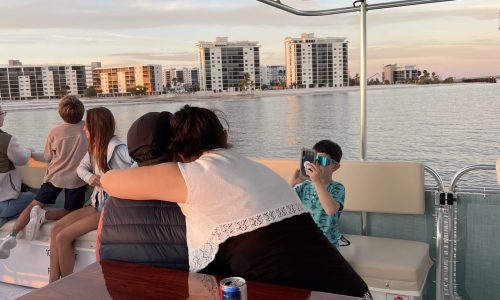
If you are bringing young children, add snacks, a change of clothes, and a small container for their favorite finds. Keep expectations simple. A child who finds one beautiful shell, sees a dolphin, and gets to splash at the shoreline has had a successful day.
Know Which Shells Must Stay in the Water
The most important shelling rule is straightforward: never take a live shell. If a shell has a living animal inside, it belongs in its habitat. That includes shells occupied by snails, clams, or other marine life.
Before placing a shell in your bag, look closely. A live shell may show an animal, a closed operculum sometimes called a “trapdoor,” or movement when gently placed in shallow water. When in doubt, leave it behind. The shell will continue serving an important role in the coastal ecosystem.
Empty shells are also useful even after their original residents are gone. Hermit crabs rely on them for homes, and shell material helps build beaches over time. Take only what you can genuinely appreciate, and leave plenty for wildlife and other beachcombers.
Rules can vary by location, especially within protected areas, preserves, parks, and wildlife refuges. Before collecting, follow posted regulations and the guidance of your captain or naturalist. A responsible shelling trip protects the same coast that makes the experience special.
Choose a Beach Walk or a Boat-Access Adventure
A public beach walk is an easy option for travelers who want to shell at their own pace. It works well when you have a flexible schedule, want a short outing, or simply hope to add a little treasure hunting between other vacation plans.
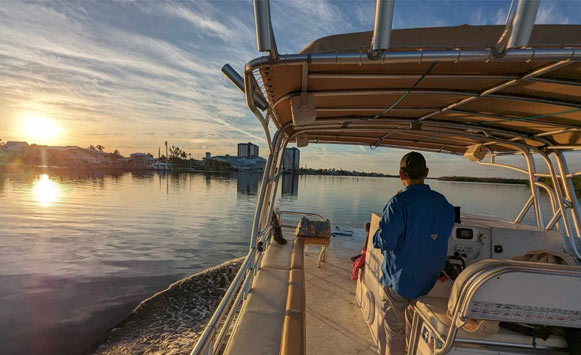
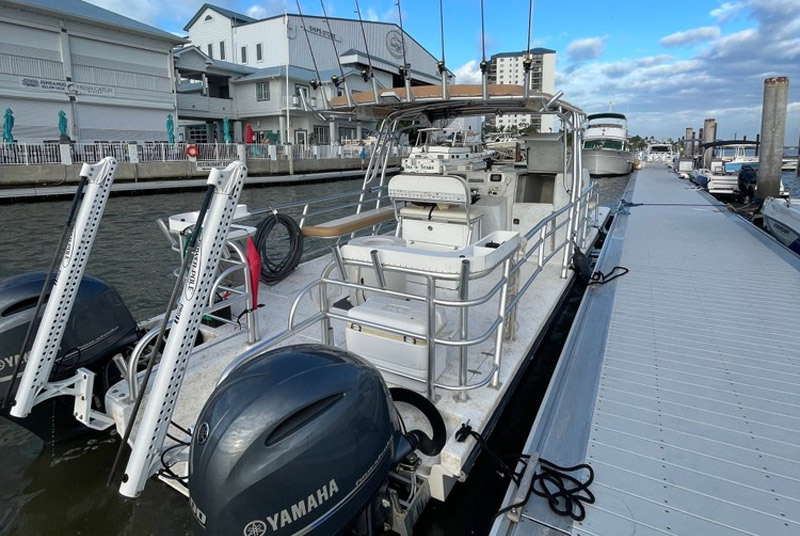
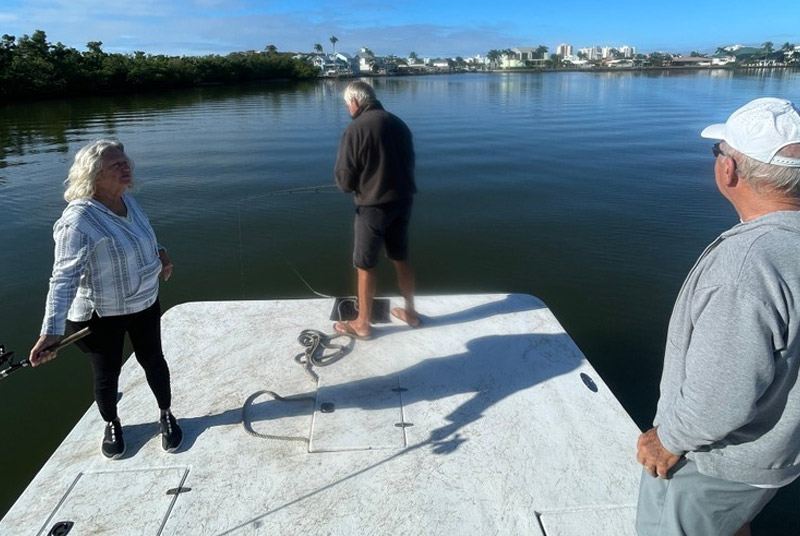
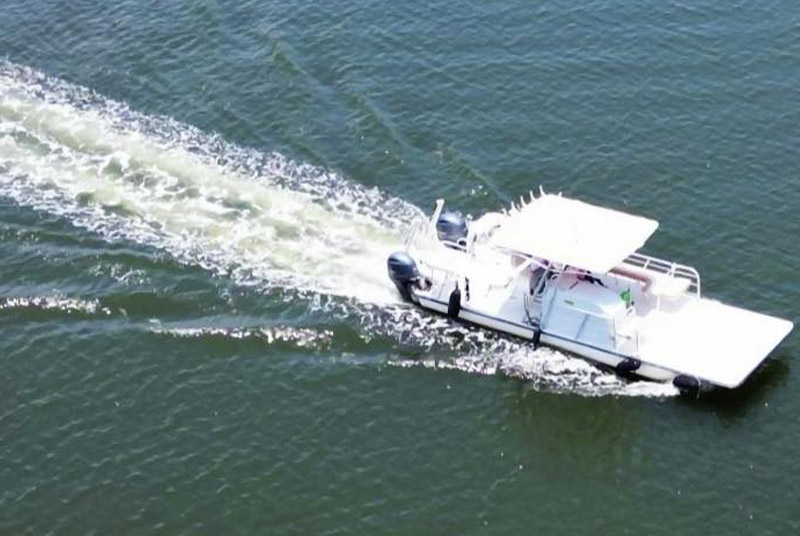
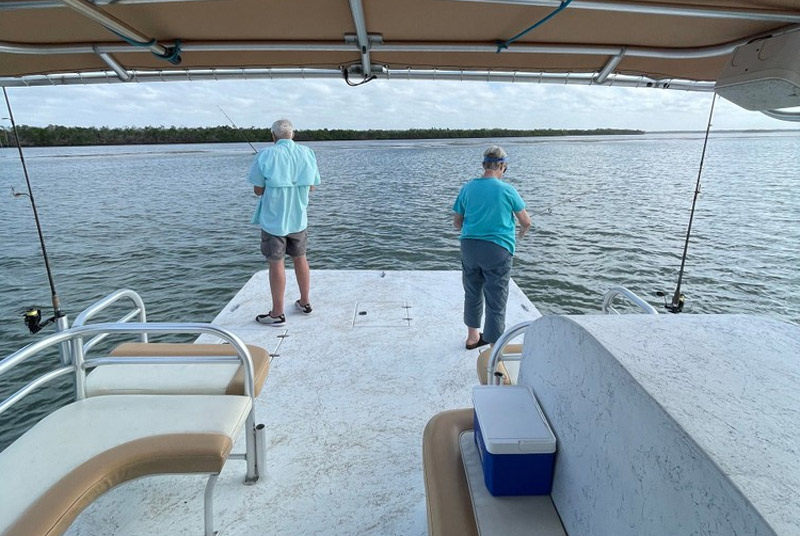
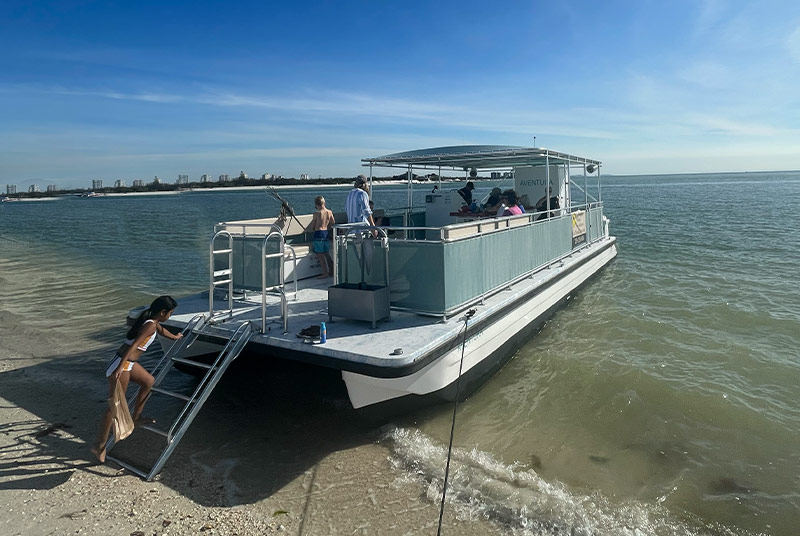
A boat-access trip offers a different kind of experience. Remote beaches and islands can be difficult or impossible to reach by car, and a knowledgeable captain can choose routes based on weather, tides, wildlife activity, and local conditions. The ride itself becomes part of the day, with open-water views and opportunities to spot dolphins, osprey, pelicans, and other coastal wildlife.
The trade-off is that a remote island is never a guaranteed shell jackpot. Nature does not run on a schedule, and conditions change constantly. What a professional crew can provide is thoughtful planning, safe navigation, and a better understanding of where shells are likely to gather on a given day.
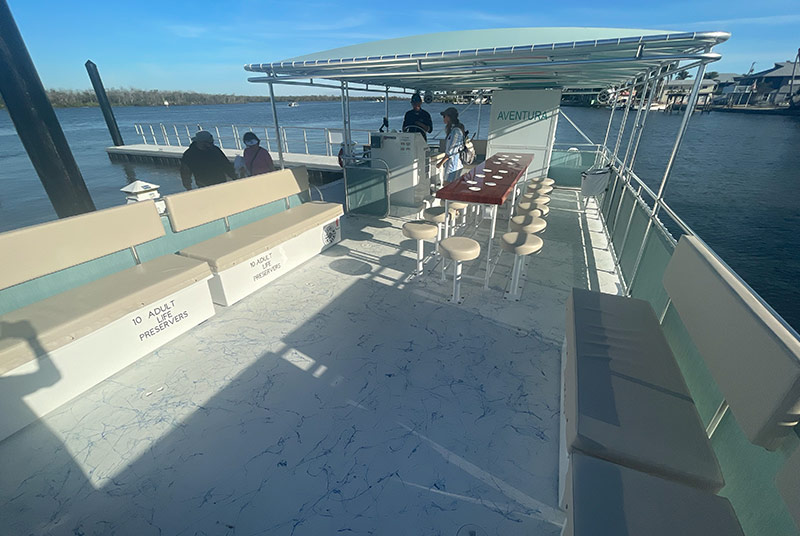
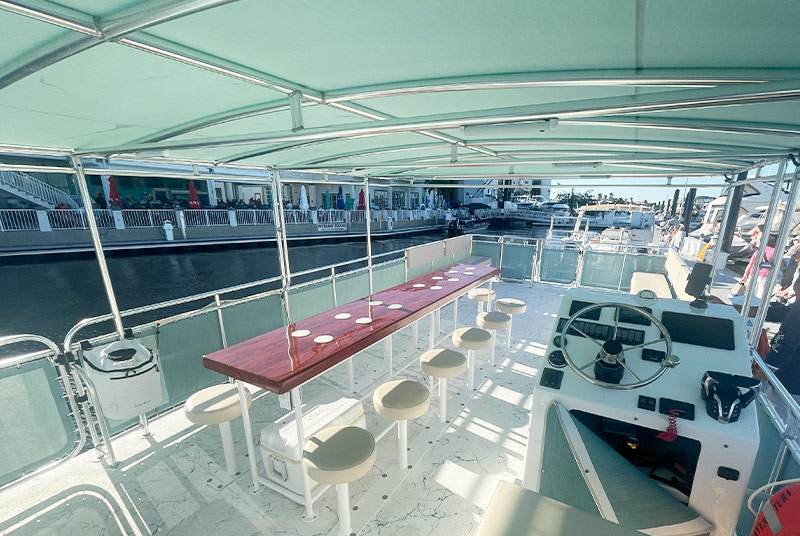
At Good Time Charters, shelling outings are led with the same nature-first perspective that makes time on the water more memorable. Guests are not just pointed toward a beach and left to search. They can learn how tides, birds, currents, and barrier islands connect, while enjoying an unhurried coastal adventure.
How to Search Without Missing the Good Stuff
Start at the high tide line, then work gradually toward the water. Search in a loose zigzag pattern instead of wandering randomly. When you find an area with several intact shells, slow down. Shells often settle in clusters based on size and shape.
Wade only where conditions are calm and you can see the bottom clearly. Shuffle your feet rather than stepping heavily, especially in seagrass or murky water. This approach is kinder to marine life and helps you avoid surprises beneath the surface.
Photograph unusual shells before collecting them, particularly if you are unsure whether they are empty or protected. A photo is a great keepsake, and it lets you ask a naturalist about your discovery later. Some of the best memories from a shelling trip are the stories behind the shells, not just the shells themselves.
Clean and Pack Your Finds Carefully
Rinse empty shells with fresh water after your outing and let them dry completely. Avoid harsh chemicals, which can damage delicate colors and leave an unpleasant odor. A soft brush and a little patience are usually enough to remove sand.
If you plan to fly home with your collection, pack shells in a sturdy container with padding between larger pieces. Do not pack wet shells in a sealed bag. They can smell quickly, and moisture may damage nearby belongings.
A shelling trip is best measured by more than the number of shells in your bucket. Go at a tide that gives you room to explore, bring what you need to stay comfortable, and leave live shells where they belong. The reward may be a rare find, a child’s first conch shell, or a quiet moment on an island beach with the Gulf stretching beyond your footprints.