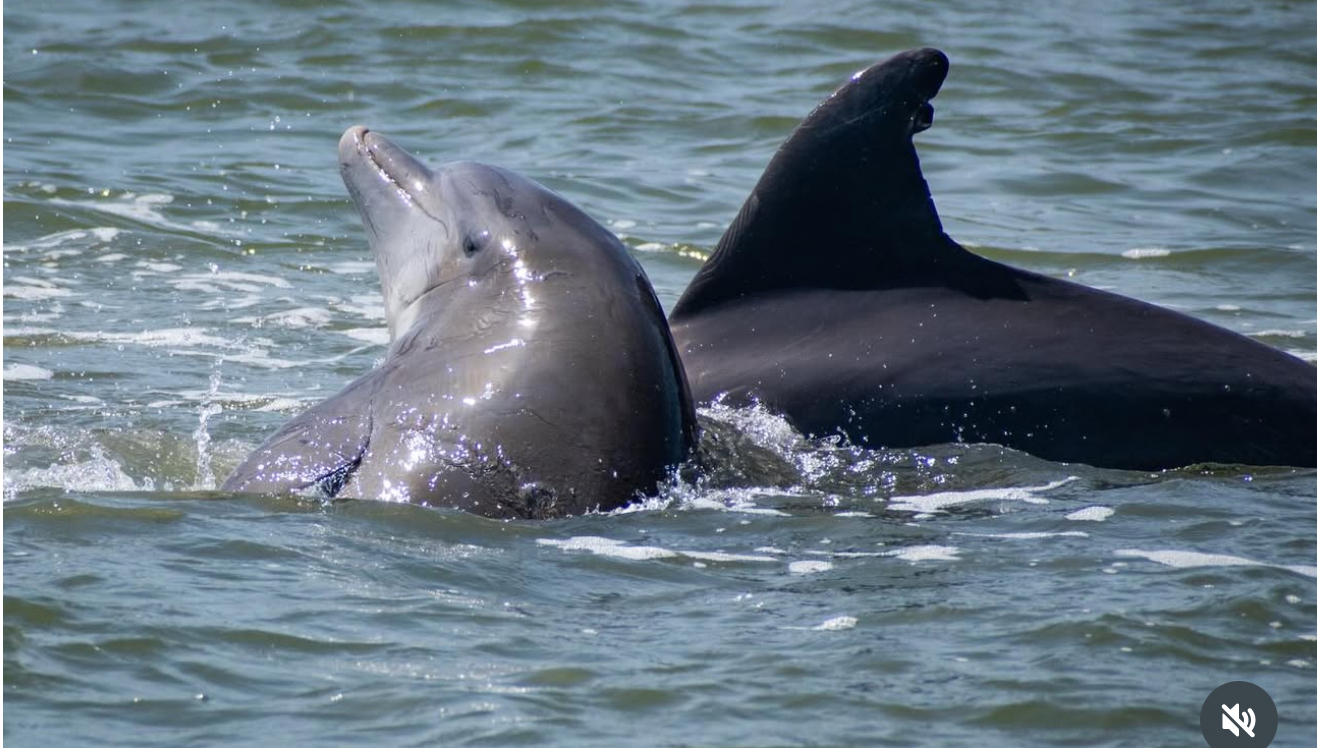
A dolphin sighting can change the whole mood of a day on the water. One curved dorsal fin, one quick exhale, one calf surfacing beside its mother, and suddenly everyone on board is paying closer attention. That excitement is exactly why learning how to spot dolphins responsibly matters. The goal is not just to see them, but to do it in a way that keeps the experience safe, ethical, and genuinely memorable for both people and wildlife.
In Southwest Florida, dolphins are one of the highlights of any coastal outing, but they are not there to perform on cue. They are feeding, resting, traveling, mating, socializing, and caring for young in a busy coastal habitat. Responsible spotting starts with a simple mindset shift – you are entering their world, not asking them to enter yours.
What responsible dolphin spotting really means
A lot of people assume responsible viewing just means not touching a dolphin. That is part of it, but the real picture is broader. Responsible spotting means giving dolphins enough space to behave naturally, avoiding sudden changes that make them alter course, and recognizing when your presence is adding pressure.
That last part matters more than many visitors realize. Dolphins may look playful around boats, but boat traffic can interrupt feeding and rest. A dolphin that approaches on its own is different from a dolphin being chased, cut off, or crowded by multiple vessels trying to get a better photo. Good wildlife viewing does not force the moment.
If you are on a guided tour, a skilled captain and naturalist can do a lot of that reading for you. If you are on a private boat or watching from shore, the responsibility sits squarely with you.
How to spot dolphins responsibly without disturbing them
The best dolphin encounters usually happen when people stop trying so hard to make them happen. Dolphins are easier to spot when the boat is moving predictably and slowly, the group is scanning calmly, and nobody is clapping and whistling claiming to be the dolphin whisperer.
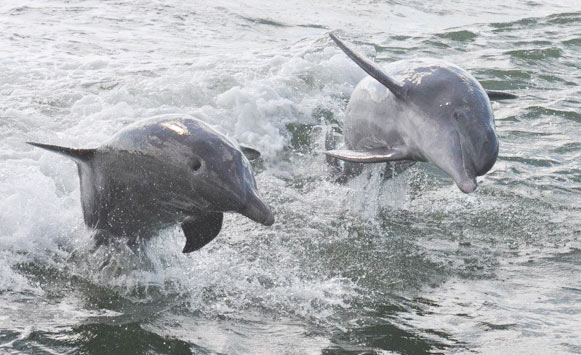
Start by looking for signs rather than waiting for a full breach. Watch for a dorsal fin slicing cleanly through the water, a rolling back, a small splash followed by a smooth surfacing, or birds working an area where baitfish are active. Early morning and late afternoon often provide calmer light and easier surface visibility, though it depends on weather, tide, and season.
Noise matters. On smaller vessels especially, heavy foot traffic, shouting, and sudden movement can change the whole feel of a sighting. You do not need complete silence, but a calm boat gives everyone a better chance to observe natural behavior. It also helps the crew notice subtle clues, like where a pod may surface next.
Distance matters too. There is no magic number that works in every situation because dolphins move, currents shift, and group size changes. But as a rule, if your presence causes dolphins to dive longer, change direction, bunch tightly, or increase speed, you are too close or acting too aggressively. Backing off is not missing the experience. It is protecting it.
Read the behavior, not just the excitement
One of the most useful things any guest can learn is the difference between active curiosity and signs of disturbance. Dolphins that are traveling steadily may surface in a predictable line and continue on their way. Feeding dolphins may make more sudden directional changes. Mothers with calves often need extra space, even if the calf appears energetic or interested.
The common mistake is assuming every approach is an invitation. Sometimes dolphins ride a boat’s pressure wave or pass nearby because the vessel is in their path. That does not mean the captain should speed up, turn sharply to stay with them, or let the boat drift into their route. Respectful operators keep movement smooth and avoid boxing animals in.
The biggest mistakes people make
Most irresponsible dolphin encounters do not start with bad intentions. They start with enthusiasm and poor judgment.
Trying to follow dolphins too closely is one of the most common problems. People want a longer look, so they steer toward every surfacing. From the human perspective, that feels harmless. From the dolphin’s perspective, it can feel like repeated pursuit.
Feeding is another mistake that should never happen. It changes natural behavior, creates unhealthy dependence, and can teach dolphins to approach boats in risky ways. Wild dolphins do not need snacks from tourists, and they are better off when they keep their distance from human food and fishing activity.
Swimming toward dolphins is also out of bounds. Even strong swimmers cannot predict how a wild animal will react, and close in-water interaction creates stress and safety concerns. The same goes for trying to attract dolphins with splashing, whistles, or engine revving. If a sighting needs to be manufactured, it is probably not responsible.
Photos are great, but they are not the priority
A good photo is a bonus. It should not dictate the entire encounter.
The chase for the perfect shot is where people often forget the basics. Leaning too far, crowding one side of the boat, demanding a closer pass, or getting frustrated when dolphins surface farther away all shift attention away from respectful viewing. In practice, the best wildlife photos often come from patience. Let the animals set the pace and watch for repeat surfacing patterns instead of pushing for proximity.
If you miss the shot, you still had the sighting. That is a much healthier way to experience wildlife.
Where and when you are most likely to see dolphins
Dolphins can show up in surprisingly shallow water, passes, bays, and nearshore Gulf waters, especially where fish are active. In places like the waters around Fort Myers Beach, sightings often happen during nature cruises, shelling trips, and private charters because the surrounding estuaries and coastal habitats support the food web dolphins rely on.
That said, there are no guarantees on any given outing. Weather can reduce visibility. Boat traffic can shift behavior. Some days dolphins are actively feeding and easy to observe. Other days they are more spread out or moving quietly through an area.
This is where experience makes a difference. Captains and naturalist guides who spend real time on the water learn seasonal patterns, feeding zones, bird behavior, and the subtle signs that casual boaters miss. They also know when not to press a sighting. That balance is part of responsible guiding.
Why guided tours often lead to better sightings
A responsible tour is not just about convenience. It often creates a better experience for the animals and for the guests.
Experienced crews know how to approach wildlife areas without turning the outing into a pursuit. They can position the boat for viewing, explain what the dolphins are likely doing, and keep everyone focused on the bigger ecosystem instead of just the next photo opportunity. That matters for true nature lovers, first-time visitors, and anyone who wants more than a basic boat ride.
Biologist-owned and naturalist-led operators, in particular, tend to frame dolphin encounters as part of a living coastal system. You are not only spotting fins. You are learning how tides influence feeding, why mullet schools attract predators, how calves stay close to their mothers, and what respectful boating looks like in real time. The sighting becomes more meaningful because it has context.
Teaching kids how to spot dolphins responsibly
Children are often the first ones to notice a fin, and they can also be the best wildlife watchers on board if you give them a little guidance.
Instead of telling kids to be quiet because dolphins are near, give them a job. Ask them to look for fins, splashes, birds diving, or smooth circles on the water. Teach them that wild animals need space, just like kids do. Once kids understand that backing off is a way of being kind, they usually take the role seriously.
It also helps to set expectations before the trip starts. Dolphins may come close, or they may not. The point is to watch respectfully and enjoy whatever the water shows you that day. That kind of expectation makes for happier families and calmer wildlife viewing.
A better standard for dolphin encounters
If you remember only one thing, make it this: the best dolphin sighting is one where the dolphins get to remain completely themselves. No chasing. No crowding. No feeding. No performing. No pressure to turn a wild moment into a controlled one.
When you approach the water with that attitude, you tend to notice more. You pay attention to birds, baitfish, tides, and shoreline habitat. You become more patient. And when dolphins do appear, the experience feels less like a performance and more like what it really is – a brief, remarkable look into the life of a wild animal.
That is the kind of encounter people remember long after the boat is back at the dock.