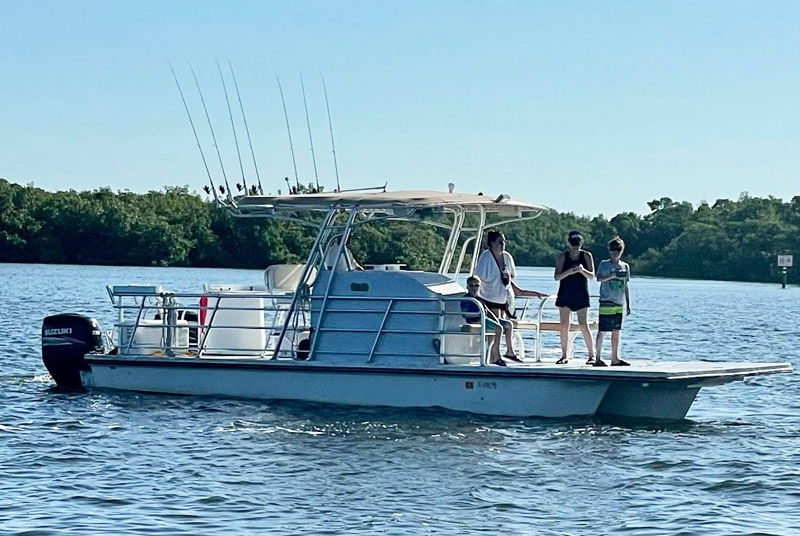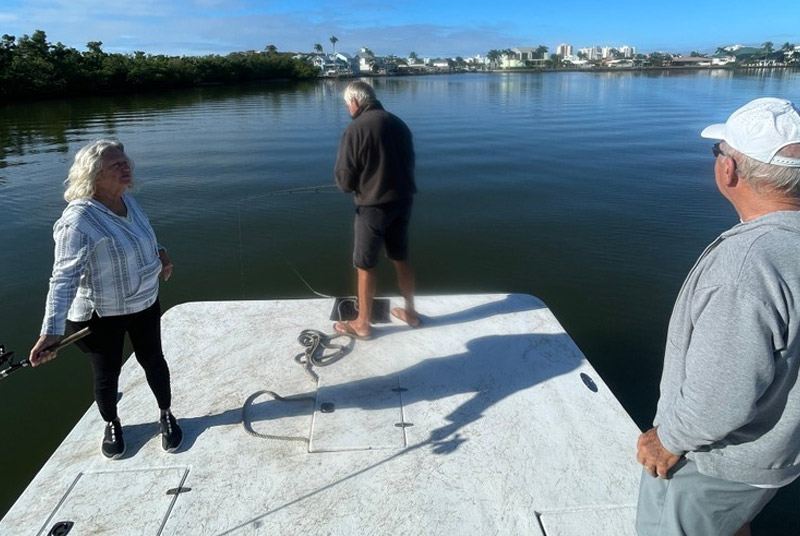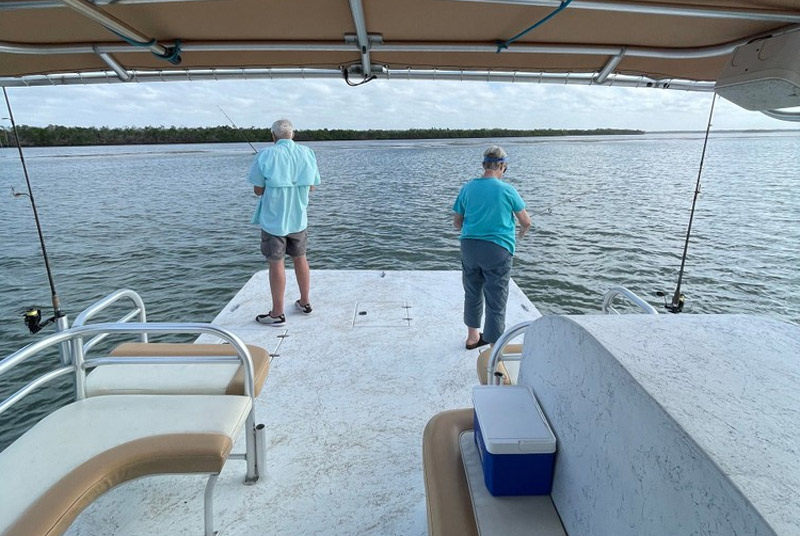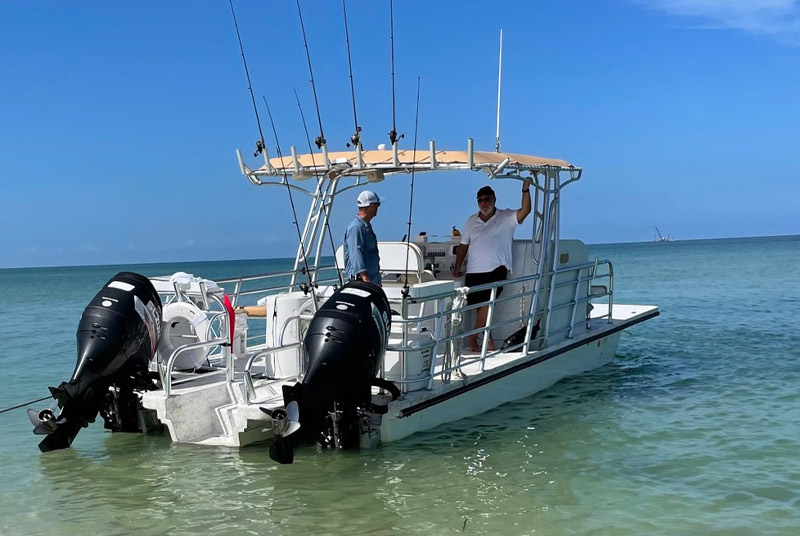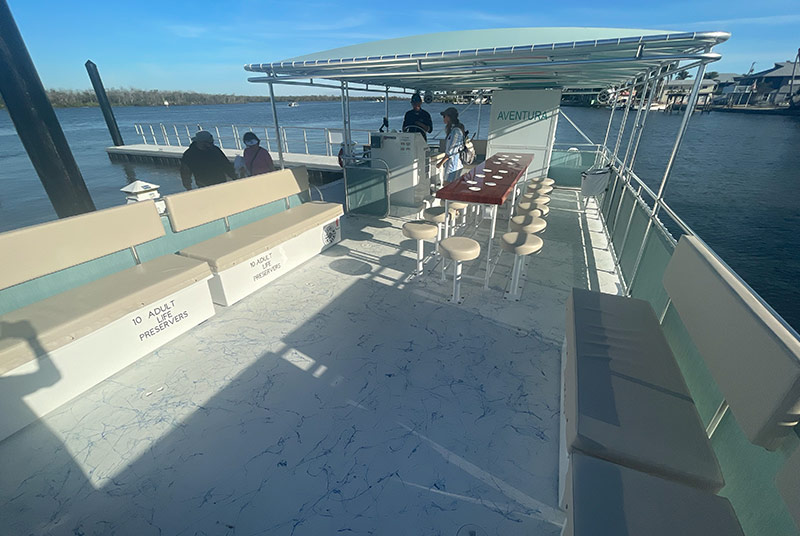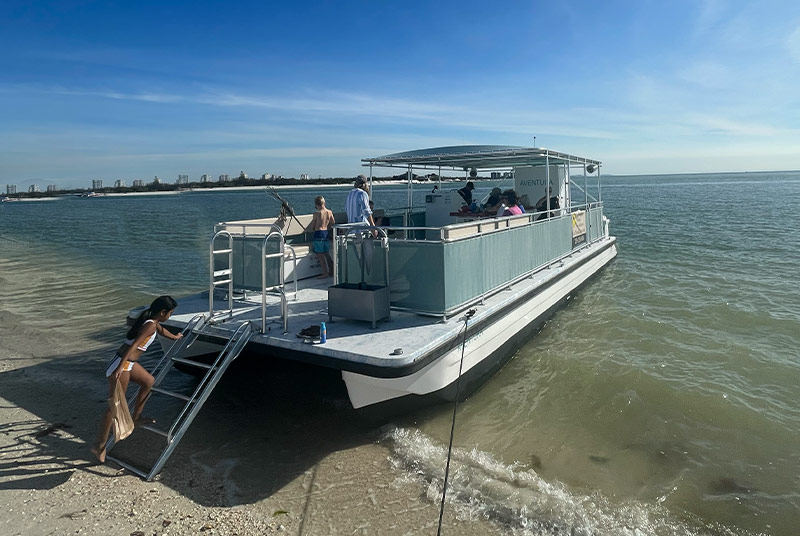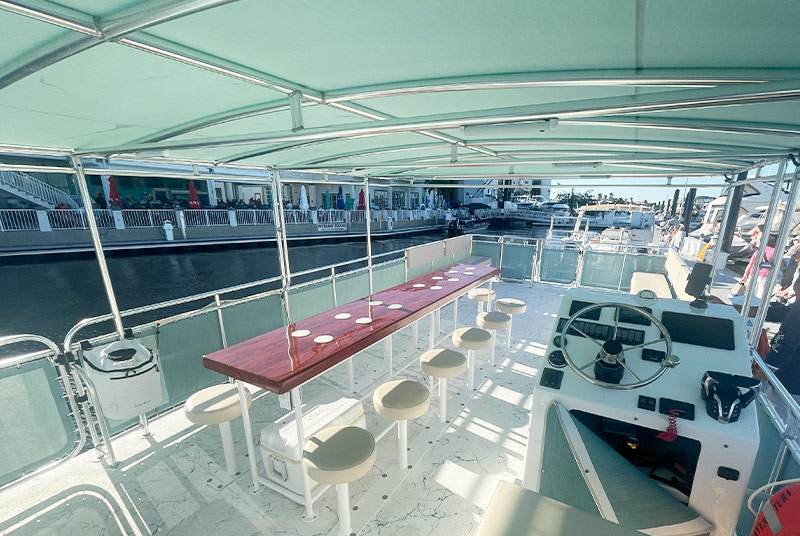

A dolphin breaks the surface off the bow, an osprey circles overhead, and someone in your group is suddenly staring at their shoes. Motion sickness can turn a beautiful boat day into a long ride home, but knowing how to prevent boat seasickness gives you a much better chance of enjoying the wildlife, sunshine, and salty air instead.
The good news is that most people can reduce their risk with a little planning. The trick is to start before the boat leaves the dock. Once your brain and inner ear are already arguing about whether you are moving, it is harder to catch up.
Why boat motion makes some people sick
Seasickness happens when the motion your body feels does not match the motion your eyes see. Your inner ear senses the boat rising, turning, and rocking, while your eyes may be focused on a phone, the deck, or the inside of a cabin that appears perfectly still. That mixed signal can lead to nausea, sweating, headache, fatigue, dizziness, and, yes, the urgent need to find the nearest rail.
It is not a toughness contest. Experienced anglers, seasoned travelers, and people who never get carsick can still feel queasy on the water. Conditions matter. A protected back bay may feel calm, while a breezier day with boat wakes or a trip into open water can create more motion. Your sleep, hydration, stress level, and what you ate can matter just as much as the forecast.
Prevent boat seasickness before departure
The simplest strategy is to show up rested, fed, and hydrated – but not stuffed. Skip the heavy, greasy breakfast that would make you sluggish on land, and do not board on an empty stomach either. A light meal with protein and easy-to-digest carbohydrates, such as eggs and toast, yogurt and fruit, or a turkey sandwich, is often a sensible choice.
Drink water in the hours before your trip. Florida heat can sneak up quickly, and dehydration can make nausea and headaches worse. Alcohol is a poor pre-cruise companion: it dehydrates you, disrupts your balance, and can make even gentle motion feel more dramatic. Save the celebratory drink for after the boat is back at the dock.
A good night’s sleep is another surprisingly powerful tool. When you are overtired, your body has less patience for heat, bright sun, motion, and excitement. If you are traveling with kids, build in enough time so the morning does not become a frantic race to the marina. A calm start is better for everyone, especially the person who is already worried about getting sick.
If you know you are prone to motion sickness, consider medication before you feel bad. Many over-the-counter options work best when taken ahead of time, not after nausea begins. Some can cause drowsiness, dry mouth, blurred vision, or other side effects, so read the label carefully and avoid trying a new medication for the first time right before an important outing.
Prescription options, including medicated patches, may be helpful for some travelers but are not right for everyone. Ask your doctor or pharmacist about the best choice if you are pregnant, managing a health condition, taking other medications, or planning for a child. Never combine motion-sickness medicine with alcohol, and do not assume a “natural” remedy has no side effects.
Choose the best spot on the boat
Where you sit or stand can make a real difference. The middle of the boat, close to the waterline, generally experiences less up-and-down and side-to-side movement than the bow or stern. If you have a choice, that is usually the sweet spot for a sensitive stomach.
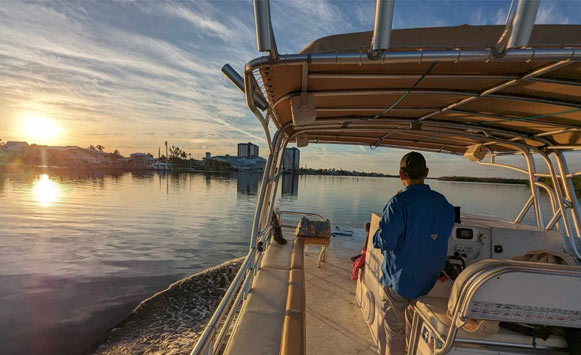
Fresh air helps, too. Stay outside when conditions allow, face forward, and keep your eyes on the horizon or a stable landmark on shore. Watching the water ahead gives your eyes a visual explanation for the movement your inner ear is sensing. It is one of the easiest ways to help your brain get on the same page.
Try not to spend the ride looking down at a phone, reading, scrolling through photos, or studying a map. Those are excellent ways to miss a dolphin sighting and invite nausea at the same time. If you need to check something quickly, do it, then look back up and out.
On a sightseeing or wildlife cruise, the captain and crew can also be a helpful resource. Let them know early if you are feeling uneasy. They have seen every shade of seasick – from “I might need a little air” to “please point me toward the nearest bucket” – and would rather help before you feel miserable.
What to bring for a more comfortable ride
A few small items can make a big difference without turning your beach bag into a pharmacy cabinet. Bring water, sunscreen, sunglasses, and a hat that will stay put in the breeze. Polarized sunglasses are especially useful for reducing glare and spotting wildlife near the surface, though any comfortable pair can help you avoid squinting into the sun.
Some guests like acupressure wristbands, ginger chews, or ginger tea. These remedies may help certain people, but results vary, and they are not a guaranteed replacement for proven medication when you are highly susceptible to motion sickness. Think of them as an extra layer of comfort, not a force field against waves.
Pack a light snack if permitted on your outing. Plain crackers, pretzels, or a simple granola bar can be easier on the stomach than rich or strongly scented foods. Avoid bringing pungent snacks that may bother someone else who is already queasy. A boat is a shared space, and the aroma of tuna salad can become very memorable for all the wrong reasons.
Dress for warmth as well as sun. Even on a warm Southwest Florida day, a breeze over the water can feel cooler than expected. Being chilly, wet, or sunburned makes it harder to feel well. Lightweight layers are more useful than a bulky jacket, and shoes with secure soles are smarter than anything slippery.
Help kids prevent boat seasickness
Children may not recognize early nausea or know how to describe it. They may say they are tired, hot, or have a stomachache, then become pale or unusually quiet. Encourage them to look at the horizon, sip water, and tell an adult as soon as they feel strange.
Keep children off screens during the ride, especially if they have a history of carsickness. Give them a job instead: help spot pelicans, count dolphins, watch for jumping fish, or look for shells along the shoreline. Nature has a way of being more entertaining than a tablet when it is right in front of you.
Talk with a pediatrician or pharmacist before giving any motion-sickness medication to a child. Age limits and dosing vary, and a smaller body does not simply need a smaller guess.
If seasickness starts anyway
Even with good preparation, nausea can happen. Act early. Move into fresh air, sit near the center of the vessel if possible, look toward the horizon, and take slow, steady breaths. Sip water rather than gulping it. Avoid strong smells, screens, and conversations about whether anyone else feels sick – that topic has a contagious quality no scientist needs to explain.
Tell the crew. Professional captains and guides want guests to be safe and comfortable, and they can suggest the best available place to sit or stand based on the vessel and conditions. Do not be embarrassed. Seasickness is common, and taking care of it promptly gives you the best chance of feeling better before the next manatee, dolphin, or roseate spoonbill makes an appearance.
A calmer mindset helps, especially on Florida waters
Worrying about seasickness can make you hyperaware of every little roll of the boat. Prepare well, then give yourself permission to enjoy the ride. Many Fort Myers Beach excursions travel through sheltered coastal waters, where the scenery is close, the wildlife is active, and the ride is often gentler than guests expect. Still, weather and water conditions always have the final say, so no captain can promise a completely motion-free day.
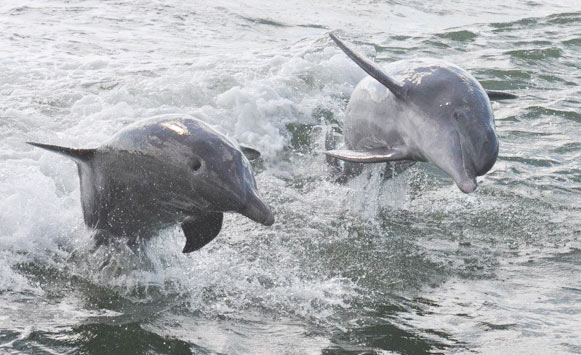
At Good Time Charters, our naturalist-led experiences are designed to keep your attention on the good stuff: dolphins in the wake, shorebirds working the shallows, and the living coastal ecosystem all around you. Arrive rested, choose a smart spot, keep your gaze outward, and let the water do what it does best – make an ordinary vacation day feel a whole lot less ordinary.