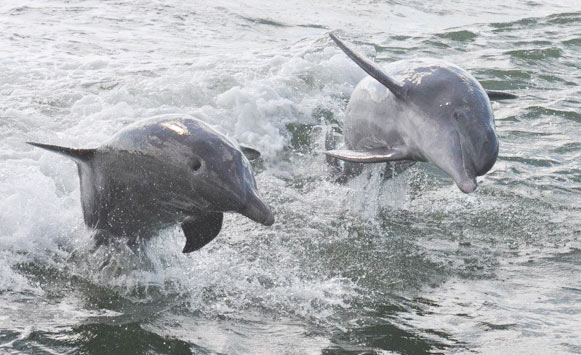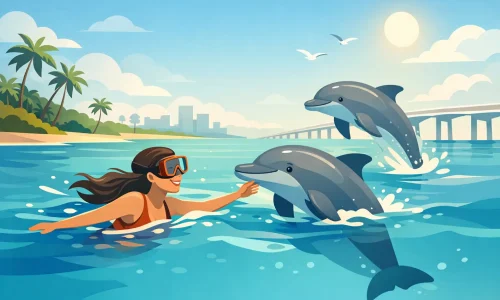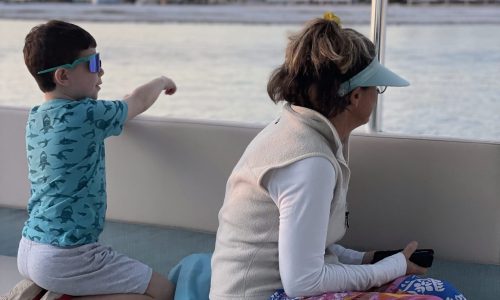
A bottlenose dolphin breaks the surface beside the boat, then disappears beneath the green-blue water before reappearing with a quick splash farther down the channel. Moments like this are why visitors ask, what wildlife can you see around Fort Myers Beach? The short answer is: quite a lot. Estero Bay, nearby mangrove islands, tidal flats, and Gulf waters create a living coastal neighborhood for marine mammals, wading birds, rays, fish, and seasonal visitors.
Wildlife is never scheduled, and that is part of the excitement. A knowledgeable naturalist can greatly improve your odds of spotting animals and help you understand the behavior unfolding in front of you, but nature sets the itinerary. Some days belong to dolphins. Others deliver manatees, osprey, or a shoreline full of birds working the tide.
What Wildlife Can You See on Southwest Florida Waters?
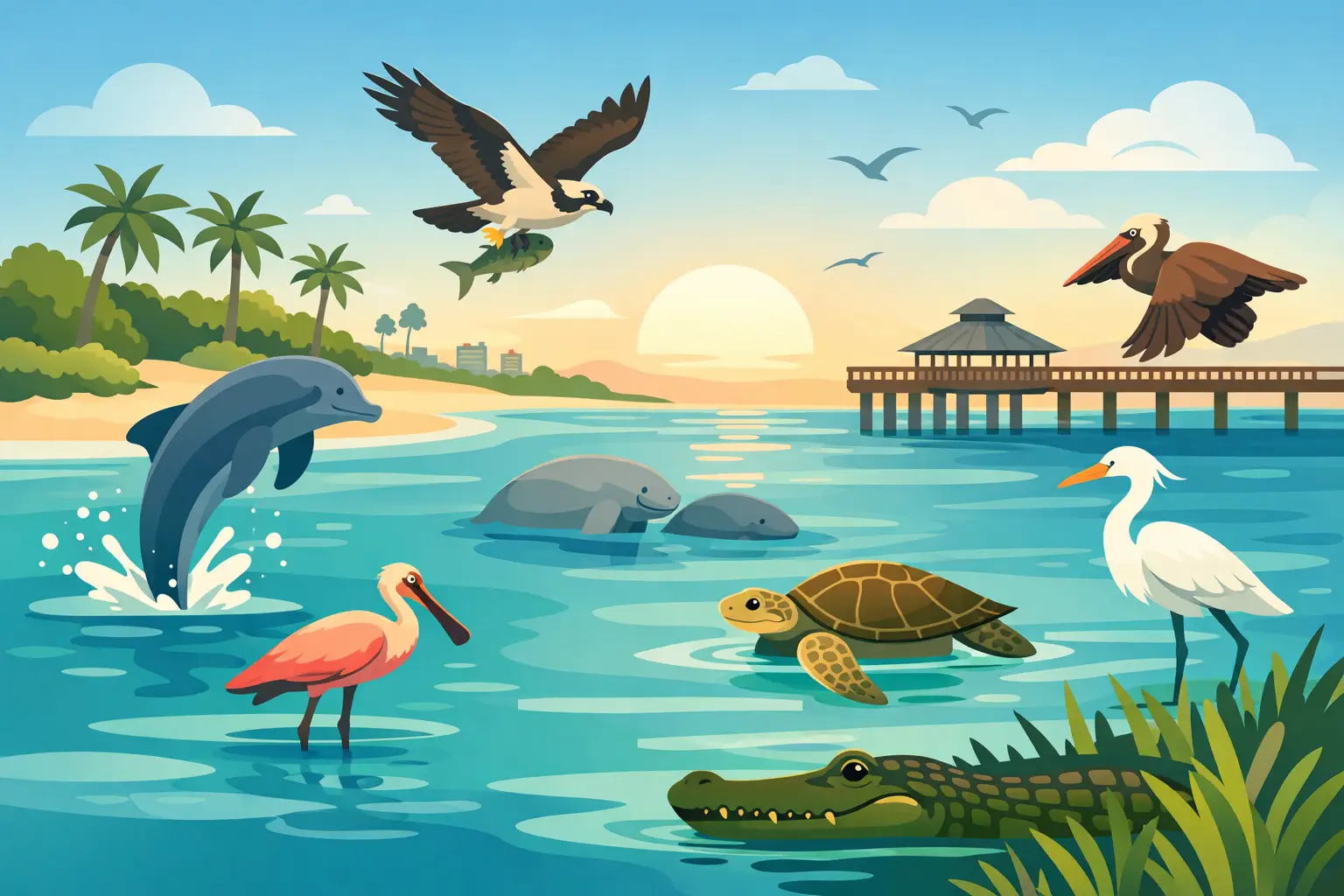
Bottlenose dolphins
Dolphins are often the stars of a coastal cruise, and Southwest Florida’s resident bottlenose dolphins are among the most memorable animals to encounter. Look for a curved dorsal fin, a smooth gray back, or a small burst of spray as a dolphin surfaces to breathe. They may travel alone, in pairs, or in loose groups, sometimes with calves moving close to their mothers.
Dolphins are intelligent, social marine mammals, but they are still wild. The best encounters happen when a boat gives them room to choose their own path. If dolphins ride a wake or surface nearby, enjoy the moment without trying to touch, feed, or call them closer. A naturalist-led trip adds context: you may learn how dolphins use echolocation, why they surface in a particular rhythm, and what their movements suggest about feeding or travel.
West Indian manatees
Manatees are another favorite, especially in protected back bays, canals, and warm-water areas. These gentle herbivores often appear as a broad, dark shape just under the surface, a round snout lifting for air, or a swirl of water near a mangrove edge. They can be surprisingly difficult to spot at first, even though adults can weigh well over 1,000 pounds.
Sightings depend heavily on water temperature, tide, boat traffic, and season. Manatees generally seek warmer water when temperatures drop, while warmer months can bring more opportunities to see them feeding in shallow seagrass areas. Slow, respectful boating matters because manatees are vulnerable to vessel strikes. Your captain will know where reduced speeds and careful observation are essential.
Birds that own the shoreline
For many guests, the birdlife is the unexpected highlight. The skies and mangroves around Fort Myers Beach support birds with very different hunting styles, calls, and personalities. A brown pelican may fold its wings and plunge into the water after fish. An osprey may circle overhead with a fish clutched in its talons. A great blue heron can stand so still at the water’s edge that it seems like part of the shoreline.
You may also see snowy egrets flashing bright white against the mangroves, reddish egrets chasing baitfish with energetic wing displays, roseate spoonbills sweeping their distinctive bills through shallow water, and anhingas drying their wings in the sun. On sandbars and beaches, watch for willets, sanderlings, terns, gulls, and black skimmers.
Bird activity often changes with the tide. Falling water can concentrate small fish and crustaceans in narrower channels, creating a busy feeding window for herons, egrets, and wading birds. A guide who understands the tides can point out why one quiet-looking flat suddenly becomes a bird buffet.
Rays, fish, and other creatures below the surface
The water itself is full of wildlife, even when it is not always easy to identify from the boat. Southern stingrays may glide over sandy bottom in clear, shallow areas. Cownose rays sometimes travel in groups, their winglike fins creating a beautiful rolling motion. Small baitfish may erupt near the surface when pursued by larger predators, and the flash of a snook, redfish, or mullet can reveal a whole food web at work.
Keep an eye on the water around mangrove roots and grass flats. Needlefish, juvenile fish, crabs, and shrimp use these sheltered areas as nurseries. Those young animals support the larger fish, birds, and dolphins visitors hope to see. The mangroves are not just scenic backdrops – they are hardworking coastal habitat.
Sea turtles and seasonal surprises
Sea turtle sightings are less predictable than dolphin sightings, but they are always special. Loggerhead, green, Kemp’s ridley, and leatherback turtles are found in Florida waters, with loggerheads especially associated with the state’s nesting beaches. From a boat, you may see a turtle’s head surface briefly for air before it slips away again.
Season also brings surprises. Winter can bring migratory birds and, occasionally, more noticeable manatee activity in warm protected waters. Summer can offer lively bird feeding, warm Gulf conditions, and the possibility of seeing sea turtles. During migration periods, the coast may host species that are only passing through. Every outing has its own cast of characters.
Where Wildlife Is Most Often Spotted
The best wildlife habitat is usually where water, shelter, and food come together. Mangrove shorelines provide cover and nursery habitat. Seagrass beds feed manatees and shelter juvenile fish. Sandbars offer resting space for birds, while passes and channels can concentrate moving water and baitfish.
Open Gulf water can be excellent for dolphin sightings, particularly when conditions are calm enough to see surface movement clearly. Back-bay routes often offer a different kind of wildlife experience, with protected water, mangrove views, wading birds, and the chance to spot animals in quieter habitat. Neither is automatically better. Families with young children may prefer calmer backwater cruising, while guests hoping for wide coastal views may enjoy spending time closer to the Gulf.
Weather matters, too. Clear skies are lovely, but lightly overcast days can sometimes make it easier to see surface ripples and dorsal fins. Windy conditions can obscure smaller animals with chop, while changing tides may alter where birds and fish are feeding. A great captain reads the conditions and adjusts the route accordingly.
How to See More Wildlife Without Disturbing It
A few simple habits make a meaningful difference. Bring polarized sunglasses if you have them, since they reduce glare and can help reveal shapes under the surface. Keep your camera ready, but do not watch the whole trip through a screen. The first glimpse of a manatee snout or a dolphin calf is better when you are present for it.
Patience is equally valuable. Scan ahead along the shoreline, then pause to look behind you. Watch for bird behavior, because circling terns, diving pelicans, or a sudden gathering of egrets can signal feeding fish below. Listen as well. Dolphins sometimes announce themselves with a soft exhale before you spot them.
Most importantly, give wildlife space. Never feed birds or dolphins, chase animals for a better photo, or toss anything into the water. Responsible viewing protects the animals and often leads to more natural behavior, which makes the experience better for everyone.
Why a Naturalist’s Perspective Changes the Trip
Seeing a dolphin is exciting. Understanding why it is traveling along a particular shoreline, how it hunts, and what role it plays in the estuary makes the moment stick. The same is true for a pelican plunge, a manatee surfacing, or a ray drifting over a sandy flat.
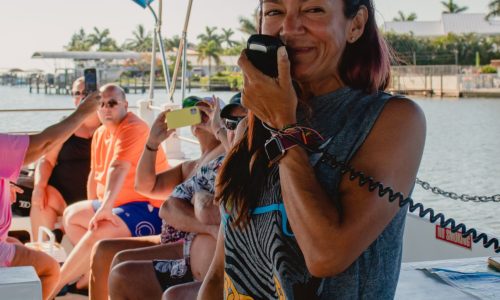
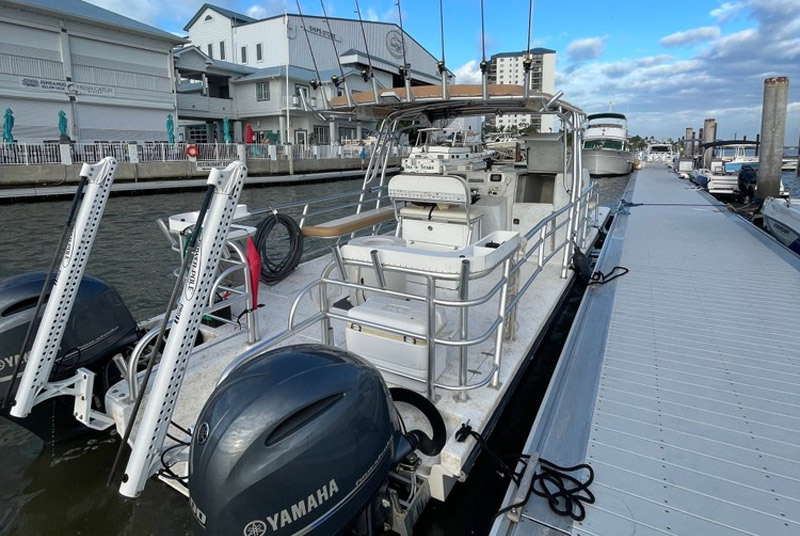
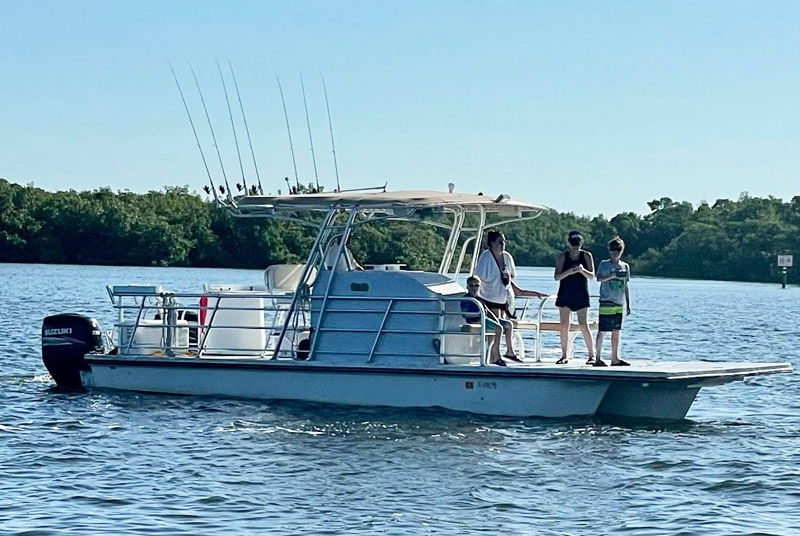
At Good Time Charters, naturalist-led outings turn wildlife sightings into stories about the Estero Bay ecosystem. The crew can help guests identify what they are seeing, explain the connections between mangroves and marine life, and make sure kids and adults alike feel comfortable asking questions. That local knowledge matters when wildlife appears for only a few seconds.
Bring your curiosity, keep your eyes on the water, and let the day unfold at nature’s pace. The next ripple, splash, or shadow along the mangroves may be the wildlife memory you talk about long after your vacation ends.