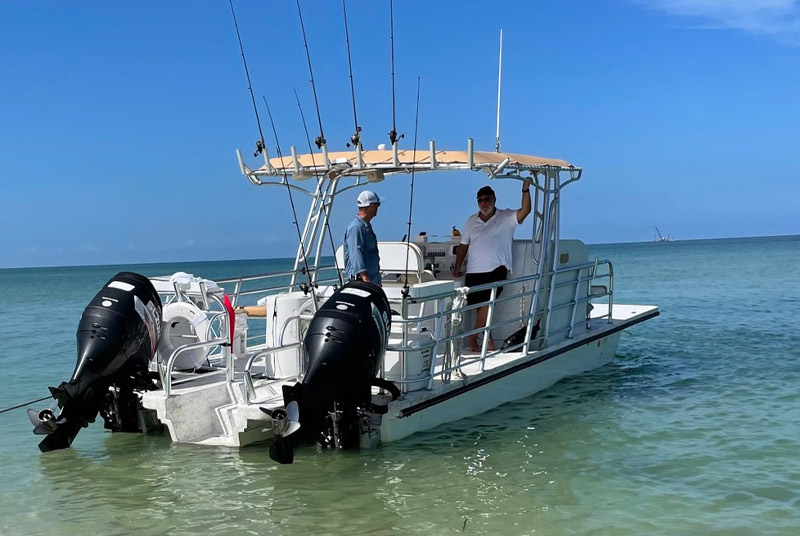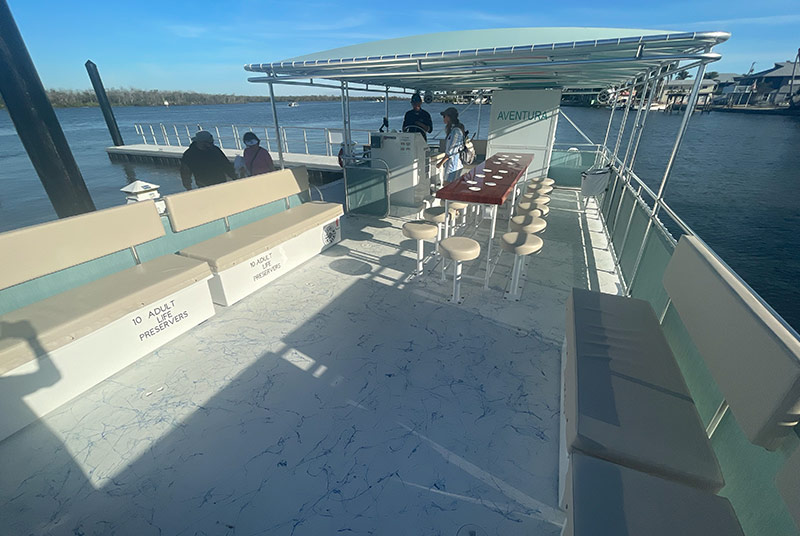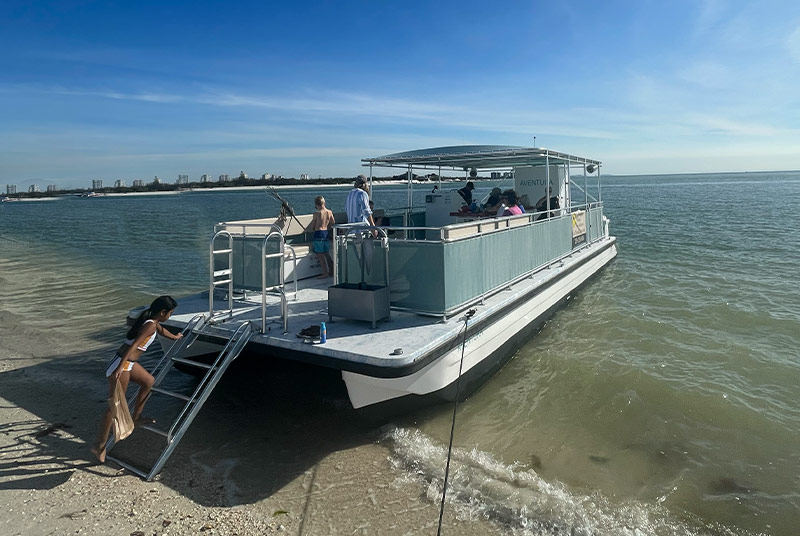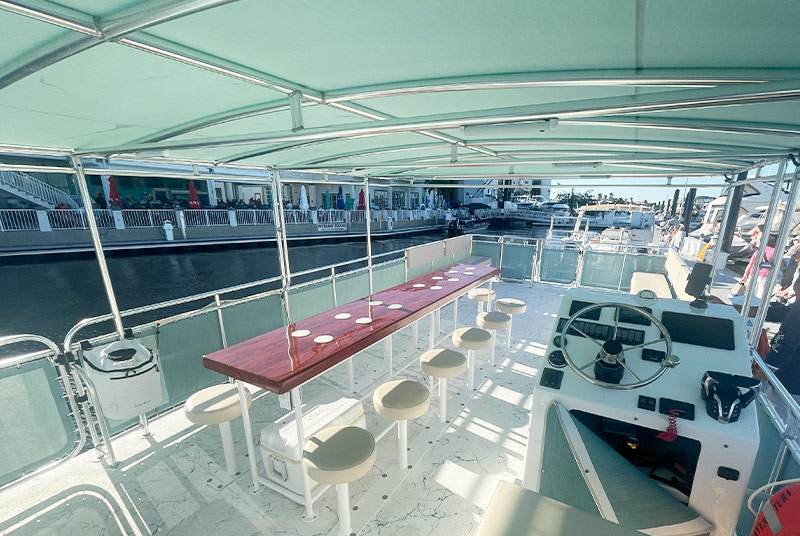
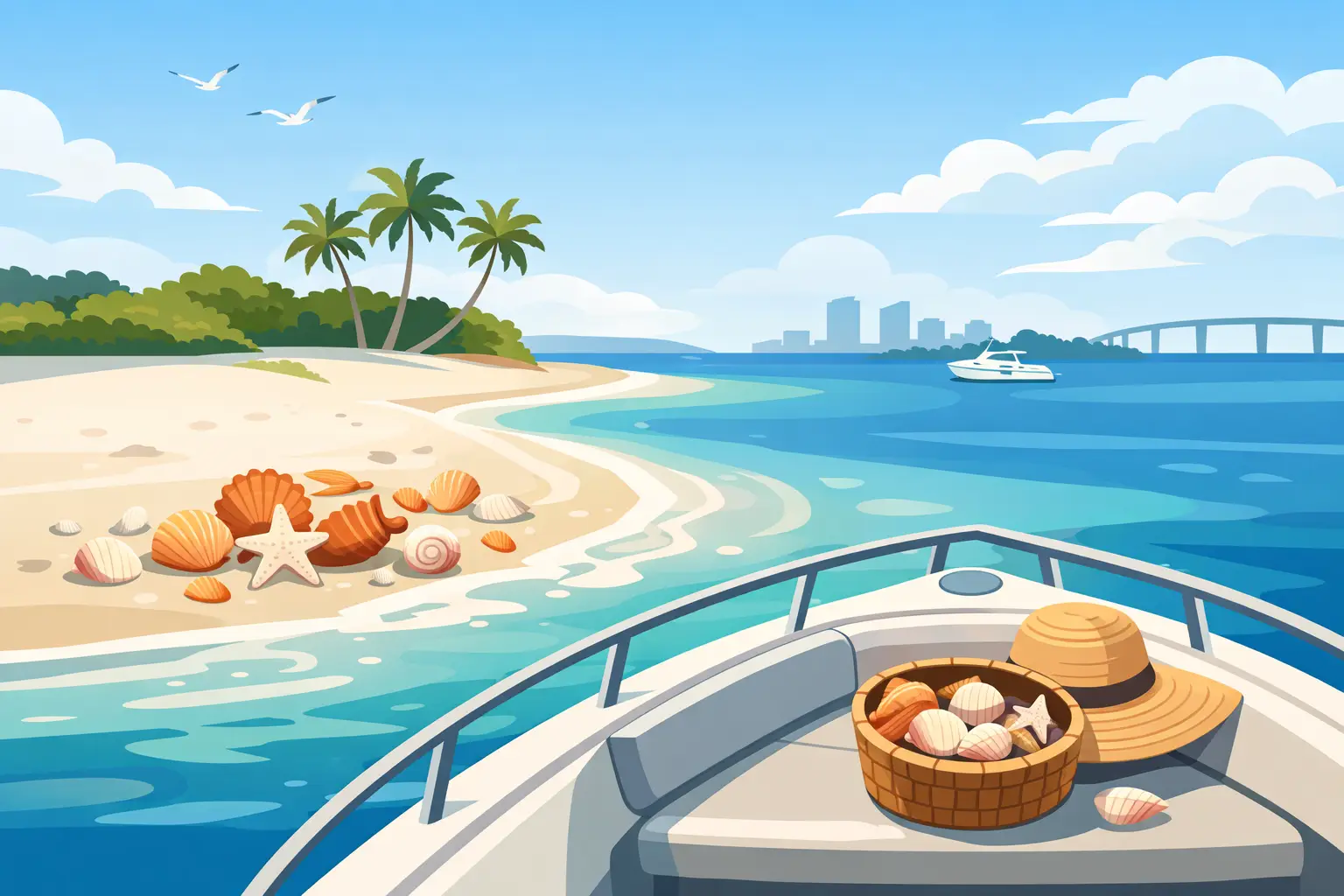
A shelling day can change with one tide cycle. A beach that looks picked over at midday may reveal a fresh wrack line of conchs, scallops, cockles, and colorful coquinas after the water pulls back. That is why the best shelling beaches by boat are not simply the prettiest stretches of sand. They are places where currents, wind, tides, and limited road access work together to deliver shells – and where you can arrive with the right timing.
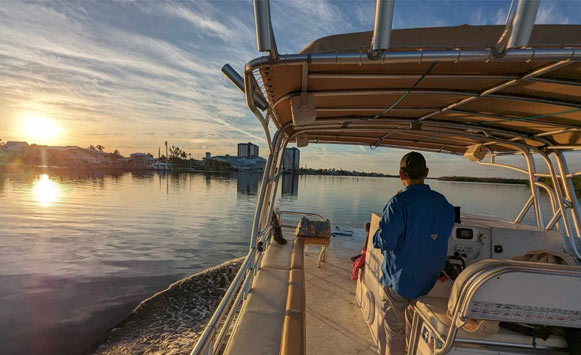
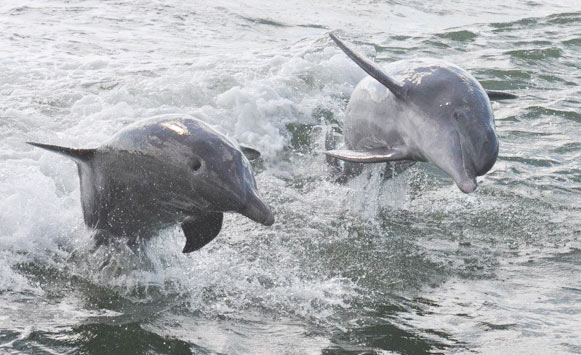
For visitors around Fort Myers Beach, a boat opens up quiet barrier-island shorelines that are difficult to reach by car and often less crowded than the area’s most familiar public beaches. It also turns the outing into much more than a treasure hunt. On the ride out, you may pass dolphins, wading birds, mangrove islands, and the shallow estuarine waters that support the very shell-producing animals you are hoping to find.
What Makes a Beach Great for Shelling?
Shells do not appear on every beach in equal numbers. The best collecting tends to happen where gentle Gulf waves sort material onto a gradual shoreline, especially along the high-tide line where seaweed, driftwood, and natural debris collect. Shellers call this the wrack line, and it is often the first place experienced beachcombers look.
Barrier islands are especially productive because they face open water while also being shaped by passes, tidal currents, and shifting sandbars. A slight change in wind direction can move shells onto one side of an island while leaving another nearly bare. That is why local knowledge matters. The beach with the best reputation is not always the beach with the best finds that morning.
Timing matters as much as destination. Low tide exposes more shell-strewn sand, while an outgoing tide can leave a fresh line to search. Early morning is often peaceful and cooler, but a later visit after a change in wind or weather can be equally rewarding. Shelling is a natural process, not a guaranteed inventory, and that unpredictability is part of the fun.
Best Shelling Beaches by Boat in Southwest Florida
Cayo Costa State Park
Cayo Costa is one of Southwest Florida’s classic boat-access shelling destinations. This long, undeveloped barrier island has miles of Gulf shoreline, a sense of real distance from the mainland, and broad stretches where shellers can spread out. Its location helps it collect a wide variety of Gulf shells, from common scallops and augers to the occasional memorable find tucked into the tide line.
The trade-off is exposure. Conditions can be breezy, and the Gulf side can be rough when wind and swell build. A captain who understands local weather can help choose the safest landing plan and the side of the island most likely to be comfortable that day. Always follow park rules, use designated access points when required, and check current conditions before heading out.
North Captiva Island
North Captiva offers a remote, relaxed shelling experience that feels worlds away from a busy vacation schedule. Its beaches can be productive after the right tides and winds, particularly along less-trafficked sections where foot traffic is lighter. The journey there is part of the appeal: open water views, wildlife sightings, and the anticipation of stepping ashore on an island without the bustle of a typical roadside beach.
Because shore conditions vary, North Captiva is often best enjoyed with flexibility. Some days call for a Gulf-side beach walk; on others, protected water and a different stop may make more sense. Families especially benefit from a guided outing that keeps the day focused on safe landings, changing weather, and fun discoveries rather than navigation decisions.
Sanibel’s Boat-Accessible Shoreline
Sanibel has earned its shelling reputation for good reason. Its distinctive east-west orientation helps the island catch shells carried by Gulf currents, and its shoreline has long drawn collectors looking for variety. By boat, it may be possible to access areas away from the busiest beach entrances, depending on conditions, permitted landing locations, and local closures.
A boat does not make every section of Sanibel available, nor should it. Respect private property, protected areas, marked swimming zones, and any post-storm access restrictions. The goal is to enjoy the shoreline responsibly, not to treat every beach as an open landing site.
Captiva and the Passes
The waters around Captiva and nearby passes can be excellent for a shelling-focused day because passes are dynamic places. Tides move quickly, sandbars shift, and shell deposits can change from week to week. These areas may also provide strong wildlife viewing, with pelicans, ospreys, shorebirds, and dolphins frequently seen along the route.
They do require capable local navigation. Current, shallow water, and changing conditions make this a poor place to improvise in an unfamiliar boat. On a professionally guided trip, the captain can make the call on whether a pass-area stop is appropriate or whether another island beach will offer a better experience.
Read the Tide Line Like a Naturalist
The best shellers are observant. Rather than scanning only for large, perfect shells, look for patterns in what the beach is telling you. A dense band of turtle grass, seaweed, and small fragments may indicate where the water recently dropped its load. Search slowly along that line, then work outward toward the damp sand as the tide recedes.
Turn shells over gently and look for color, texture, and shape. Lightning whelks, Florida’s state shell, are exciting finds, while banded tulips, olives, pen shells, and moon snails each tell a different story about local marine habitats. Smaller shells can be just as beautiful as the big ones, particularly when viewed as part of a child’s growing collection or a family’s day on the water.
A naturalist-led trip adds context to those discoveries. A shell is not merely a souvenir. It was once a home, a source of protection, or part of the food web. Learning which animals made the shells and how tides moved them ashore gives the experience more meaning than simply filling a bag.
Shell Responsibly and Leave Living Animals Alone
The simplest shelling rule is also the most important: if it is alive, leave it where it is. A live shell may contain a snail, hermit crab, bivalve, or another animal that belongs in the ecosystem. Look carefully before collecting, especially with shells that appear closed, heavy, occupied, or freshly inhabited.
Avoid taking large quantities. A few meaningful finds are easier to carry, easier to remember, and kinder to the beach. Shells and shell fragments provide habitat for small creatures and contribute to the natural character of the shoreline. Protected areas may have stricter rules, so follow posted regulations and your captain’s guidance.
It is also worth leaving unusually beautiful finds for the next person when you can. A great shelling beach stays great when everyone approaches it with a little restraint.
What to Bring for a Better Boat Shelling Day
Boat shelling calls for practical gear rather than elaborate equipment. Water shoes protect feet from sharp shell fragments and hot sand. A mesh bag lets sand fall away, while a small bucket works well for children who want to inspect their finds. Bring drinking water, reef-safe sun protection, a hat, and a light cover-up for the ride home.
A phone or compact camera is useful, but do not spend the entire stop looking through a screen. The best moments are often small: a sandpiper working the surf line, a dolphin surfacing offshore, or a child recognizing the spiral of a whelk for the first time.
If you are prone to motion sickness, plan ahead before boarding. Conditions on the protected bay can be very different from conditions in open Gulf water, and a little preparation helps keep the focus on the beach rather than the boat ride.
Choose a Captain Who Knows More Than the Route
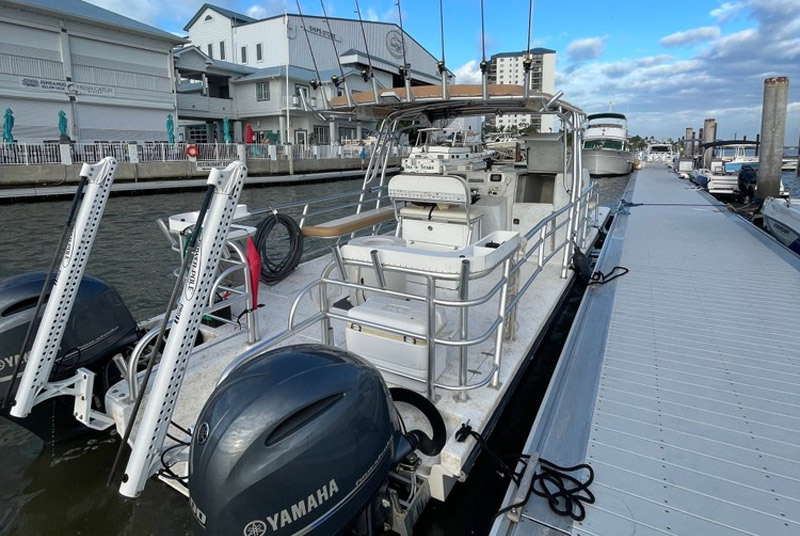
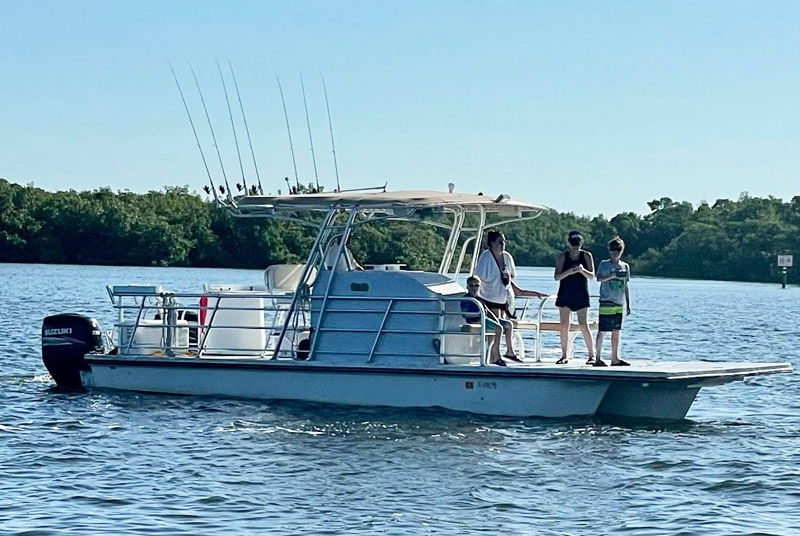
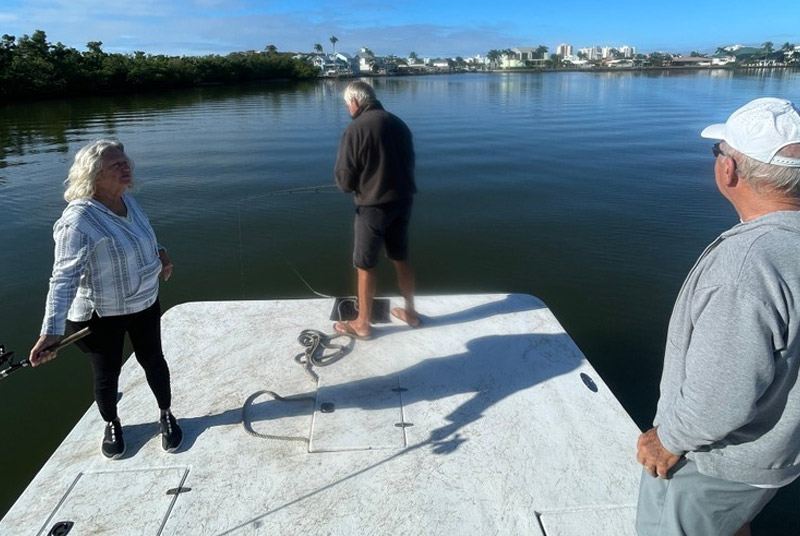
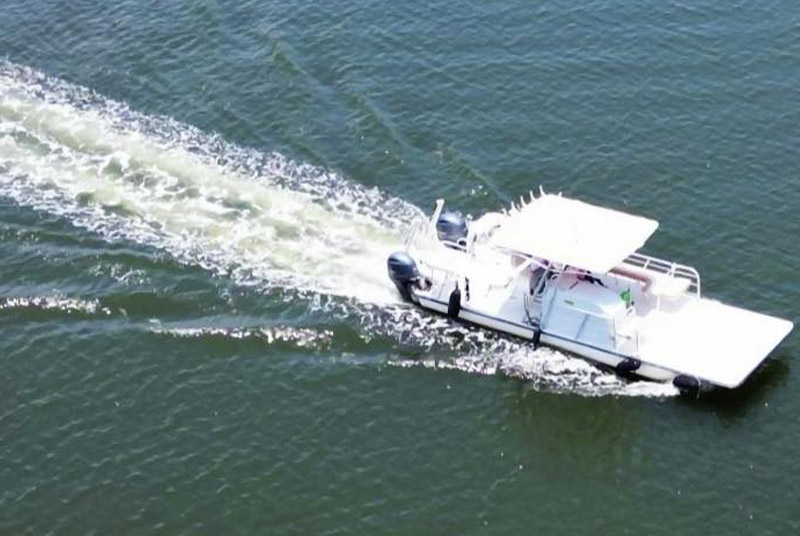
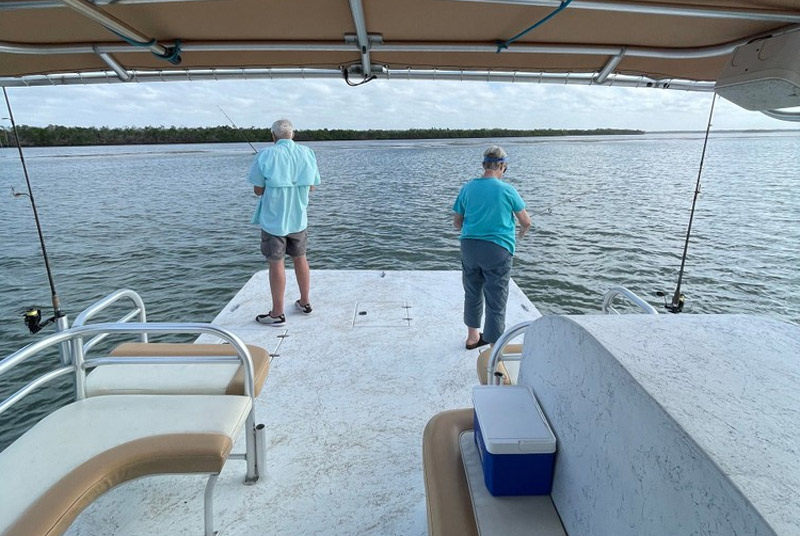
A shelling excursion is better when the crew understands both the water and the shoreline. Good Time Charters brings a biologist-owned, naturalist-led perspective to local outings, helping guests connect their shells, wildlife sightings, and island scenery to the coastal ecosystem around them. That kind of guidance is especially valuable for first-time visitors who want a polished, family-friendly experience without guessing where to go or when to turn back.
The right charter can adjust the day to the weather, passenger comfort, and current conditions. A private group may want more beach time and a quiet island stop, while a family cruise may balance shelling with dolphin watching and sightseeing. Neither approach is better – it depends on the day you want to have.
Bring home a few empty shells if conditions and regulations allow, but leave room for the stories behind them. A shell found after a careful search on a quiet island beach carries the sound of the water, the wildlife along the way, and the memory of a day spent seeing Southwest Florida from its best angle: the water.