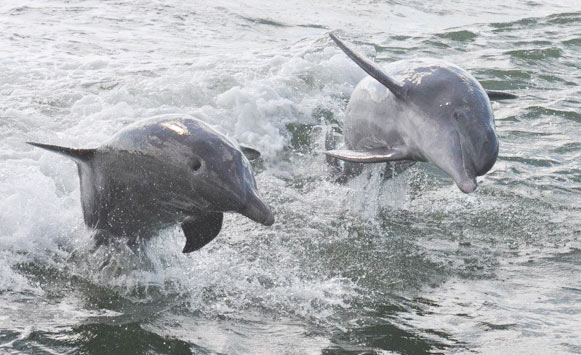
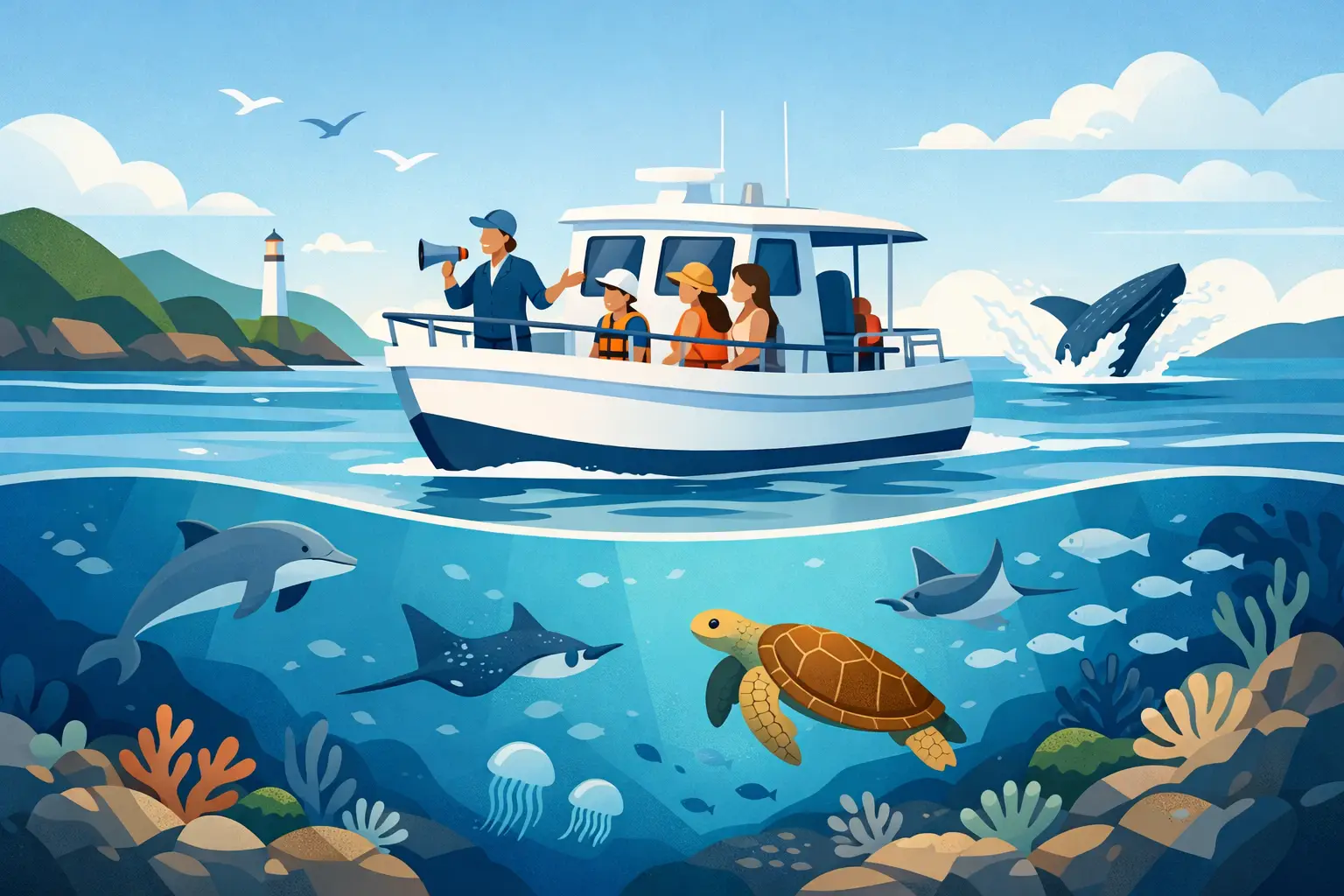
A dolphin surfaces beside the boat, its back catching the Florida sun for just a second. Most guests reach for a camera. On marine education boat trips, that exciting moment becomes even better when you understand what the dolphin may be doing, why it chose that waterway, and how its behavior fits into the larger coastal ecosystem.
That is the difference between simply seeing wildlife and truly connecting with it. Southwest Florida’s bays, mangrove shorelines, passes, and barrier islands are full of life, but much of it can be easy to miss without someone who knows what to look for. A knowledgeable naturalist helps turn a scenic cruise into an experience your family talks about long after vacation ends.
What Marine Education Boat Trips Add to a Day on the Water
A great nature cruise should still feel like a vacation. You should have time to enjoy the breeze, take photos, watch the shoreline roll by, and share a few laughs with the people you came with. Education does not need to mean a lecture or a long list of scientific terms.
The best interpretation happens naturally. Your guide may point out a brown pelican folding its wings before a dive, explain why a dolphin’s dorsal fin can help identify it, or show how a shell’s shape reveals the animal that once lived inside. These details give every sighting more meaning without taking away from the fun.
Fort Myers Beach is especially well suited to this kind of outing because its coastal waters connect several habitats in a relatively small area. Estero Bay, tidal creeks, mangrove islands, sandy beaches, and the Gulf all support different species. A short boat ride can reveal a surprising amount of ecological variety.
For children, that variety can turn an ordinary wildlife sighting into a real spark of curiosity. For adults, it is often a chance to see a familiar vacation landscape in a new way. Even experienced coastal visitors tend to leave with a better understanding of why these waters are worth protecting.
Wildlife Is the Headline, but Habitat Tells the Story
Dolphins are often the stars of a Southwest Florida cruise, and for good reason. They are charismatic, social, and exciting to spot in the wild. Still, a responsible guide keeps the encounter centered on respect. Wild dolphins choose where they travel, feed, and rest. Boats should observe from an appropriate distance, never chase or crowd them, and allow their natural behavior to set the pace.
That approach makes the sighting more rewarding. Guests can watch dolphins porpoise, travel in small groups, or surface near a mangrove edge while learning how tides, prey fish, and protected waterways influence where they appear. Wildlife is not performing for the boat. You are getting a brief glimpse into its daily life.
Birds bring another layer to the experience. Ospreys scan for fish from high perches, terns hover and plunge, egrets stalk the shallows, and shorebirds work the waterline for small crustaceans and invertebrates. Depending on the season, you may also see migratory species using the coast as a resting or feeding stop.
Manatees can sometimes be present in warmer, calmer waters, particularly around sheltered areas. They are never guaranteed, and that is worth saying clearly. Nature trips are not theme-park attractions. The uncertainty is part of what makes a real wildlife encounter special, while an experienced captain and naturalist improve the odds by reading conditions, tides, weather, and seasonal patterns.
Mangroves Do More Than Frame a Pretty View
Mangroves are among the most important features of the local coastline. Their tangled root systems provide shelter for juvenile fish, crabs, shrimp, and other small animals. Those animals support larger fish, birds, and marine mammals farther up the food chain.
Mangroves also help stabilize shorelines and soften the effects of waves and storms. When guests look at a dense green island from the boat, they are seeing much more than a scenic backdrop. They are looking at a working nursery, a bird roost, a shoreline protector, and a vital piece of the coastal food web.
A naturalist-led outing helps visitors notice those connections. The water color, the tide direction, a cluster of baitfish at the surface, and a bird perched at the edge of the mangroves can all tell part of the same story.
Shelling Becomes More Interesting When You Know What You Found
Shelling is one of the simplest pleasures on a Florida beach, but a shelling stop can become much more memorable with a little context. Shells are not just souvenirs. They are evidence of the remarkable animals that build them.
A lightning whelk, for example, is a large predatory sea snail. A sand dollar is related to sea urchins. Tiny coquinas can gather in colorful bands where waves meet the sand. The patterns, ridges, openings, and thickness of shells all offer clues about how their animals lived.
Good shelling etiquette is part of the lesson. Empty shells can be appreciated and collected where permitted, but live shells should be left in place. If an animal is still inside, it belongs in the water. The same principle applies to any creature encountered along the shore: observe carefully, handle as little as possible, and return it to the habitat where you found it.
This is also where a guide can help visitors avoid common mix-ups. Not every object on the beach is a shell, and not every beautiful find should go home in a pocket. Sometimes the best discovery is one you photograph, learn about, and leave for the next person to encounter.
Why Small Groups Learn More
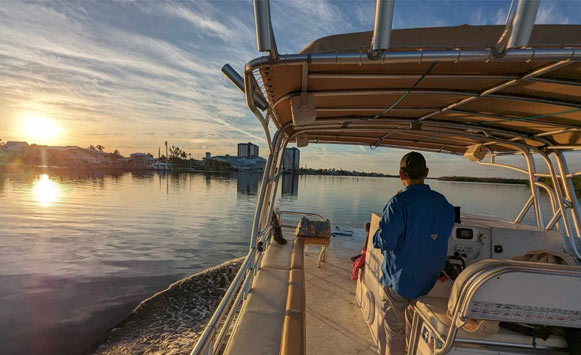
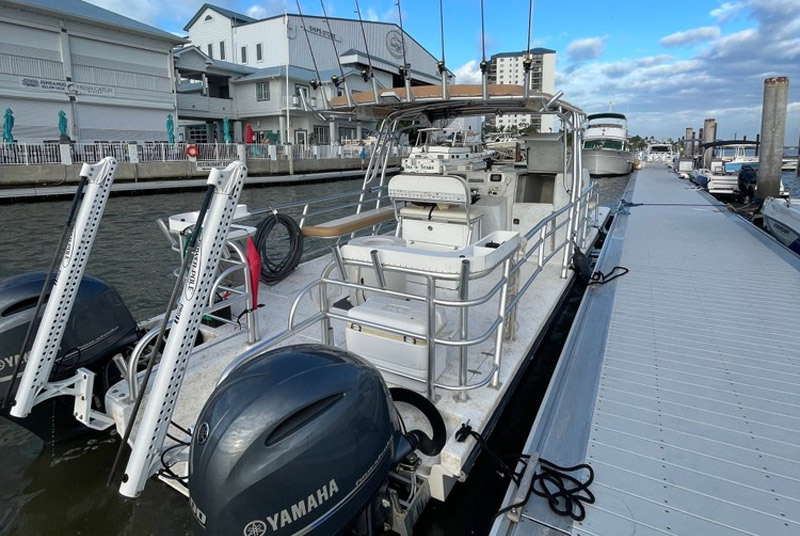
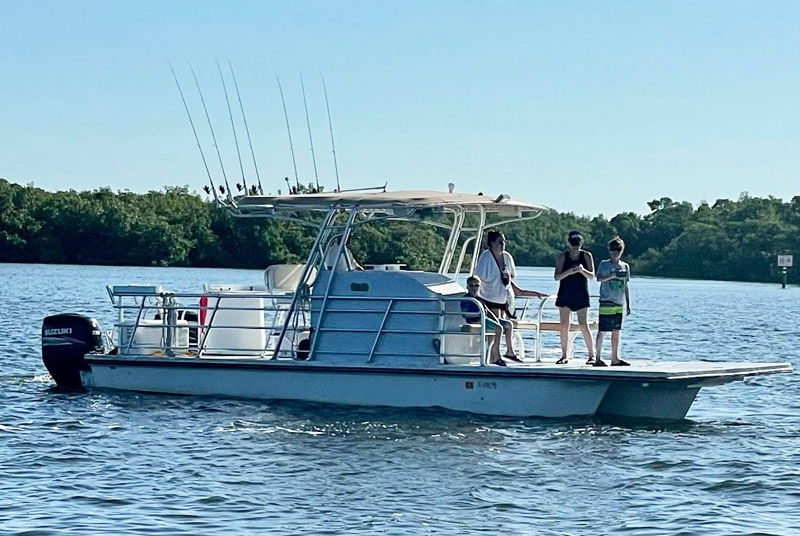
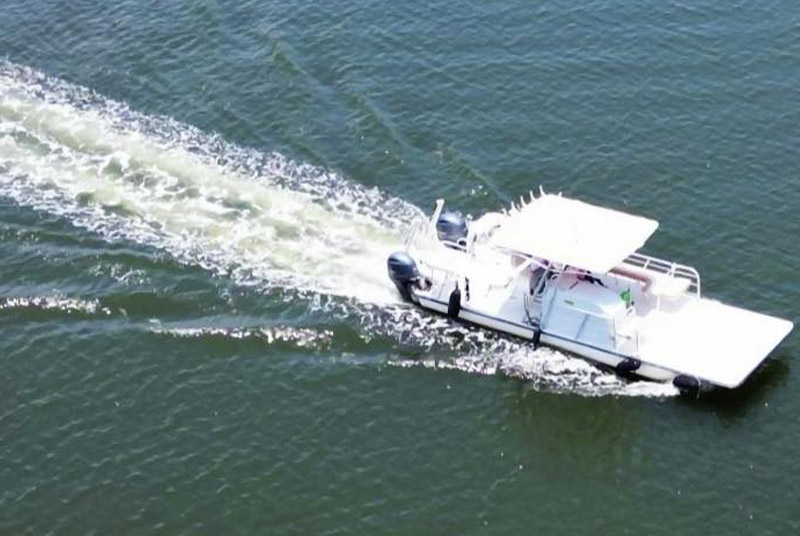
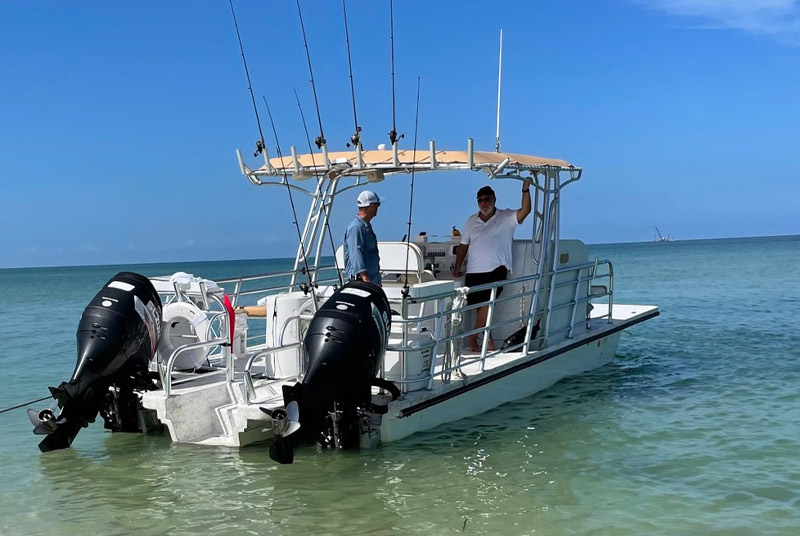
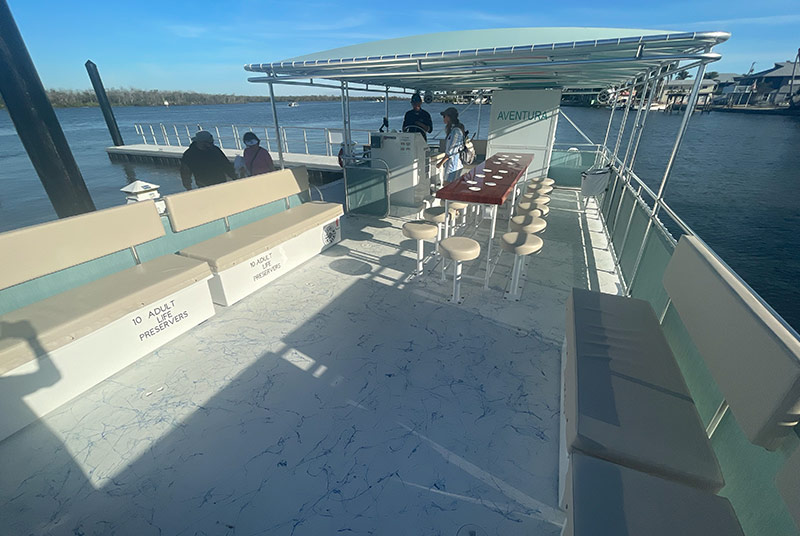
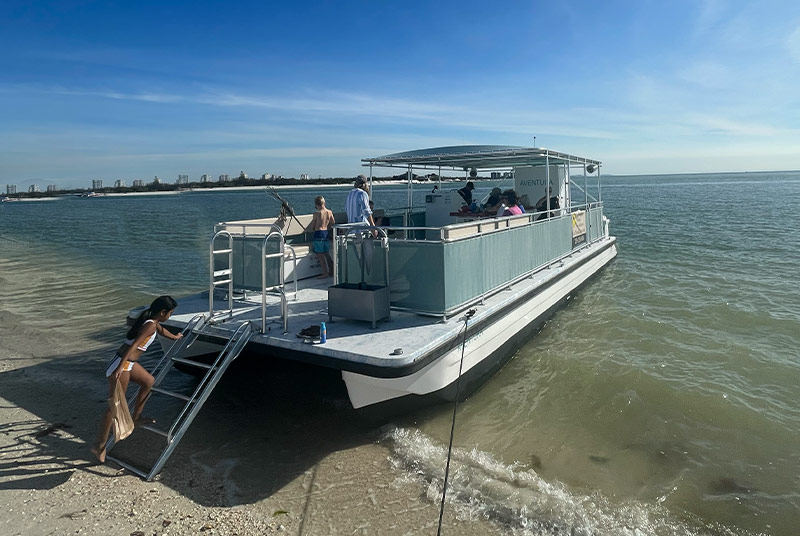
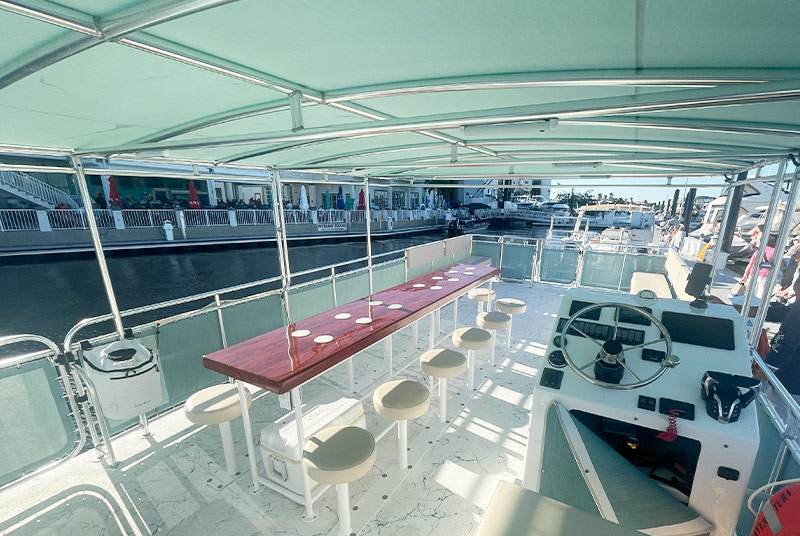
The size and style of the trip affect the experience. A larger sightseeing vessel can be a wonderful choice for families, multigenerational groups, and travelers who want a comfortable, social cruise with plenty of room to take in the views. A smaller private boat creates more flexibility for guests who want a quieter, more personalized outing.
Neither option is automatically better. It depends on what your group wants from the day. A couple hoping to linger near a secluded shoreline may prefer a private charter. A family looking for an easy, polished wildlife cruise may enjoy sharing the experience with other guests. The important part is choosing an operator that matches the vessel, passenger count, and pace to the kind of outing you have in mind.
Smaller groups can make it easier to ask questions in the moment. Why are fish breaking the surface? Is that bird hunting or resting? What kind of shell is that? Those questions often lead to the best conversations because they are tied to something unfolding right in front of you.
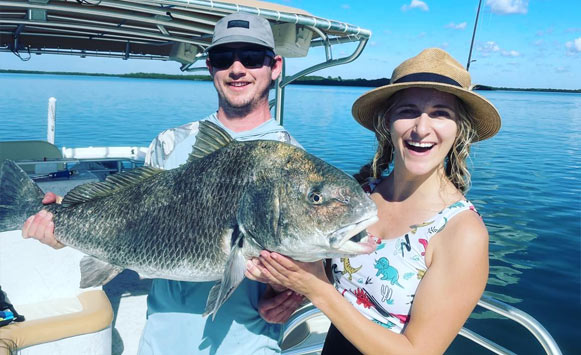
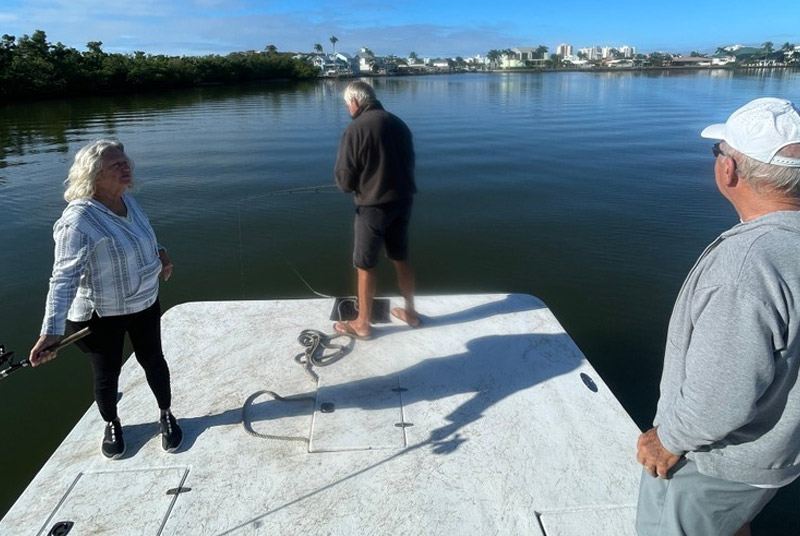
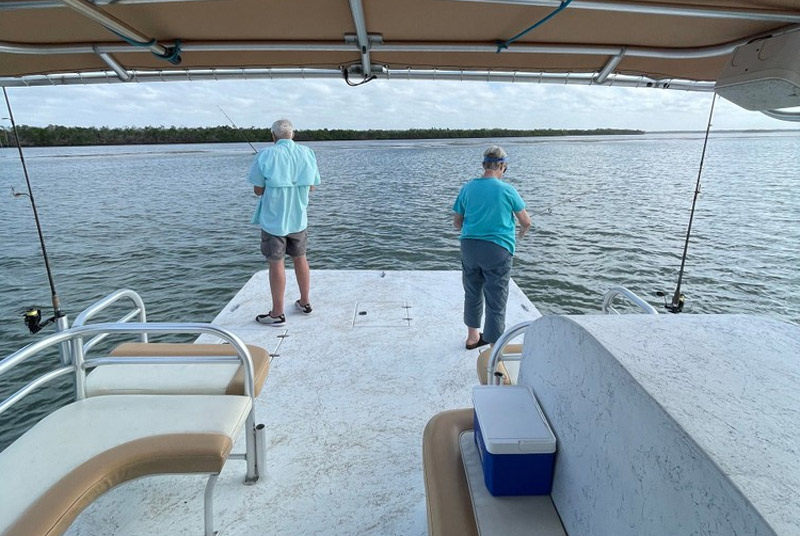
For guests interested in fishing, an educational perspective can add value there, too. Backwater fishing is not only about the catch. It is also about reading tides, understanding structure, recognizing bait activity, and learning why certain species use particular areas. A private fishing charter of up to six passengers offers room for that hands-on guidance while keeping the day approachable for beginners.
How to Choose an Educational Boat Trip
Look beyond a generic promise of wildlife. Ask who is leading the trip and what experience they bring to the water. A captain’s local knowledge matters, and a naturalist’s ability to explain the ecosystem in clear, engaging language adds another level of value.
It also helps to choose a company that puts responsible viewing first. The best operators do not promise that wildlife will appear on command. They explain what may be seen, adjust to real-time conditions, and treat animals and habitats with care. That honesty is a sign of professionalism.
Practical details deserve attention as well. Consider the length of the trip, shade and seating, restroom availability when relevant, the age range in your group, and whether you want a shared cruise or a private experience. Bring sun protection, water, and a camera, but keep expectations flexible. The coastline changes every day, and no two trips are alike.
At Good Time Charters, biologist-owned, naturalist-led outings are designed around that balance: real coastal education, comfortable time on the water, and the excitement of seeing what the day brings. The goal is not to rush past nature in search of a checklist. It is to help guests recognize the life all around them.
The next time a dolphin surfaces, a pelican dives, or a shell catches your eye at the tide line, pause for a moment. A little understanding can turn a beautiful sight into a lasting connection with the coast.