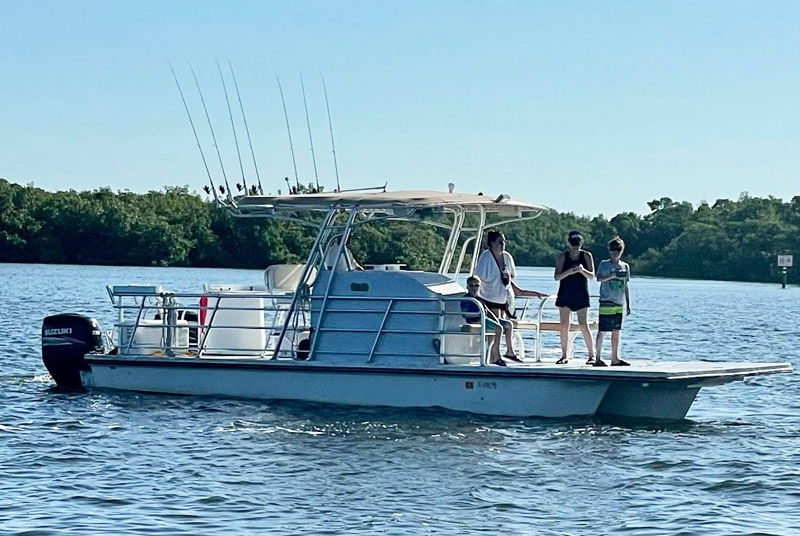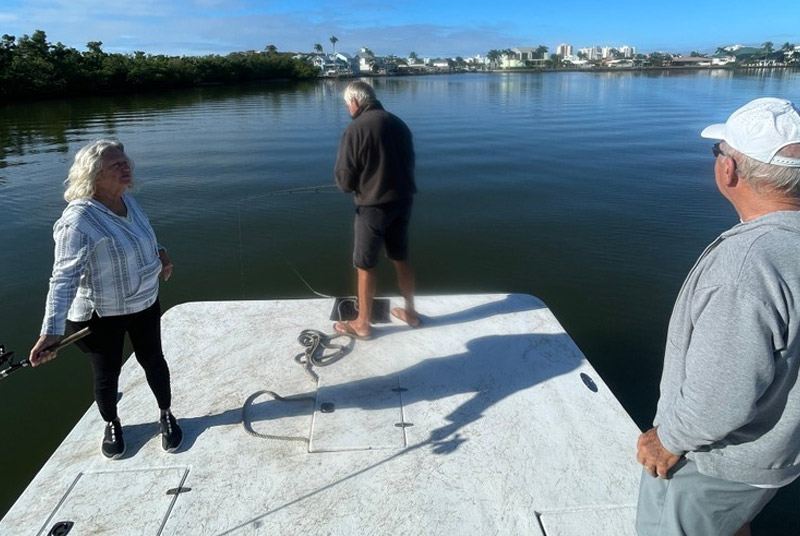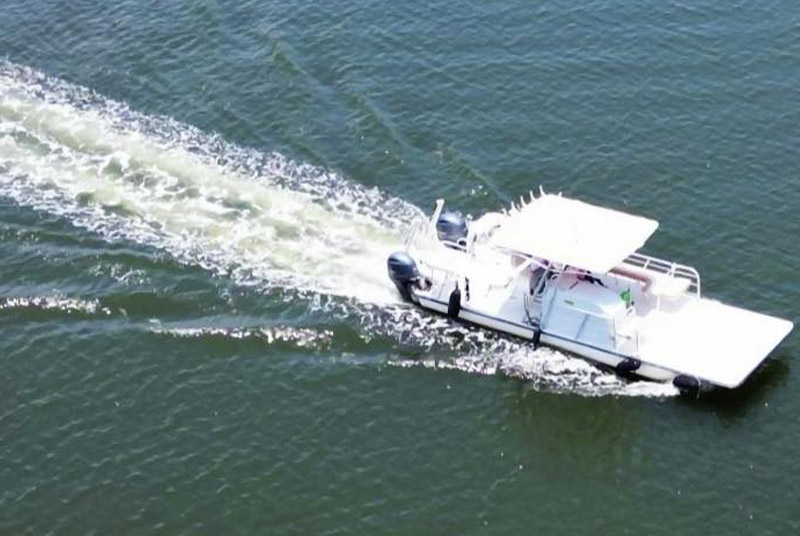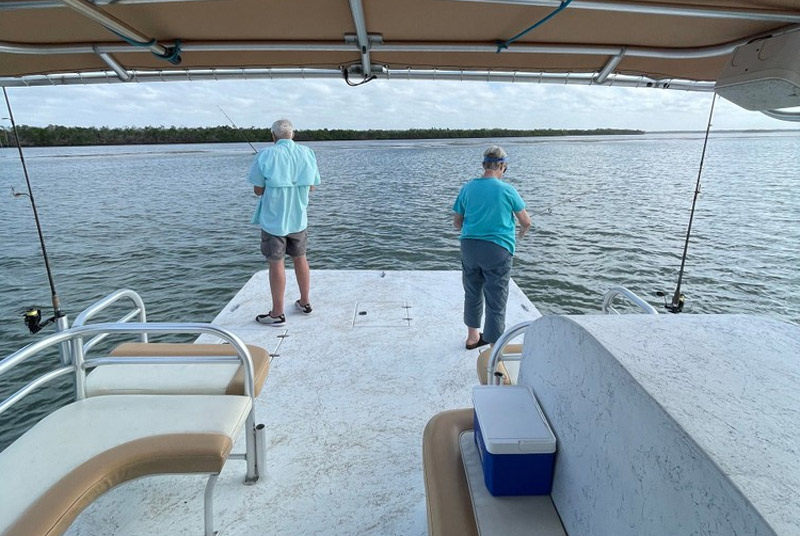
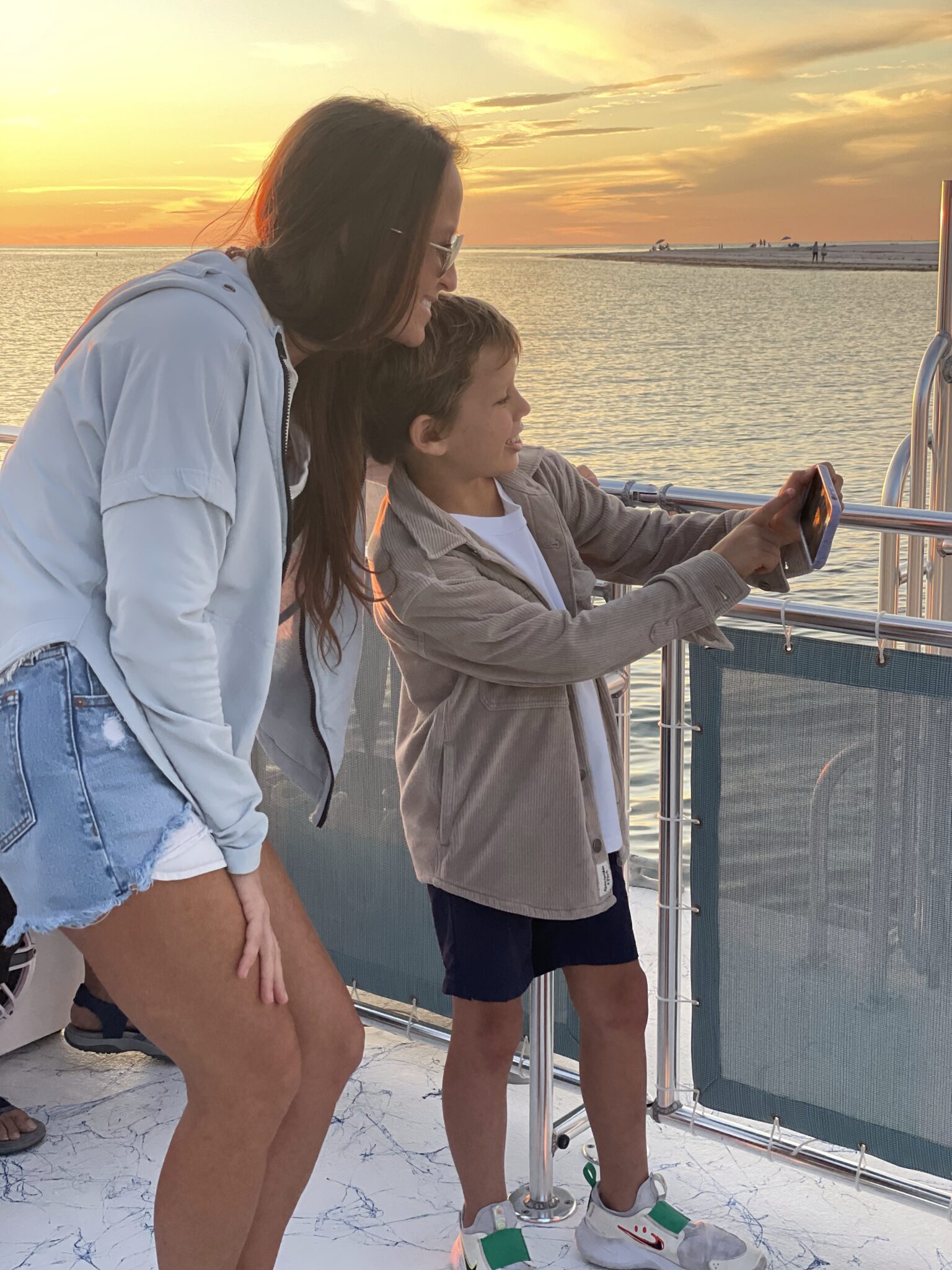
A wildlife cruise can be the vacation moment your child talks about long after the beach towels are unpacked: a dolphin surfacing beside the boat, a pelican skimming the water, or a handful of shells that suddenly become treasure. The best kid friendly wildlife cruise tips start before boarding. A little planning helps children stay comfortable, curious, and ready to notice the living world around them.
Choose a Cruise That Fits Your Family
Not every boat trip feels the same to a child. A sunset cruise may be beautiful, but it can run into bedtime for younger kids. A longer offshore trip can be exciting for confident older children, yet too much for a first-time boater. For many families, a daytime wildlife or shelling-focused outing with a clear purpose is the sweet spot.
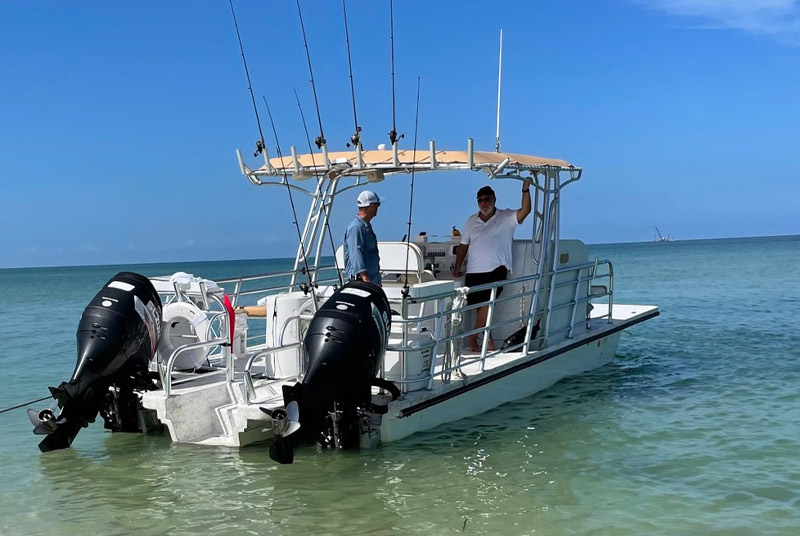
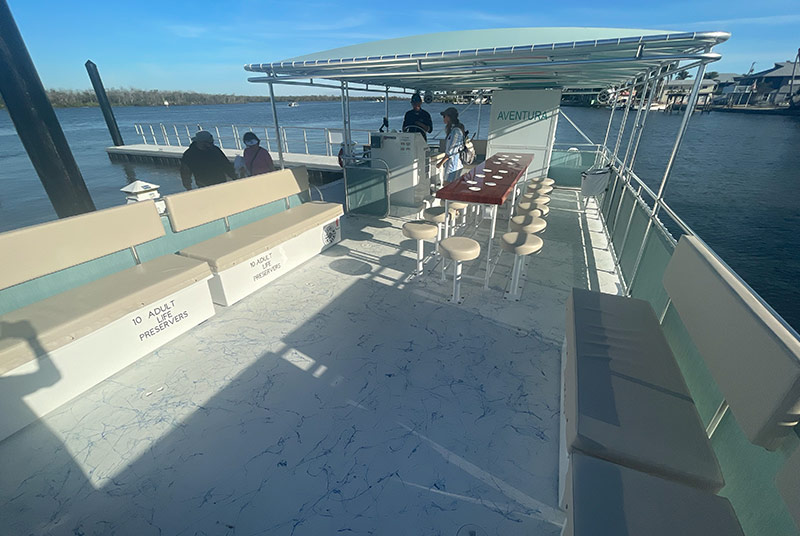
Look at the trip length, departure time, restroom availability, shade, and passenger capacity before you book. Smaller groups can feel more personal and give kids a better chance to ask questions. Larger vessels may offer more room to move around. Neither is automatically better – it depends on your child’s age, energy level, and comfort in new settings.
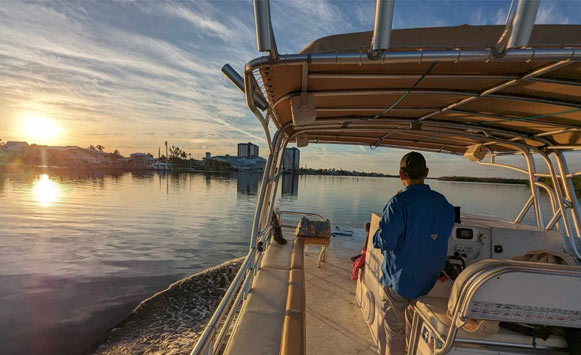
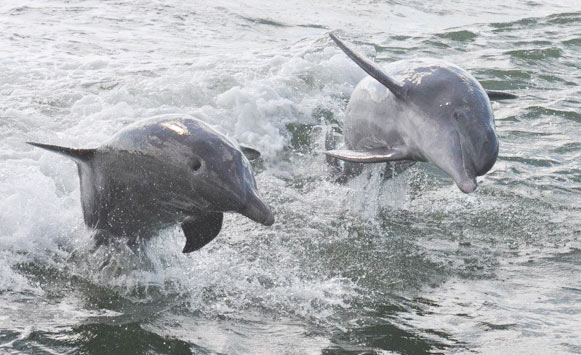
In Southwest Florida, protected bay and backwater routes can be especially appealing for families because the water is often calmer than the open Gulf. You may spot dolphins, wading birds, osprey, manatees in the right season and conditions, and the coastal habitats that support them. Wildlife is never guaranteed, but an experienced captain and naturalist guide know where to look and how to read the day’s conditions.
Plan Around the Time of Day
For younger children, schedule the cruise when they are usually happiest. That often means morning, after breakfast and before the hottest part of the day. Morning light can be excellent for wildlife viewing, and kids tend to have more patience before a busy day of swimming, sightseeing, and ice cream.
An afternoon trip can work well for families with older children or relaxed vacation schedules. Just account for sun exposure and the possibility of afternoon storms during warmer months. Ask the operator what happens if weather changes. A professional crew will always put safe boating conditions ahead of the schedule.
Avoid booking a cruise immediately after a large meal or during a skipped nap. Motion sickness is more likely when a child is tired, overheated, hungry, or overly full. If your child has been carsick, airsick, or seasick before, speak with their pediatrician ahead of travel about age-appropriate prevention options.
Pack for Comfort, Not for Every Possibility
You do not need to bring the entire beach bag aboard, but a few well-chosen items can save the outing. Keep everything in a small, easy-to-carry bag so your hands are free when boarding.
- Refillable water bottles and simple, non-messy snacks
- Reef-friendly sunscreen, hats, and sunglasses with straps
- A lightweight cover-up or long-sleeve sun shirt
- Motion-sickness supplies recommended for your child
- A dry change of clothes for little ones
- A small camera or phone, ideally with a wrist strap
Consider leaving favorite stuffed animals, expensive toys, and loose collections of tiny items behind. Boats have plenty of places for treasured objects to roll, bounce, or disappear.
Set Expectations Before You Leave the Dock
Children enjoy wildlife more when they know what they are looking for. Before boarding, give them a simple mission: listen for a dolphin’s breath, count pelicans, watch for a fish jump, or look for a bird carrying nesting material. This turns waiting time into a game without making the experience feel like a test.
It also helps to explain that wild animals do not perform on command. Dolphins may swim near the boat, or they may stay farther away. A manatee may appear for one quiet breath and vanish beneath the surface. That uncertainty is part of what makes a real wildlife encounter special.
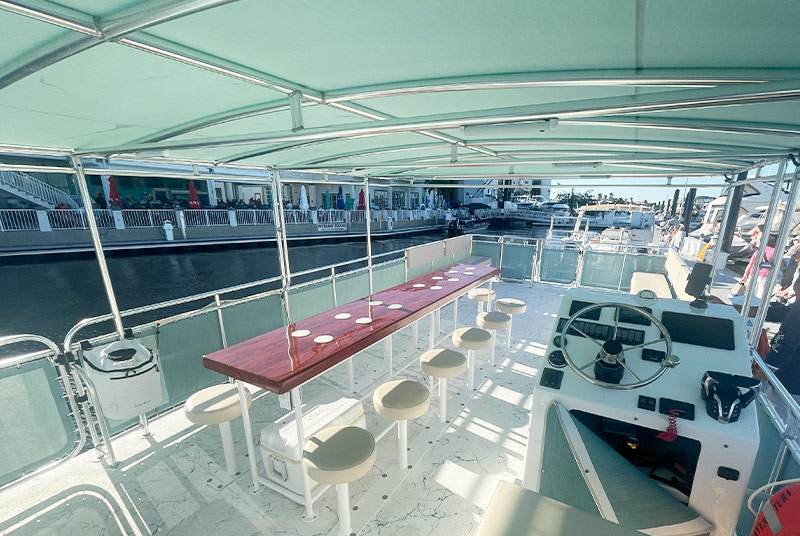
Review boat rules in clear, positive language. Children should walk rather than run, keep hands and feet inside the vessel unless the crew says otherwise, and stay with their adult while the boat is moving. The boat is not a jungle gym. Do not allow your children to climb all over the tables, stand on top of seats, or press buttons near the helm. That is a quick way to not allow your crew to do what they are best at: Guiding your tour.
A good crew will reinforce those expectations without taking the fun out of the trip. Naturalist-led cruises are particularly rewarding because guides can translate what children see into stories they understand: why dolphins travel together, how mangroves protect young fish, or why shorebirds have different beaks.
Help Kids Watch Wildlife Respectfully
The most memorable wildlife viewing is calm, patient, and respectful. Teach children to use quiet voices when animals are nearby, especially around resting birds or shallow-water wildlife. They do not need to whisper through the entire cruise, but the excitement level should not become a chase.
Never encourage children to feed wildlife, toss food overboard, or reach toward an animal. Human food can harm marine life and changes natural behavior. A responsible cruise observes animals from a respectful distance and follows local boating regulations designed to protect them.
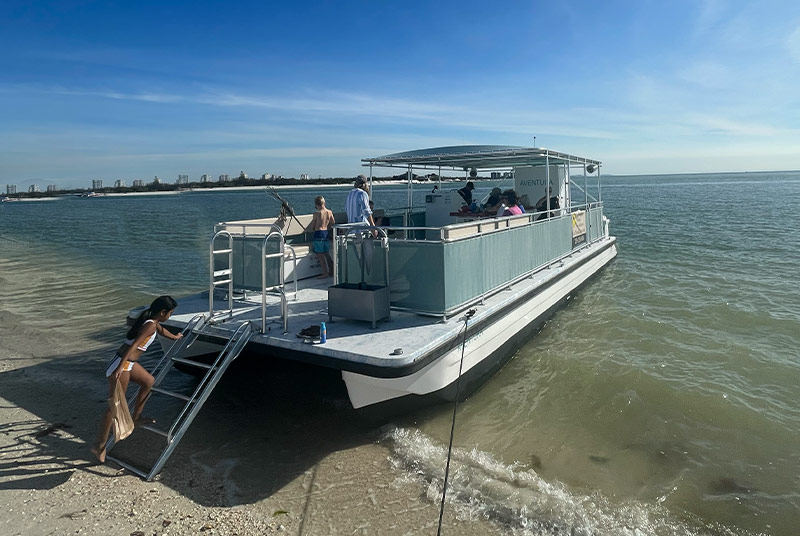
This is a wonderful opportunity to show kids that enjoying nature and caring for nature go together. If they find shells on a shelling stop, help them look closely for signs of life before taking anything home. A live shell belongs in the water. Even an empty shell can be more fun when a child learns who once lived inside it.
For children who love facts, ask the guide a question or two rather than trying to identify everything yourself. Engagement with the crew is key to a memorable trip for your child. At Good Time Charters, naturalist-guided experiences help families move beyond simply checking dolphins off a list. Kids can connect what they see – birds, fish, shells, tides, mangroves, and moving water – to the larger coastal ecosystem.
Give Every Child a Job Onboard
Kids do better on boats when they feel included. Give them a small role suited to their age. A preschooler can be the “bird spotter.” An elementary-age child can keep a simple wildlife tally in a notebook. Older kids can take photos, watch for channel markers, or ask the captain how tides affect the route.
Do not force participation, though. Some children would rather sit on a device or sleep. Others may be fascinated for ten minutes and then need a snack and a reset. Both responses are normal. The goal is not to create a junior marine biologist in one afternoon. It is to give your child a positive, safe experience on the water.
If your child has sensory sensitivities, prepare for engine noise, wind, bright light, unfamiliar movement, and occasional splashes. Ear protection, sunglasses, a favorite quiet fidget, or a seat in a shaded area can make a major difference. Let the crew know about any mobility or accessibility needs before departure so they can advise on the best fit.
Keep the Pace Relaxed
Parents often feel pressure to capture every dolphin photo or make every minute educational. Let that go. Some of the best parts of a wildlife cruise are the pauses: watching ripples spread across the bay, feeling the boat settle into a quiet cove, or hearing a child call out, “I saw one!”
Offer snacks before anyone gets cranky, encourage water breaks, and take turns helping younger children look over the rail safely. If a child becomes overwhelmed or tired, moving to a shaded seat and focusing on the horizon can help. The crew is there to guide the trip, but parents know their own kids best.
A family wildlife cruise works best when it feels less like an itinerary item and more like shared time outdoors. Bring curiosity, leave room for surprises, and let the coast set the pace. Your child may remember the dolphin, the shell, or the captain’s story – but they will also remember being out on the water with you.