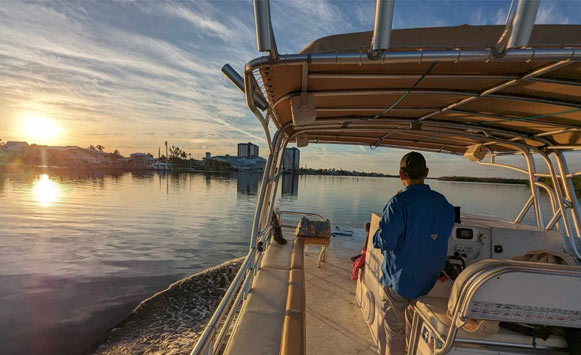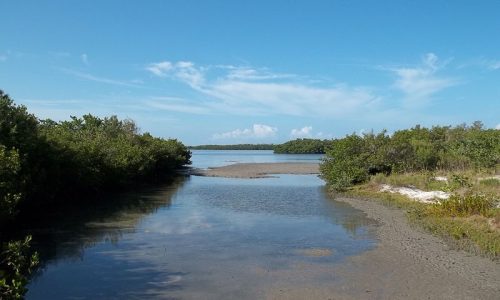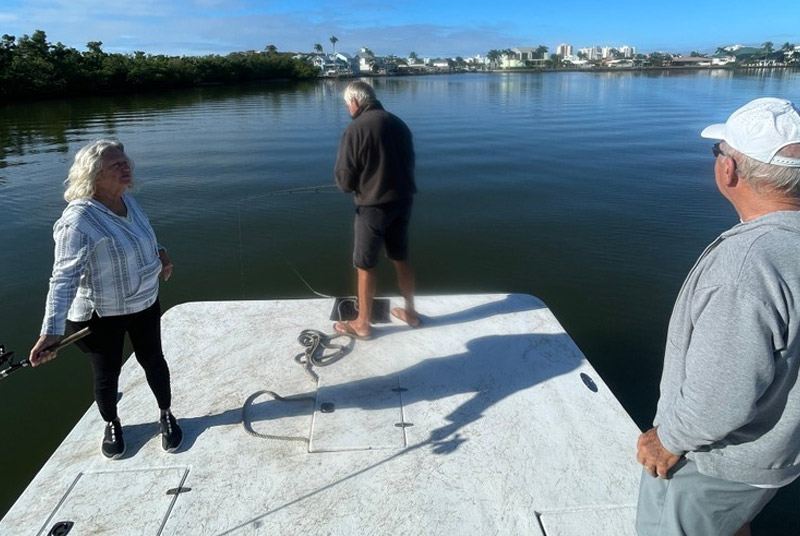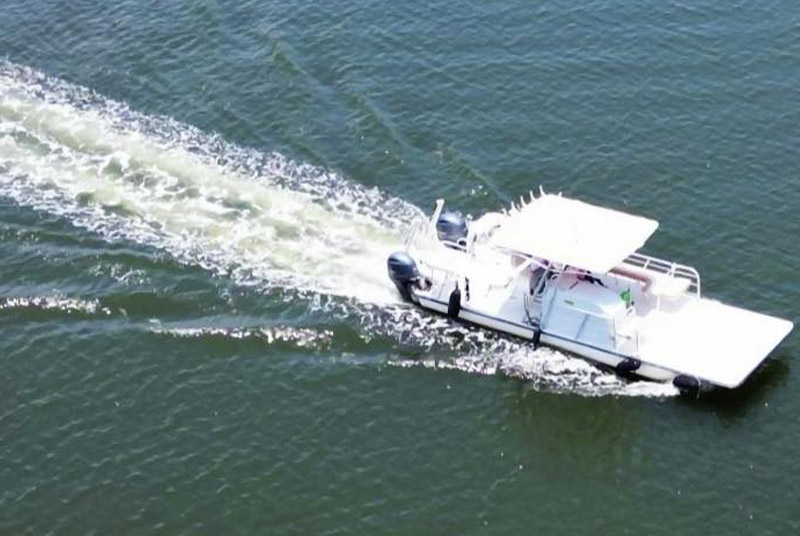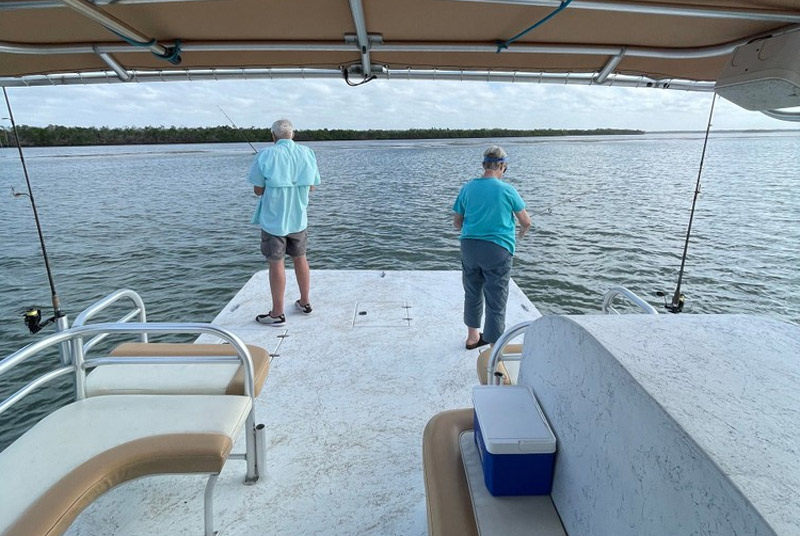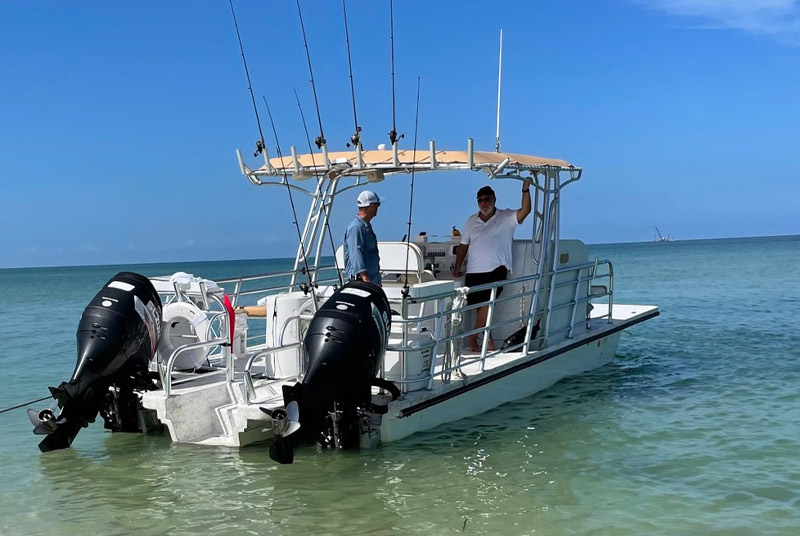
Backwater fishing can put you close to some of Southwest Florida’s most exciting coastal habitat: mangrove shorelines, grass flats, oyster bars, quiet bays, and tidal passes where fish feed with the moving water. Knowing how to prepare for backwater fishing helps you spend less time worrying about the details and more time enjoying the cast, the strike, and the scenery around you.
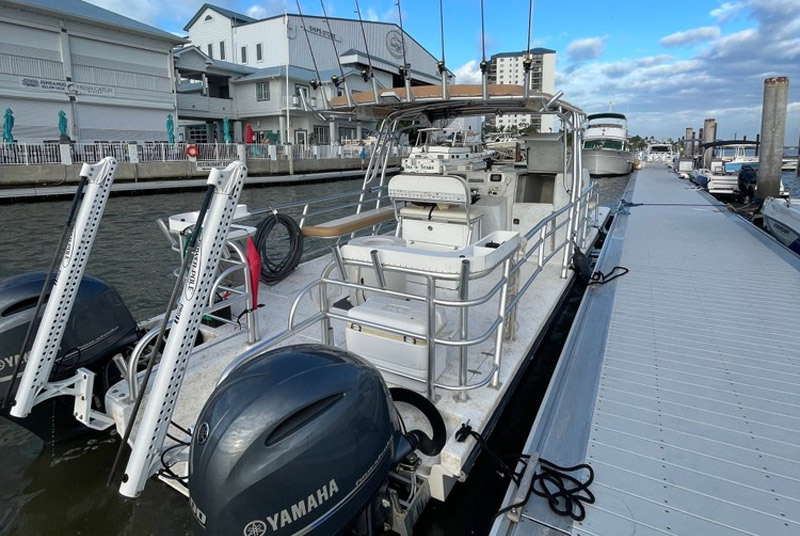
For most visitors, a guided trip is refreshingly simple. Your captain supplies the boat, fishing equipment, bait, local knowledge, and a plan that reflects the day’s weather and tide. Your job is to arrive comfortable, protected from the Florida sun, and ready to listen, learn, and have fun.
Start With the Conditions, Not the Forecast Alone
A bright, calm morning may look perfect from shore, but backwater fishing is shaped by more than sunshine. Wind direction, water temperature, tide stage, recent rain, and clarity all influence where fish hold and how they feed. A knowledgeable captain reads those variables before deciding whether to work mangrove edges, shallow grass flats, deeper channels, or protected coves.
Check the forecast before leaving your hotel, but do not overthink it. Florida weather can change quickly, especially in summer. A light rain jacket is worthwhile if showers are possible, while a cool or breezy winter morning may call for a lightweight layer that you can remove later.
Tides matter greatly in the backcountry. Moving water often brings feeding activity, while very low tides can make certain flats too shallow to fish effectively. That does not mean a low-tide trip is a bad one. It simply changes the strategy. Fish may slide into potholes, channels, and deeper mangrove cuts instead of cruising across shallow water.
Wear the Right Clothing for a Day on the Water
The best fishing outfit is comfortable, quick-drying, and sun-conscious. Choose lightweight clothing that lets you move easily when casting or stepping around the boat. A long-sleeve performance shirt offers excellent protection without feeling heavy, and quick-dry shorts or pants are more practical than denim.
A wide-brim hat or baseball cap, polarized sunglasses, and reef-safe sunscreen should be considered essentials. Polarized lenses reduce surface glare, making it easier to see changes in the water, baitfish flashes, stingrays, and sometimes the fish themselves. They also make the day more comfortable when the sun reflects off the bay.
Footwear should have secure soles and handle getting wet. Closed-toe water shoes, boat shoes, or sandals with heel straps are good choices. Flip-flops can be fine for relaxing, but they are less secure if you are moving quickly to land a fish or stepping onto a dock.
Bring a small towel, too. It is useful for drying hands, wiping sunscreen away from your eyes, or holding a fish briefly if your captain recommends it.
Pack Light, but Bring What Actually Helps
A charter boat is most comfortable when the deck is not crowded with oversized bags and unnecessary gear. If you are fishing with a guide, leave your tackle box at home unless you have discussed bringing a favorite rod or specific lure. Charter crews select gear for the local conditions and can show beginners exactly how to use it.
A small soft-sided bag is usually enough for your personal items. Pack water, any snacks you would like, sunscreen, sunglasses, a hat, medication, and your phone or camera. Keep electronics in a waterproof pouch or zip-top bag. Saltwater, spray, and the occasional enthusiastic fish do not mix well with unprotected devices.
If you are prone to motion sickness, take your preferred medication according to its directions before the trip begins. Backwater waters are often calmer than offshore seas, especially behind barrier islands and in protected bays, but every person responds differently. Staying hydrated, eating a light meal beforehand, and looking toward the horizon can also help.
Know What You May Catch, and Keep Expectations Flexible
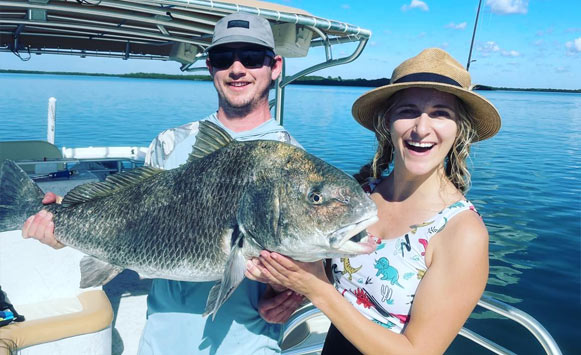
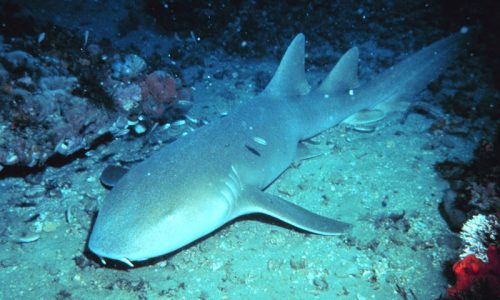
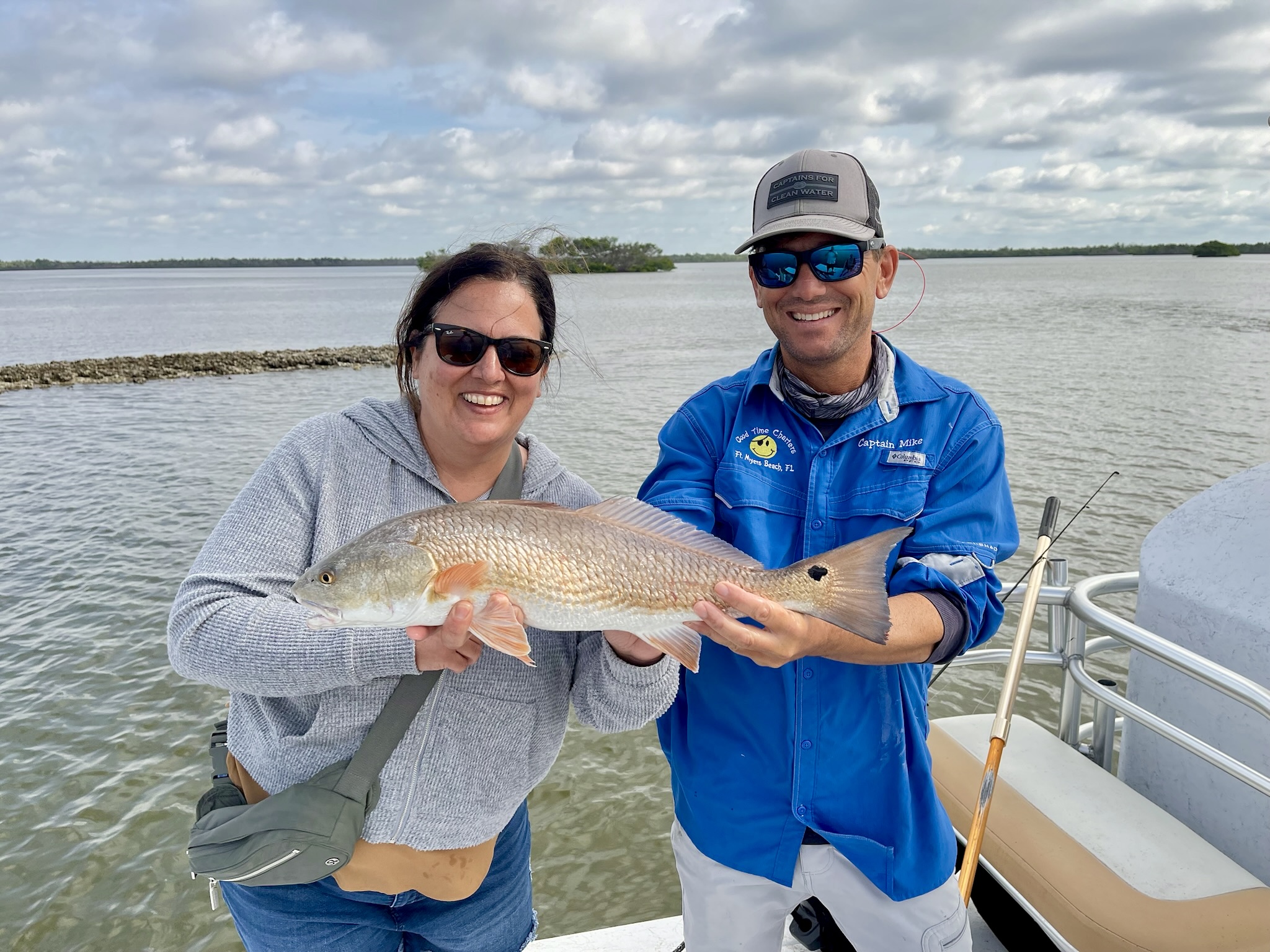
Backwater fishing in the Fort Myers Beach area can offer opportunities for snook, redfish, spotted seatrout, mangrove snapper, jack crevalle, sheepshead, and other seasonal species. Each fish has its own habits. Snook often patrol mangrove shorelines and structure. Redfish may tail or cruise shallow flats. Trout frequently feed over grass beds and sandy potholes.
That variety is part of the appeal, but fishing is never a guaranteed catch count. Windy weather, a sudden cold front, unusually clear water, or a changing tide can make fish selective. A successful trip might mean several memorable catches, a hard-earned single trophy fish, or an active day of learning how to place a cast along a mangrove edge.
A good captain will explain what is happening rather than simply move from spot to spot. Pay attention when they point out bait movement, bird activity, current lines, or changes in water depth. Those observations turn a vacation outing into a better understanding of the estuary and give you a clearer picture of why fish are where they are.
Practice the Simple Skills That Matter Most
You do not need to arrive as an experienced angler. Backwater fishing is approachable for first-timers, families, and anglers returning to the sport after years away. Still, a few simple habits can improve your experience quickly.
Listen carefully during the safety and casting briefing. Your captain or mate can show you how to hold the rod, operate the reel, cast safely, and set the hook without overdoing it. Most beginners use too much force at first. Smooth, controlled movements are usually more effective than a dramatic swing.
When a fish bites, keep the rod tip up and maintain steady pressure. Avoid reeling furiously if the fish is pulling line. Let the rod do its work, follow your captain’s instructions, and enjoy the fight. With fish such as snook and redfish, the first strong run is often the moment everyone remembers.
Casting accuracy matters more than casting distance in many backwater situations. A lure or bait placed quietly beside a mangrove branch, grass edge, dock piling, or oyster bar can be far more productive than a long cast into open water. It is perfectly fine if your first few casts land short. That is what a patient, guided trip is for.
Respect the Water and the Wildlife
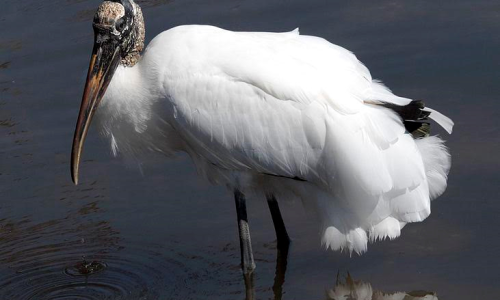
Backwater habitat is productive because it is connected. Mangroves shelter juvenile fish, grass beds support countless small creatures, and shorebirds, dolphins, manatees, and fish all rely on healthy coastal waters. Treating that system with care is part of the experience.
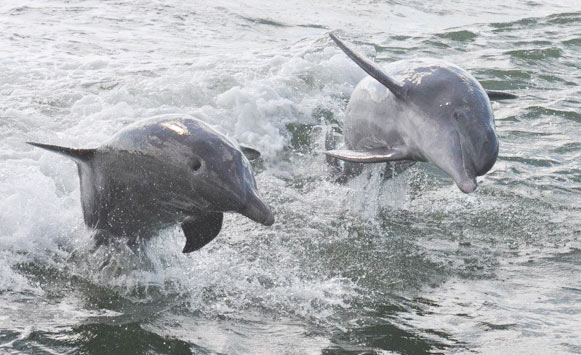
Keep loose trash secured, never feed wildlife, and give dolphins and manatees space when they appear. If a manatee is nearby, follow your captain’s lead and enjoy the encounter quietly. Seeing one of these gentle animals in its natural habitat can be just as memorable as catching a fish.
Your captain will also advise you on current fishing regulations, including species limits, size rules, and seasonal closures. Rules can change, and responsible fishing means releasing fish that cannot legally be kept. Even when a fish is legal, catch and release may be the best choice in certain conditions or for certain species.
Plan for the People in Your Group
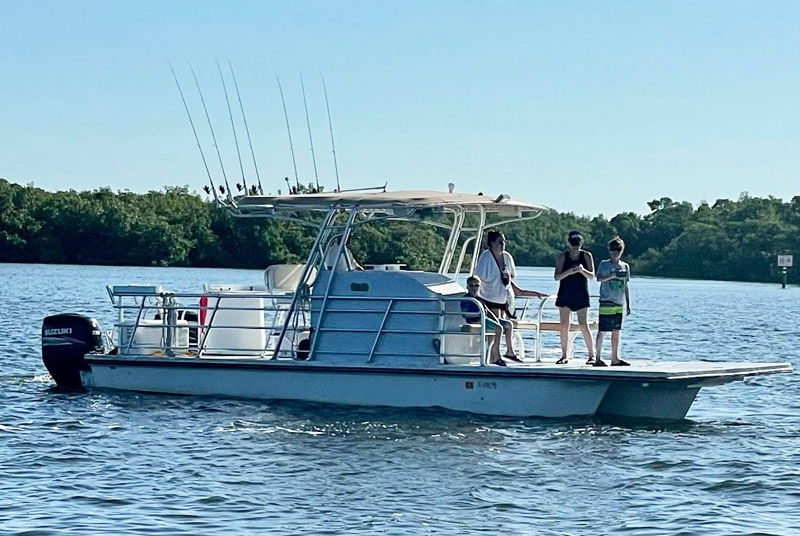
Private backwater charters work especially well for families, couples, and small groups because the pace can be adjusted to the people on board. If you are bringing children, let the captain know their ages and fishing experience beforehand. Younger anglers often enjoy shorter stretches of active fishing, wildlife sightings, and the excitement of handling smaller species.
For a group with mixed experience levels, set the right expectation before departure: everyone gets a turn, every catch counts, and the day does not need to be a competition. The experienced angler may want to refine a cast to the mangroves, while a first-time visitor may be thrilled by a snapper, a jumping jack, or a dolphin passing the boat.
Good Time Charters’ naturalist-led approach adds another layer to the outing. The water between fishing spots is not empty travel time. It is an opportunity to notice birds, tidal habitat, and the small signs of life that make these Florida backwaters such productive fishing grounds.
Arrive Ready to Enjoy the Moment
Plan to arrive early enough that you are not rushing down the dock with coffee in one hand and sunscreen in the other. Use the restroom before boarding, apply your first layer of sunscreen, eat something light, and have your water and personal items organized. A relaxed start makes the entire trip better.
Then give yourself permission to put the phone away for a while. Take a few photos, certainly, but notice the details that do not always make it into the camera roll: the splash of a mullet, the rustle of mangrove leaves, the flash of a pelican diving, and the sudden pull on the line. The best preparation for backwater fishing is practical, but the best part is being present when the water comes alive.