
The best shelling days rarely happen by accident. They come together when the tide, weather, timing, and boat plan all line up – and when everyone on board knows whether the day is about serious shell hunting, relaxed beach time, or a little of both. If you are wondering how to plan a shelling boat day, the goal is simple: make the logistics feel easy so you can focus on what you came for – beautiful beaches, interesting shells, and time on the water that actually feels like vacation.
Start with the kind of shelling day you want
Before you choose a boat, pack a bag, or look at the tide chart, decide what kind of outing you are building. That sounds obvious, but it changes almost everything. A family with young kids usually wants a shorter, flexible trip with easy beach access, shade, and time to snack and explore at a comfortable pace. A couple might want a quieter trip with more time walking remote shorelines. A group of dedicated shellers may be willing to leave early, walk farther, and sort through wrack lines with real focus.
That first decision shapes the right departure time, how much gear to bring, and whether a private trip makes more sense than joining a shared excursion. It also helps set expectations. Not every guest wants the same experience, and shelling days go much better when everyone understands the plan before the boat leaves the dock.
Timing matters more than most people expect
If there is one factor that can make a shelling trip noticeably better, it is timing. Shelling is often strongest when water levels are lower and more beach is exposed. That does not mean every low tide is perfect or that high tide ruins a trip, but tide stage absolutely affects what you can access and how easy it is to spot shells.
Wind matters too. Strong onshore wind can stir up water, shift shell lines, and make beach walking less pleasant. A calm day or a light breeze often gives you clearer shallows and a more relaxed ride. Recent weather also plays a role. After certain wind events or changing surf conditions, beaches may reveal fresh shell deposits. Other times, a shoreline may look picked over even on a beautiful day.
This is one reason guided shelling trips are so valuable. Local captains and naturalist-led crews watch these patterns all the time. They know when conditions are lining up well, which beaches are producing, and when a protected route or different stop makes more sense.
Morning vs. afternoon shelling trips
Morning trips are often cooler, brighter, and more comfortable for long walks on the beach. They can be especially good for families and anyone visiting in warmer months. Afternoon trips can still be excellent, but they may bring more heat, changing winds, and a different tide window.
The best choice depends on the season, and your group. There is no universal perfect time. There is only the best time for that particular day.
Choose the right boat experience
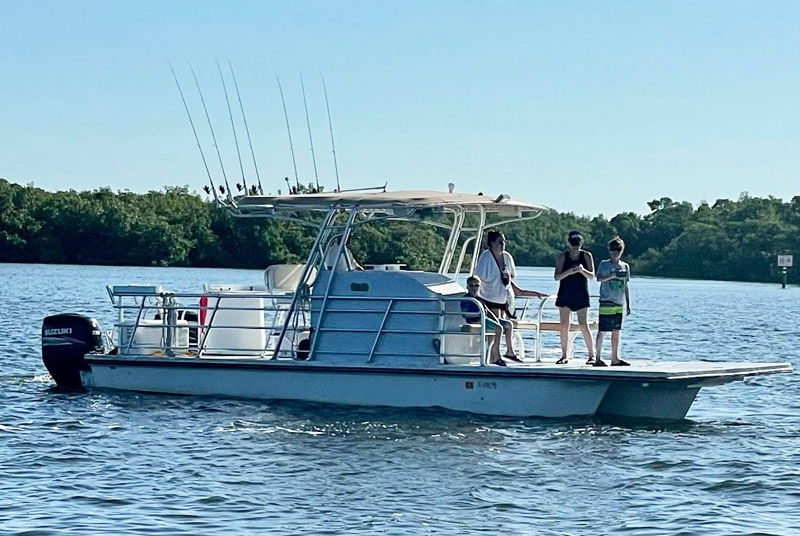
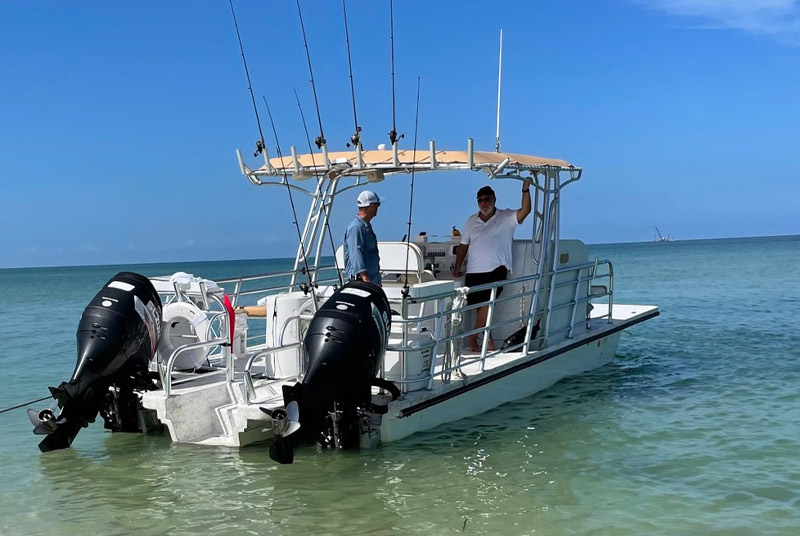
Not every shelling boat day is built the same way. Some guests want a larger, social sightseeing-style trip with room to spread out. Others want a smaller, more personal charter where the pace feels custom from start to finish. If your group has young children, older adults, or anyone who prefers a little more attention and flexibility, a private trip may be worth it.
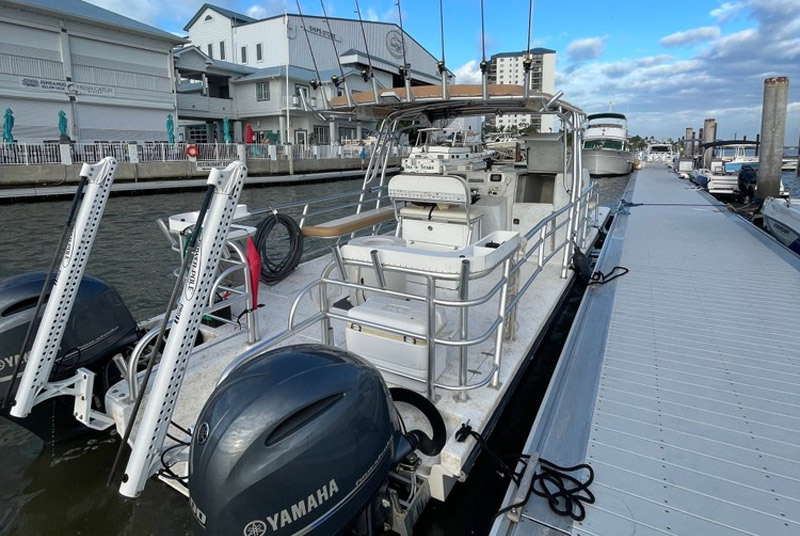
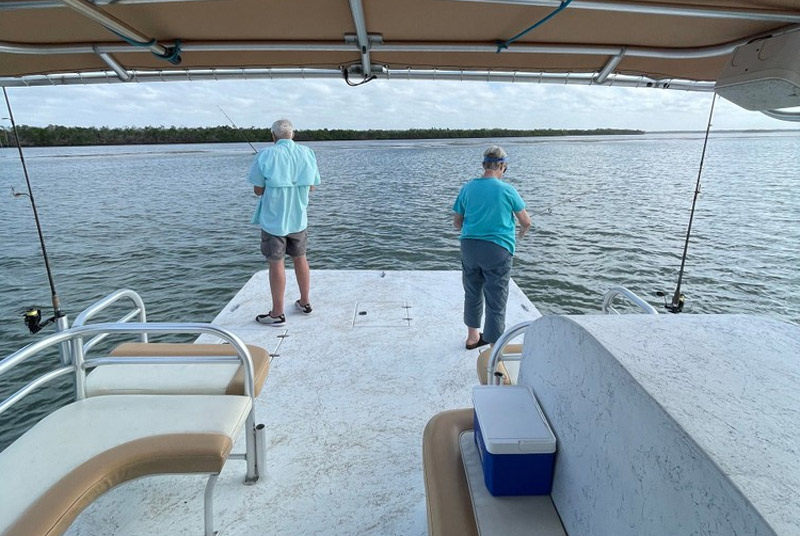
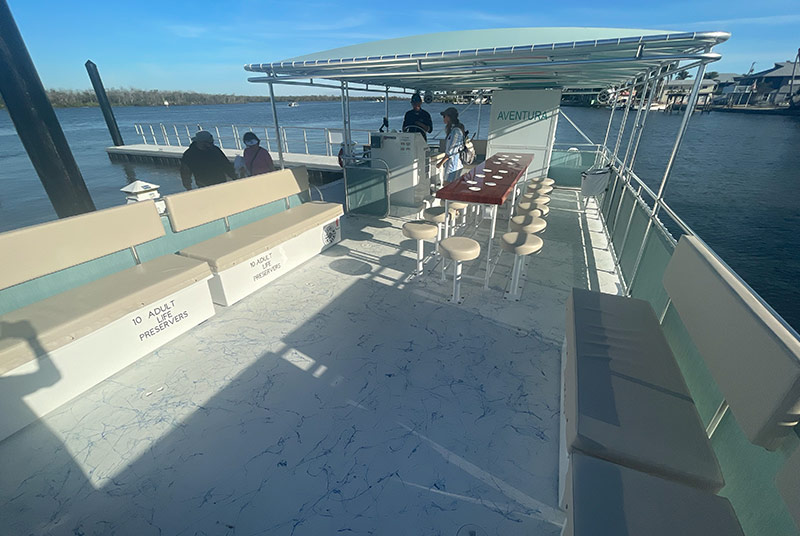
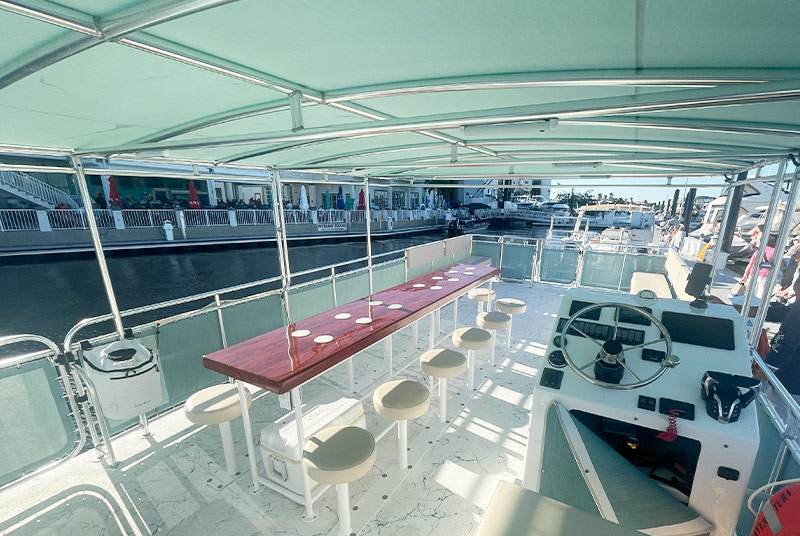
The boat itself affects comfort more than people think. Shade, seating, stability, boarding ease, and passenger count all shape the mood of the day. So does the crew. A knowledgeable captain can do more than get you there. They can read conditions, suggest the best time to shell, point out wildlife along the way, and help guests understand what they are finding.
That educational piece is not just a bonus. For many visitors, it turns shelling from simple collecting into a much richer experience. A shell beach looks different when someone can explain why certain species wash up there, how tides sort shells by size and shape, or what living animals and shorebirds depend on that same habitat.
Pack for the beach you are actually visiting
A shelling day does not require a mountain of gear, but the right basics make a big difference. Most guests do well with water shoes or sandals that stay on your feet, sun protection, drinking water, and a shell bag or mesh tote. If you burn easily, add a lightweight cover-up or sun shirt. Polarized sunglasses can also help you see into the shallows and spot shells below the surface.
If you are bringing kids, pack lighter than you think. Too many bags become a hassle the minute you step off the boat. A simple setup usually works best: towels, snacks, water, sunscreen, and one small container for favorite finds. If you bring a bucket, make it manageable. Little shellers fill buckets fast, then expect someone else to carry them.
A small hand towel or rinse bottle can help with sandy hands. Some guests also like a shell scoop or floating shell bag, but those are nice extras, not must-haves.
What not to bring on a shelling boat day
Leave valuables behind when possible. Heavy coolers, oversized beach gear, and too many personal items can crowd the boat and slow everyone down. If your trip includes walking a natural beach or landing on a less developed shoreline, simple is better.
It is also smart to check local shelling rules and follow crew guidance about live shells. Beautiful finds are exciting, but responsible shelling matters. If an animal is still living inside, it belongs in the water.
Plan for more than shells
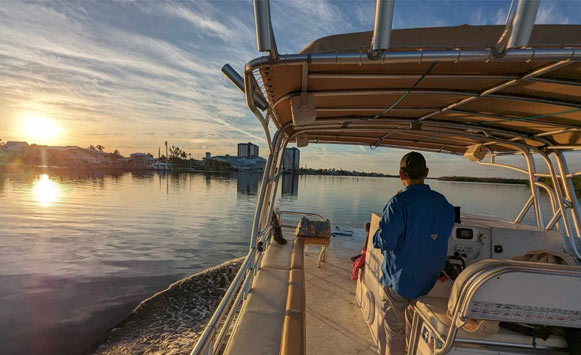
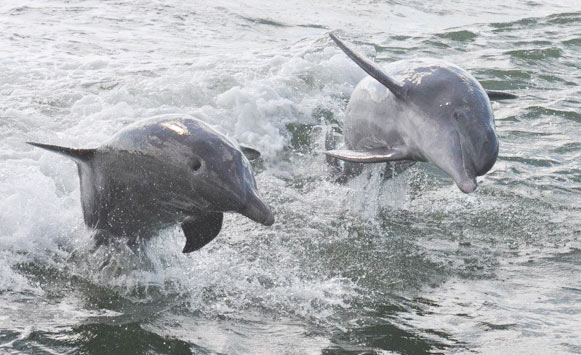
A well-planned shelling day is rarely only about shells. Some of the best moments happen on the ride out or back in – a dolphin surfacing beside the boat, an osprey dropping toward the water, a manatee rolling near the mangroves, or a guide explaining how barrier islands change shape over time.
That is why the strongest shelling trips feel layered rather than rushed. You want enough time to collect shells, but also enough space in the plan to notice where you are. Southwest Florida waters are full of life, and a boat day should feel like more than transportation to a beach.
This is especially true for mixed-age groups. Children may shell for twenty focused minutes, then become fascinated by birds, crabs, or baitfish in the shallows. Adults often do the opposite. They board thinking it is a beach stop and leave remembering the wildlife, the scenery, and what they learned along the way.
Keep expectations realistic and the day gets better
Part of knowing how to plan a shelling boat day is understanding that shelling is never fully predictable. Some days bring impressive finds right away. Other days take more patience, more walking, and a better eye. A guided trip can improve your odds, but no honest operator can promise a bucket full of rare shells every time.
That is not bad news. It is part of what makes shelling interesting. Conditions change. Beaches shift. One tide line may be full of tiny treasures while another produces larger, more dramatic shells. If your group shows up ready for a nature-based outing instead of a guaranteed haul, the whole day tends to feel more rewarding.
It also helps to think about what counts as success. For some guests, it is finding a few beautiful keepsakes. For others, it is spending half a day on the water with family, learning from a naturalist, and visiting beaches they would never reach on their own.
How to plan a shelling boat day with kids or grandparents
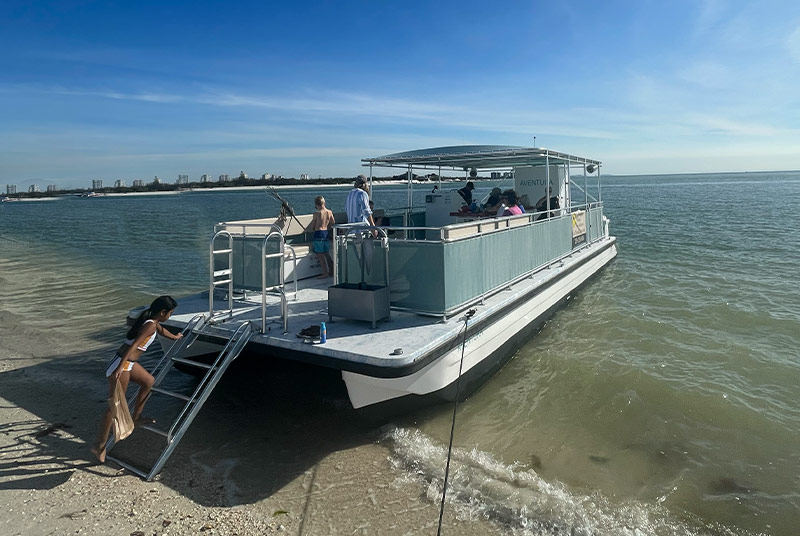
The sweet spot for multigenerational groups is comfort and flexibility. Choose a trip length that leaves room for fun without pushing everyone past their limit. Make sure there is shade on board, easy access on and off the boat, and enough guidance so nobody feels unsure about what to do once you reach the beach.
For kids, build in curiosity rather than pressure. Let them collect, compare shapes and colors, and ask questions about what they find. For older family members, a smoother ride, steady boarding, and a crew that can adapt the pace matter just as much as the beach itself.
This is where an experienced local operator stands out. Good Time Charters, for example, builds shelling and wildlife outings around knowledgeable crew, comfortable vessels, and the kind of naturalist-led interpretation that makes the trip engaging for both first-time visitors and longtime beach lovers.
Book with the conditions and your group in mind
When you are choosing a shelling boat trip, do not book based on price alone. Look at what the trip is designed to do. Is it shelling-focused or more of a sightseeing cruise with a beach stop? Is the passenger count right for your group? Will the crew help you understand the area, or are you mostly on your own once you arrive?
Ask practical questions. How long is the trip? Is it appropriate for young children? What should you bring? Is there shade? How much walking is typical? These details shape the experience far more than flashy marketing language ever will.
A shelling boat day should feel easy, memorable, and a little surprising in the best way. Plan around conditions, choose a crew that knows the water, and leave room for the small moments you cannot schedule – because those are often the ones you talk about long after the shells are unpacked.