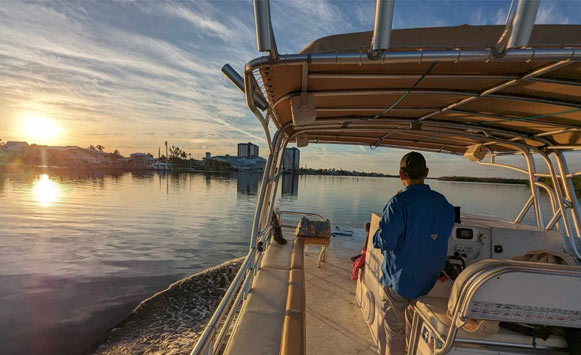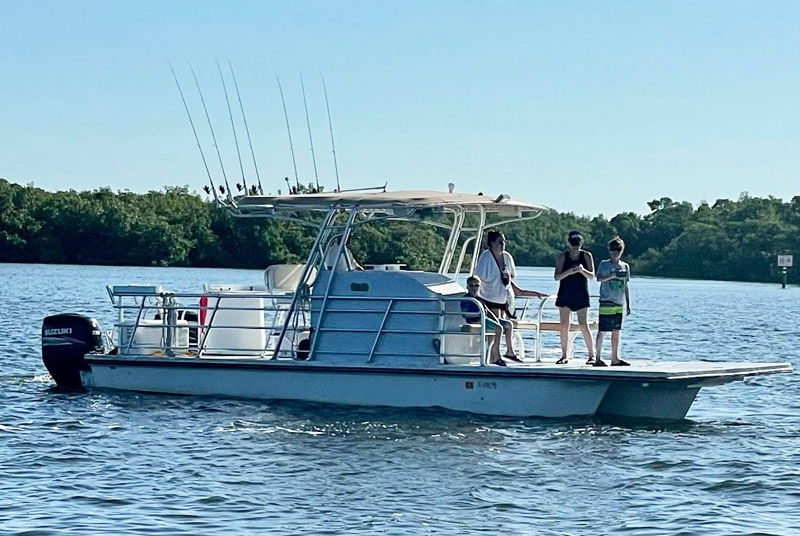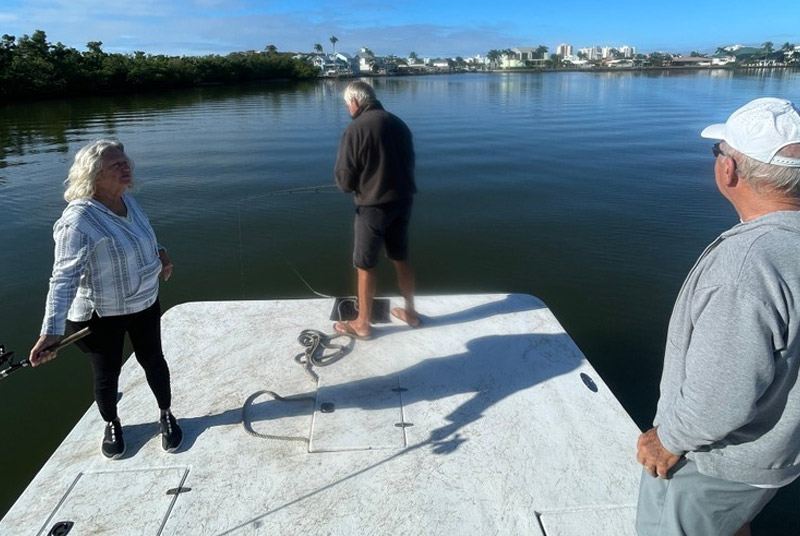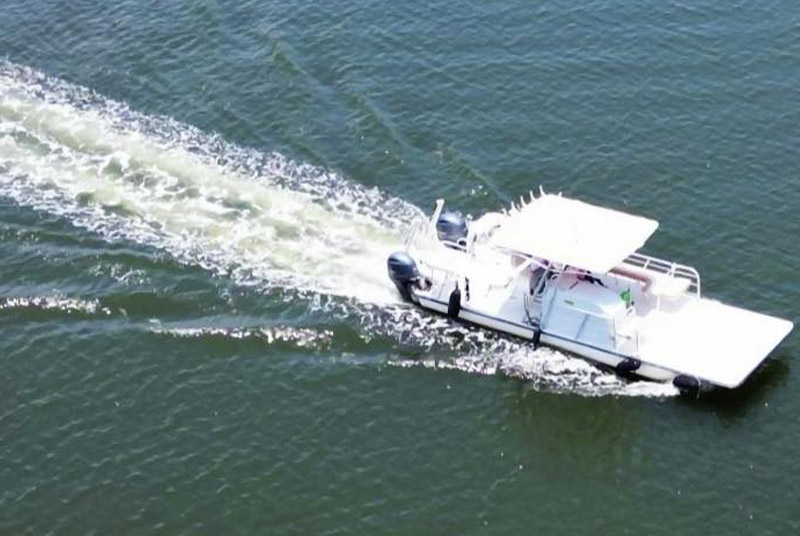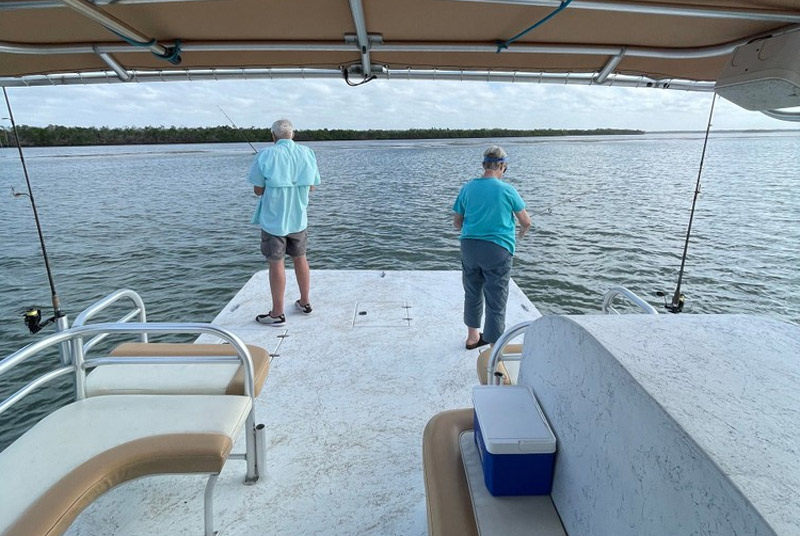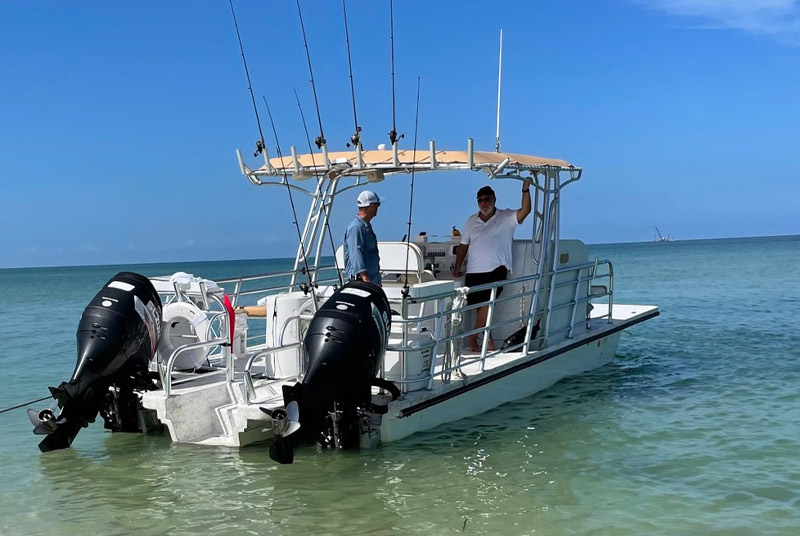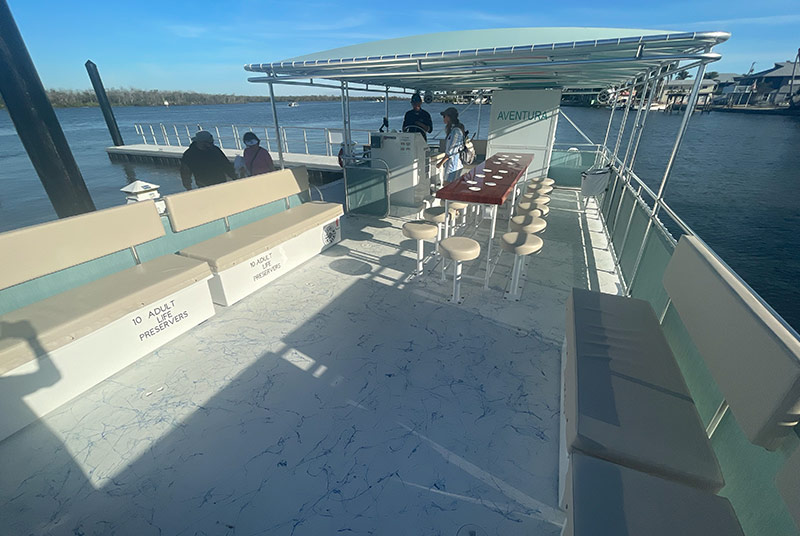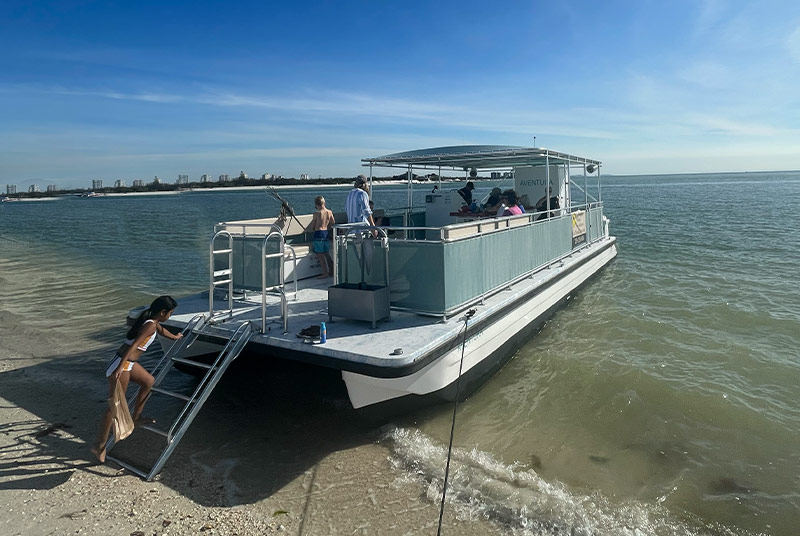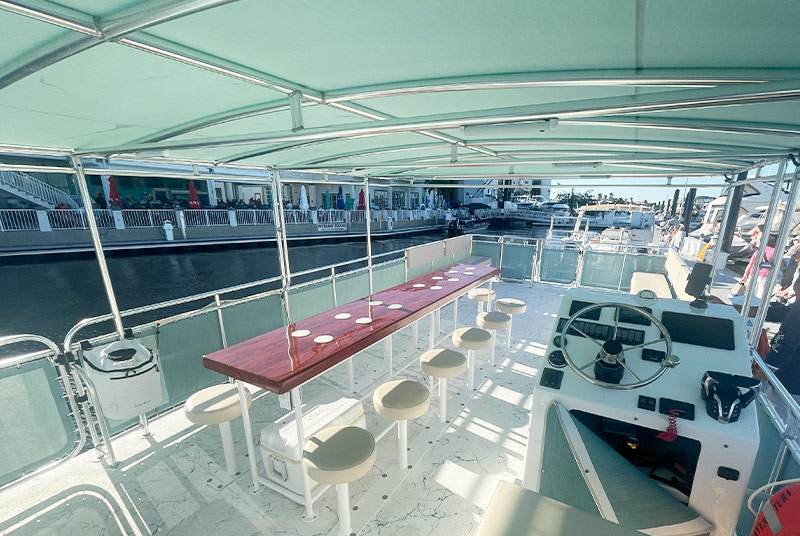
Sunrise on Estero Bay can be louder than people expect. Ospreys start calling from channel markers, mullet flick at the surface, and if the tide is right, a dolphin may roll before the coffee has even cooled. That is what makes an Estero Bay wildlife viewing guide useful – not as a checklist, but as a way to understand when and where the bay comes alive.
Estero Bay is not a theme park version of Florida nature. Wildlife sightings are real, and they are shaped by tide, season, weather, boat traffic, and plain luck. The good news is that this estuary is one of the richest coastal habitats in Southwest Florida, which means your odds improve quickly when you know what to watch for and when to be on the water.
Why Estero Bay is such a strong wildlife area
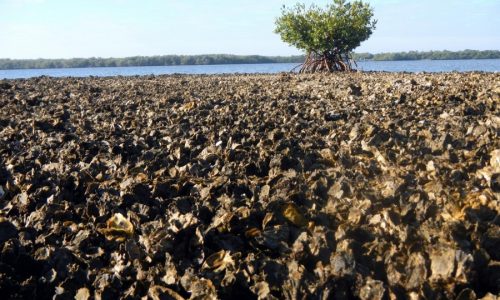
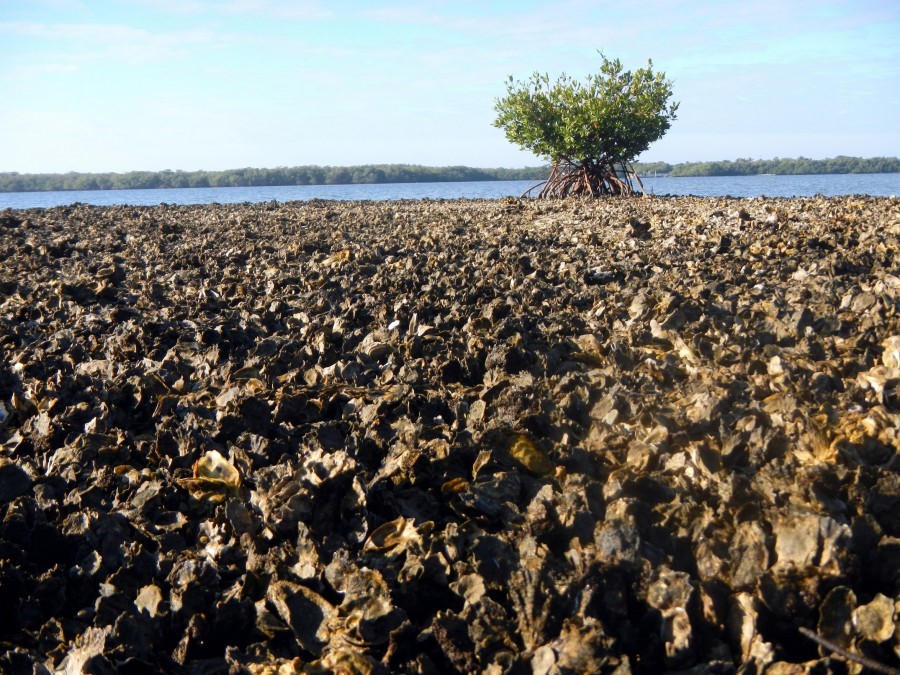
Estero Bay is a shallow, productive estuary where freshwater and saltwater mix through mangrove shorelines, seagrass beds, oyster bars, mud flats, and tidal creeks. That variety matters. Dolphins hunt the edges of bait schools, wading birds work the shallows, manatees move through calmer protected water, and juvenile fish use mangroves as shelter.
For visitors, that diversity creates a better viewing experience than a simple open-water cruise. You are not staring at one habitat and hoping something swims by. You are moving through a living system where animals feed, rest, travel, and interact in visible ways. On some days the bay feels busy everywhere. On other days, the best sightings happen in a quiet pocket that most casual visitors would pass right by.
What wildlife you are most likely to see
Dolphins
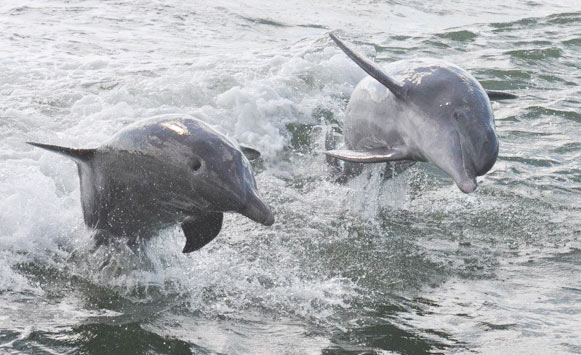
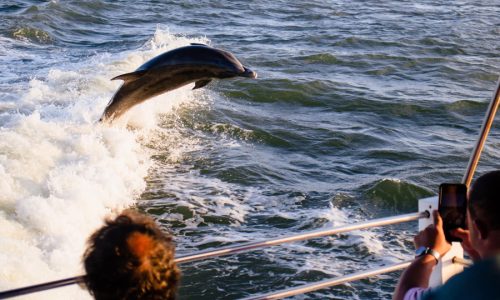
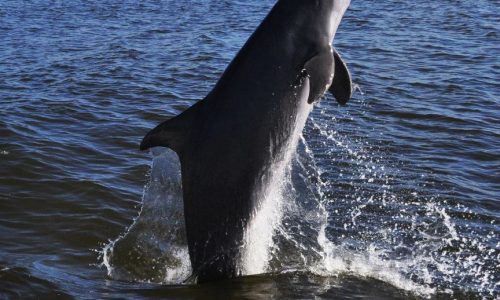
Bottlenose dolphins are usually at the top of the wish list, and for good reason. They are among the most reliable marine mammal sightings in Estero Bay. You may see a single dolphin cruising a shoreline, a pair traveling together, or a small group actively feeding where bait is concentrated.
The best dolphin moments are not always the closest ones. Sometimes it is a fin slicing through glassy water. Sometimes it is a full-body leap. Sometimes it is watching a naturalist explain why the dolphins are circling a bait ball near a mangrove edge. If you are expecting a constant show, reset that expectation a little. Dolphin behavior changes by the minute, and that unpredictability is part of what makes a real sighting memorable.
Manatees
Manatee sightings can be excellent, but they are more dependent on season and water conditions. In warmer months, they often use protected estuaries, coastal bays, and calm shallows. On cooler days, they may shift toward warmer water areas and become less predictable in the open bay.
Unlike dolphins, manatees can be subtle. A swirl, a nose at the surface, or a broad gray back may be all you get before they sink again. That is enough for most people. Seeing one in the wild, moving slowly through its natural habitat, has a way of quieting the whole boat.
Birds
If you think birding sounds too specialized for a family outing, Estero Bay usually changes minds fast. This is one of the easiest forms of wildlife viewing here because the birds are active, visible, and often close to shore.
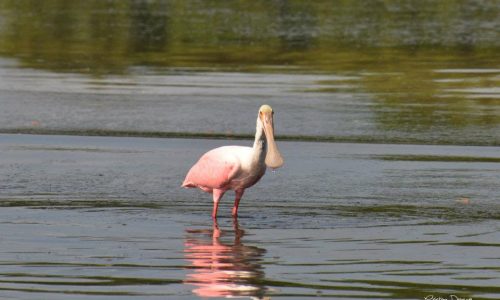
Ospreys are common and dramatic, especially when hunting. Brown pelicans are everywhere and somehow still entertaining every time they plunge. Depending on the season, you may also spot great blue herons, snowy egrets, reddish egrets, roseate spoonbills, bald eagles, double-crested cormorants, and shorebirds feeding on exposed flats.
Bird activity often improves around moving water. Falling tide can concentrate bait and expose feeding zones, while a calm morning gives better visibility and cleaner reflections for photos.
Shells, rays, and the smaller surprises
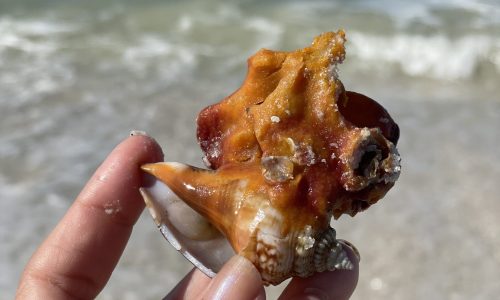
Not every great wildlife moment has to involve a large animal. Estero Bay rewards people who notice details. Stingrays may ghost over sandy bottoms. Horseshoe crabs, fighting conchs, live lightning whelks, and tiny bait fish schools can all become part of the experience. If your trip includes a shelling stop, the educational side gets even better because shells stop being souvenirs and start becoming clues to the habitat around you.
Timing matters more than most visitors realize
Tides change the whole experience
If there is one thing to build your trip around, it is the tide. Wildlife follows food, and food shifts with moving water. A falling tide can create excellent feeding opportunities for birds and dolphins because bait gets funneled out of creeks and marsh edges. A rising tide opens access to mangrove shorelines and flooded flats where fish spread out.
There is no single perfect tide for every species. That is the trade-off. Bird activity might spike on exposed flats while fish scatter elsewhere. Dolphins may be active in one channel while another area goes quiet. The takeaway is simple: ask about the tide before you go, and understand that an experienced captain uses it like a map.
Morning versus afternoon
Morning trips often offer calmer water, softer light, and more comfortable temperatures, especially in warmer months. That can make spotting fins, birds, and surface movement easier. Afternoon is still excellent, but summer heat may affect both comfort.
That said, wildlife does not punch a time clock. Some of the best sightings happen later in the day, especially when bait is moving and boat traffic thins out in certain areas. If your schedule only allows afternoon, that does not mean your chances disappear. It just means expectations should stay flexible.
Seasonal shifts
Estero Bay produces wildlife sightings year-round, but the cast can change. Winter often brings more migratory birds and pleasantly cool conditions for sightseeing. Spring can be very active as water warms and days lengthen. Summer offers lush, energetic estuary life, though heat and weather become more of a factor. Fall can be underrated, with fewer crowds and strong wildlife opportunities. My personal favorite time of year for wildlife viewing is the wet season, May through October.
Manatee patterns are especially seasonal, while dolphins are generally reliable throughout the year. Birders tend to notice the biggest seasonal differences, but even casual guests can tell when migration is in full swing.
The best way to watch wildlife without missing it
A lot of people assume wildlife viewing is just about showing up. In reality, good spotting is part patience and part interpretation. You are watching for clues: diving birds, nervous bait, slicks on the surface, wakes near a shoreline, or a quiet patch of water where something just rolled.
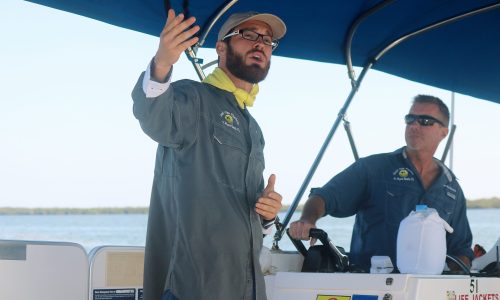
That is why guided trips usually outperform self-guided outings. A trained captain or naturalist is not just looking harder. They know how the bay works. They can read tides, recognize feeding behavior, distinguish a dolphin roll from a mullet jump, and explain why one shoreline is active while another is empty.
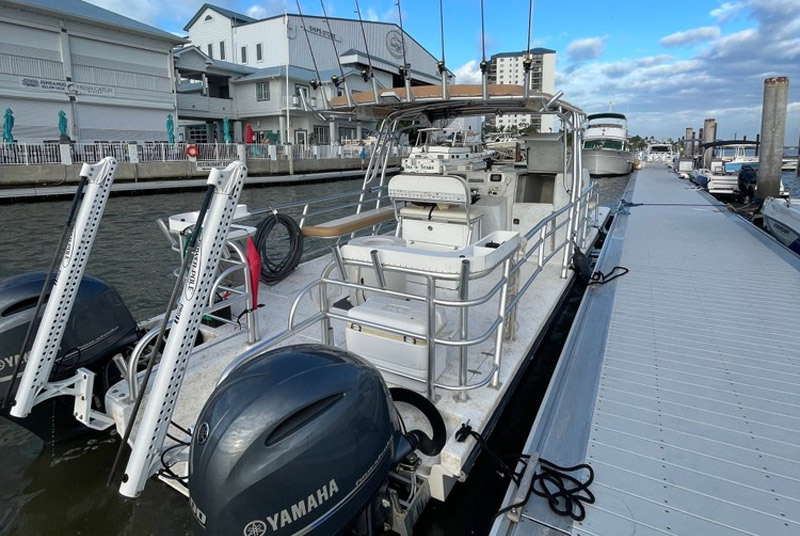
This is where a company like Good Time Charters stands out. A biologist-owned, naturalist-led approach changes the experience from a pleasant boat ride into something more informed and more memorable. You still get the excitement of the sighting, but you also understand what you are seeing and why it is happening.
A few practical expectations can make the trip better
Wildlife viewing works best when you treat it like a real nature experience, not a guaranteed performance. Animals move. Weather changes. Water clarity varies. The best guides improve your odds and your understanding, but they do not script the bay.
Dress for sun and glare, even on cooler days. Polarized sunglasses help more than people think because they cut surface reflection and make movement easier to spot. Keep your phone or camera ready, but do not stare through it the whole trip. Many first-time guests miss the best moments because they are trying to frame a perfect shot instead of watching the water.
It also helps to stay quiet when the captain slows down near an active area. That does not mean whisper-only silence, just awareness. A calmer boat makes it easier to hear cues from the crew and notice subtle movement around you.
Estero Bay wildlife viewing guide for families and casual visitors
If you are traveling with kids, grandparents, or mixed-interest groups, Estero Bay is one of the easier places to please everyone at once. Dolphins create instant excitement, birds keep the scenery active, and the ride itself is relaxing even between sightings. You do not need to be an experienced birder or marine biology enthusiast to enjoy it.
The sweet spot is a trip that balances fun with interpretation. Too little guidance and people miss half of what is happening. Too much lecture and it can feel like school on the water. The best outings keep the mood light while giving you just enough context to turn passing wildlife into a real vacation memory.
A helpful way to think about the bay is this: the more you understand it, the more you see. Mangroves become nurseries, oyster bars become feeding zones, and a quiet stretch of shoreline starts to look full of possibility instead of empty. That shift is what makes people want to come back out again.
If you want the best chance at a memorable trip, give yourself time, choose a crew that knows the estuary well, and let the bay show you what is active that day. Wildlife viewing in Estero Bay is at its best when it feels a little unscripted and completely real.