You can spot a dolphin from almost any boat on a lucky day. That does not automatically make the experience meaningful. When people ask what is nature and wildlife tourism, they are really asking something bigger: what turns time outdoors into an experience that is memorable, respectful, and worth planning part of a vacation around?
Nature and wildlife tourism is travel built around experiencing natural places and the animals that live there. That can mean watching dolphins along the coast, looking for manatees in quiet back bays, birding in estuaries, visiting protected habitats, or taking a guided shelling trip where the landscape itself is part of the story. The best version of it is not just sightseeing. It blends recreation, learning, and conservation-minded behavior in a way that helps guests enjoy wildlife without disturbing it.
What Is Nature and Wildlife Tourism, Really?
At its simplest, nature and wildlife tourism is any travel experience focused on natural environments and wild species. But that definition is a little too broad to be useful. A better way to think about it is this: it is tourism where nature is the main attraction, and the experience is designed around observing, understanding, and appreciating that environment.
That includes a wide range of activities. Some are land-based, like walking nature trails, birdwatching, or visiting national parks. Others are on the water, where guests might cruise through an estuary, look for coastal birds, search for dolphins, or explore barrier islands known for shelling. In coastal Florida, for example, a wildlife outing often includes a mix of marine mammals, seabirds, fish, mangrove shorelines, tidal flats, and the local ecosystem that ties it all together.
What separates this from a standard boat ride or general sightseeing tour is intent. If the trip is built around wildlife viewing, habitat awareness, and a deeper understanding of the natural setting, it falls much more clearly into the nature tourism category.
How Nature Tourism Differs From General Outdoor Travel
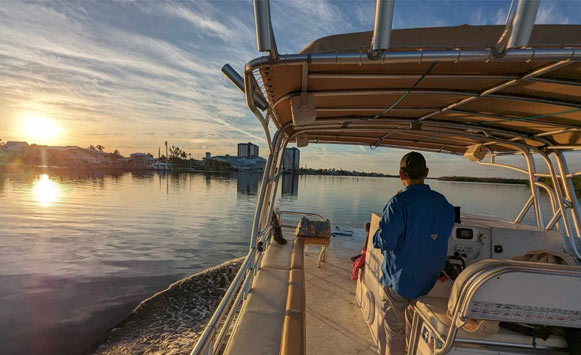
Not every outdoor activity qualifies as wildlife tourism. A sunset cruise may be scenic and relaxing, but whether it counts depends on how the experience is structured. Some trips are primarily social or recreational. Others are specifically designed to help guests encounter wildlife and learn from the environment around them.
That difference matters. Nature and wildlife tourism usually has a stronger educational element, even when it is family-friendly and easygoing. Guests are not expected to show up with field guides and binoculars. They just want more than a passive ride. They want to know why dolphins feed in a certain area, how tides affect shelling, where birds nest, or why mangroves are so important to the health of the coast.
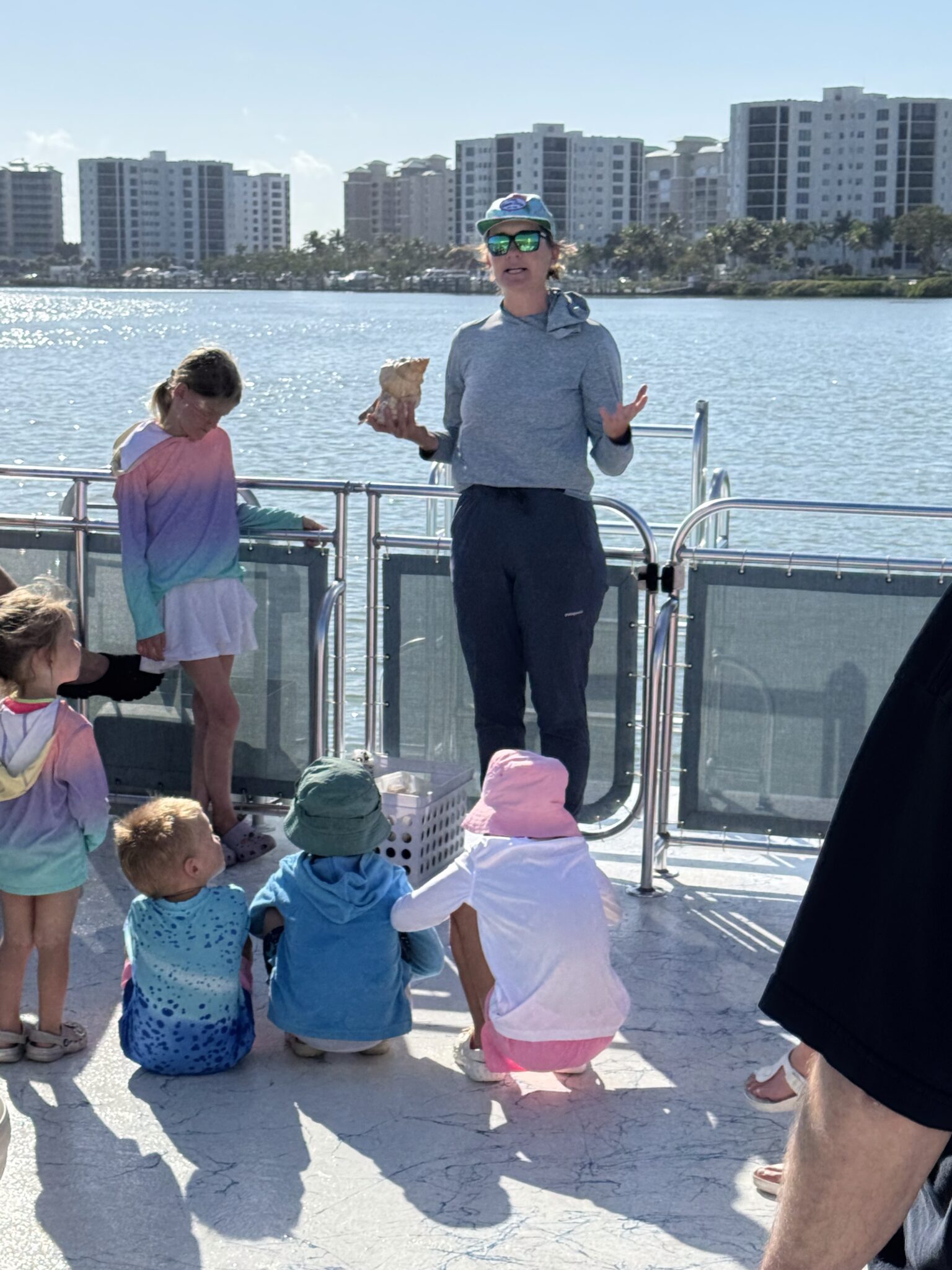
This is where guide quality changes everything. A captain or naturalist who knows the local waters can turn a wildlife sighting into a full experience. Instead of pointing and moving on, they can explain behavior, habitat, seasonality, and what guests are seeing in real time. They can also answer questions candidly, and not rely on a script. That gives the trip staying power long after vacation ends.
Why People Choose Wildlife Experiences on Vacation
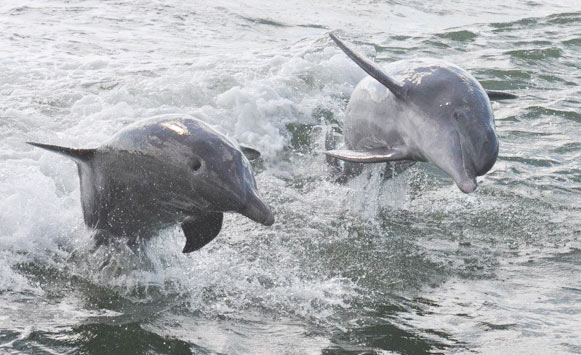
Most travelers are not looking for a lecture. They are looking for a great day on the water, good memories, and the kind of moment that feels hard to stage. A manatee surfacing nearby or a pod of dolphins moving alongside the boat does that better than most attractions ever could.
That is a big reason nature and wildlife tourism keeps growing. It gives people something both relaxing and memorable. Families get an activity that works across age groups. Couples get a more personal, scenic outing. Retirees often enjoy the pace, comfort, and learning piece. Even guests who know very little about marine life tend to enjoy these trips because the experience feels accessible right away.
There is also a trust factor. People want an excursion that feels professionally run and worth their time. They do not just want to wander and hope for the best. They want the advantage of local knowledge, safe operation, and a crew that understands where to go and what to look for.
The Best Wildlife Tourism Is Built on Respect
A good wildlife trip should never feel like chasing animals. That is one of the most important parts of answering what is nature and wildlife tourism in a responsible way.
Ethical wildlife tourism puts the animal first. That means keeping safe distances, avoiding harassment, respecting nesting and feeding areas, and following the rules that protect local ecosystems. On the water, it also means understanding boat positioning, wake effects, and how noise can influence animal behavior.
There is a trade-off here that good operators are honest about. Responsible tours do not guarantee a perfectly staged encounter. Wildlife is wild. Some days are busy with sightings, and some days require patience. But that unpredictability is part of what makes the experience real. The goal is not to force an interaction. It is to create the best chance of seeing wildlife naturally, with guides who know how to interpret what is happening.
That approach usually leads to a better guest experience anyway. When people understand what they are seeing and why the crew is being careful, the trip feels more authentic and more valuable.
What a High-Quality Nature and Wildlife Tour Looks Like
The easiest way to judge a wildlife experience is to look at what happens beyond the headline promise. Almost any operator can advertise dolphins, birds, or beautiful scenery. The better question is how the trip is delivered.
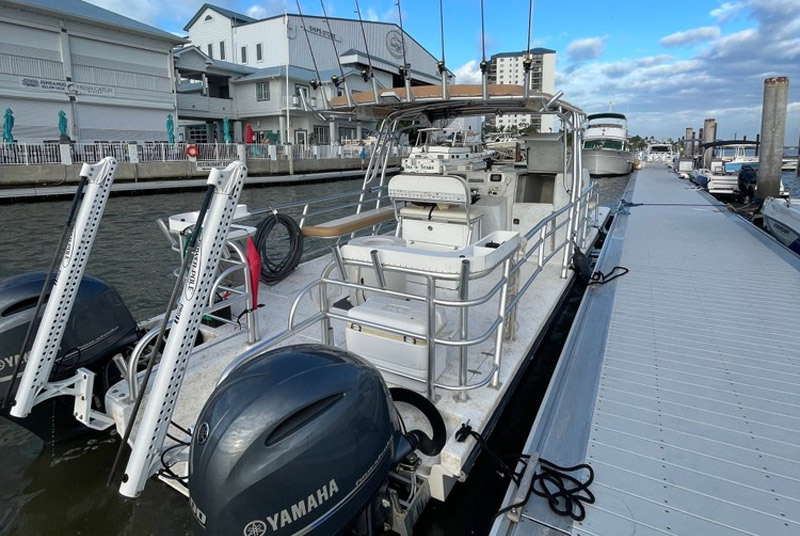
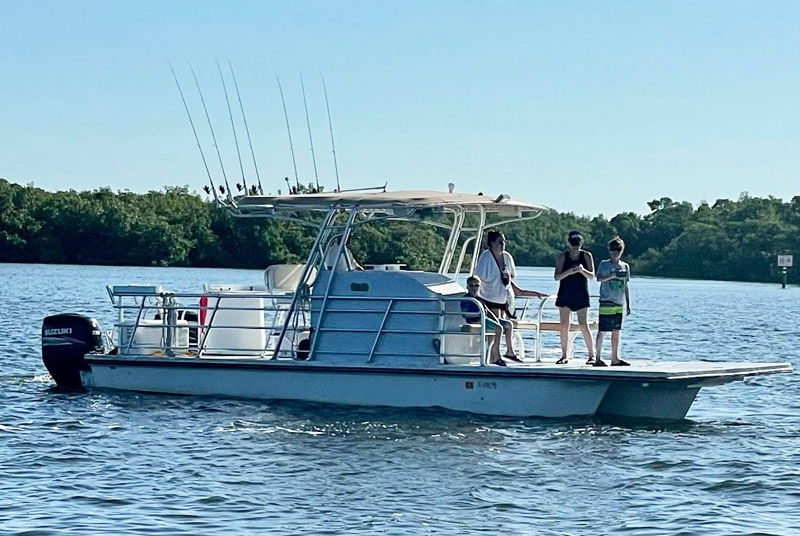
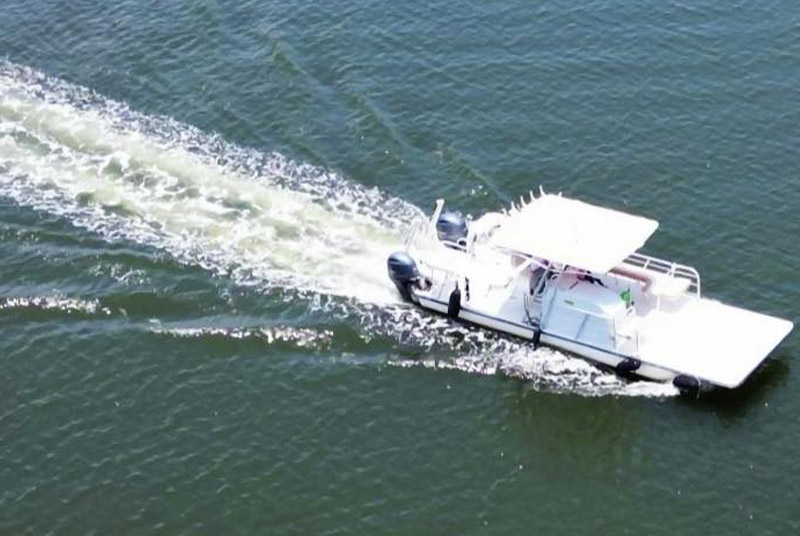
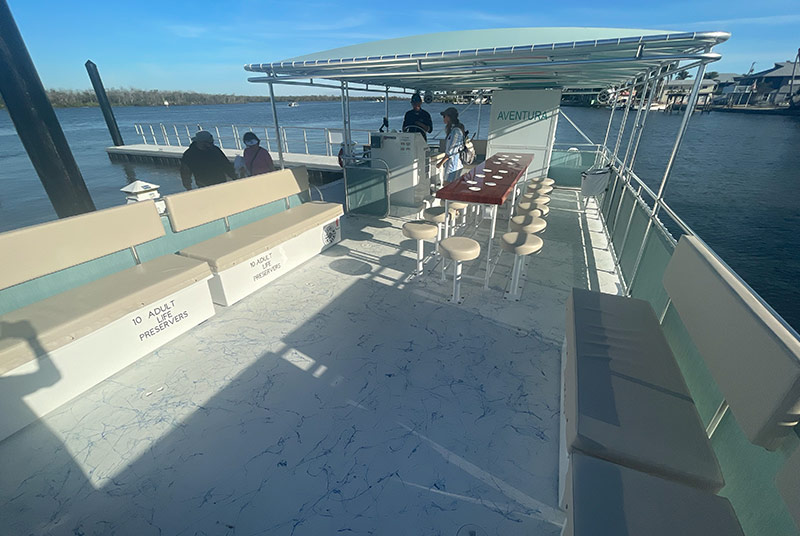
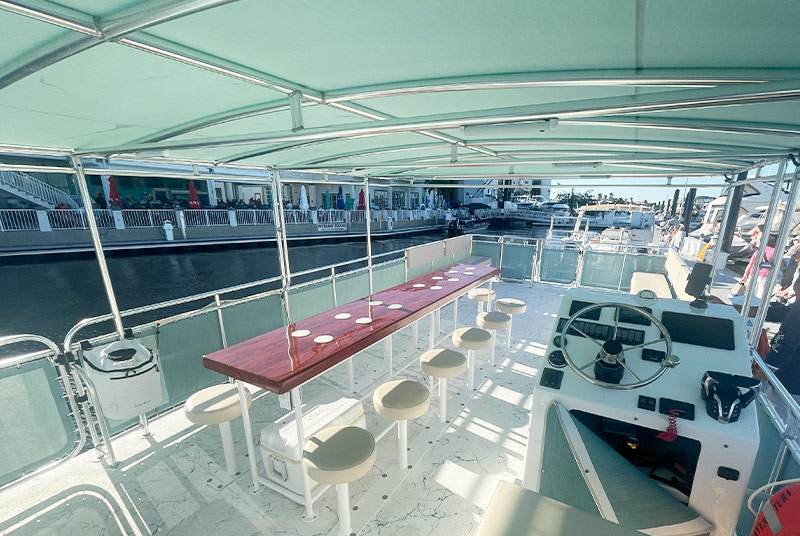
A strong nature tour is led by people with real local knowledge. That might mean years on the water, formal naturalist training, or both. It should feel organized, safe, and guest-focused. It should also match the group size and style of outing. A small private charter offers flexibility and a more personal pace, while a larger sightseeing vessel may work well for families or groups who want a social but guided experience.
The strongest operators also help guests connect the dots. Wildlife is part of a larger system. Dolphins relate to baitfish, tides, and channel edges. Shelling depends on wind, currents, and beach conditions. Birds gather where habitat and feeding opportunities line up. When guides explain those patterns, guests start seeing the coast differently.
That is one reason biologist-owned or naturalist-led tours stand out. The trip becomes more than transportation to a scenic spot. It becomes an interpretive experience, where fun and education work together instead of competing.
What Nature and Wildlife Tourism Can Include
Types of Nature and Wildlife Tourism on the Water
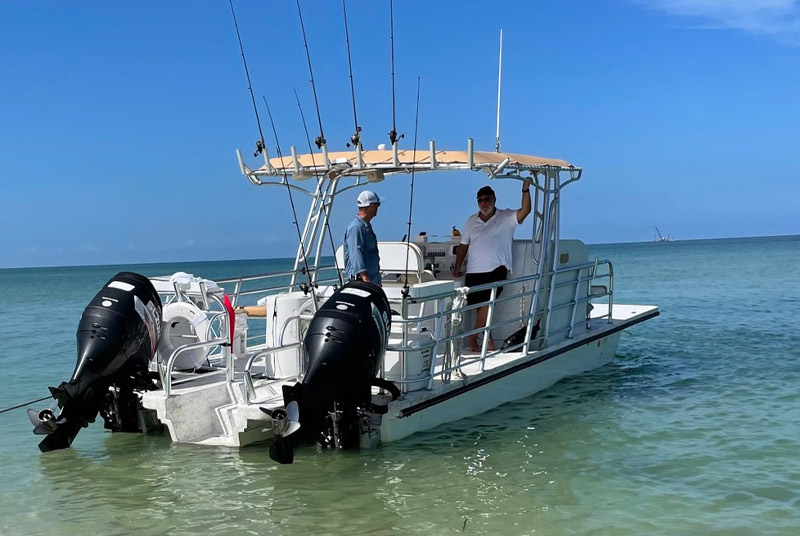
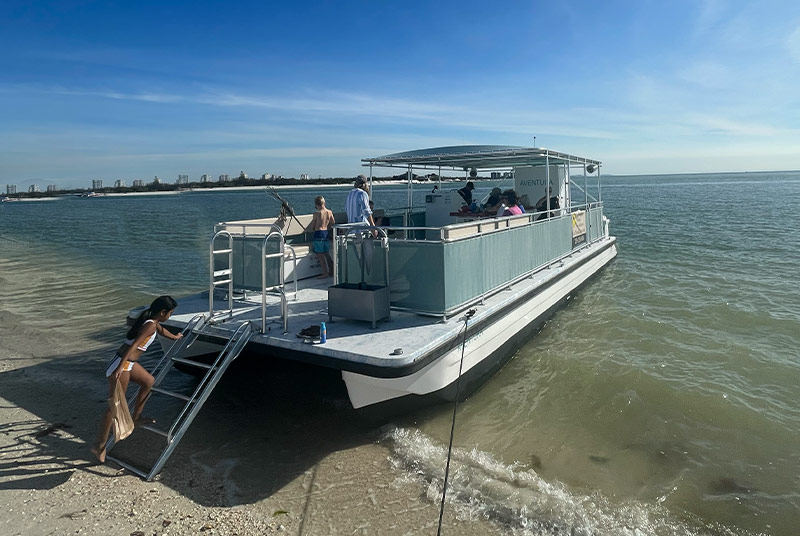
On the coast, wildlife tourism can take several forms, and each has a slightly different appeal. Dolphin cruises are often the easiest entry point because the payoff is clear and the experience is exciting for almost everyone. Shelling trips add a treasure-hunt feel and connect guests to barrier island ecology. Birding and estuary cruises tend to appeal to travelers who want a quieter, more observational outing. Private charters work especially well for families and small groups who want flexibility, extra space, and more one-on-one interaction with the captain or guide.
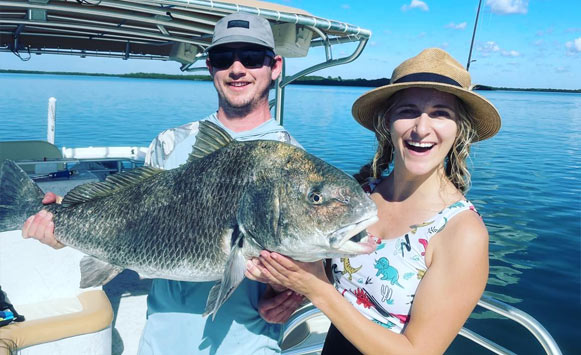
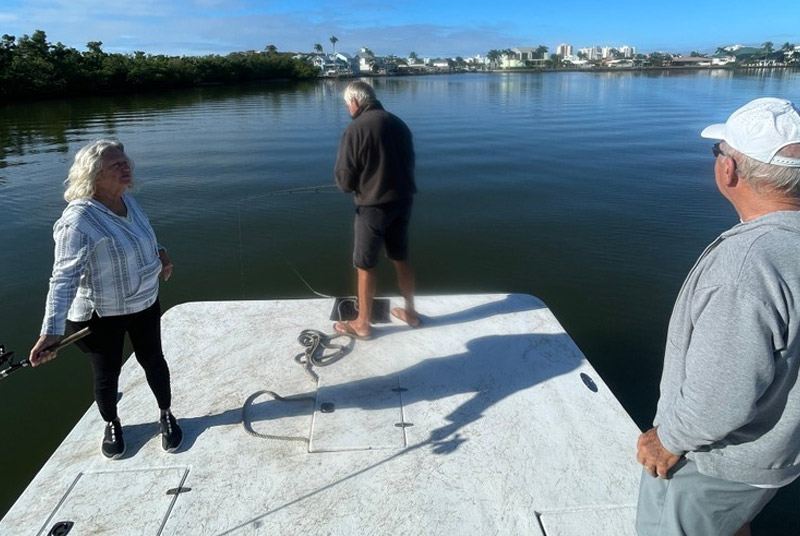
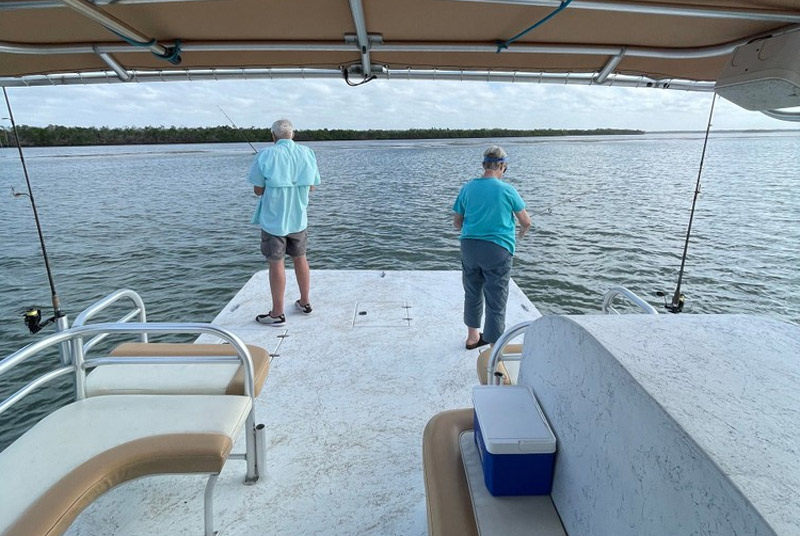
Fishing can overlap with nature tourism too, depending on how the trip is framed. A guided backwater fishing charter introduces guests to mangrove systems, bait movement, seasonal fish patterns, and the broader estuary. It is more active than a sightseeing cruise, but it still offers a close connection to the environment.
The right choice depends on the group. If your priority is a broad wildlife experience, choose a trip designed around observation and interpretation. If you want a mix of recreation and ecosystem learning, a fishing or shelling charter may be a better fit.
How to Choose the Right Wildlife Tour
Start with the experience you actually want, not just the species you hope to see. If comfort, storytelling, and family-friendliness matter most, choose a well-reviewed guided cruise with a crew known for wildlife knowledge. If you want privacy and flexibility, look for a private charter. If learning matters to you, pay attention to whether the guides have naturalist training or marine science expertise.
It also helps to look for realistic messaging. Good operators talk about likely sightings, not guarantees that sound too perfect. They explain what makes the area special and what the crew adds to the experience. In a place like Fort Myers Beach, where estuaries, marine life, and shell-rich islands create excellent wildlife opportunities, the difference often comes down to the guide and the quality of the trip design.
That is why companies like Good Time Charters have built a following around expert-led experiences rather than generic sightseeing alone. Guests remember the dolphins, of course, but they also remember having someone onboard who could explain what they were seeing and make the trip feel personal.
Nature and wildlife tourism is not about checking an animal off a list. It is about spending time in places that still surprise you, with people who know how to help you notice more of what is already there.